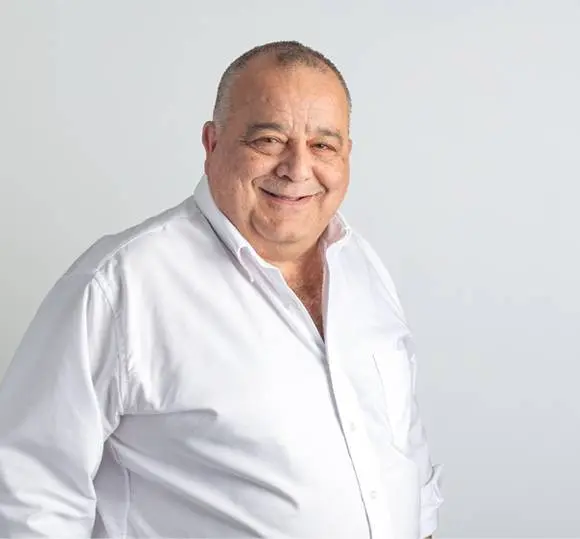
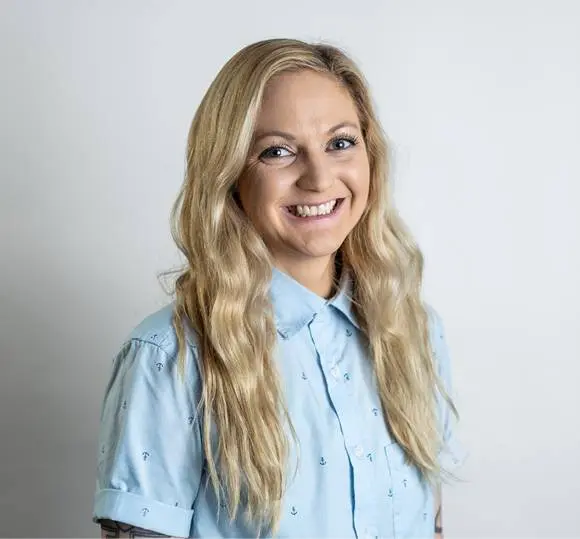
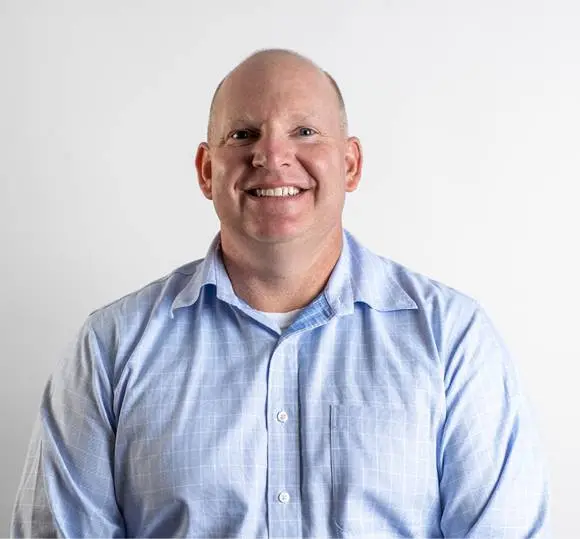
This place has changed my life and has given me new opportunities. I'm changed for the better. I was struggling with mental issues that I was trying to solve with my addictions, but they believed in me, treated me as a human being and taught me how to change to be a better p ...
About Ontrack Rogue Valley
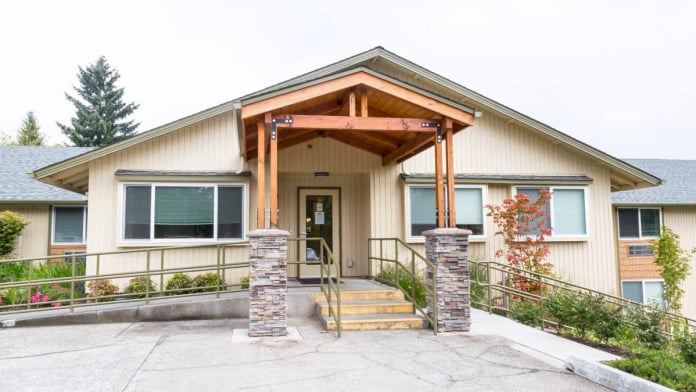
One thing that stands out about Ontrack Rogue Valley is its emphasis on being culturally responsive. The facility welcomes all individuals of different races, ethnicities, genders and orientations. They also have a bilingual workforce to help provide more services to the Latino community.
All clients will undergo an assessment to determine if outpatient treatment is the best option for their recovery. If more intensive treatment services are needed, staff members can refer you to Ontrack Rogue Valley’s residential programs.

Outpatient substance use disorder treatment is available for adults and adolescents. Staff members are also trained to help treat co-occurring conditions such as gambling addiction or mental illness. Through group and individual counseling, you learn skills to manage stress without using substances and gain support from your peers who are also overcoming addiction.
Intensive outpatient treatment services are provided in the evenings and on Saturdays to accommodate working families. Individuals with severe mental illness and a substance use disorder will likely be recommended to the partial hospitalization program. You’ll receive treatment for 35 hours a week that includes mindfulness, treatment groups, recreational therapy and physical activities.
An additional service offered by Ontrack Rogue Valley is Second Chance Affordable Housing. They have 150 units available for individuals and families experiencing barriers preventing them from renting a residence. You’ll also receive peer support and access case management services.
Facility Overview
Latest Reviews
Rehab Score
Gallery
Accepted Insurance
Other Forms of Payment
Private insurance refers to any kind of healthcare coverage that isn't from the state or federal government. This includes individual and family plans offered by an employer or purchased from the Insurance Marketplace. Every plan will have different requirements and out of pocket costs so be sure to get the full details before you start treatment.
Self-pay involves paying for treatment out of your own pocket. You can use savings or credit, get a personal loan, or receive help from family and friends to fund your treatment. If you don't have insurance or your insurance plan doesn't cover a specific program, self-pay can help ensure you still get the care you need.
Medicare is a federal program that provides health insurance for those 65 and older. It also serves people under 65 with chronic and disabling health challenges. To use Medicare for addiction treatment you need to find a program that accepts Medicare and is in network with your plan. Out of pocket costs and preauthorization requirements vary, so always check with your provider.
Military members, veterans, and eligible dependents have access to specific insurance programs that help them get the care they need. TRICARE and VA insurance can help you access low cost or no cost addiction and mental health treatment. Programs that accept military insurance often have targeted treatment focused on the unique challenges military members, veterans, and their families face.
Medicaid is a state based program that helps lower-income individuals and families pay for healthcare. Medicaid covers addiction treatment so those enrolled can use their coverage to pay for rehab. When a program accepts Medicaid the client often pays very little or nothing out of their own pocket.
Sliding scale payments are based on a client's income and family size. The goal is to make treatment affordable to everyone. By taking these factors into account, addiction recovery care providers help ensure that your treatment does not become a financial burden to you or your family, eliminating one barrier to care.

Addiction Treatments
Levels of Care
Outpatient Programs (OP) are for those seeking mental rehab or drug rehab, but who also stay at home every night. The main difference between outpatient treatment (OP) and intensive outpatient treatment (IOP) lies in the amount of hours the patient spends at the facility. Most of the time an outpatient program is designed for someone who has completed an inpatient stay and is looking to continue their growth in recovery. Outpatient is not meant to be the starting point, it is commonly referred to as aftercare.
Intensive Outpatient Programs (IOP) are for those who want or need a very structured treatment program but who also wish to live at home and continue with certain responsibilities (such as work or school). IOP substance abuse treatment programs vary in duration and intensity, and certain outpatient rehab centers will offer individualized treatment programs.
Rehab aftercare programs are generally predicated on the understanding that addiction disease is chronic and relapsing and the recovery is a life-long process requiring ongoing care. Clients in drug rehab aftercare have typically completed inpatient detox and/or rehab but may still be receiving outpatient treatment. Their unique care plan is usually developed in collaboration with their care team and case manager and may include peer coaching, career counseling, 12 step program facilitation, and related services.
When participating in 12 step programs, clients receive intensive and ongoing peer support as they work through the recovery journey. They're expected to regularly attend 12 step meetings and to select a peer sponsor for one-on-one mentoring. Meetings are free, anonymous, and accessible multiple times a day, 365 days per year, in most communities. Religious affiliation is not required, though these programs are rooted in the belief in a higher power as a foundation of personal growth and long-term sobriety.
A partial hospitalization program (PHP) is a more intensive form of outpatient and can be a step-down service in substance use disorder treatment. During PHP treatment, which lasts 4-8 hours per day and up to 5 days a week, you'll participate in daily therapeutic services (relapse prevention, medication management, and behavioral therapy) for an average of 90 days. The cost of PHP treatment varies, but it is typically covered by insurance providers.
Medical detox is the process of weaning your body off drugs and/or alcohol under 24/7 medical supervision. Suddenly stopping use of addictive substances can have negative side effects, and in severe cases, it can be extremely dangerous or deadly. In an inpatient environment, a medically assisted detox provides you with a team of medical professionals whose job is to help alleviate potential withdrawal symptoms and keep you safe and comfortable. After this process, you'll likely transition to an inpatient treatment program or other form of continued care.
Inpatient rehabs differ from outpatient facilities in the intensity and frequency of treatment. Clients in inpatient care reside at the treatment facility for the length of the program. They engage in intensive addiction counseling and recovery-focused life skills training. Treatment programs may draw from a variety of methods, including CBT, DBT, RBT, trauma therapy, and motivational interviewing. Holistic therapies, such as yoga and message, are frequently available to clients in inpatient care.
Treatments
The goal of treatment for alcoholism is abstinence. Those with poor social support, poor motivation, or psychiatric disorders tend to relapse within a few years of treatment. For these people, success is measured by longer periods of abstinence, reduced use of alcohol, better health, and improved social functioning. Recovery and Maintenance are usually based on 12 step programs and AA meetings.
Drug rehab in Oregon offers a full continuum of care for those struggling with addiction. From detox, to inpatient, to outpatient, to aftercare, Oregon residents can find the support they need for recovery. This treatment empowers individuals to replace drug use with positive alternatives and develop a healthier lifestyle.
Many of those suffering from addiction also suffer from mental or emotional illnesses like schizophrenia, bipolar disorder, depression, or anxiety disorders. Rehab and other substance abuse facilities treating those with a dual diagnosis or co-occurring disorder administer psychiatric treatment to address the person's mental health issue in addition to drug and alcohol rehabilitation.
Opioid rehabs specialize in supporting those recovering from opioid addiction. They treat those suffering from addiction to illegal opioids like heroin, as well as prescription drugs like oxycodone. These centers typically combine both physical as well as mental and emotional support to help stop addiction. Physical support often includes medical detox and subsequent medical support (including medication), and mental support includes in-depth therapy to address the underlying causes of addiction.
Substance rehabs focus on helping individuals recover from substance abuse, including alcohol and drug addiction (both illegal and prescription drugs). They often include the opportunity to engage in both individual as well as group therapy.
Programs
Adult rehab programs include therapies tailored to each client's specific needs, goals, and recovery progress. They are tailored to the specific challenges adult clients may face, including family and work pressures and commitments. From inpatient and residential treatment to various levels of outpatient services, there are many options available. Some facilities also help adults work through co-occurring conditions, like anxiety, that can accompany addiction.
Men face specific challenges and concerns when seeking addiction treatment. Gender-specific recovery programs help them tackle these issues head-on in an environment that's focused, targeted, and distraction-free. It also gives them the opportunity to connect with and learn from other men who have been through a similar journey and can offer support for the next step.
Rehabs for women provide a safe, nurturing space for female clients to heal. These treatment programs consider the specific obstacles that women can face during recovery and place a special emphasis on mental, social, physical, and reproductive health. They explore how each woman's experience has shaped the trajectory of their substance use, addressing issues such as sexual abuse and past trauma.
Clinical Services
Cognitive behavioral therapy (CBT) in Oregon is a short term talk therapy method used to treat mental and behavioral disorders. Based on client needs, the therapist may recommend five to 20 sessions. Typically, this form of therapy requires fewer sessions than many other types of treatment.
The six main elements of dialectical behavior therapy are designed to help you develop skills for recovery. These are related to: 1. Accepting your circumstances 2. Learning new skills 3. Receiving support 4. Learning positive behavioral responses 5. Changing negative thought patterns 6. Building collaboration skills.
Group therapy is any therapeutic work that happens in a group (not one-on-one). There are a number of different group therapy modalities, including support groups, experiential therapy, psycho-education, and more. Group therapy involves treatment as well as processing interaction between group members.
Individualized therapy is personalized sessions to address your drug and alcohol addiction treatment. Your therapist seeks to understand your background and addiction triggers so they can collaborate with you to create a customized plan. In this plan, you set realistic goals, address underlying mental and emotional issues, and develop effective coping strategies.
For couples in Oregon, couples therapy can provide insight into the problems in their relationship. The therapist guides the couple to a greater understanding of themselves and each other. They work individually and together to change how they interact and react to challenges in the relationship.
During family therapy sessions, each member learns to rebuild trust and strengthen the relationships that have been negatively affected by addiction. Family therapists use guided interventions to help members improve their communication skills and interactions, as well as address underlying issues within the family. This helps to create a supportive atmosphere for everyone.
Life skills training is customized to fit your circumstances and needs. It allows you to rebuild the skills you've lost to addiction and regain control of daily life. It provides the necessary social, psychological, and physical skills you need for recovery.
Staff & Accreditations
Staff
Sommer Wolcott, MS, LPC, CRC
Executive Director
Mark Bell, CPA
Finance Director
David Graham
Director of Business Operation
Katrin Yount, MS, LPC, MAC, CADC III, CPHQ
Quality & Compliance Director
Trevor Arnold
President, BOD
Accreditations
The Substance Abuse and Mental Health Services Administration (SAMHSA) is a branch of the U.S. Department of Health and Human Services. Established in 1992 by congress, SAMHSA's mission is to reduce the impact of substance abuse and mental illness on American's communities.
SAMHSA Listed: Yes
The Commission on Accreditation of Rehabilitation Facilities (CARF) is a non-profit organization that specifically accredits rehab organizations. Founded in 1966, CARF's, mission is to help service providers like rehab facilities maintain high standards of care.
CARF Accreditation: Yes
State Licenses are permits issued by government agencies that allow rehab organizations to conduct business legally within a certain geographical area. Typically, the kind of program a rehab facility offers, along with its physical location, determines which licenses are required to operate legally.
State License: Oregon
The National Association of Addiction Treatment Providers (NAATP) is a professional association that represents organizations in the field of addiction services. Founded in 1978, NAATP's mission is to advance addiction services and ensure that high-quality addiction treatment is available and accessible.
NAATP Member: Yes
Contact Information
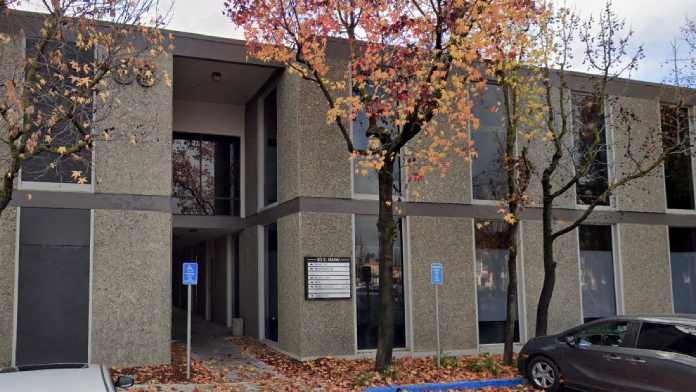
300 W Main St
Medford, OR 97501