





























































































About Outside in
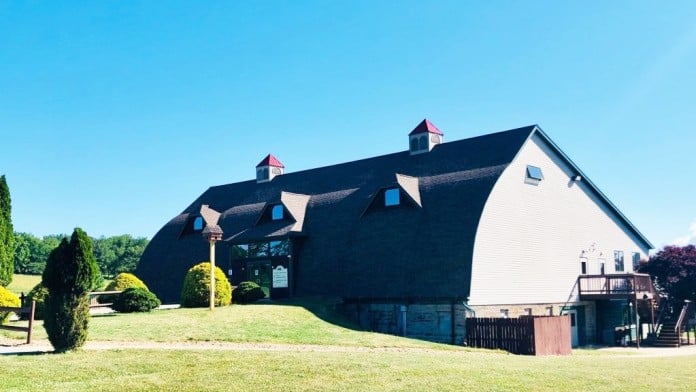
Outside In School of Experiential Education, Inc. is an accredited nonprofit organization providing residential and outpatient substance use disorder (SUD) and mental health treatment services in Greensburg, Pennsylvania. They accept private health insurance and Medicaid. The programs also include in home services, a weekend program, and a juvenile justice residential treatment program.
Addiction Recovery for Adolescent Males in Greensburg, Pennsylvania
The Pathway to Recovery program here offers targeted treatment for males ages 13 to 18. Treatment takes place in their 48 bed residential facility and combines the Stages of Change model with evidence based practices such as motivational interviewing.
The Stages of Change model is a framework that describes how individuals change as they modify existing behaviors or adopt healthier behaviors. The model stresses that clients rarely follow a linear progression of change but rather cycle through stages many times before achieving the desired changes.
For visiting family members or clients who have completed their treatment program, there are lots of beautiful places to see nearby. The facility in Greensburg is three miles from Twin Lakes Park which features a beautiful lake. There are scenic walking trails, athletic facilities, and an activity center.
Juvenile Justice Sanctions Program
The school also offers a unique juvenile justice program for teen boys between 13 and 18. The program provides an alternative to placement, and clients must meet certain eligibility requirements of the Juvenile Probation offices.
This is a weekend program that combines skills development, experiential activities, and community service to reduce placement and recidivism of these young men. The program helps teens to change their attitudes and self image by learning conflict resolution and better methods of communication.
The program has a strong family component with in home case management that supports the parents and keeps the kids engaged. The teens participate in competency based groups. The treatment model includes all parties concerned with the teen.
Outpatient Treatment Options for Youth in Greensburg
The facility also offers several intensive outpatient programs (IOP) based in locations throughout the county, making them accessible to all clients. The outpatient services include tailored programs for teen males and use evidence based and experiential therapies. Families are also integrated into the outpatient programs to strengthen the family relationship and provide support.
Facility Overview
 60
60 Latest Reviews



Rehab Score
 Our Methodology


Gallery
Accepted Insurance
Other Forms of Payment
Medicaid is a state based program that helps lower-income individuals and families pay for healthcare. Medicaid covers addiction treatment so those enrolled can use their coverage to pay for rehab. When a program accepts Medicaid the client often pays very little or nothing out of their own pocket.
Private insurance refers to any kind of healthcare coverage that isn't from the state or federal government. This includes individual and family plans offered by an employer or purchased from the Insurance Marketplace. Every plan will have different requirements and out of pocket costs so be sure to get the full details before you start treatment.
Self-pay involves paying for treatment out of your own pocket. You can use savings or credit, get a personal loan, or receive help from family and friends to fund your treatment. If you don't have insurance or your insurance plan doesn't cover a specific program, self-pay can help ensure you still get the care you need.
Financial aid can take many forms. Centers may have grants or scholarships available to clients who meet eligibility requirements. Programs that receive SAMHSA grants may have financial aid available for those who need treatment as well. Grants and scholarships can help you pai for treatment without having to repay.
Private insurance refers to any kind of healthcare coverage that isn't from the state or federal government. This includes individual and family plans offered by an employer or purchased from the Insurance Marketplace. Every plan will have different requirements and out of pocket costs so be sure to get the full details before you start treatment.
Addiction Treatments
Levels of Care
Outside In conducts evaluations with adolescents or adults to determine if treatment is necessary and what service would best meet the client’s needs. Outside In’s Substance Abuse Treatment Services can provide treatment on an Outpatient or Intensive Outpatient level of care. The Outpatient Program views addiction as a primary, chronic disease with genetic, psycho-social and environmental factors influencing development and manifestation. Their clinical work is guided in part by the Transtheoretical “stages of change” model based on research conducted by Prochaska and DeClemente. All individuals, despite diverse and complex backgrounds go through five distinct phases of change with predictable processes at each stage.
Intensive Outpatient Programs (IOP) are for those who want or need a very structured treatment program but who also wish to live at home and continue with certain responsibilities (such as work or school). IOP substance abuse treatment programs vary in duration and intensity, and certain outpatient rehab centers will offer individualized treatment programs.
An aftercare plan or Single Plan is developed for every student within 30 days of admission, updated quarterly and finalized as discharge nears. Aftercare services are identified and coordinated with referring agents and parents/guardians. They prepare their students for the transition back to home, school and community by increasing family involvement in case planning and through therapeutic home passes. They facilitate school re-enrollment or coordinate GED and vocational classes.
Inpatient rehab provides clients with an opportunity to focus solely on their sobriety away from the stressors of the home and workplace. Clients receive housing, food, and intensive clinical supervision. They also typically engage in multiple addiction counseling sessions each week, including daily individual, group, and/or family sessions. Most programs also prioritize recovery-focused life skills training, including courses in relapse prevention. Many facilities offer evidence-based holistic therapies, such as yoga and meditation.
Treatments
The goal of treatment for alcoholism is abstinence. Those with poor social support, poor motivation, or psychiatric disorders tend to relapse within a few years of treatment. For these people, success is measured by longer periods of abstinence, reduced use of alcohol, better health, and improved social functioning. Recovery and Maintenance are usually based on 12 step programs and AA meetings.
Drug rehab in Pennsylvania is devoted to the treatment of addiction. Levels of care, treatment methods, and settings differ, but the aim of each program is to end drug dependency and empower participants to achieve long-term recovery.
Many of those suffering from addiction also suffer from mental or emotional illnesses like schizophrenia, bipolar disorder, depression, or anxiety disorders. Services are competent for co-occurring disorders and the level of care is determined based on the ASAM Adolescent Patient Placement Criteria.
Opioid rehabs specialize in supporting those recovering from opioid addiction. They treat those suffering from addiction to illegal opioids like heroin, as well as prescription drugs like oxycodone. These centers typically combine both physical as well as mental and emotional support to help stop addiction. Physical support often includes medical detox and subsequent medical support (including medication), and mental support includes in-depth therapy to address the underlying causes of addiction.
Substance rehabs focus on helping individuals recover from substance abuse, including alcohol and drug addiction (both illegal and prescription drugs). They often include the opportunity to engage in both individual as well as group therapy.
Programs
Adult rehab programs include therapies tailored to each client's specific needs, goals, and recovery progress. They are tailored to the specific challenges adult clients may face, including family and work pressures and commitments. From inpatient and residential treatment to various levels of outpatient services, there are many options available. Some facilities also help adults work through co-occurring conditions, like anxiety, that can accompany addiction.
Young adulthood can be an exciting, yet difficult, time of transition. Individuals in their late teens to mid-20s face unique stressors related to school, jobs, families, and social circles, which can lead to a rise in substance use. Rehab centers with dedicated young adult programs will include activities and amenities that cater to this age group, with an emphasis on specialized counseling, peer socialization, and ongoing aftercare.
Teen programs are designed to address the unique pressures teens face, pressures that can drive them to experiment with dangerous, addictive substances. They need programs that meet them exactly where they are and give them tools for long-term recovery. Therapy can help teenagers understand and work through underlying issues so they can reclaim the life ahead of them.
Clinical Services
Multidimensional Family Therapy (MDFT) is an innovative and evidence-based family-driven drug abuse recovery program for adolescents and their families. MDFT is recognized as one of the most promising interventions for substance abuse, working with families in their home, school and community. MDFT looks at all of the components in a teen’s life to promote positive, long term change. Outside In began MDFT in March 2009. The clinical staff of Outside In has found that the operating principles of MDFT relate well to the work that has been taking place in their agency for years. MDFT is effective in helping youth ages 11-21 with substance abuse. Families who are experiencing some type of family or parent/child issue should consider participation in the service.
Group therapy is any therapeutic work that happens in a group (not one-on-one). Adolescent group sessions provide valuable peer-to-peer dialogue and feedback that stimulates fresh perspectives regarding recovery. Groups are formed as needed and may be held in client-friendly locations throughout the county.
Individual sessions may be combined with family sessions and group sessions to enhance progress. Face-to-face time is coupled with telephone and teleconferencing techniques in a manner similar to many of SAMHSA’s model programs. This allows for frequent, responsive and timely treatment opportunities in a client-friendly and cost-efficient delivery system. Client satisfaction and outcomes information is gathered during treatment and post-discharge.
Life skills trainings involve all the skills a person must have in order to function successfully in the world. These include time management, career guidance, money management, and effective communication. Truly successful addiction recovery is based on the ability to not only live substance-free, but to thrive. Life skills teaches the practical necessities of functioning in society, which sets clients up for success in life, and therefore sobriety.
Motivational Interviewing (MI) is a clinical approach to helping people with substance abuse issues and other conditions shift behavior in positive ways. It is more goal-oriented than traditional psychotherapy, as MI counselors directly attempt to get clients to consider making behavioral change (rather than wait for them to come to conclusions themselves). Its primary purpose is to resolve ambivalence and help clients become able to make healthy choices freely.
Amenities
-
 Residential Setting
 -
 Private Setting
 -
 Hiking
 -
 Gym
Gym -
 Recreation Room
Accreditations

The Commission on Accreditation of Rehabilitation Facilities (CARF) is a non-profit organization that specifically accredits rehab organizations. Founded in 1966, CARF's, mission is to help service providers like rehab facilities maintain high standards of care.
CARF Accreditation: Yes
Rehab.com regularly reviews this listing for accuracy but changes may occur between updates. For the most up-to-date information, please contact Outside in.
Contact Information


580 Feightner Road
Greensburg, PA 15601
Sponsored Helpline


