






























































































This facility failed at the most basic level of care. Instead of support, I experienced poor communication, disrespect, and an environment that made an already difficult situation worse. Staff were dismissive, and the overall atmosphere felt more harmful than healing. A reha ...
About Pace Recovery Center
Substance use disorders with co-occurring mental health conditions are called dual diagnoses. Treatment must occur simultaneously to increase the potential for success. They extend their treatment continuum to specialize in drug and alcohol recovery and include co-occurring and non-substance-related mental health and behavioral health disorders.
They offer treatment plans for young adults, working collaboratively with referring healthcare providers. The trained clinical staff creates personalized behavioral health plans that emphasize continuity of care.
Common mental health conditions they cover with young adult men include depression, anxiety disorders, grief and loss, drug addiction, alcoholism, marijuana abuse, and marijuana-induced psychosis. The program is CARF-accredited and licensed by the California Department of Healthcare Services.
The program uses proven, evidence-based clinical practices and is staffed by doctoral and master’s level therapists as well as certified drug and alcohol counselors. You may receive trauma-informed treatment in individual or group therapy settings, which include cognitive behavioral therapy, narrative therapy, eye movement desensitization and reprocessing, and attachment-based therapy.
They report a high number of co-occurring conditions including attention deficit hyperactivity disorder, obsessive compulsive disorder (OCD), bipolar disorder and borderline personality disorder.
Latest Reviews
Pace had a huge impact on my life and my recovery. I recently celebrated five years sober, and that journey started at Pace. What stood out most to me was how much the staff genuinely cared about me as a person, not just as someone going through treatment. The relationships I built there and the things I learned about myself have stayed with me long after leaving California. I’m incredibly grateful for my experience at Pace and for the people who were part of such an important chapter of my life. I highly recommend Pace to anyone who is struggling and looking for a new beginning.
PACE had a massive impact on my life. Lenny, Jordan, Drew, and Bryan were a big and essential part of that. They gave me a lot more than just support while I was there. They became mentors to me and helped shape the way I look at life, recovery, and myself.
They held me accountable when I needed it, had real conversations with me, and genuinely cared about where my life was going. A lot of the growth I’ve had started with the people and relationships I built at PACE.
I’ll always be grateful for them and for the role PACE played in my life.
My brother went through PACE and my whole family is grateful. This was not our first rehab experience sadly so we had something to compare it too. We toured the program & were impressed across the board. The clinical staff treated us with empathy and totally understood my brother. The facilities were great, right near the beach. As a nurse, it was important for me that he was safe and PACE provided that. I got to speak with PACE nursing staff which was comforting. My brother appreciated the activities & I can tell he’s made some life long relationships. This has been a long journey for us as a family, but I’ve started to get my brother back which makes me happy! Thanks to PACE & the whole team. Impressive program

Rehab Score
 Our Methodology
Scoring is assigned by a proprietary system which helps surface key metrics that determine quality. The 10-point scale factors in categories such as operations, customer satisfaction, and trust metrics. Read Full Methodology

7.9 / 10
Gallery





Other Forms of Payment
Private insurance refers to any kind of healthcare coverage that isn't from the state or federal government. This includes individual and family plans offered by an employer or purchased from the Insurance Marketplace. Every plan will have different requirements and out of pocket costs so be sure to get the full details before you start treatment.
Self-pay involves paying for treatment out of your own pocket. You can use savings or credit, get a personal loan, or receive help from family and friends to fund your treatment. If you don't have insurance or your insurance plan doesn't cover a specific program, self-pay can help ensure you still get the care you need.
Medicaid is a state based program that helps lower-income individuals and families pay for healthcare. Medicaid covers addiction treatment so those enrolled can use their coverage to pay for rehab. When a program accepts Medicaid the client often pays very little or nothing out of their own pocket.
Military members, veterans, and eligible dependents have access to specific insurance programs that help them get the care they need. TRICARE and VA insurance can help you access low cost or no cost addiction and mental health treatment. Programs that accept military insurance often have targeted treatment focused on the unique challenges military members, veterans, and their families face.
Addiction Treatments
Levels of Care
Residential treatment programs are those that offer housing and meals in addition to substance abuse treatment. Rehab facilities that offer residential treatment allow patients to focus solely on recovery, in an environment totally separate from their lives. Some rehab centers specialize in short-term residential treatment (a few days to a week or two), while others solely provide treatment on a long-term basis (several weeks to months). Some offer both, and tailor treatment to the patient's individual requirements.
Intensive outpatient programs (IOP) support a client's sustained sobriety as they exit detox or step down from an inpatient program. IOPs are also designed for clients who are at an elevated risk of relapse. Intensive outpatient treatment typically requires clients to engage in a minimum of nine hours of therapy per week, but clients may receive up to 20 therapeutic hours weekly. IOP treatment modalities often combine psychotherapy, recovery-focused life skills training, and medication assisted treatment (MAT).
12-step programs are addiction recovery models based on Alcoholics Anonymous (AA). A number of substance abuse programs (including some drug and alcohol rehab centers) use the 12 steps as a basis for treatment. Beginning steps involve admitting powerlessness over the addiction and creating a spiritual basis for recovery. Middle steps including making direct amends to those who've been hurt by the addiction, and the final step is to assist others in addiction recovery in the same way. 12-Step offshoots including Narcotics Anonymous (NA), Cocaine Anonymous (CA), Dual Recovery Anonymous (DRA), Sex and Love Addicts Anonymous (SLAA) and Gamblers Anonymous (GA).
Sober living homes in California offers an intermediate sober environment that has less structure than inpatient rehab but more than typical home environments. This makes it a good option for those who have concerns about transitioning back to the "real world" after treatment. Residents can typically live at the halfway house as long as they want, if they are willing to follow house rules. These may include a curfew, chores, and maintaining a job.
Commonly known as "day treatment," a partial hospitalization program (PHP) is an intensive form of outpatient treatment where clients meet during the day and return home in the evening. PHP treatment doesn't require 24-hour care and often serves as an alternative to inpatient hospitalization or a step-down after a residential program. With PHP treatment, you can receive daily support for 6 to 8 hours which includes evidence-based therapies and medication management. The cost of PHP treatment typically varies but averages 90 days.
During the first phase of recovery – detox – it is crucial to have 24-hour clinical care in California. This care provides constant monitoring in order to ensure your safely and comfort as you progress through the withdrawal process for drug or alcohol addiction. Licensed professionals prescribe medications to treat withdrawal symptoms and provide frequent monitoring to ensure your safely as addictive toxins leave your system.
Treatments
The goal of treatment for alcoholism is abstinence. Those with poor social support, poor motivation, or psychiatric disorders tend to relapse within a few years of treatment. For these people, success is measured by longer periods of abstinence, reduced use of alcohol, better health, and improved social functioning. Recovery and Maintenance are usually based on 12 step programs and AA meetings.
Drug rehab in California teaches participants constructive ways to stay clean and sober. Treatment revolves around helping individuals stop using the substance they are addicted to and learn healthy habits to avoid relapse.
Many of those suffering from addiction also suffer from mental or emotional illnesses like schizophrenia, bipolar disorder, depression, or anxiety disorders. Rehab and other substance abuse facilities treating those with a dual diagnosis or co-occurring disorder administer psychiatric treatment to address the person's mental health issue in addition to drug and alcohol rehabilitation.
A combined mental health and substance abuse rehab has the staff and resources available to handle individuals with both mental health and substance abuse issues. It can be challenging to determine where a specific symptom stems from (a mental health issue or an issue related to substance abuse), so mental health and substance abuse professionals are helpful in detangling symptoms and keeping treatment on track.
Programs
Adult rehab programs include therapies tailored to each client's specific needs, goals, and recovery progress. They are tailored to the specific challenges adult clients may face, including family and work pressures and commitments. From inpatient and residential treatment to various levels of outpatient services, there are many options available. Some facilities also help adults work through co-occurring conditions, like anxiety, that can accompany addiction.
Young adulthood can be an exciting, yet difficult, time of transition. Individuals in their late teens to mid-20s face unique stressors related to school, jobs, families, and social circles, which can lead to a rise in substance use. Rehab centers with dedicated young adult programs will include activities and amenities that cater to this age group, with an emphasis on specialized counseling, peer socialization, and ongoing aftercare.
Clinical Services
Research clearly demonstrates that recovery is far more successful and sustainable when loved ones like family members participate in rehab and substance abuse treatment. Genetic factors may be at play when it comes to drug and alcohol addiction, as well as mental health issues. Family dynamics often play a critical role in addiction triggers, and if properly educated, family members can be a strong source of support when it comes to rehabilitation.
Group therapy is any therapeutic work that happens in a group (not one-on-one). There are a number of different group therapy modalities, including support groups, experiential therapy, psycho-education, and more. Group therapy involves treatment as well as processing interaction between group members.
Motivational Interviewing (MI) is a clinical approach to helping people with substance abuse issues and other conditions shift behavior in positive ways. It is more goal-oriented than traditional psychotherapy, as MI counselors directly attempt to get clients to consider making behavioral change (rather than wait for them to come to conclusions themselves). Its primary purpose is to resolve ambivalence and help clients become able to make healthy choices freely.
Trauma therapy addresses traumatic incidents from a client's past that are likely affecting their present-day experience. Trauma is often one of the primary triggers and potential causes of addiction, and can stem from child sexual abuse, domestic violence, having a parent with a mental illness, losing one or both parents at a young age, teenage or adult sexual assault, or any number of other factors. The purpose of trauma therapy is to allow a patient to process trauma and move through and past it, with the help of trained and compassionate mental health professionals.
Amenities
-
 Residential Setting
 -
 Private Rooms
Staff & Accreditations
Staff
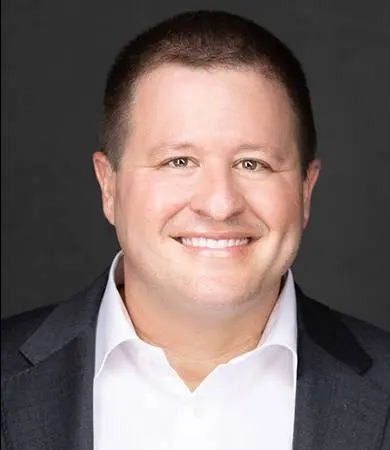
Lenny Segal, LMSW, MBA
Founder
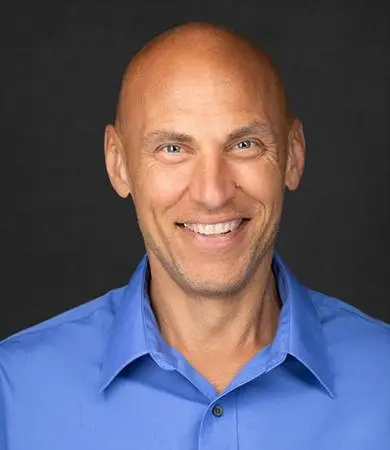
Andrew Schneider, PhD
Medical Director
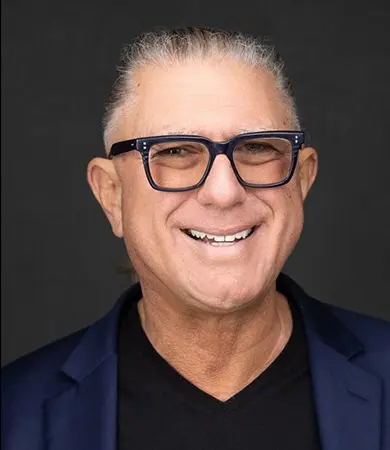
Shahan Suzmeyan
Chief Strategy Officer
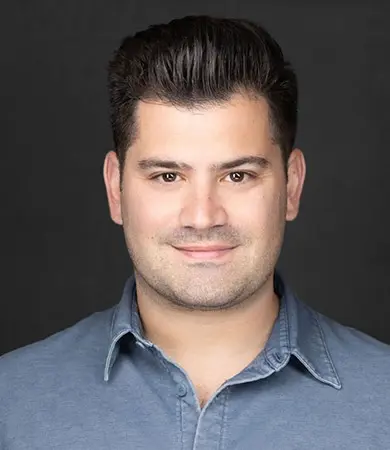
Jordan Spektor, MBA
Chief Development Officer

Will Sanchez, LMFT, SEP
Clinical Director

Jessica Connor, LCSW
Associate Clinical Director
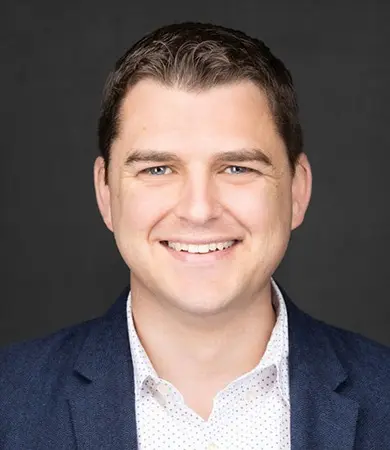
Brett Furst, PhD, PsyD. LMFT
Director of Specialty Services
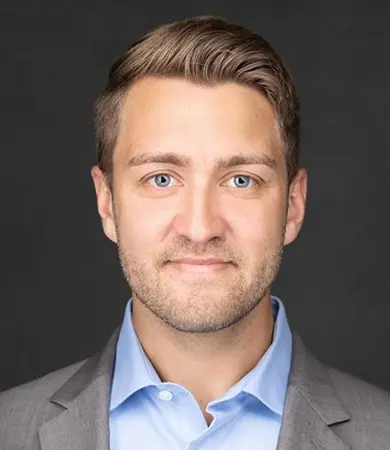
Bryan Johnson, AMFT, CADC-I
Director of Operations
Accreditations

The Substance Abuse and Mental Health Services Administration (SAMHSA) is a branch of the U.S. Department of Health and Human Services. Established in 1992 by congress, SAMHSA's mission is to reduce the impact of substance abuse and mental illness on American's communities.
SAMHSA Listed: Yes

State Licenses are permits issued by government agencies that allow rehab organizations to conduct business legally within a certain geographical area. Typically, the kind of program a rehab facility offers, along with its physical location, determines which licenses are required to operate legally.
State License: California
License Number: 300244AP
Rehab.com regularly reviews this listing for accuracy but changes may occur between updates. For the most up-to-date information, please contact Pace Recovery Center.
Contact Information

20051 SW Birch Street
Newport Beach, CA 92660
Get Help Now - 714-450-6763
Sponsored Helpline
Sponsored Helpline


