































































































The medical staff were the only ones who were friendly with me, their work was very efficient, however the administrative staff treated me in a horrible way, they need to train their staff in customer service, should have more compassion to deal with people who suffer, they ...
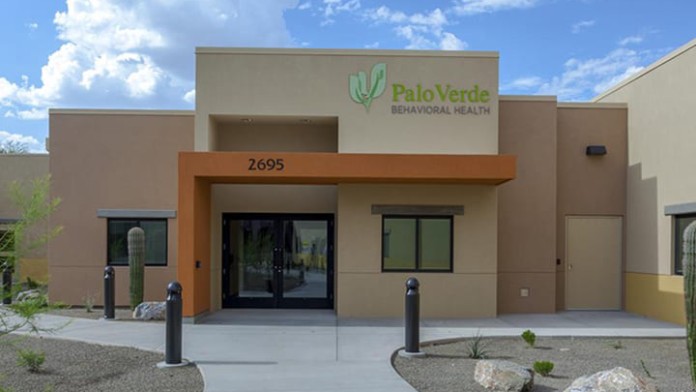
About Palo Verde Behavioral Health
The program is affirming for patients of any gender or sexual orientation and welcomes LGBTQI patients. They’re also culturally sensitive. They have trauma informed services for first responders, veterans and active duty military.
Most insurance plans are accepted at the center. They also take government funded insurance such as Medicaid, Medicare and TRICARE.
The center offers adolescent inpatient services that deal mostly with behavioral and mental health issues. They have crisis stabilization and anger management and also deal with abuse issues. The kids are involved in group and individual therapy.
For adults, there’s an inpatient detox program to start your substance use treatment. You’ll first have a physical exam, and they’ll assess the level of your chemical dependency. Once you’re detoxed and stabilized, you’ll begin therapy for your substance use and any co-occurring mental health disorders. Some common co-occurring disorders include anxiety, depression, bipolar disorder and schizophrenia.
There’s also a partial hospitalization program (PHP). This is an intensive program to help manage increased symptoms that negatively impact your daily life but don’t require the 24 hour monitoring of an inpatient program. You’ll have comprehensive services with a psychiatric program.
The intensive outpatient program (IOP) is less restrictive than the PHP but helps if you’re unable to handle your illness on your own. The IOP has group therapy services.
Facility Overview
 50
50 Number of Available Beds
 $2150
$2150 Avg Cost per Day
Latest Reviews
My family member benefitted greatly from her treatment at Palo Verde. She is a different person now. Thank you to the Palo Verde treatment team and staff.
Response from the owner1 day ago
We are so glad to hear this! Thank you for taking the time to share your feedback with us. We hope you are doing well. Take care!
What can I say? No one wants to ever be in the psych ward. But stuff happens. Often. I cannot thank every tech, nurse, or doctor enough for showing me there is a light at the end, and you deserve to give light to yourself. Sandra, Corey, both Kristins (Kristens?), and Jen were phenomenal. I'm bad at names but everyone else was also wonderful! If I didn't mention you but you helped me in any way, just know... You and your colleagues saved me. Thank you for taking me back to the right direction; after IOP, I hope to never be back
;-)
Response from the owner1 day ago
Thank you for sharing these thoughtful words about our team and the support you received. We appreciate your recognition of our staff and are glad that their care made a meaningful difference for you.
I had an very good experience at Palo Verde Outpatient
Response from the owner1 day ago
We are so glad to hear this! Thank you for taking the time to share your feedback with us. We hope you are doing well. Take care! 
Rehab Score
 Our Methodology
Scoring is assigned by a proprietary system which helps surface key metrics that determine quality. The 10-point scale factors in categories such as operations, customer satisfaction, and trust metrics. Read Full Methodology

7.4 / 10
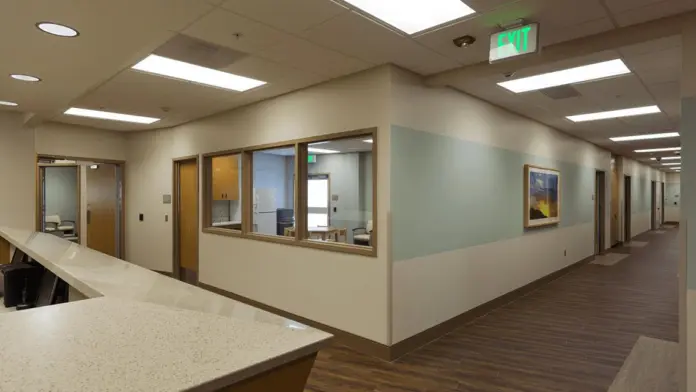
Gallery

Accepted Insurance
Other Forms of Payment
Private insurance refers to any kind of healthcare coverage that isn't from the state or federal government. This includes individual and family plans offered by an employer or purchased from the Insurance Marketplace. Every plan will have different requirements and out of pocket costs so be sure to get the full details before you start treatment.
Self-pay involves paying for treatment out of your own pocket. You can use savings or credit, get a personal loan, or receive help from family and friends to fund your treatment. If you don't have insurance or your insurance plan doesn't cover a specific program, self-pay can help ensure you still get the care you need.
Financial aid can take many forms. Centers may have grants or scholarships available to clients who meet eligibility requirements. Programs that receive SAMHSA grants may have financial aid available for those who need treatment as well. Grants and scholarships can help you pai for treatment without having to repay.
Medicare is a federal program that provides health insurance for those 65 and older. It also serves people under 65 with chronic and disabling health challenges. To use Medicare for addiction treatment you need to find a program that accepts Medicare and is in network with your plan. Out of pocket costs and preauthorization requirements vary, so always check with your provider.
Medicaid is a state based program that helps lower-income individuals and families pay for healthcare. Medicaid covers addiction treatment so those enrolled can use their coverage to pay for rehab. When a program accepts Medicaid the client often pays very little or nothing out of their own pocket.
Military members, veterans, and eligible dependents have access to specific insurance programs that help them get the care they need. TRICARE and VA insurance can help you access low cost or no cost addiction and mental health treatment. Programs that accept military insurance often have targeted treatment focused on the unique challenges military members, veterans, and their families face.
Addiction Treatments
Levels of Care
Outpatient Programs (OP) are for those seeking mental rehab or drug rehab, but who also stay at home every night. The main difference between outpatient treatment (OP) and intensive outpatient treatment (IOP) lies in the amount of hours the patient spends at the facility. Most of the time an outpatient program is designed for someone who has completed an inpatient stay and is looking to continue their growth in recovery. Outpatient is not meant to be the starting point, it is commonly referred to as aftercare.
Residential treatment programs are those that offer housing and meals in addition to substance abuse treatment. Rehab facilities that offer residential treatment allow patients to focus solely on recovery, in an environment totally separate from their lives. Some rehab centers specialize in short-term residential treatment (a few days to a week or two), while others solely provide treatment on a long-term basis (several weeks to months). Some offer both, and tailor treatment to the patient's individual requirements.
Intensive inpatient programs (IOP) offer high-level support for clients in early recovery, those exiting detox or inpatient rehabs, and those at an elevated risk of relapse. Intensive outpatient treatment typically includes rigorous individual, group, and family counseling. Evidence-based complementary therapies, such as acupuncture and massage, are widely available. Medication assisted treatment (MAT) may be provided. Clients in IOP receive a minimum of nine hours of treatment per week but may engage in up to 20 treatment hours weekly.
Rehab aftercare programs support clients' successful reintegration into their home, workplace, and community. Drug rehab aftercare presumes that recovery requires life-long support. These programs typically offer a wide variety of services customized for the clients' unique and evolving needs. Clients may receive vocational training and career counseling, housing assistance, legal aid, peer coaching, and 12 step program induction, among other services. Clients' case managers often play a lead role in rehab aftercare planning.
Many addiction recovery centers base their treatment modalities on the 12 step program model, and those in treatment often transition to community-based programs. These programs can also be effective for clients who choose not to enter rehab. Traditionally, 12 step meetings are designed to provide intensive peer support whenever it is needed. In addition to group meetings and peer sponsorship, participants "work the steps" to achieve recovery through a systematic healing of the mind, body, and spirit.
A partial hospitalization program (PHP) offers a short-term alternative to inpatient treatment or a step-down option after a residential program. With PHP treatment, you'll receive 6 to 8 hours of daily support, up to 5 days a week. The duration of a partial hospitalization program can vary with the average length being 90 days. While commuting is necessary, some programs also offer telehealth options. PHP treatment is often covered by insurance and typically offers medication management, relapse prevention techniques, and behavioral therapy.
The initial phase of recovery treatment typically includes 24-hour clinical care in Arizona. This constant supervision ensures a safe detox process, which helps the individual physically stabilize from substance use. Patients will receive medications to curb withdrawal symptoms and cravings, as well as other necessary medical treatment. This period typically lasts up to a week, then the individual will receive medical clearance to begin inpatient or outpatient rehab.
The safest way to remove addictive substances from your body is done under the care of licensed medical professionals. Known as medically assisted detox, this level of care is typically in an inpatient setting with a team of medical experts that may include doctors, nurses, and mental health clinicians. Medications like Suboxone, methadone, or Vivitrol may be administered to help alleviate withdrawal symptoms.
Treatments
Many of those suffering from addiction also suffer from mental or emotional illnesses like schizophrenia, bipolar disorder, depression, or anxiety disorders. Rehab and other substance abuse facilities treating those with a dual diagnosis or co-occurring disorder administer psychiatric treatment to address the person's mental health issue in addition to drug and alcohol rehabilitation.
Mental health rehabs focus on helping individuals recover from mental illnesses like bipolar disorder, clinical depression, anxiety disorders, schizophrenia, and more. Mental health professionals at these facilities are trained to understand and treat mental health issues, both in individual and group settings.
Alcohol use disorder (AUD), also referred to as alcoholism and alcohol addiction, is a chronic condition that involves craving alcohol and an inability to control drinking. A person with AUD must drink greater and greater amounts of alcohol to achieve the same effects and experiences withdrawal symptoms if they stop drinking alcohol. Several evidence-based methods are available to treat AUD through alcohol rehab in Arizona. This treatment can occur on an outpatient or inpatient basis.
Drug rehab in Arizona is the process of treating individuals who are dependent on a particular addictive drug. Because addiction is complex, this treatment typically includes a variety of interventions that address the many physical and emotional issues involved.
 Opioid Addiction
Arizona's substance abuse treatment centers can provide tailored treatment for individuals with substance use disorders and mental health conditions. Treatment programs may include medically assisted detox, 12-Step recovery, intensive outpatient programs, and aftercare support. Addiction experts employ evidence-based therapies like cognitive behavioral therapy (CBT), dialectical behavioral therapy (DBT), and talk therapy to uncover and reframe unhelpful patterns. By graduation, you'll have developed new coping strategies, learned new stress management techniques, and have the capability of sustaining your recovery.
Programs
Adult rehab programs include therapies tailored to each client's specific needs, goals, and recovery progress. They are tailored to the specific challenges adult clients may face, including family and work pressures and commitments. From inpatient and residential treatment to various levels of outpatient services, there are many options available. Some facilities also help adults work through co-occurring conditions, like anxiety, that can accompany addiction.
Young adulthood can be an exciting, yet difficult, time of transition. Individuals in their late teens to mid-20s face unique stressors related to school, jobs, families, and social circles, which can lead to a rise in substance use. Rehab centers with dedicated young adult programs will include activities and amenities that cater to this age group, with an emphasis on specialized counseling, peer socialization, and ongoing aftercare.
Recovery is most successful when clients feel accepted and validated by their peers and treatment providers. Facilities that offer LGBTQ-inclusive programming are committed to creating a safe space where everyone can grow and recover without fear of judgment or discrimination. They will have dedicated policies in place to create a safe and supportive environment that fosters free expression.
Serving in the military is both mentally and physically challenging, and can result in trauma that persists even after combat ends. Military programs are tailored to the specific and often complex needs of active duty personnel, veterans, and military families. Clients often access these programs through the U.S. Department of Veterans Affairs (VA).
Teen programs are designed to address the unique pressures teens face, pressures that can drive them to experiment with dangerous, addictive substances. They need programs that meet them exactly where they are and give them tools for long-term recovery. Therapy can help teenagers understand and work through underlying issues so they can reclaim the life ahead of them.
Clinical Services
Cognitive Behavioral Therapy (CBT) is a therapy modality that focuses on the relationship between one's thoughts, feelings, and behaviors. It is used to establish and allow for healthy responses to thoughts and feelings (instead of unhealthy responses, like using drugs or alcohol). CBT has been proven effective for recovering addicts of all kinds, and is used to strengthen a patient's own self-awareness and ability to self-regulate. CBT allows individuals to monitor their own emotional state, become more adept at communicating with others, and manage stress without needing to engage in substance abuse.
Dialectical Behavior Therapy (DBT) is a modified form of Cognitive Behavioral Therapy (CBT), a treatment designed to help people understand and ultimately affect the relationship between their thoughts, feelings, and behaviors. DBT is often used for individuals who struggle with self-harm behaviors, such as self-mutilation (cutting) and suicidal thoughts, urges, or attempts. It has been proven clinically effective for those who struggle with out-of-control emotions and mental health illnesses like Borderline Personality Disorder.
Group therapy is any therapeutic work that happens in a group (not one-on-one). There are a number of different group therapy modalities, including support groups, experiential therapy, psycho-education, and more. Group therapy involves treatment as well as processing interaction between group members.
In individual therapy, a patient meets one-on-one with a trained psychologist or counselor. Therapy is a pivotal part of effective substance abuse treatment, as it often covers root causes of addiction, including challenges faced by the patient in their social, family, and work/school life.
The goal of motivational interviewing in Arizona is to enhance your confidence in your ability to make changes in your life. It encourages you to commit to change and plan for the process of making those changes that will allow you to reach your goals.
Trauma therapy addresses traumatic incidents from a client's past that are likely affecting their present-day experience. Trauma is often one of the primary triggers and potential causes of addiction, and can stem from child sexual abuse, domestic violence, having a parent with a mental illness, losing one or both parents at a young age, teenage or adult sexual assault, or any number of other factors. The purpose of trauma therapy is to allow a patient to process trauma and move through and past it, with the help of trained and compassionate mental health professionals.
Research clearly demonstrates that recovery is far more successful and sustainable when loved ones like family members participate in rehab and substance abuse treatment. Genetic factors may be at play when it comes to drug and alcohol addiction, as well as mental health issues. Family dynamics often play a critical role in addiction triggers, and if properly educated, family members can be a strong source of support when it comes to rehabilitation.
Developing life skills is an important piece of addiction recovery treatment. These skills help you succeed in day to day tasks and live a healthy, independent life. They include communication, critical thinking, problem solving, self control, and resilience.
Experiential therapy is a form of therapy in which clients are encouraged to surface and work through subconscious issues by engaging in real-time experiences. Experiential therapy departs from traditional talk therapy by involving the body, and having clients engage in activities, movements, and physical and emotional expression. This can involve role-play or using props (which can include other people). Experiential therapy can help people process trauma, memories, and emotion quickly, deeply, and in a lasting fashion, leading to substantial and impactful healing.
Staff & Accreditations
Staff
William Holt
Chief Executive Officer
Taiwan Savage
Chief Operating Officer
Amy Morris-Ehlo, MS, LPC
Director of Clinical Services
Debra (KC) Currin
Director of Plant Operations
Heather Morgenstern, MHA
Director of Performance Improvement and Risk Management
Anna Perreira
Chief Financial Officer
Bernice Whittaker, MSN-RN
Chief Nursing Officer
Mark Pargas
Director of Human Resources
Katie Studenski
Director of the Business Office
John Boyer
Director of Pharmacy
Trisha Solano
Manager of Health Information Management
Tom Cleereman, LCSW
Director of Outpatient Services
Sam Jaeckels, LMSW
Director of Utilization Management
Rosa Elias
Credentialing/Medical Staff
Accreditations

The Joint Commission, formerly known as JCAHO, is a nonprofit organization that accredits rehab organizations and programs. Founded in 1951, the Joint Commision's mission is to improve the quality of patient care and demonstrating the quality of patient care.
Joint Commission Accreditation: Yes
Rehab.com regularly reviews this listing for accuracy but changes may occur between updates. For the most up-to-date information, please contact Palo Verde Behavioral Health.
Contact Information

2695 North Craycroft Road
Tucson AZ, 85712
Get Help Now - 520-428-0475
Sponsored Helpline
Sponsored Helpline



