





























































































About Roots Counseling Services – Milwaukee Drug and Alcohol Rehab
Roots Recovery focuses on leading outpatient addiction treatment using nutrition and exercise as well as getting to the root cause of your addiction. You’ll begin the 12 Steps to help you progress in your journey.
They also offer sober living housing and alumni houses. If you want to stay closely connected to the sober community and want some structure after treatment, these options are great.
What I really like about Roots Recovery is that their admissions specialists talk to your insurance provider on your behalf. They work hard to make the whole process stress free. They’ll talk to your provider and give you a simple summary of what your policy covers. They won’t hide anything in fine print so that you have no unexpected costs or gaps in your coverage.
Facility Overview
 $30
$30 Latest Reviews



Rehab Score
 Our Methodology


Gallery
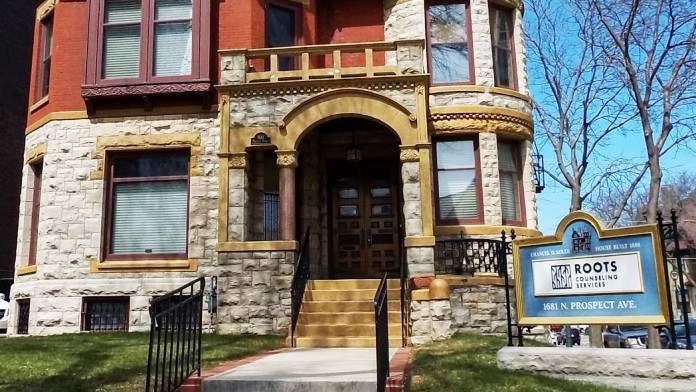
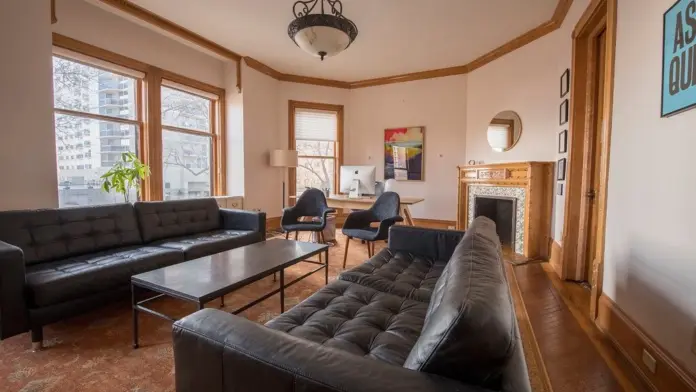
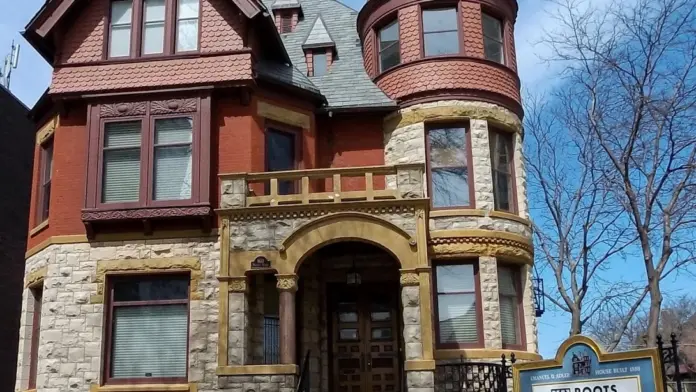
Other Forms of Payment
Private insurance refers to any kind of healthcare coverage that isn't from the state or federal government. This includes individual and family plans offered by an employer or purchased from the Insurance Marketplace. Every plan will have different requirements and out of pocket costs so be sure to get the full details before you start treatment.
Self-pay involves paying for treatment out of your own pocket. You can use savings or credit, get a personal loan, or receive help from family and friends to fund your treatment. If you don't have insurance or your insurance plan doesn't cover a specific program, self-pay can help ensure you still get the care you need.
Sliding scale payments are based on a client's income and family size. The goal is to make treatment affordable to everyone. By taking these factors into account, addiction recovery care providers help ensure that your treatment does not become a financial burden to you or your family, eliminating one barrier to care.
Addiction Treatments
Levels of Care
Day Treatment is the first phase of treatment at Roots Counseling Services. Day Treatment acts as a bridge between inpatient treatment, other institutions, incarceration, or active substance use. This time allows clients to become familiar with the schedule at Roots Counseling Services while settling into their sober living home. During the first weeks of treatment clients attend morning and afternoon group therapy sessions every weekday in addition to individual therapy.
Intensive Outpatient is the second phase of treatment at Roots Counseling Services. This level of care is focused on self-examination and personal growth. Clients enrolled in Intensive Outpatient Therapy or IOP will participate in group therapy sessions four afternoons per week in addition to individual therapy. Clients may work part-time while attending IOP.
Rehab aftercare programs support clients' long-term recovery through highly customized wraparound care aligned with clients' evolving needs. Most have been sober for a period of weeks or longer and have completed intensive inpatient rehab but may be receiving outpatient care. Many clients also receive services after being discharged from formal treatment. Long-term care plans are typically developed in collaboration with the client's case manager and care team and may include peer coaching, relapse prevention, and related services.
12-step programs are addiction recovery models based on Alcoholics Anonymous (AA). A number of substance abuse programs (including some drug and alcohol rehab centers) use the 12 steps as a basis for treatment. Beginning steps involve admitting powerlessness over the addiction and creating a spiritual basis for recovery. Middle steps including making direct amends to those who've been hurt by the addiction, and the final step is to assist others in addiction recovery in the same way. 12-Step offshoots including Narcotics Anonymous (NA), Cocaine Anonymous (CA), Dual Recovery Anonymous (DRA), Sex and Love Addicts Anonymous (SLAA) and Gamblers Anonymous (GA).
Individuals staying in a sober living home in Wisconsin benefit from support and friendship with others in recovery. They're also encouraged to continue rehab through support groups and outpatient treatment. Halfway house residents further benefit from increased responsibility and mutual accountability that helps them practice recovery skills. Their time at a sober living home prepares them to transition back to regular life after treatment.
If you are planning a drug intervention in Wisconsin, many rehab facilities offer professional intervention services to assist you. Having the expert insight of a trained intervention specialist can improve your chances of success when helping you plan and facilitate the intervention. This third-party involvement can provide the impartiality necessary for a productive conversation and appropriate guidance for next steps.
Treatments
The goal of treatment for alcoholism is abstinence. Those with poor social support, poor motivation, or psychiatric disorders tend to relapse within a few years of treatment. For these people, success is measured by longer periods of abstinence, reduced use of alcohol, better health, and improved social functioning. Recovery and Maintenance are usually based on 12 step programs and AA meetings.
The goal of drug rehab in Wisconsin is to address drug addiction as a complex issue that involves physical, mental, and relational aspects. During rehab, treatment focuses on each of these areas and gives you the tools you need to achieve and maintain sobriety.
Many of those suffering from addiction also suffer from mental or emotional illnesses like schizophrenia, bipolar disorder, depression, or anxiety disorders. Rehab and other substance abuse facilities treating those with a dual diagnosis or co-occurring disorder administer psychiatric treatment to address the person's mental health issue in addition to drug and alcohol rehabilitation.
Opioid rehabs specialize in supporting those recovering from opioid addiction. They treat those suffering from addiction to illegal opioids like heroin, as well as prescription drugs like oxycodone. These centers typically combine both physical as well as mental and emotional support to help stop addiction. Physical support often includes medical detox and subsequent medical support (including medication), and mental support includes in-depth therapy to address the underlying causes of addiction.
Substance rehabs focus on helping individuals recover from substance abuse, including alcohol and drug addiction (both illegal and prescription drugs). They often include the opportunity to engage in both individual as well as group therapy.
Programs
Adult rehab programs include therapies tailored to each client's specific needs, goals, and recovery progress. They are tailored to the specific challenges adult clients may face, including family and work pressures and commitments. From inpatient and residential treatment to various levels of outpatient services, there are many options available. Some facilities also help adults work through co-occurring conditions, like anxiety, that can accompany addiction.
Young adulthood can be an exciting, yet difficult, time of transition. Individuals in their late teens to mid-20s face unique stressors related to school, jobs, families, and social circles, which can lead to a rise in substance use. Rehab centers with dedicated young adult programs will include activities and amenities that cater to this age group, with an emphasis on specialized counseling, peer socialization, and ongoing aftercare.
Recovery is most successful when clients feel accepted and validated by their peers and treatment providers. Facilities that offer LGBTQ-inclusive programming are committed to creating a safe space where everyone can grow and recover without fear of judgment or discrimination. They will have dedicated policies in place to create a safe and supportive environment that fosters free expression.
Clinical Services
Group therapy is any therapeutic work that happens in a group (not one-on-one). There are a number of different group therapy modalities, including support groups, experiential therapy, psycho-education, and more. Group therapy involves treatment as well as processing interaction between group members.
In individual therapy, a patient meets one-on-one with a trained psychologist or counselor. Therapy is a pivotal part of effective substance abuse treatment, as it often covers root causes of addiction, including challenges faced by the patient in their social, family, and work/school life.
Research clearly demonstrates that recovery is far more successful and sustainable when loved ones like family members participate in rehab and substance abuse treatment. Genetic factors may be at play when it comes to drug and alcohol addiction, as well as mental health issues. Family dynamics often play a critical role in addiction triggers, and if properly educated, family members can be a strong source of support when it comes to rehabilitation.
Life skills trainings involve all the skills a person must have in order to function successfully in the world. These include time management, career guidance, money management, and effective communication. Truly successful addiction recovery is based on the ability to not only live substance-free, but to thrive. Life skills teaches the practical necessities of functioning in society, which sets clients up for success in life, and therefore sobriety.
Proper nutrition is essential to addiction recovery. That's why nutrition therapy is often included in drug rehab in Wisconsin. This treatment will help you relearn good self care habits such as meal planning and maintaining a nutritious diet.
Creativity is inherently healing, and can help those in recovery express thoughts or feelings they might not otherwise be able to. Creative arts therapy can include music, poetry/writing, painting, sculpting, dance, theater, sandplay, and more. Unlike traditional art, the final product matters far less than the experience of creation and expression itself.
Experiential therapy is a form of therapy in which clients are encouraged to surface and work through subconscious issues by engaging in real-time experiences. Experiential therapy departs from traditional talk therapy by involving the body, and having clients engage in activities, movements, and physical and emotional expression. This can involve role-play or using props (which can include other people). Experiential therapy can help people process trauma, memories, and emotion quickly, deeply, and in a lasting fashion, leading to substantial and impactful healing.
Nicotine replacement therapy in Wisconsin eases withdrawal and cravings when you quit smoking. By making you more comfortable, these tools increase your chances of success. Examples include nicotine lozenges, patches, and gum.
Amenities
-
 Residential Setting
 -
 Private Rooms
Staff & Accreditations
Staff

Jeremy Jaeger
Executive Director
Trevor Nettles
COO
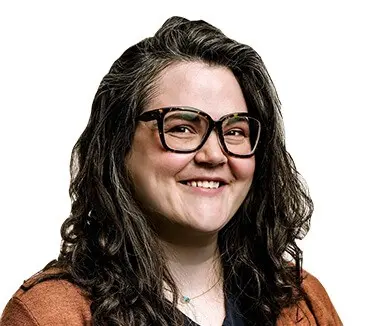
Ruby Jaeger
Chief Administrative Officer
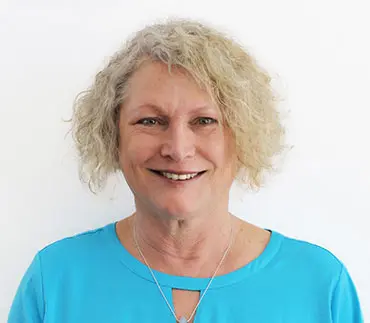
Julie Chicks, MD
Medical Director

Rachel Packee, ICS, LPC, SAC
Clinical Supervisor
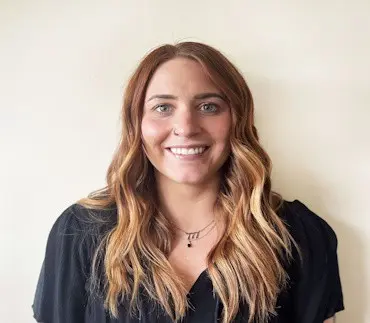
Sarah Fink, ATR-P, LPC-IT
Counselor

Cole Fulton, LPC, SAC
Head Clinician
Accreditations

The Commission on Accreditation of Rehabilitation Facilities (CARF) is a non-profit organization that specifically accredits rehab organizations. Founded in 1966, CARF's, mission is to help service providers like rehab facilities maintain high standards of care.
CARF Accreditation: Yes

LegitScript has reviewed Roots Counseling Services – Milwaukee Drug and Alcohol Rehab as part of their certification program, and has determined that it meets the LegitScript standards for legality, safety and transparency.
LegitScript verified in

The National Association of Addiction Treatment Providers (NAATP) is a professional association that represents organizations in the field of addiction services. Founded in 1978, NAATP's mission is to advance addiction services and ensure that high-quality addiction treatment is available and accessible.
NAATP Member: Yes
Rehab.com regularly reviews this listing for accuracy but changes may occur between updates. For the most up-to-date information, please contact Roots Counseling Services – Milwaukee Drug and Alcohol Rehab.
Contact Information


1681 North Prospect Avenue
Milwaukee, WI 53202
Sponsored Helpline


