











Symetria — Hurst Outpatient Rehab & Suboxone Clinic
1
Top 10 Rehab Centers In Hurst



















































































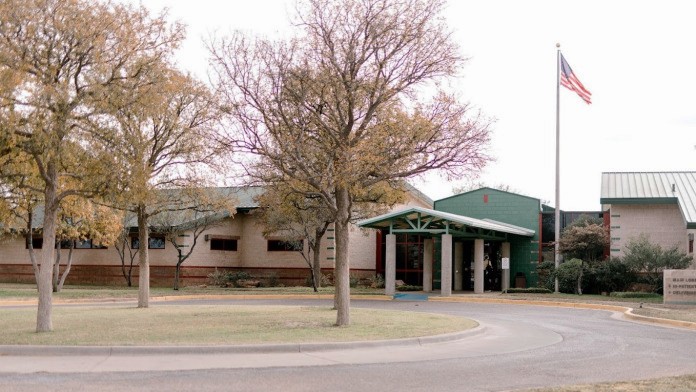
Sunrise Canyon Hospital is a 94 bed inpatient and outpatient psychiatric hospital operating as part of StarCare Specialty Health System.
The hospital provides emergency mental health screening, inpatient psychiatric care and outpatient services for children, adolescents and adults including treatment for substance use and mental health needs.
Sunrise Canyon delivers around the clock behavioral health care designed to help individuals stabilize and heal in a safe environment.
Sunrise Canyon Hospital’s core focus is inpatient psychiatric treatment for adolescents and adults with dedicated units including a 30 bed child and adolescent unit and a geriatric unit for adults over 55.
Services include assessment, diagnosis and treatment for a range of mental health conditions and substance use disorders.
The inpatient program helps patients stabilize in a supportive setting through psychiatric evaluation, medication management and counseling.
Emergency services are available around the clock and offer step up and step down care that meets each patient at their level of need.
The hospital provides 24/7 crisis intervention for individuals experiencing a mental health or substance abuse crisis and accessible in person or by hotline.
The center also offers the Minds in Motion school program, an accredited private school operated in partnership with Lubbock Independent School District and Texas Tech University College of Education.
The goal is to help students continue their education while receiving treatment.
Sunrise Canyon Hospital serves Lubbock and Lynn, Garza and Hockley, Terry and Yoakum counties with both inpatient and outpatient care at its Aspen Avenue location.

 Our Methodology


Medicaid is a state based program that helps lower-income individuals and families pay for healthcare. Medicaid covers addiction treatment so those enrolled can use their coverage to pay for rehab. When a program accepts Medicaid the client often pays very little or nothing out of their own pocket.
Private insurance refers to any kind of healthcare coverage that isn't from the state or federal government. This includes individual and family plans offered by an employer or purchased from the Insurance Marketplace. Every plan will have different requirements and out of pocket costs so be sure to get the full details before you start treatment.
Self-pay involves paying for treatment out of your own pocket. You can use savings or credit, get a personal loan, or receive help from family and friends to fund your treatment. If you don't have insurance or your insurance plan doesn't cover a specific program, self-pay can help ensure you still get the care you need.
Sliding scale payments are based on a client's income and family size. The goal is to make treatment affordable to everyone. By taking these factors into account, addiction recovery care providers help ensure that your treatment does not become a financial burden to you or your family, eliminating one barrier to care.
Medicare is a federal program that provides health insurance for those 65 and older. It also serves people under 65 with chronic and disabling health challenges. To use Medicare for addiction treatment you need to find a program that accepts Medicare and is in network with your plan. Out of pocket costs and preauthorization requirements vary, so always check with your provider.
Military members, veterans, and eligible dependents have access to specific insurance programs that help them get the care they need. TRICARE and VA insurance can help you access low cost or no cost addiction and mental health treatment. Programs that accept military insurance often have targeted treatment focused on the unique challenges military members, veterans, and their families face.
Outpatient Programs (OP) are for those seeking mental rehab or drug rehab, but who also stay at home every night. The main difference between outpatient treatment (OP) and intensive outpatient treatment (IOP) lies in the amount of hours the patient spends at the facility. Most of the time an outpatient program is designed for someone who has completed an inpatient stay and is looking to continue their growth in recovery. Outpatient is not meant to be the starting point, it is commonly referred to as aftercare.
Many of those suffering from addiction also suffer from mental or emotional illnesses like schizophrenia, bipolar disorder, depression, or anxiety disorders. Rehab and other substance abuse facilities treating those with a dual diagnosis or co-occurring disorder administer psychiatric treatment to address the person's mental health issue in addition to drug and alcohol rehabilitation.
Mental health rehabs focus on helping individuals recover from mental illnesses like bipolar disorder, clinical depression, anxiety disorders, schizophrenia, and more. Mental health professionals at these facilities are trained to understand and treat mental health issues, both in individual and group settings.
Adult rehab programs include therapies tailored to each client's specific needs, goals, and recovery progress. They are tailored to the specific challenges adult clients may face, including family and work pressures and commitments. From inpatient and residential treatment to various levels of outpatient services, there are many options available. Some facilities also help adults work through co-occurring conditions, like anxiety, that can accompany addiction.
Experiential therapy is a form of therapy in which clients are encouraged to surface and work through subconscious issues by engaging in real-time experiences. Experiential therapy departs from traditional talk therapy by involving the body, and having clients engage in activities, movements, and physical and emotional expression. This can involve role-play or using props (which can include other people). Experiential therapy can help people process trauma, memories, and emotion quickly, deeply, and in a lasting fashion, leading to substantial and impactful healing.
Group therapy is any therapeutic work that happens in a group (not one-on-one). There are a number of different group therapy modalities, including support groups, experiential therapy, psycho-education, and more. Group therapy involves treatment as well as processing interaction between group members.
Nutrition therapy, aka medical nutrition therapy (MNT), is a way of treating physical, emotional, and medical conditions through diet. Specific dietary plans are designed by professional nutritionists or registered dietitians, and patients follow them in order to positively affect their physical and mental health.

BOD, Chair

BOD, Vice Chair

BOD, Secretary

The Commission on Accreditation of Rehabilitation Facilities (CARF) is a non-profit organization that specifically accredits rehab organizations. Founded in 1966, CARF's, mission is to help service providers like rehab facilities maintain high standards of care.
CARF Accreditation: Yes
Rehab.com regularly reviews this listing for accuracy but changes may occur between updates. For the most up-to-date information, please contact StarCare Specialty Health System – Outpatient Clinic.

1950 Aspen Ave
Lubbock, TX 79404
Sponsored Helpline

Heather you are a nurse. Not a doctor, not a caseworker, not anyone who sees clients on a month to month or even year to year basis. I repeated my story of the fiasco with the EOU to Dr. Baker, her nurse, caseworker, clients rights. Everyone agreed what happened was a rights violation. Whether a client is chronically suicidal or just struggles occasionally. You are in no way qualified to make the judgement that night. I have also involved the Texas Department of Health, Nami, Texas Abuse Hotline, Disability rights. I would post your last name but I don’t know it. I feel that because you have been with this facility so long you are beyond the rules. God put me in a place to stop someone who had been doing illegal stuff for years. Through the feds( I can pm names to if you would like) the Texas rangers, I brought him to justice after 30 plus years. I’m going to make it my mission to use the above mentioned agencies to see you never do this to anyone else. I know from experience that utilizing agencies other than the one you have worked for is the best way to do that. I Will Be The Voice for others.

I can't begin to express enough gratitude here on this small form! From the doctors, to the CNAs, kitchen staff, and group leaders...these people care! They changed all my meds and even had a cardiologist NP that changed, and added heart/bp meds. I had special needs for my diet, and the kitchen staff was awesome! If you are serious about your mental health, then this is the place to go. Forever grateful 🙏

I came for mental health help and they stuck me in an empty, blank room for 8 hours with nothing but my phone. Hopefully their new building will help this not happen, but please don’t come here if you are in crisis. It will make it worse.

Anytime I have gone there the staff has been helpful. Recently took 2 folks there that need help ...and they were able to be seen ... thank you all for all you do!
 Back
Back
Sharing your insights and experiences can help others learn more about this rehab center.