
 (888) 491-9937
























































































I have been working in this center for several years and the service I have received has been excellent at all times, I don't have any complain against them. The work team of this center is committed to patients to achieve sobriety. I've been incredibly impressed with the qu ...
About Sandstone Care Teen Center at Cascade Canyon
Their residential treatment center allows clients to focus on their recovery in a secluded, home-like environment featuring premium amenities, including hiking trails, a wilderness setting, and onsite fitness and recreational facilities. Clients receive medical and mental health assessments and personalized care planning. They also engage in intensive individual, group, and family counseling drawing on proven modalities including cognitive behavioral therapy (CBT), rational behavioral therapy (RBT), dialectical behavior therapy (DBT), and moral reconation therapy (MRT).
The program promotes clients’ sustained sobriety and successful reintegration into their home, school, and community through age-specific, recovery-focused life skills training addressing topics such as coping, self-care, decision-making, communication, emotional regulation, and relapse prevention. An array of evidence-based complementary therapies is available, including meditation, equine therapy, nature and adventure therapy, creative arts, and exercise therapy.
Aftercare Services
Their aftercare services ensure a complete continuum of care aligned with clients’ evolving needs and may include step-down support and referrals for medical, mental health, and social service programs.
Accreditation and Payment
Sandstone Care Teen Center at Cascade Canyon is state licensed and accredited by The Joint Commission, NAATP, and SAMHSA. They accept private insurance, financing, sliding scale payment schedules, and self-pay.
Facility Overview
 $180
$180 Avg Cost per Day
Latest Reviews
See All
This was A very positive experience for our family. Our daughter was there for two months and she gained invaluable coping skills that will help her succeed. She came home with confidence on her sobriety and a plan for maintaining. Her counselor McKenzie was awesome and supported her through the entire journey. Our family Counselor Pamela was excellent as well and really helped our family to communicate and put our plan together. Thank you!
Thank you so much for sharing your family’s experience at our Teen Rehab Center in Colorado! We’re grateful to hear that your daughter gained valuable coping skills, confidence in her sobriety, and a clear plan for moving forward. It’s wonderful to know that McKenzie and Pamela provided meaningful support throughout both her individual journey and your family’s work together. We truly appreciate your trust and wish your daughter and family continued strength, healing, and success 🙂
Response from the owner
15 hours ago
Hey Julie,Thank you so much for sharing your family’s experience at our Teen Rehab Center in Colorado! We’re grateful to hear that your daughter gained valuable coping skills, confidence in her sobriety, and a clear plan for moving forward. It’s wonderful to know that McKenzie and Pamela provided meaningful support throughout both her individual journey and your family’s work together. We truly appreciate your trust and wish your daughter and family continued strength, healing, and success 🙂
Sandstone is an overall good program. My child learned a lot and made a lot of progress dyeing his time here. The facility has great staff who really care. The parent support group is a valuable support with lots of good information as well as giving parents a space eith other parents who know what it's like. I would recommend Sandstone at Cascade to any family battling with addiction and mental health.
Thank you for sharing your family’s experience at our Colorado Teen Residential Center. We’re so glad to hear that your child learned, made meaningful progress, and felt supported by our team at Cascade. It’s also wonderful to know that the parent support group was helpful and provided a space for connection with other families. We truly appreciate your recommendation and wish your family continued strength, healing, and progress moving forward 🙂
Response from the owner
15 hours ago
Hey Kayla,Thank you for sharing your family’s experience at our Colorado Teen Residential Center. We’re so glad to hear that your child learned, made meaningful progress, and felt supported by our team at Cascade. It’s also wonderful to know that the parent support group was helpful and provided a space for connection with other families. We truly appreciate your recommendation and wish your family continued strength, healing, and progress moving forward 🙂
My son is at day 30/60 and he is definitely learning a lot. I think the online sessions, phone updates and emails plus online sessions, help parents who are navigating substance issues with their teen. My son went in thinking it'd be horrible, but he hasn't been complaining, and I know he's becoming more equipped with coping skills and learning more about why he is the way he is. I like how they focus on communicating for success, for both child and parent. Very thankful for the huge effort staff gives. I highly recommend Sandstone for your teen if you feel completely broken and lost with helping your child. Plus it does give you a moment to breathe knowing your child is safe. Counselors can see through the mask, and they know how to dive deeper into issues. They are absolutely in tune with your Ins, probation and counselors from home, so you feel very supported from all angles.
Thank you so much for sharing your family’s experience at our Colorado Teen Residential Center at Cascade. We’re grateful to hear that your son is learning, building coping skills, and beginning to better understand himself during his time with us. Supporting both teens and their families is such an important part of the process, and we’re glad the communication, updates, and parent sessions have helped you feel supported along the way. We truly appreciate your trust and recommendation, and we wish your son and your family continued growth, healing, and strength 🙂
Response from the owner
15 hours ago
Hey Kris,Thank you so much for sharing your family’s experience at our Colorado Teen Residential Center at Cascade. We’re grateful to hear that your son is learning, building coping skills, and beginning to better understand himself during his time with us. Supporting both teens and their families is such an important part of the process, and we’re glad the communication, updates, and parent sessions have helped you feel supported along the way. We truly appreciate your trust and recommendation, and we wish your son and your family continued growth, healing, and strength 🙂

Rehab Score
 Our Methodology
Scoring is assigned by a proprietary system which helps surface key metrics that determine quality. The 10-point scale factors in categories such as operations, customer satisfaction, and trust metrics. Read Full Methodology

7.4 / 10
Gallery
Accepted Insurance

Aetna

Blue Cross Blue Shield

Cigna

Humana

Elevance Health

Kaiser Permanente
Other Forms of Payment
Private insurance refers to any kind of healthcare coverage that isn't from the state or federal government. This includes individual and family plans offered by an employer or purchased from the Insurance Marketplace. Every plan will have different requirements and out of pocket costs so be sure to get the full details before you start treatment.
Self-pay involves paying for treatment out of your own pocket. You can use savings or credit, get a personal loan, or receive help from family and friends to fund your treatment. If you don't have insurance or your insurance plan doesn't cover a specific program, self-pay can help ensure you still get the care you need.
 Monthly
Addiction Treatments
Levels of Care
Residential treatment programs are those that offer housing and meals in addition to substance abuse treatment. Rehab facilities that offer residential treatment allow patients to focus solely on recovery, in an environment totally separate from their lives. Some rehab centers specialize in short-term residential treatment (a few days to a week or two), while others solely provide treatment on a long-term basis (several weeks to months). Some offer both, and tailor treatment to the patient's individual requirements.
Drug and alcohol addiction often takes a heavy toll on one's body. Over time, a physical dependence can develop, meaning the body physiologically needs the substance to function. Detox is the process of removing drugs and/or alcohol from the body, a process that can be lethal if mismanaged. Medical detox is done by licensed medical professionals who monitor vital signs and keep you safe, healthy, and as comfortable as possible as you go through detox and withdrawal.
Completing a drug or alcohol rehab program shouldn't spell the end of substance abuse treatment. Aftercare involves making a sustainable plan for recovery, including ongoing support. This can include sober living arrangements like halfway houses, career counseling, and setting a patient up with community programs like Alcoholics Anonymous (AA) or Narcotics Anonymous (NA).
12-step programs are addiction recovery models based on Alcoholics Anonymous (AA). A number of substance abuse programs (including some drug and alcohol rehab centers) use the 12 steps as a basis for treatment. Beginning steps involve admitting powerlessness over the addiction and creating a spiritual basis for recovery. Middle steps including making direct amends to those who've been hurt by the addiction, and the final step is to assist others in addiction recovery in the same way. 12-Step offshoots including Narcotics Anonymous (NA), Cocaine Anonymous (CA), Dual Recovery Anonymous (DRA), Sex and Love Addicts Anonymous (SLAA) and Gamblers Anonymous (GA).
Treatments
The goal of treatment for alcoholism is abstinence. Those with poor social support, poor motivation, or psychiatric disorders tend to relapse within a few years of treatment. For these people, success is measured by longer periods of abstinence, reduced use of alcohol, better health, and improved social functioning. Recovery and Maintenance are usually based on 12 step programs and AA meetings.
Professional services are often necessary to recover from addiction. Drug rehab in Colorado provides the expert services needed to address the complex issues of addiction and help individuals start their recovery journey.
Many of those suffering from addiction also suffer from mental or emotional illnesses like schizophrenia, bipolar disorder, depression, or anxiety disorders. Rehab and other substance abuse facilities treating those with a dual diagnosis or co-occurring disorder administer psychiatric treatment to address the person's mental health issue in addition to drug and alcohol rehabilitation.
A combined mental health and substance abuse rehab has the staff and resources available to handle individuals with both mental health and substance abuse issues. It can be challenging to determine where a specific symptom stems from (a mental health issue or an issue related to substance abuse), so mental health and substance abuse professionals are helpful in detangling symptoms and keeping treatment on track.
Opioid rehabs specialize in supporting those recovering from opioid addiction. They treat those suffering from addiction to illegal opioids like heroin, as well as prescription drugs like oxycodone. These centers typically combine both physical as well as mental and emotional support to help stop addiction. Physical support often includes medical detox and subsequent medical support (including medication), and mental support includes in-depth therapy to address the underlying causes of addiction.
Programs
Young adulthood can be an exciting, yet difficult, time of transition. Individuals in their late teens to mid-20s face unique stressors related to school, jobs, families, and social circles, which can lead to a rise in substance use. Rehab centers with dedicated young adult programs will include activities and amenities that cater to this age group, with an emphasis on specialized counseling, peer socialization, and ongoing aftercare.
Clinical Services
Assertive Community Treatment (ACT) is a structured way of helping those with major mental illnesses and/or substance abuse by bringing services directly to the patient in home. Instead of hospitalization or an outpatient program, staff members like social workers, psychiatrists, and counselors come directly to the patient’s house for treatment. ACT is used primarily for those with severe and persistent mental illness like schizophrenia or bipolar disorder, some of whom also contend with substance abuse. ACT can be short- or long-term (months to years), and provides the same multidisciplinary, 24/7 staffing of a psychiatric unit, but in the comfort of the patient's own home and/or community.
Cognitive Behavioral Therapy (CBT) is a therapy modality that focuses on the relationship between one's thoughts, feelings, and behaviors. It is used to establish and allow for healthy responses to thoughts and feelings (instead of unhealthy responses, like using drugs or alcohol). CBT has been proven effective for recovering addicts of all kinds, and is used to strengthen a patient's own self-awareness and ability to self-regulate. CBT allows individuals to monitor their own emotional state, become more adept at communicating with others, and manage stress without needing to engage in substance abuse.
Dialectical Behavior Therapy (DBT) is a modified form of Cognitive Behavioral Therapy (CBT), a treatment designed to help people understand and ultimately affect the relationship between their thoughts, feelings, and behaviors. DBT is often used for individuals who struggle with self-harm behaviors, such as self-mutilation (cutting) and suicidal thoughts, urges, or attempts. It has been proven clinically effective for those who struggle with out-of-control emotions and mental health illnesses like Borderline Personality Disorder.
Research clearly demonstrates that recovery is far more successful and sustainable when loved ones like family members participate in rehab and substance abuse treatment. Genetic factors may be at play when it comes to drug and alcohol addiction, as well as mental health issues. Family dynamics often play a critical role in addiction triggers, and if properly educated, family members can be a strong source of support when it comes to rehabilitation.
Group therapy is any therapeutic work that happens in a group (not one-on-one). There are a number of different group therapy modalities, including support groups, experiential therapy, psycho-education, and more. Group therapy involves treatment as well as processing interaction between group members.
In individual therapy, a patient meets one-on-one with a trained psychologist or counselor. Therapy is a pivotal part of effective substance abuse treatment, as it often covers root causes of addiction, including challenges faced by the patient in their social, family, and work/school life.
Life skills trainings involve all the skills a person must have in order to function successfully in the world. These include time management, career guidance, money management, and effective communication. Truly successful addiction recovery is based on the ability to not only live substance-free, but to thrive. Life skills teaches the practical necessities of functioning in society, which sets clients up for success in life, and therefore sobriety.
Moral Reconation Therapy (MRT) is a modality based on strengthening moral reasoning, that can be used in substance abuse treatment. Originally created to help criminal offenders stop committing crimes, it is a structured approach that includes both group and individual counseling, as well as homework exercises. The MRT workbook is structured around 16 steps (units) focusing on 7 treatment issues, including building a healthy, positive identity; developing a higher frustration tolerance; and forming a strong moral belief structure. Participants meet 1-2 times weekly in groups, and can complete all steps of the MRT program in 3-6 months.
Motivational Interviewing (MI) is a clinical approach to helping people with substance abuse issues and other conditions shift behavior in positive ways. It is more goal-oriented than traditional psychotherapy, as MI counselors directly attempt to get clients to consider making behavioral change (rather than wait for them to come to conclusions themselves). Its primary purpose is to resolve ambivalence and help clients become able to make healthy choices freely.
Nutrition therapy, aka medical nutrition therapy (MNT), is a way of treating physical, emotional, and medical conditions through diet. Specific dietary plans are designed by professional nutritionists or registered dietitians, and patients follow them in order to positively affect their physical and mental health.
Recreational therapy (aka therapeutic recreation) uses creative and fun activities to help with addiction recovery. Recreational therapists lead patients in entertaining and engaging activities like sports or games; art (drawing, painting, sculpture); drama, music, and dance; and/or community outings (field trips) to improve patients' physical, social, and emotional well-being.
Trauma therapy addresses traumatic incidents from a client's past that are likely affecting their present-day experience. Trauma is often one of the primary triggers and potential causes of addiction, and can stem from child sexual abuse, domestic violence, having a parent with a mental illness, losing one or both parents at a young age, teenage or adult sexual assault, or any number of other factors. The purpose of trauma therapy is to allow a patient to process trauma and move through and past it, with the help of trained and compassionate mental health professionals.
Amenities
-
 Private Setting
 -
 Mountain Views
 -
 Private Rooms
 -
 Hiking
Staff & Accreditations
Staff
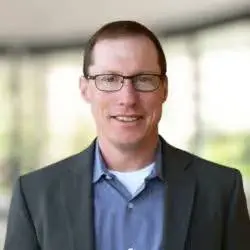
Michael Hunter
CEO
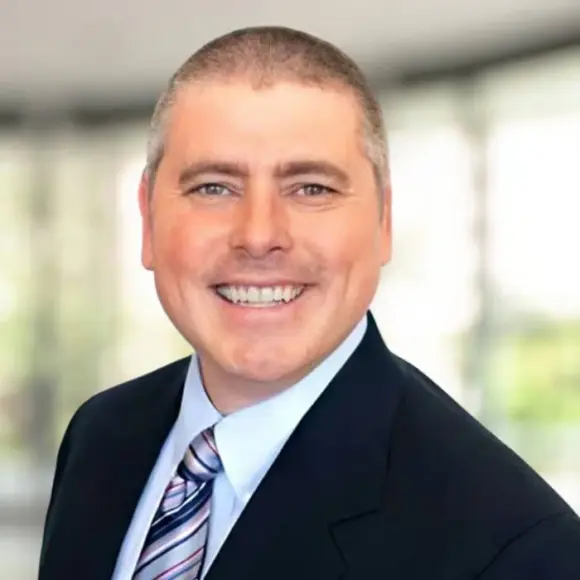
Robert Ochsner, MD
Chief Medical Officer
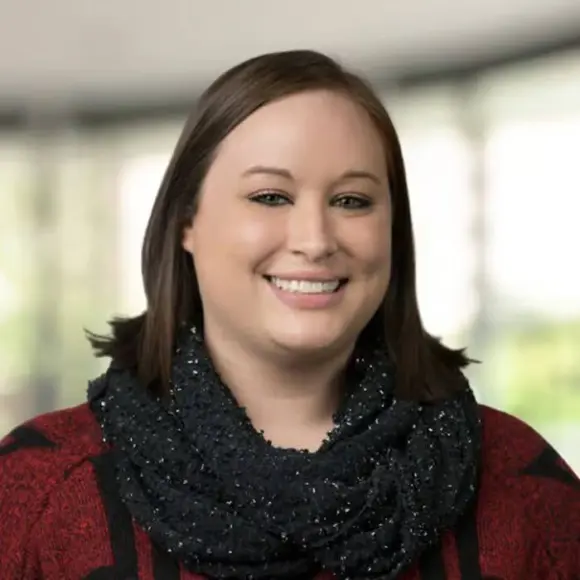
Sarah Fletcher, LPC, LAC
Chief Clinical Office
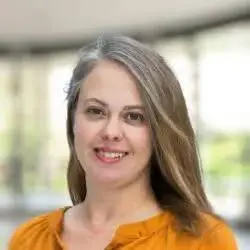
Shannon Smithwick, RN, MSN
Chief Nursing Officer
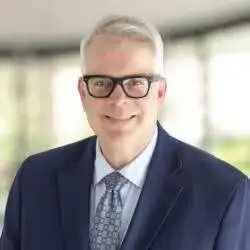
Kevin Dill
Chief Compliance Officer
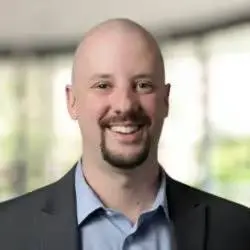
Drew Powers, CAI-II, CSAC-A
Chief Growth Officer
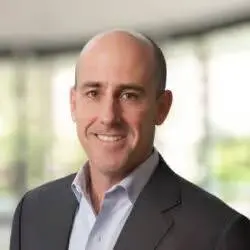
Peter Brink
CFO
Accreditations

The Commission on Accreditation of Rehabilitation Facilities (CARF) is a non-profit organization that specifically accredits rehab organizations. Founded in 1966, CARF's, mission is to help service providers like rehab facilities maintain high standards of care.
CARF Accreditation: Yes

The Joint Commission, formerly known as JCAHO, is a nonprofit organization that accredits rehab organizations and programs. Founded in 1951, the Joint Commision's mission is to improve the quality of patient care and demonstrating the quality of patient care.
Joint Commission Accreditation: Yes



 View Website