Sponsored Helpline





























































































 21 Min Read
January is Substance Use Disorder Treatment Awareness Month. Spearheaded by the Substance Abuse and Mental Health Services Administration (SAMHSA), this month is dedicated to raising awareness of treatment for substance use disorders.
Crisis Support
If you’re in immediate danger or thinking about harming yourself, call or text 988 (U.S.) to reach the Suicide & Crisis Lifeline, or call 911 right now. If you’re outside the U.S., contact your local emergency number or go to the nearest emergency room.
What is Substance Use Disorder Treatment Month?
This campaign is an effort to help Americans understand the importance of substance use disorder treatment. Leveraging social media, Substance Use Disorder Treatment Month is designed to spread messages of hope and support to those who are affected by substance use disorder (SUD). It offers toolkits, education, and other resources that equip people for recovery.
Who Does This Month Support?
- Individuals seeking or considering treatment
- Loved ones of those who are experiencing substance use disorder
- Professionals who are providing treatment for substance use disorders
What Is the Focus?
The efforts of Substance Use Disorder Treatment Month focus on three main areas.
- First, SAMHSA provides resources and education that reduce stigma surrounding treatment. These resources are tailored to all three groups mentioned above.
- Second, the campaign is designed to encourage people to seek treatment, which often begins with screening and interventions.
- Third, Substance Use Disorder Treatment Month promotes best practices during treatment, including the proper use of medications to treat substance use disorder.
Why January?
The beginning of the year is a natural time for fresh starts and new beginnings. It’s a time when people are making resolutions, reviewing their lives, and considering change. This makes January an opportune time for this type of effort. It encourages taking a new look at old habits and a fresh examination of treatment policies and procedures.
What’s the Theme?
The theme of this year’s Substance Use Disorder Treatment Month is “Treatment Works! Find the Path that Works for You.” Posts and resources aim to let people know that recovery is possible through a variety of treatment programs. Wherever people are on their journey, treatment can help, and it’s available nearby.
How to Use This Guide
This guide offers resources for all audiences of the campaign, from those wanting to learn more about addiction to those providing treatment programs. Not all parts of the guide are applicable to everyone – jump around to the most relevant parts for wherever you’re at one your recovery journey, and use it as a jumping off point for further research.
- If you want to explore treatment options, jump to: Evidence-Based Treatment Options
- If you want to learn about supports outside of treatment, jump to: Beyond Treatment
- If you want to understand paying for treatment and health insurance, jump to: Paying for Treatment
- If you’re here to support a loved one, jump to: Helping a Loved One
- If you’re ready to find qualified treatment, go to: Find a Rehab Center
The Addiction Treatment Gap
The numbers are clear: A significant treatment gap exists between those who need support and those who get it. More than 48 million Americans are currently experiencing a substance use disorder, but only 1 in 5 of those who need treatment are receiving it.
Why the disparity? Barriers. Those who need treatment must overcome multiple barriers in our society that often block their access to support. Substance Use Disorder Treatment Month helps overcome these barriers.
Stigma around substance use
Those experiencing a substance use disorder often face stigma surrounding substance use and addiction. Getting appropriate support requires that the person admit to misusing substances and agree to participate in a treatment program, which may result in negative reactions from loved ones, employers, co-workers, or the community in general. This potential for stigma often discourages individuals from getting treatment.
42% of adults who felt they needed substance use treatment but didn’t get it said they worried what people would think/say if they sought help
32% of adults who felt they needed substance use treatment but didn’t get it said they were worried their information wouldn’t be kept private
How Substance Use Disorder Treatment Month overcomes stigma: It spreads a message of acceptance and support. It lets people know that SUD is common—it happens to people from all walks of life—and it’s ok to get help.
Cost of addiction treatment
For many, the cost of treatment prevents them from getting the help they need. However, this is often due to the perceived cost of treatment rather than the true cost. Many people don’t realize how much treatment can be covered by insurance and other health programs, as well as how many programs offer reduced-cost or even free treatment to those in need.
40% of adults who felt they needed treatment but didn’t get it said they didn’t have insurance coverage and couldn’t afford the cost
16% of adults who felt they needed substance use treatment but didn’t get it said the cost was too high, even with insurance
How Substance Use Disorder Treatment Month overcomes cost: It lets people know about affordable options for treatment and how to pay for treatment.
Access to treatment
Gaining access to treatment is often an obstacle for individuals facing substance use disorder. Transportation may be an issue. Scheduling may be a challenge. Family responsibilities may get in the way.
How Substance Use Disorder Treatment Month overcomes access: It educates people on the many treatment options available, both in-person and online.
Fear of withdrawal
For those addicted to substances, fear of withdrawal is a significant factor. The withdrawal process can involve negative physical and emotional experiences, which people naturally want to avoid.
Waiting to Get Help
Many people with substance use disorders delay or avoid seeking treatment because the thought of withdrawal feels overwhelming and difficult to face without support.
Emotional Barriers to Care
Fear of withdrawal, fear of judgment, and fear of the unknown are all key emotional barriers to beginning treatment.
How Substance Use Disorder Treatment Month overcomes the fear of withdrawal: It informs people of treatment options that can alleviate withdrawal symptoms and make this a safe and more comfortable process.
Co-occurring mental health disorders
Many people who are experiencing a substance use disorder have a dual diagnosis. This means they are also experiencing a co-occurring mental health disorder, such as depression, anxiety, or PTSD. The combined challenges can make it difficult to seek treatment.
20.4 Million Adults
20.4 million adults had co-occurring mental illness and substance use disorder in 2024.
856,000 Teens
856,000 adolescents had co-occurring major depressive episode (MDE) and SUD in 2023.
How Substance Use Disorder Treatment Month overcomes co-occurring mental health disorders: It educates people about dual diagnosis and available treatment options that address both issues at the same time for improved recovery results.
Why Data and Transparency Matter
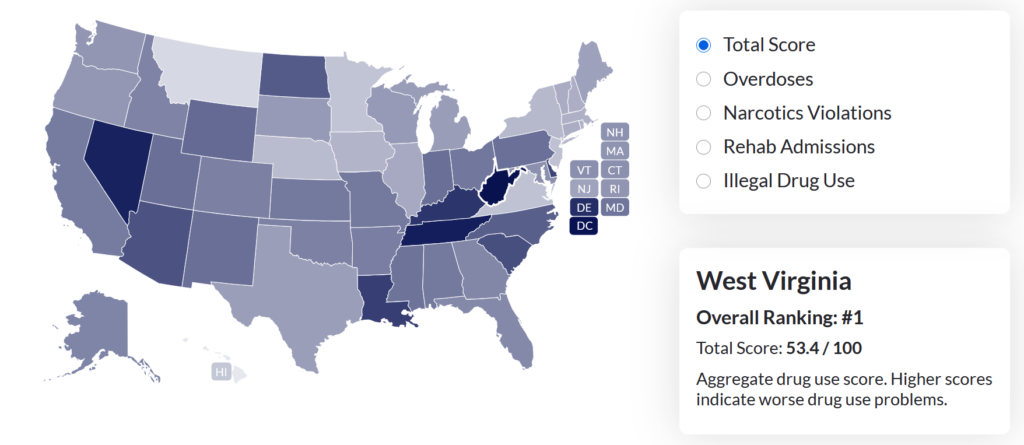
Data and transparency matter in addiction treatment because they help communities understand what’s happening, where gaps exist, and which solutions are most urgent. For a high-level look at the scope of substance use and recovery needs in the U.S., explore our in-depth report on current addiction and drug use trends.
Signs It May Be Time to Get Help
How can you know if you or a loved one needs substance use disorder treatment? Watch for the following signs:
Physical Signs of Substance Use Disorder
- Change in physical appearance
- Change in appetite
- Change in sleep patterns
- Impaired coordination
- Unusual odors on the body or clothing
- Bloodshot eyes or unusual pupil sizes
Behavioral Signs of Substance Use Disorder
- Decline in school or work performance
- Secretive or suspicious behaviors/Lying
- Risk-taking
- Mood swings/Emotional outbursts
- Legal issues, such as DUI or arrests
Relational Signs of Substance Use Disorder
- Changes in friends and activities
- Sudden personality changes
- Conflict with loved ones
- Feelings of paranoia and distrust of loved ones
If you’re starting to see any of these signs, know this: You don’t have to hit rock bottom. This is a common myth.
Many incorrectly believe that a person has to reach “rock bottom” before they will be willing or ready to get treatment. The truth is, help is available at any point of the journey. In fact, if a person can get help when these signs first begin to appear, they can avoid the so-called rock bottom before they hit it!
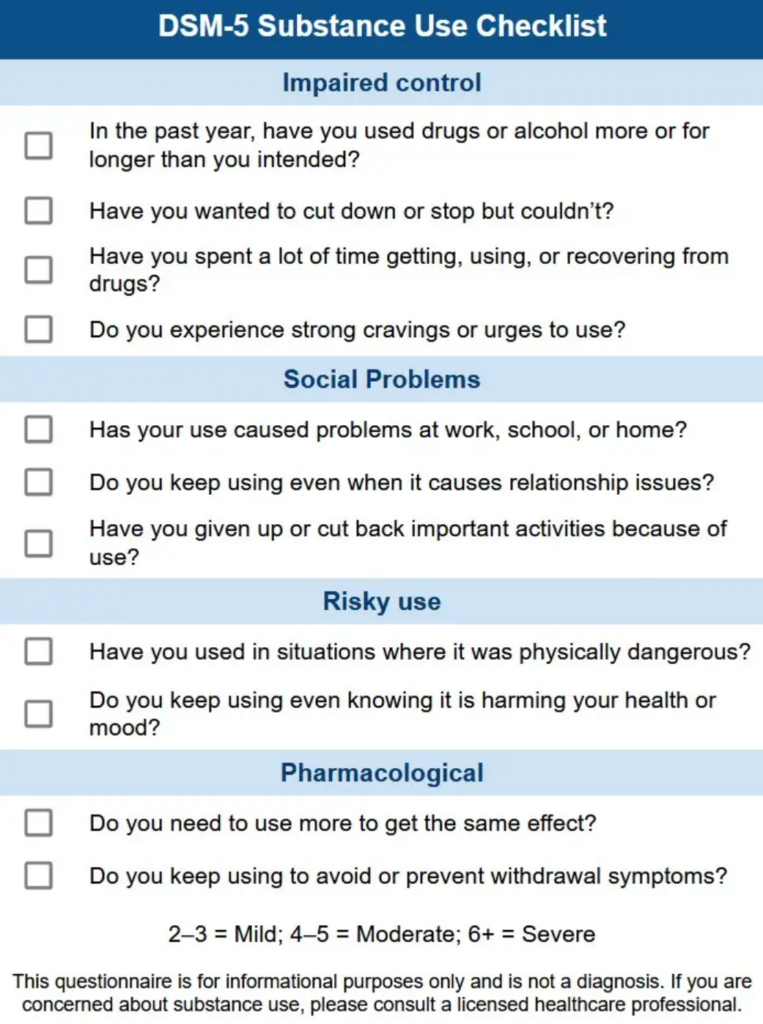
Here’s a quick checklist you can use based on the 11 questions on SUD from the DSM-5. Keep in mind this is a general informational guide and not intended to serve as a diagnosis.
Understanding Your Treatment Options
One goal of Substance Use Disorder Treatment Month is to educate Americans on the many addiction treatment options available. These range from intensive inpatient programs to online options that offer telehealth support at home.
Levels of Care
The first step in finding treatment is determining the right level of care for you or your loved one’s needs. Levels of care are selected based on the severity of addiction, withdrawal risk, and other recovery factors. Severe cases will start with detox (level 4) or inpatient treatment (level 3), while less severe cases may be treated with intensive outpatient treatment (level 2) or regular outpatient (level 1).
Beyond treatment, finding the right level of care is important for lifestyle, cost, and time considerations. Learn more about levels of care in addiction treatment.
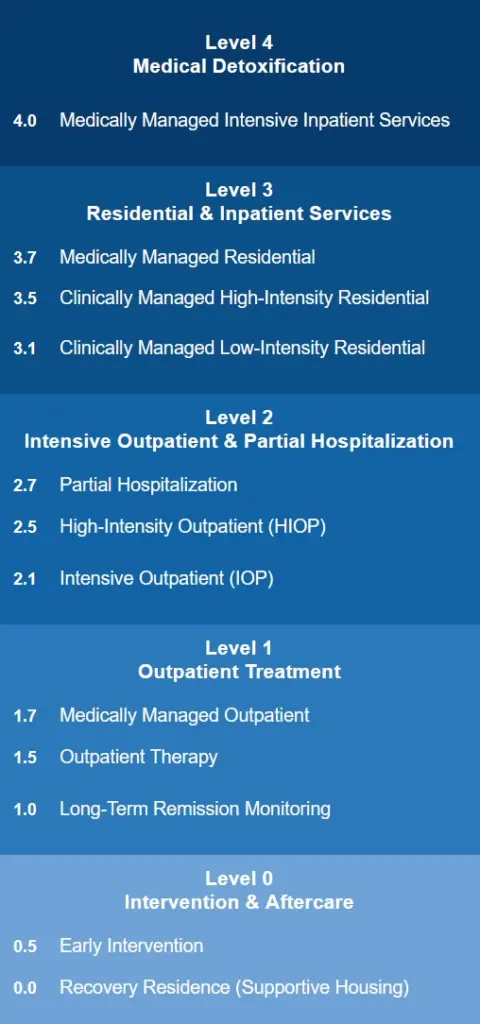
Detox/withdrawal management: This is often the first step in the recovery process. Medically managed detox is the process of cleansing the body of toxic substances and breaking physical dependence. This can be done in a medically supervised environment where clinicians treat withdrawal symptoms and ensure the process is safe, as well as more comfortable.
Inpatient/residential: This is the most intensive level of care. Inpatient addiction treatment involves living at a facility to participate in a rehab treatment program, typically for 30, 60, or 90 days. Individuals receive 24-hour supervision and care while they engage in various therapies and recovery-related activities.
Partial hospitalization program (PHP): This type of program allows participants to live at home while attending a drug rehab program for several hours each day. It offers many of the same supports as an inpatient program, but individuals return home during non-treatment hours. A partial hospitalization program is appropriate for individuals who require intensive treatment but have a safe and supportive environment at home or have family responsibilities that prevent them from attending an inpatient program.
Intensive outpatient program (IOP): An IOP is a step down in intensity from a PHP. It involves living at home while attending treatment several days a week. This type of program is designed for individuals who don’t need detox or 24-hour supervision. Participants may have a mild to moderate addiction or may be transitioning from inpatient care.
Outpatient: This level of care allows participants to live at home and attend treatment sessions on an outpatient basis. Sessions may be weekly or more often, and they typically decrease in frequency as participants progress in their recovery. Outpatient addiction treatment is appropriate for those with mild symptoms of substance use disorder and a strong support network. It is also a common step for those transitioning from more intensive treatment.
Sober living: Sober living homes and recovery residences provide a substance-free environment where people can live during early recovery. They may transition here after completing a treatment program, or they may choose to live here while getting treatment and support for a substance use disorder. Participants must adhere to house rules and can typically stay for an extended period of time.
Aftercare: The recovery journey isn’t over when a treatment program ends. Drug rehab aftercare offers ongoing support after an individual completes rehab. This may include continued therapy, housing assistance, employment support, and other community resources.
Telehealth/Online options: Through video appointments, phone calls, and support apps, telehealth options offer substance use disorder treatment online. Participants can get support from the comfort of their home or anywhere with a strong internet connection. These options can be helpful for those with transportation limitations, physical limitations, or limited treatment options nearby.
Dual Diagnosis and Co-Occurring Disorders
At any level of care, dual diagnosis treatment is available. This treatment integrates support for both substance use disorders and mental health disorders.
This type of integrated treatment is crucial for recovery. Often, those experiencing a substance use disorder are also experiencing a mental health disorder, such as depression or anxiety.
Studies have found that up to two-thirds of those seeking treatment for alcohol use disorder also experience depression
Roughly one-fifth of those who have a substance use disorder have an anxiety or mood disorder
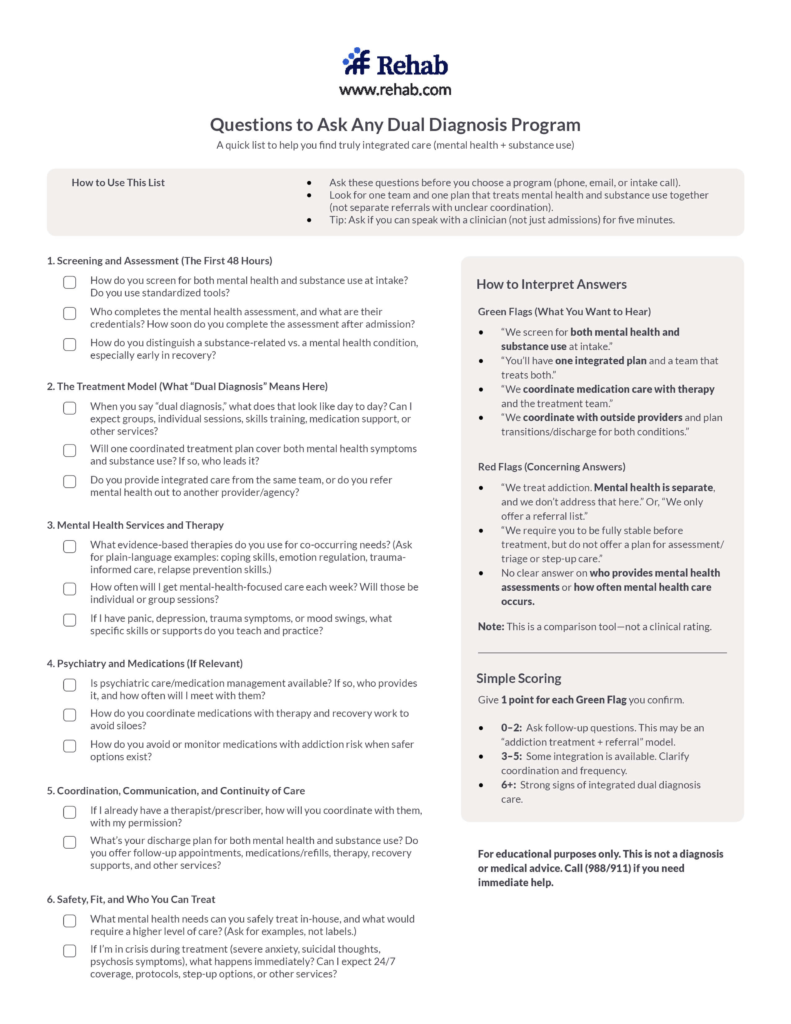
These co-occurring disorders typically have overlapping symptoms and can feed off each other. Because the disorders are integrated, treatment should be integrated, too. A dual diagnosis program offers a multi-disciplinary approach that addresses mental health and addiction recovery needs simultaneously, for optimal outcomes.
To determine if a rehab program offers appropriate dual diagnosis treatment for your situation, ask the following key questions:
Evidence-Based Therapy
Therapy for substance use disorders is an integral part of any evidence-based treatment program. It helps people understand the roots of substance use, strengthen healthier coping skills, and build support for long-term recovery. Alongside medical care and recovery planning, therapy provides the tools to navigate triggers, rebuild relationships, and stay engaged in treatment.
- Individual therapy provides one-on-one support to change patterns, build coping skills, and repair relationships.
- Group therapy builds connection and accountability while practicing healthier thinking, communication, and coping strategies together.
- Cognitive behavioral therapy helps people identify unhelpful thoughts, improve decisions, and treat substance use and mental health.
- Dialectical behavior therapy teaches emotion regulation, distress tolerance, and skills to manage cravings and triggers safely.
- Wilderness therapy combines outdoor experiences with clinical support to build confidence, resilience, and healthy coping habits.
- Equine therapy uses guided work with horses to build trust, self-awareness, and emotional regulation skills.
- Experiential therapies use hands-on activities to practice coping, strengthen relationships, and process difficult feelings.
Medications as Part of Treatment
Many substance use disorder treatment programs offer medication assisted treatment (MAT). With this type of treatment, clinicians prescribe FDA-approved medications that can help alleviate or prevent withdrawal symptoms, reduce cravings, and help participants safely taper off substances. Dosing is overseen by clinicians and adjusted as needed.
MAT combines medication and evidence-based therapies to address both the physical and psychological aspects of addiction and recovery.
– Dr. Sylvie Stacy, Chief Medical Officer at Rehab.com
Several FDA-approved medications are frequently incorporated into substance use disorder treatment:
- Methadone – Prescribed for opioid use disorder. Reduces cravings and manages withdrawal.
- Buprenorphine – Prescribed for opioid use disorder. Blocks cravings and lowers the risk of overdose.
- Naltrexone – Prescribed for opioid use disorder or alcohol use disorder. Reduces cravings and blocks the euphoric effects of these substances.
- Acamprosate – Prescribed for alcohol use disorder. Helps restore balance in brain chemicals and reduces cravings.
- Disulfiram – Prescribed for alcohol use disorder. Deters alcohol consumption by causing negative physical reactions when mixed with alcohol.
Specialty Treatment Programs
Because people face different challenges and have varying recovery needs, specialty treatment tracks are available. Each person can choose the type of program that best suits their situation. Common specialty drug rehab programs include:
- Men – Men’s programs offer gender-responsive care for stress, relationships, and recovery.
- Women – Women’s programs provide trauma-informed care with safety and support.
- Teens – Teen programs combine therapy, family support, and life-skills guidance focused toward 12 to 18 year olds.
- Veterans – Veteran treatment addresses military culture, PTSD, and recovery needs.
- First responders – First responder programs support trauma exposure, sleep issues, and recovery.
- LGBTQ+ – LGBTQ+ programs offer affirming care that addresses minority stress and recovery.
- Professionals – Professional programs provide discreet treatment, remote work options, and return-to-work support.
- Families – Family programs build understanding, boundaries, and healthier communication between all members.
- Faith-based rehab – Faith-based programs blend spiritual support with clinical treatment.
- Luxury rehab – Luxury rehab combines evidence-based care with high-end amenities and a high staff-to-patient ratio.
Beyond Treatment
Substance use disorders and co-occurring mental health disorders affect all areas of a person’s life. That’s why treatment services go beyond addressing these disorders to provide additional practical support for day-to-day needs.
Aftercare Services That Make Recovery More Sustainable
By tapping into the following services, individuals can create a solid support system to sustain recovery long-term. Drug rehab aftercare helps bridge the gap between structured treatment and everyday life by reinforcing coping skills, reducing relapse risk, and keeping people connected to ongoing support. These services also help address real-world needs like housing, work, family stability, and transportation that can directly impact long-term success.
- Recovery housing & sober living – Provides a stable, substance-free, affordable living environment for those in early recovery.
- Case management – Offers oversight and coordination of services.
- Childcare & family supports – Helps meet practical parenting needs and strengthens family relationships.
- Employment & education resources – Provides resources for training and work opportunities.
- Transportation – Helps individuals get to treatment, school, or work.
- Legal support – Offers assistance for navigating legal issues.
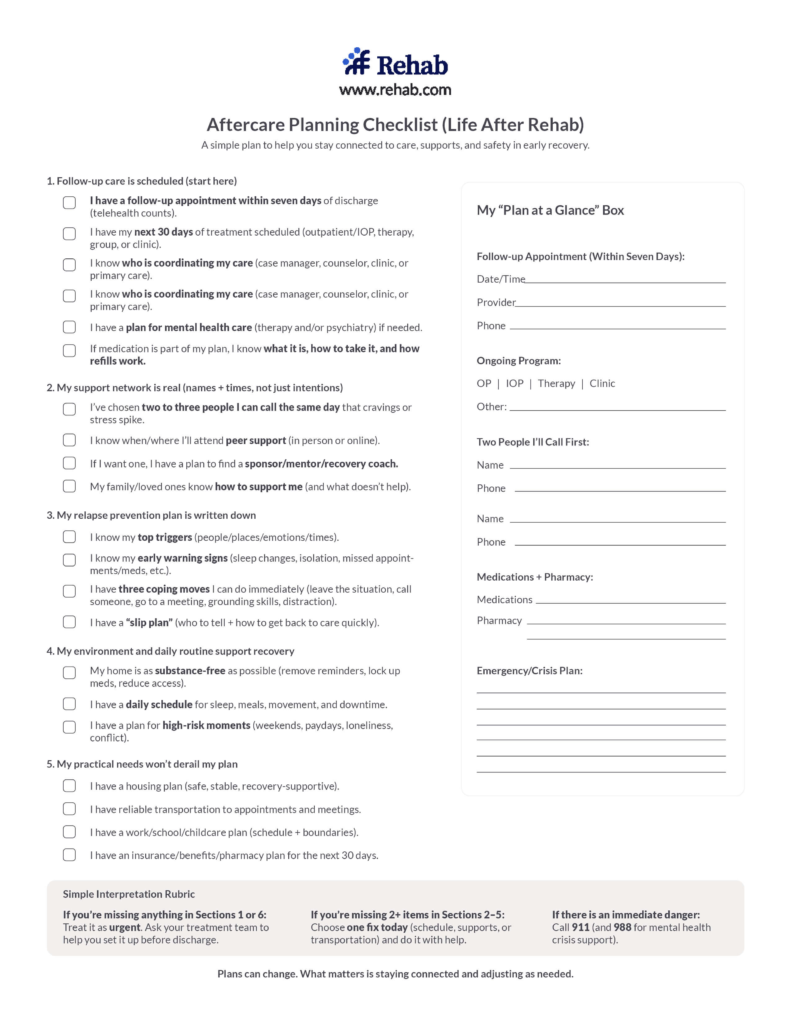
To stay organized and plan ahead, download our aftercare planning worksheet to track services, appointments, and recovery goals.
Support Groups and Community-Based Recovery
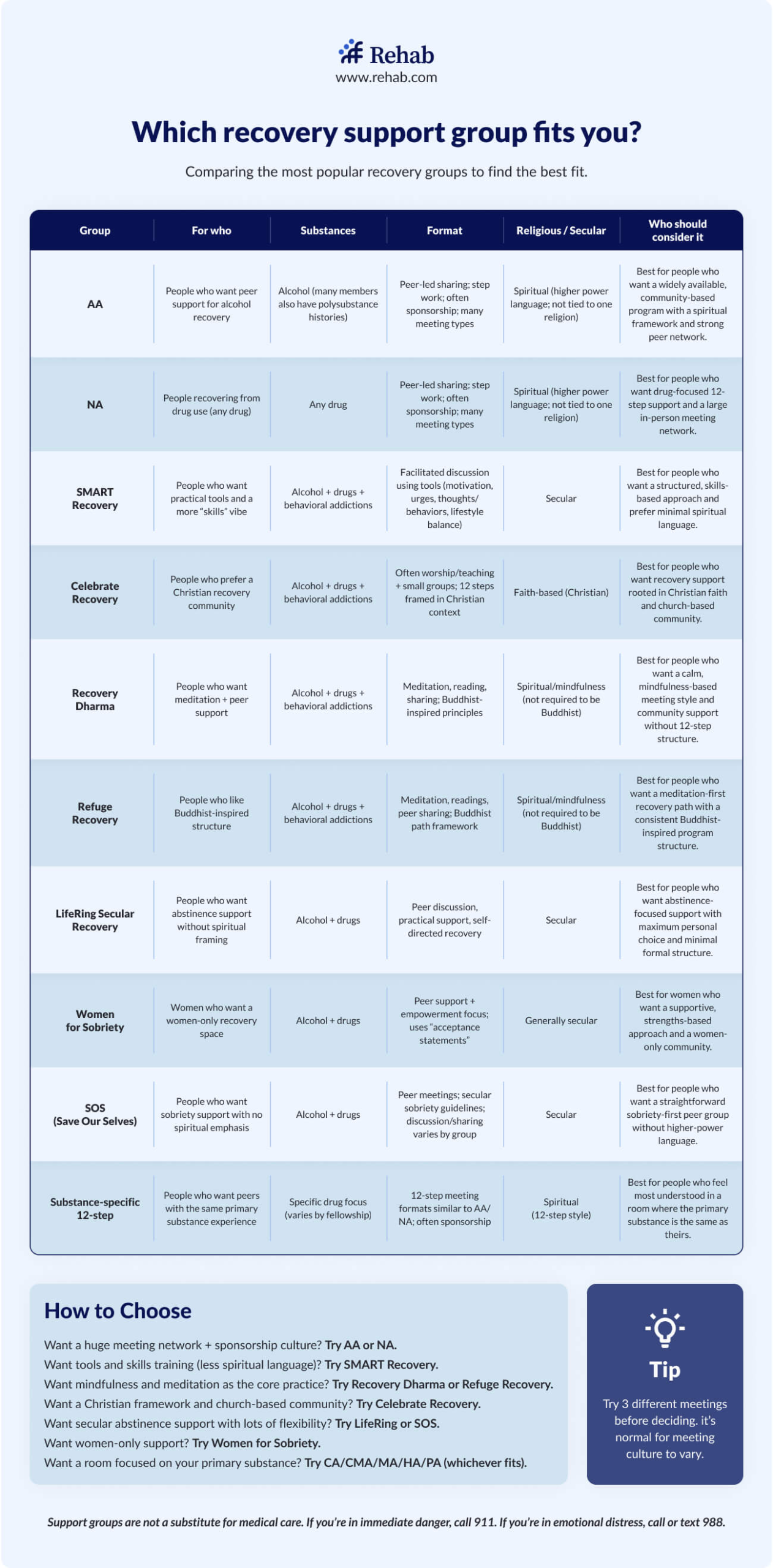
Support groups are an integral part of substance use disorder treatment. It is common for individuals to join support groups as part of their initial treatment program and to continue engaging in these groups long after treatment has ended—even for a lifetime.
These groups provide a network of support and encouragement that helps individuals work through the treatment process and stay on the right track long-term.
- 12-Step groups: These groups, such as Alcoholics Anonymous (AA) and Narcotics Anonymous (NA) follow a structured program that guides participants through 12 Steps of recovery. As individuals work these steps, they engage with a sponsor (mentor) and eventually begin to mentor others. The steps include surrendering to a higher power and admitting the need for help.
- Al-Anon/Nar-Anon: These 12-Step-based groups offer support for friends and family members of those who are experiencing a substance use disorder.
- SMART Recovery: Non-12-Step groups such as SMART Recovery focus on evidence-based therapies such as cognitive behavioral therapy. Unlike 12-Step programs, spiritual aspects are not central to these programs.
- Online options: Both 12-Step and non-12-Step groups are available in online formats. This makes getting support even easier, since participants can join meetings or find other resources through a mobile device from anywhere that has an internet connection. Through video calls, phone calls, and apps, support is available 24/7.
Harm Reduction and Safety
Harm reduction is a nonjudgmental, safety-focused approach that incorporates practical strategies into substance use disorder treatment. A harm reduction framework moves away from an abstinence-based approach, focusing instead on measures designed to increase the safety and health of those who are currently using substances.
Harm reduction includes overdose prevention tools such as naloxone and test strips. Other harm reduction efforts include substance consumption sites, education, and policy advocacy.
– Dr. Sylvie Stacy, Chief Medical Officer at Rehab.com
Paying for Treatment
For those who are seeking substance use disorder treatment, multiple options are available to pay for treatment. Many programs offer sliding-scale fees based on income. Others offer free treatment that is funded by government programs or donations. Scholarships and grants are also available that can help cover the cost of treatment.
How Much Does Treatment Cost?
The cost of substance use disorder treatment varies. Important factors include the type of program, length of program, and location.
Outpatient programs are typically more affordable than inpatient programs, with the cheapest three-month outpatient program costing around $5,000, and the cheapest inpatient program costing around $6,000 per month. Medical detox costs start at around $1,750.
Does Insurance Cover Rehab?
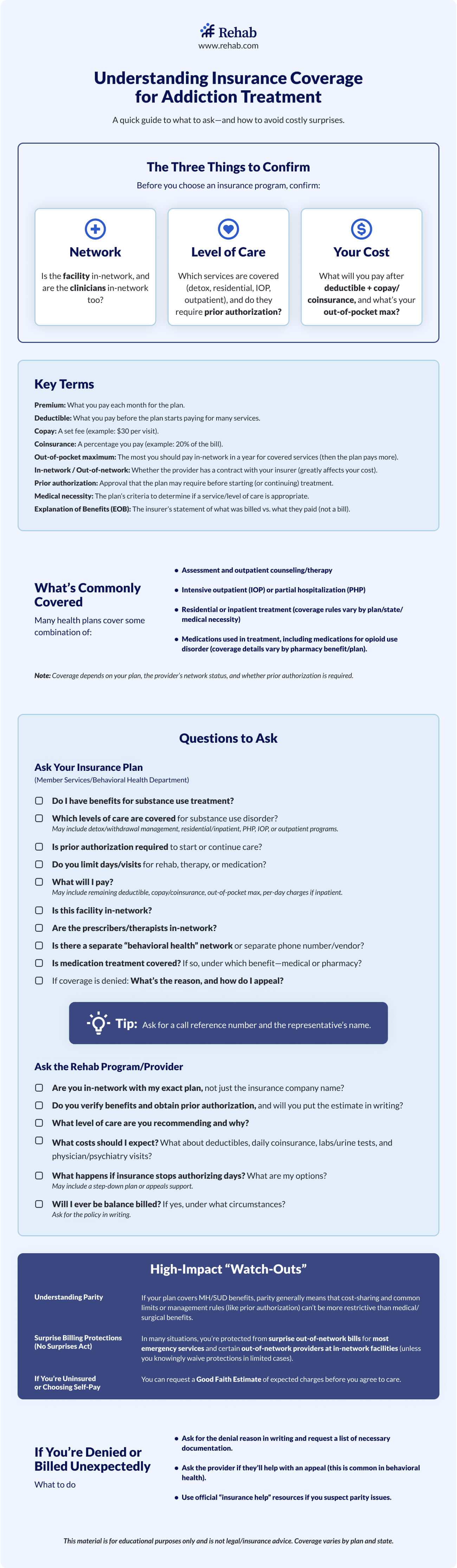
Fortunately, yes. In general, insurance covers rehab. However, plan details vary. Find out if your health insurance covers addiction treatment.
Most insurance plans are required to cover addiction treatment at the same level they cover other medical conditions. This coverage varies based on the type of treatment and the type of medical plan.
Out-of-pocket costs are further impacted by deductibles, treatment authorization, and in-network and out-of-network status of the treatment program. It is important to discuss details of any treatment program with the insurance provider to determine exact costs.
Insurance can be tricky to navigate, especially when you or a loved one are looking to enter care quickly. Here’s a quick cheat sheet breaking down the high level key points to know about health insurance and addiction treatment.
Helping a Loved One
If your friend or family member is facing addiction, there are many steps you can take to provide much-needed support.
– Dr. Sylvie Stacy, Chief Medical Officer at Rehab.com
The following are best practices as you navigate this challenging situation.
- How to start the conversation: Broaching the subject of addiction is difficult. When you speak to your loved one about your concerns, focus on three things: empathy, a nonjudgmental attitude, and specifics.
- Be kind and listen: Offer empathy for what they are going through and avoid judgmental comments. Share specific actions that you find concerning and specifically how their actions are affecting you and your relationship with them. Then, be specific about expectations going forward.
View/Download SAMHSA’s Starting the Conversation Guide - What not to say: During conversations with your loved one, avoid statements that shame, judge, or discourage. It’s also crucial to avoid making statements that are untrue or unrealistic. Avoid comments such as “If you’ll love me, you’ll stop,” and “You need to hit rock bottom.”
- Encouraging treatment (without coercion): Let your loved one know that treatment options are available and encourage them to consider getting help. Be willing to help them choose the best program for their situation and walk with them throughout the process, rather than simply tell them “You need to get help.”
- Family self-care: Support for family members is important, too. Take steps to protect family members from harm and get appropriate therapy or other support needed to maintain healthy relationships.
- Support groups for families (Al‑Anon, Nar‑Anon, PAL): These groups can provide critical support from others who understand what you’re going through.
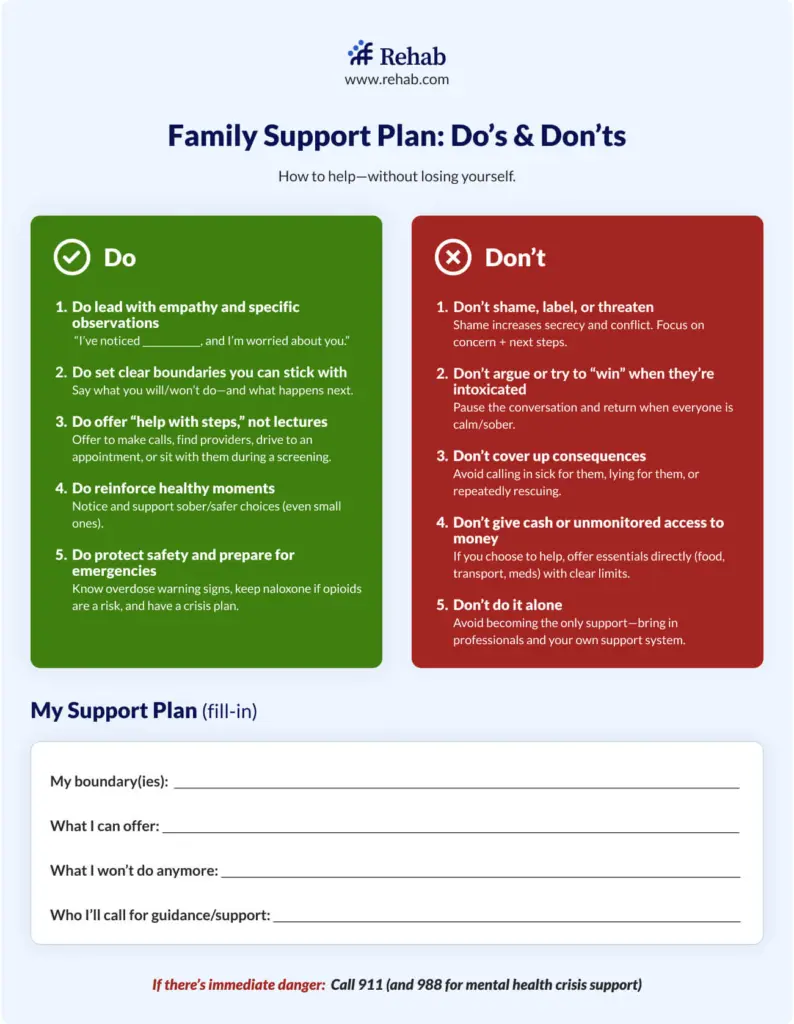
Here’s a primer on the do’s and don’ts for helping a loved one dealing with addiction:
For Providers & Community Leaders
Substance Use Disorder Treatment Awareness Month isn’t limited to prospective patients and loved ones, treatment providers are encouraged to join in and help raise awareness for the industry.
What can you do to promote Substance Use Disorder Treatment Month?
- Host a Treatment Month Awareness Moment: Organize an activity that raises awareness of substance use disorder treatment and educates your community about treatment options.
- Use stigma-free language: Remember to put the person first. This means using phrasing such as “a person with a substance use disorder” or “an individual who is experiencing a substance use disorder” rather than terms such as “addict” or “addicted individual.”
- Promote in newsletter blurbs/social posts: Include information about Substance Use Disorder Treatment Month in your newsletter, or share posts on your social platforms. SAMHSA offers ready-to-share content here.
- Make a Proclamation: Use SAMHSA’s proclamation template to create a statement of proclamation in support of Substance Use Disorder Treatment Month and share it to encourage your community to participate.
Find a Drug Rehab
Treatment is available nearby. To find the right support for you, take these simple steps.
Use the Rehab.com directory:
- Choose your state/city.
- Filter by level of care + programs + payment options.
- Compare and contact centers.
There’s no reason to wait. Find the best drug rehabs near you today.
Top-Rated Addiction Treatment Centers
| Name / Address / Rating | Description | Treatments / Payments / Programs | Review / Contact | Images | |
|---|---|---|---|---|---|
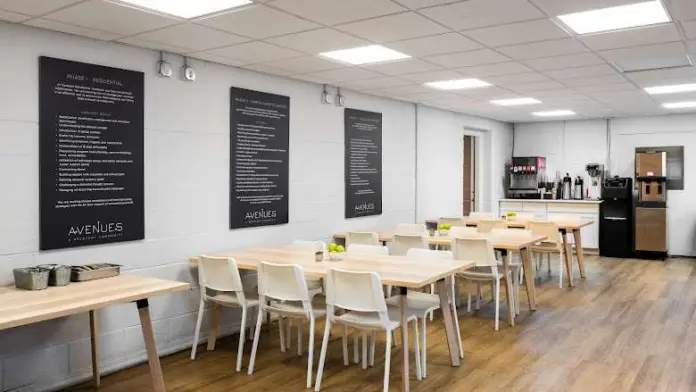
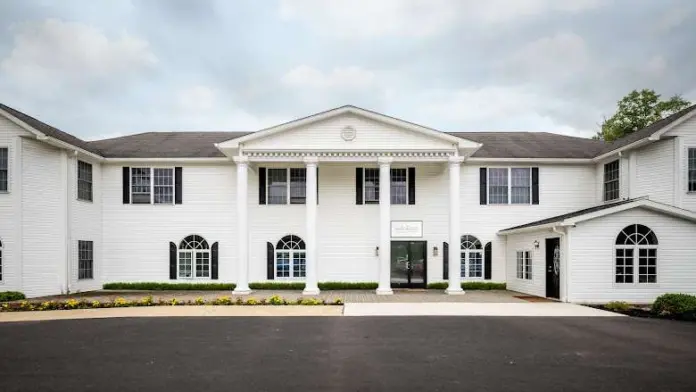
Avenues Recovery Center at Lake ArielAd This is an ad and Avenues Recovery Center at Lake Ariel is a paid advertiser. Paid advertisers may be listed first in search results. This ad may contain content provided by the advertiser. Rehab.com does not verify ad content or any reviews that are displayed. Learn More Lake Ariel, PA  Claimed Claimed | Clients seeking treatment for alcohol addiction may be required to undergo detox first. As one of the best detox facilities in Pennsylvania, the process at Avenues Recovery Center ensures any abused substances are out of a client’s system and that they are in a healthy frame of mind when they enter residential treatment. Detox is overseen and | Treatments Programs Payment Options  Substance Abuse Substance Abuse Alcoholism Alcoholism Drug Addiction Drug Addiction Mental Health And Substance Abuse Mental Health And Substance Abuse Dual Diagnosis Dual Diagnosis  Adult Program Adult Program  Private Insurance Private Insurance Self-Pay Options Self-Pay Options Military Insurance Military Insurance | View Website (570) 354-6060 | 
Amazing place! Totally worth it!
Megann
1 month ago

Excellent facility fabulous staff!
amy knorr
1 month ago

This is truly an amazing facility! Every single person I’ve encountered is absolutely wonderful. The staff are incredibly kind, caring, and knowledgeable, groups are fun & informative, and the housing and food are excellent. There’s an amazing sense of community and I 1000% recommend.
Irene Sweeney
1 month ago
| 
5 5 

|
1
Top 10 Rehab in FL
Rehab Score
Our Rehab Score is designed to make it easier for you to find the best treatment centers. We combine overall ratings with recent feedback to create a score that reflects a center’s quality right now.
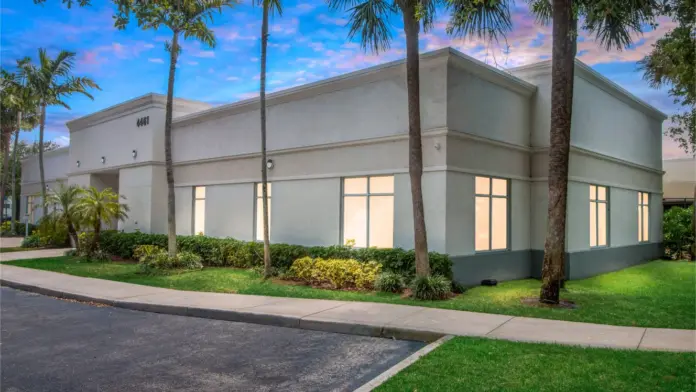
9.67 / 10 Claimed | All In Solutions Wellness Center is a treatment facility located in West Palm Beach, Florida. This facility specializes in treating adults who are struggling with co-occurring disorders and addiction. The levels of care offered here are detox, residential, and aftercare programs. As one of the best-rated detox centers in Florida, All In Solutions | Treatments Programs Payment Options AlcoholismDrug AddictionMental Health And Substance Abuse Opioid AddictionSubstance AbuseDual Diagnosis Adult Program Opioid AddictionSubstance AbuseDual Diagnosis Adult Program Program For Men Program For Men Program For Women Program For Women Young Adult Program Private InsuranceSelf-Pay Options Young Adult Program Private InsuranceSelf-Pay Options | 
My experience at All In Solutions exceeded my expectations. I was treated with respect, honor and dignity. I was kept comfortable while detoxing.
Timothy Snow
4 weeks ago

My wife completed residential treatment here for alcohol addiction and the change has been remarkable. Family therapy sessions helped all of us understand how to support her moving forward.
Rosalind Actongale
1 month ago

Attentive medical staff during detox, comfortable rooms, board-certified providers who explain everything clearly.
Tobias Kingsley
1 month ago
| 
5 5 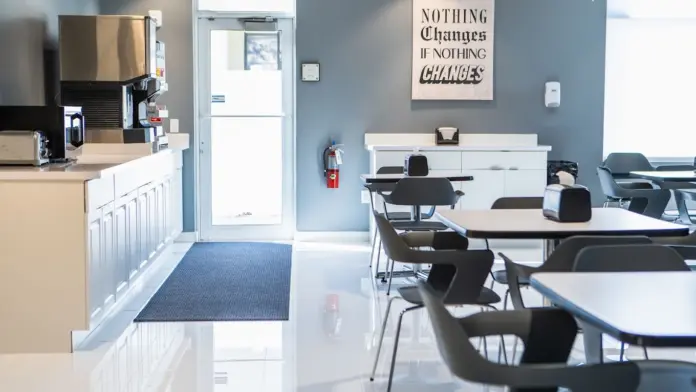


| |
1
Top 10 Rehab in TN
Rehab Score
Our Rehab Score is designed to make it easier for you to find the best treatment centers. We combine overall ratings with recent feedback to create a score that reflects a center’s quality right now.
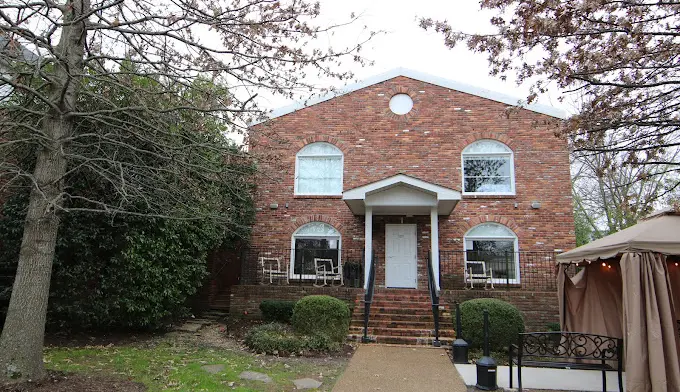
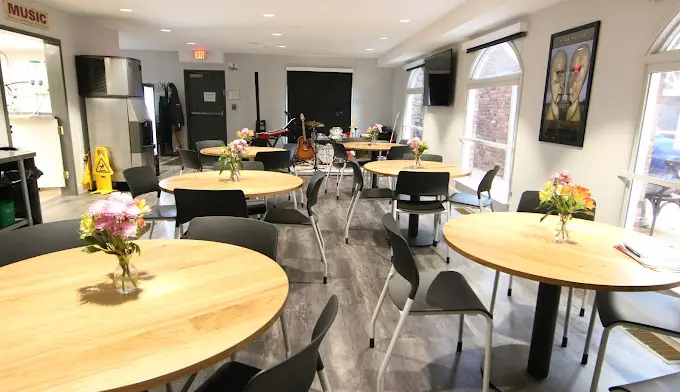
9.64 / 10 | Recovery Unplugged Nashville Drug & Alcohol Rehab is a private luxury addiction treatment center located just south of Nashville, in Brentwood, Tennessee. They offer several levels of care, including medication assisted treatment (MAT), residential treatment and behavioral telehealth. Adults with dual diagnoses and substance use disorders are welco | Treatments Programs Payment Options Substance AbuseAlcoholismDrug AddictionDual Diagnosis Adult Program Private InsuranceSelf-Pay Options Medicare Medicare MedicaidMilitary Insurance MedicaidMilitary Insurance | 
This place helped me save my own life. I couldn’t recommend a company more.. especially in a dire situation. They are family.
Michelle Aspen
3 weeks ago

What an amazing place to save your life!
Rich Stadtlander
3 weeks ago

Help my family out wonders!
Torey Tennyson
3 weeks ago
| 
5 5 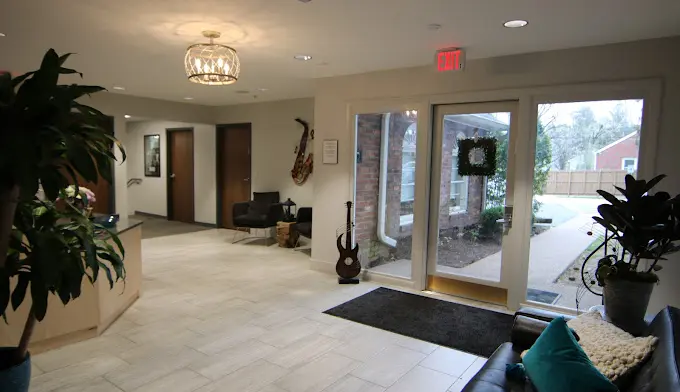

| |
1
Top 10 Rehab in CA
Rehab Score
Our Rehab Score is designed to make it easier for you to find the best treatment centers. We combine overall ratings with recent feedback to create a score that reflects a center’s quality right now.
9.61 / 10 Claimed | All In Solutions Detox in Simi Valley is one of the best ranked inpatient detox facilities in California providing safe, medically supervised care for individuals beginning their recovery from drug or alcohol addiction. As part of the All In Solutions Behavioral Health network, this facility serves as the first step in a full continuum of care. Cli | Treatments Programs Payment Options AlcoholismDrug AddictionMental Health And Substance AbuseOpioid AddictionSubstance AbuseDual Diagnosis Adult ProgramYoung Adult ProgramProgram For MenProgram For Women Private InsuranceSelf-Pay Options | 
This facility has been amazing. The staff is great and the program is also great
Michael Miller
3 weeks ago

Awesome staff and great facilities. All my needs were met and they got me on the road to recovery.
Brian Mckinney
1 month ago

Everything here was really great. The stars and medical team was very helpful. I left here with a new life
Lucas Deters
1 month ago
| 
5 5 

| |
Avenues Recovery Center at New EnglandAd This is an ad and Avenues Recovery Center at New England is a paid advertiser. Paid advertisers may be listed first in search results. This ad may contain content provided by the advertiser. Rehab.com does not verify ad content or any reviews that are displayed. Learn More Concord, NH Claimed | Avenues Recovery Center at New England is a drug and alcohol rehabilitation facility in Concord, New Hampshire. Avenues serves adult clients by offering a full continuum of care for addiction that heals the mind, body, and spirit. They are a private facility with modern amenities. Avenues offers levels of care for clients at every step of the re | Treatments Programs Payment Options AlcoholismDrug AddictionDual DiagnosisMental Health and Substance AbuseOpioid Addiction Adult Program Private InsuranceSelf-Pay Options Sliding Scale Payment AssistanceMilitary InsuranceMedicaid Sliding Scale Payment AssistanceMilitary InsuranceMedicaid | View Website (603) 505-8365 | 
⭐️⭐️⭐️⭐️⭐️
Avenues Alumni truly shows up for one another in the most genuine and meaningful ways. Whether it’s offering a ride, bringing food to an event, checking in on someone who may be struggling, celebrating a milestone, or simply being there when someone needs a friend, this community goes above and beyond. ❤️
What makes Avenues Alumni so special is the connection. People continue to support each other long after completing programming. We celebrate birthdays, sobriety milestones, graduations, and new beginnings together. We laugh together, make memories, participate in service projects, get outside, enjoy activities, and create friendships that extend far beyond a meeting.
There is always someone willing to answer the phone, send a message, save a seat, or remind you that you don’t have to do this alone. The compassion, encouragement, accountability, and genuine friendships within this community are truly something special.
Being part of Avenues Alumni means being surrounded by people who care, who show up, who celebrate your successes, and who stand beside you through the difficult days too. Recovery is so much more than sobriety. It’s connection, fellowship, purpose, and learning how to truly LIVE. ❤️🩹
I’m grateful every day to be part of such a strong, supportive, and uplifting community. Avenues Alumni is family, and there is always a place for you here. 💜
Elisabeth Murphy
3 weeks ago

Where do I start with reviewing Avenues and my experience in it? My 90-day journey at Avenues Recovery completely transformed my life.
From the moment I arrived, I was met with warmth and genuine acceptance. Walking through those doors in the thick of addiction is terrifying, but the staff and community created an atmosphere centered entirely on healing and positive growth. Through every tough moment, the support never wavered. For the first time in years, I was guided to truly understand myself, confront the root of my struggles, and rebuild my life from the inside out.
The fellowship I found here showed me that I never have to navigate this path alone. Beyond the emotional and clinical care, Avenues helped me construct a concrete, well-defined recovery plan—not just to stay grounded while I was in the facility, but to keep moving forward and upward once I stepped back into the world.
Avenues helped me give myself the greatest gift possible: my recovery, my self-worth, and a future with purpose. I will carry lifelong gratitude for the people here and the foundation they helped me build. If you or someone you care about is looking for hope and a real way out, this place will help you find it.
Beaven
1 month ago

Avenues Recovery saved my life! I don’t know where I would be without ever coming here. The staff, the facility, everything was amazing at Avenues Concord. I was 1000% supported in every way imaginable. Avenues Corcoran does recovery exceptionally well in all “avenues” lol. From playing volley and whale watching with the community here, to one on one sessions with my councilor and staff, everything hit for me. The atmosphere was welcoming and I’d tell anyone considering coming here to do it now rather than later! Your recovery matters and Avenues can help. Not only did they help me currently with my life struggles, they continue to give you the care and tools you need after treatment! I can call right now and they’d answer the phone! If you’re thinking about it, just do it already! You won’t regret it and you can finally live a real life where you are truly happy! Thank you for EVERYTHING Avenues you truly helped me become the person I’ve always wanted to be!
Chuck Patterson
1 month ago
| 
6 6 
|
1
Top 10 Rehab in VA
Rehab Score
Our Rehab Score is designed to make it easier for you to find the best treatment centers. We combine overall ratings with recent feedback to create a score that reflects a center’s quality right now.
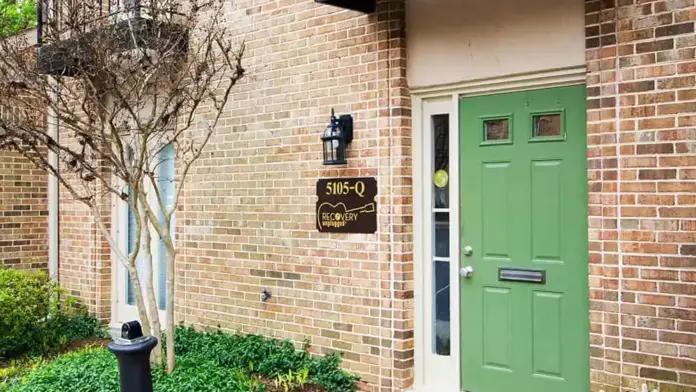
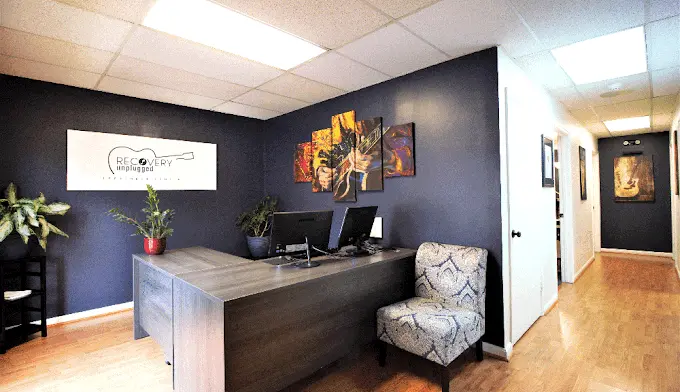
9.45 / 10 | Recovery Unplugged offers a full suite of outpatient substance use recovery for adults and adolescents in the DC Metro area of Annandale, Virginia. They offer general outpatient and top-rated intensive outpatient care (IOP) alongside partial hospitalization programs (PHP). Each of these levels of care may incorporate medication-assisted treatment ( | Treatments Programs Payment Options Substance AbuseAlcoholismDrug AddictionDual Diagnosis Adult ProgramYoung Adult Program LGBTQ Program LGBTQ Program Teen Program Private InsuranceSelf-Pay OptionsMedicareMedicaid Teen Program Private InsuranceSelf-Pay OptionsMedicareMedicaid | 
I have been in and out of treatment for 15 years, and this is by far the best recovery center I have ever been to. The staff genuinely care about every client and their well-being. They aren’t just out for money or treating people like another number—they truly want to see you heal, grow, and succeed. I have felt supported, understood, and cared for throughout my time here. Recovery is not easy, but this center has given me hope and the tools I need to build a better life. I’m incredibly grateful for this place and would recommend it to anyone who is ready to make a change.
Tara R.
1 month ago

I would not be where I am today without the help of Recovery Unplugged. I had two 30 day visits with them back in 2019 before moving on to a 90 program in Arizona. Everyone was friendly and you felt like you actually mattered. The musical component of it all was life changing and is still a huge support in my life today. It’s outside of the box recovery and if you are looking for a place to start, this is it. I’m coming on six years of sustained recovery and now hold a masters in divinity while thriving in Tucson. AZ. None of this would have been possible without Recovery Unplugged and I could not be more grateful for all they provided in early recovery.
Jay Newman
2 months ago

The program and support is great, but once you finish no resources are provided. No follow-up with patients. They are all about profit. The providers can’t even provide outside resources. This should be a warning sign they are out to make money.
Jamie Guy
4 months ago
| 
5 5 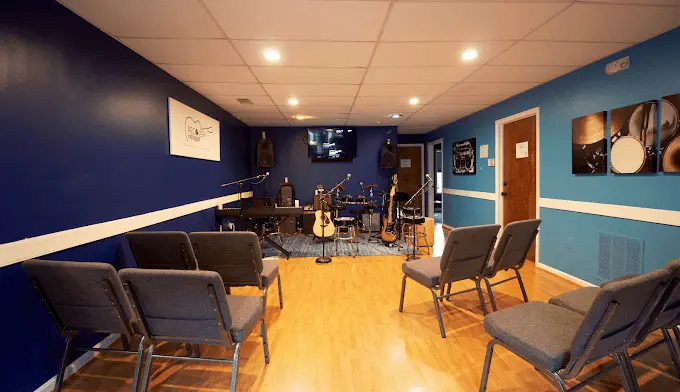

| |
1
Top 10 Rehab in NJ
Rehab Score
Our Rehab Score is designed to make it easier for you to find the best treatment centers. We combine overall ratings with recent feedback to create a score that reflects a center’s quality right now.
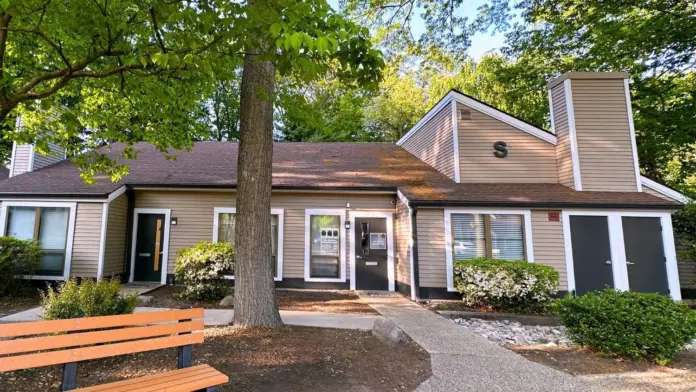
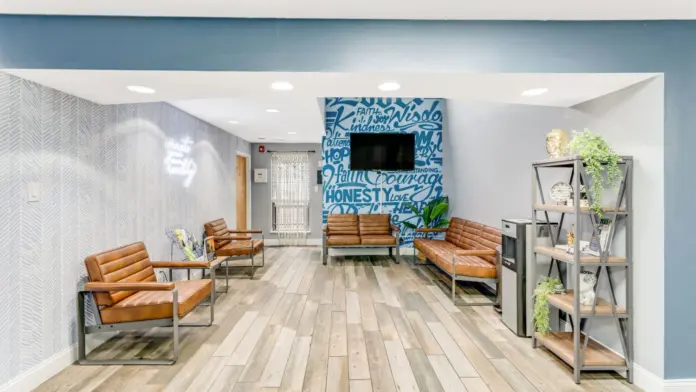
9.41 / 10 Claimed | All In Solutions Counseling Center is a mental health and addiction clinic in Cherry Hill, New Jersey. They provide outpatient addiction treatment and mental health care. They offer options like an intensive outpatient program, a partial hospitalization program, and medication-assisted treatment. All In Solutions Cherry Hill Drug & Alcohol Reha | Treatments Programs Payment Options AlcoholismDrug AddictionDual DiagnosisOpioid AddictionSubstance AbuseMental Health And Substance Abuse Adult ProgramYoung Adult ProgramProgram For MenProgram For Women Private insuranceSelf-Pay Options | 
The clinical building being separate from the housing is a detail that sounds small but makes a big practical difference. You go there to work, and you come back to somewhere calmer when the day is done. That separation gave the whole experience a clearer shape.
Brian Saunders
1 month ago

Friday afternoons they bring in alumni speakers. Sitting in a room listening to someone who’s been through it and come out the other side is different from any group session with a counselor. It was one of the parts of the week I genuinely looked forward to.
Thomas Navarro
1 month ago

The weekly family group, held online so family can join from wherever, is something I wasn’t expecting. My family had been through a lot and being able to include them in the process, even from a distance, changed how I felt about what I was doing here. Recovery doesn’t happen in a bubble and a program that actually acknowledges that is worth noting.
William Foster
1 month ago
| 
4 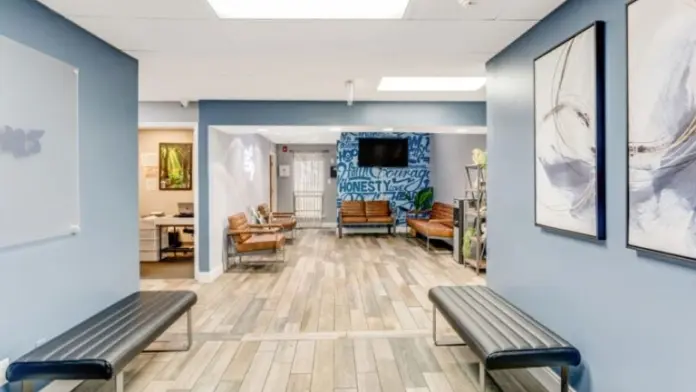

| |
1
Top 10 Rehab in NY
Rehab Score
Our Rehab Score is designed to make it easier for you to find the best treatment centers. We combine overall ratings with recent feedback to create a score that reflects a center’s quality right now.
9.39 / 10 | This facility offers leading outpatient addiction treatment, recovery coaching, and medication-assisted treatment for adults. Through an intensive outpatient program or an outpatient program, participants engage in individual and group therapy that helps get to the root of addiction and relapse prevention skills. Outpatient support groups allow you | Treatments Programs Payment Options AlcoholismDrug AddictionSubstance AbuseOpioid Addiction Adult ProgramYoung Adult ProgramLGBTQ ProgramTeen Program Private InsuranceSelf-Pay OptionsSliding Scale Payment Assistance Financing Financing | 
As a family member, I cannot say enough wonderful things about Mountainside Treatment Center in Huntington. From the very beginning, the staff treated both our loved one and our family with compassion, respect, and genuine care during an incredibly difficult time.
The communication throughout the process was thoughtful and professional, and it was clear that everyone involved truly wanted the best possible outcome. Mountainside provides best-in-class treatment in a safe, supportive, and welcoming environment. Knowing our loved one was in such caring and capable hands gave us comfort and hope when we needed it most.
We are deeply grateful for the support, guidance, and dedication of the entire team. Highly recommend.
Adriana Popa
5 months ago

Going to Mountainside in Huntington was a life changing experience. I could not recommend it more!
Violet White
1 year ago

As a clinical social worker running a local group practice, I regularly collaborate and refer clients to Mountainside Treatment Center. Their staff has always been exceptional, especially Courtney Hulse and Dan Sexton, who go above and beyond in tailoring their treatment plans for each client and family. Mountainside serves as a tremendous resource, providing quality substance abuse treatment that is critically needed here on Long Island. We are enthusiastic about continuing to work with Mountainside to best serve our community and families. Thank you for all you do Mountainside. Highly recommend!
Gordon Gooding
2 years ago
| 
4 

| |
Avenues Recovery Center at ClarksvilleAd This is an ad and Avenues Recovery Center at Clarksville is a paid advertiser. Paid advertisers may be listed first in search results. This ad may contain content provided by the advertiser. Rehab.com does not verify ad content or any reviews that are displayed. Learn More Clarksville, IN Claimed | Avenues Recovery Center in Clarksville, Indiana, is an inpatient drug and alcohol detox and rehab center. They strive to provide individuals receiving treatment with a loving environment and attentive medical care. You’ll be away from toxic environments and triggers and have the opportunity to focus on developing life skills that will support you | Treatments Programs Payment Options AlcoholismMental Health And Substance AbuseDrug AddictionOpioid AddictionSubstance AbuseDual DiagnosisMental Health Adult ProgramYoung Adult ProgramLGBTQ Program Military Program Private InsuranceSelf-Pay OptionsMedicaidMilitary Insurance Military Program Private InsuranceSelf-Pay OptionsMedicaidMilitary Insurance | View Website (930) 203-1947 | 
Avenues Recovery center is a very good place love the staff love the facilitators love the case managers there’s a lot of good help here I am still involved with the alumi meetings I just love how were family love you avenues recovery center
Joshua Levi Johnson
3 weeks ago

Avenue staff was exceptionally considerate to all of my needs. Highly recommend if your truly searching for recovery.
Janezee Leezy
3 weeks ago

Really good place to go to
Angela Mccausland
3 weeks ago
| 
4 
|
1
Top 10 Rehab in MD
Rehab Score
Our Rehab Score is designed to make it easier for you to find the best treatment centers. We combine overall ratings with recent feedback to create a score that reflects a center’s quality right now.
9.38 / 10 | Bracebridge Hall is an inpatient facility located in Earleville, Maryland under the umbrella of Recovery Centers of America. It’s on 560 acres with a view of the Sassafras River. They offer substance use disorder (SUD) treatment and mental health treatment for co-occurring disorders. They accept and are in network with most major insurance plan | Treatments Programs Payment Options AlcoholismDrug AddictionDual DiagnosisMental Health and Substance AbuseOpioid AddictionSubstance Abuse Adult ProgramMilitary ProgramYoung Adult ProgramLGBTQ Program Private insuranceSelf-Pay Options Financial AidSliding Scale Payment AssistanceMilitary InsurancePrivate InsuranceMedicaidMedicare+1 Financial AidSliding Scale Payment AssistanceMilitary InsurancePrivate InsuranceMedicaidMedicare+1 | 
RCA and its facilitors were exceptional. Intake and discharge was streamlined and efficient. A variety of flexible groups and speakers were scheduled weekly. Educational classes regarding medications and planning for discharge are also available. The facility provides lesiure activities such as fishing, recovery walks, and a gym. Facility was well maintained and clean. A variety of meals are offered for breakfast, lunch, dinner, and a night snack. Substitute protein options are also available. RCA will meet and exceed expectations and provide all one needs for a successful recovery.
Juan Najera
3 weeks ago

My stay at RCA Bracebridge was truly life-changing. This was my first experience in rehab, and I honestly didn’t know what to expect, but it exceeded everything I could have imagined.
The groups were both educational and life-changing, providing valuable knowledge and tools that I can carry with me throughout my recovery. The staff were exceptionally supportive, caring, and informative. It was comforting to know that someone was always there whenever I needed help or support.
My therapist, Jessica V., is amazing, and I will never forget her. Mr. Dan, Mike H., Mrs. Jessie, and Mrs. Amber were also incredibly supportive and generously shared their knowledge and experience, which made a meaningful difference in my recovery.
The RSS staff were outstanding, and words cannot fully express my gratitude for everything they did. The kitchen staff, especially Eric, went above and beyond to make sure we were comfortable and had what we needed. That support allowed us to focus on what mattered most—our recovery.
Mr. Tariq always listened and showed genuine care and compassion toward the clients. His kindness and willingness to be there for us meant a lot.
I will forever be grateful to RCA Bracebridge for helping save my life and giving me the coping skills and tools I need to continue recovering one day at a time. I am leaving with gratitude, hope, and a renewed commitment to my recovery. Thank you to everyone who played a part in this journey
Shawnda
3 weeks ago

RCA gave me the confidence and tools to live the life of sobriety. Im truly grateful for everyone involved in my treatment there and the compassion and understanding of my treatment. I cant truly describe the gratefulness I have for this facility that has changed my life.
Jerry Chandler
3 weeks ago
| 
5 5 


|