




























































































 Claimed


I spent 17 days at All In Solutions in Cherry Hill NJ. The staff was highly professional and impacting. The treatment and education I received was life changing. Miss Karen is truly an outstanding therapist. Although I have a long road ahead, I feel like she saved my life.
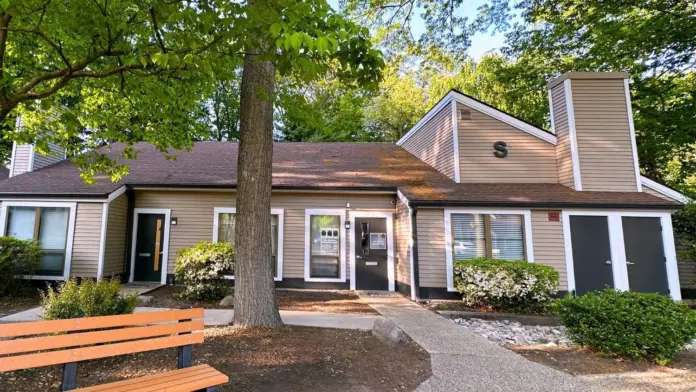
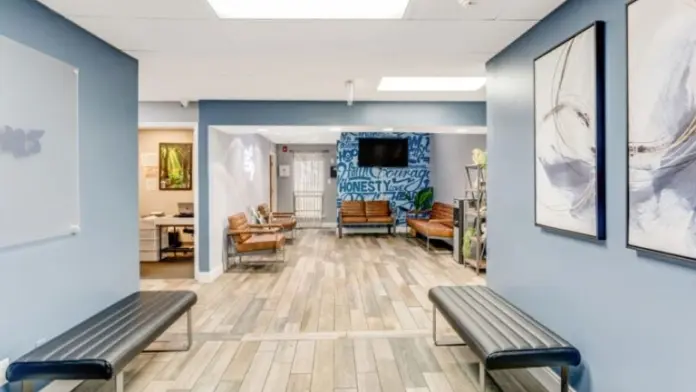
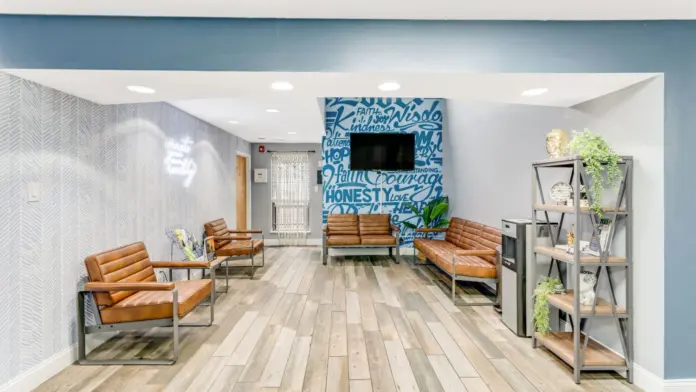
About All In Solutions Counseling Center Cherry Hill
All In Solutions Cherry Hill Drug & Alcohol Rehab offers a full continuum of addiction treatment programs designed to support long-term recovery through personalized, evidence-based care. Conveniently located in South Jersey, AIS Cherry Hill serves clients throughout the region with Partial Hospitalization (PHP), Intensive Outpatient (IOP), and traditional Outpatient (OP) levels of care. For individuals requiring medical detox or inpatient stabilization, we coordinate closely with trusted local detox facilities to ensure seamless transitions into our care.
Our approach blends clinical excellence with compassion, drawing from both science and lived experience. We offer medication-assisted treatment (MAT) for those struggling with opioid and alcohol dependence, helping reduce cravings and prevent relapse while clients build a solid foundation in recovery. Our programs incorporate trauma therapy, family therapy, and gender-specific group counseling, creating safe and supportive spaces for both men and women to heal in ways that honor their unique experiences.
AIS Cherry Hill also provides specialty tracks including a faith-based Christian recovery program for clients who want to integrate spiritual growth into their healing journey. Whether you’re seeking clinical structure, emotional support, or a deeper sense of purpose, our individualized treatment plans meet you where you are—and guide you toward lasting change.
Clients at All In Solutions are never just numbers; they’re people with stories, potential, and a future worth fighting for. From your first phone call to the day you graduate from our program, you’ll be supported by a team that truly cares and is committed to walking this path with you.
Facility Overview
 65
65 Number of Available Beds
 31 - 60
 Avg Length of Stay in Days
 $1000
$1000 Avg Cost per Day
Latest Reviews
The clinical building being separate from the housing is a detail that sounds small but makes a big practical difference. You go there to work, and you come back to somewhere calmer when the day is done. That separation gave the whole experience a clearer shape.
Treatment can involve a lot of reflection, learning, and emotional work. Being able to leave the clinical setting afterward and return to a calmer living environment can create a natural transition between the work of the day and the time needed to rest, recharge, and prepare for what comes next.
We appreciate you pointing out a detail that can easily be overlooked when considering a treatment program. It’s great to hear that this separation helped give your days a clearer rhythm and made the overall experience feel more balanced. Thank you for sharing your perspective on All In Solutions. 💙
Response from the owner1 week ago
That distinction between having a place dedicated to treatment and another space where you can decompress at the end of the day is an important one. We’re glad the separate clinical and housing environments at All In Solutions New Jersey Drug & Alcohol Rehab added a helpful sense of structure to your experience.Treatment can involve a lot of reflection, learning, and emotional work. Being able to leave the clinical setting afterward and return to a calmer living environment can create a natural transition between the work of the day and the time needed to rest, recharge, and prepare for what comes next.
We appreciate you pointing out a detail that can easily be overlooked when considering a treatment program. It’s great to hear that this separation helped give your days a clearer rhythm and made the overall experience feel more balanced. Thank you for sharing your perspective on All In Solutions. 💙
Friday afternoons they bring in alumni speakers. Sitting in a room listening to someone who's been through it and come out the other side is different from any group session with a counselor. It was one of the parts of the week I genuinely looked forward to.
Counselors and clinical groups provide an essential part of treatment, while alumni can bring a different perspective to the room. Hearing someone talk about where they once were, what helped them keep moving forward, and what life has looked like since treatment can make the possibility of long-term recovery feel more tangible.
We love knowing that these Friday afternoons made an impact on you. Staying connected with our alumni also gives current clients a chance to see that the recovery community extends beyond their time in treatment. We appreciate you sharing what those conversations meant to you and wish you continued success in your own journey!
Response from the owner1 week ago
There’s real value in hearing recovery discussed by someone who has personally experienced the challenges that come with it. We’re glad the Friday alumni speakers became something you genuinely looked forward to during your time at All In Solutions New Jersey Drug & Alcohol Rehab, Thomas 🙂Counselors and clinical groups provide an essential part of treatment, while alumni can bring a different perspective to the room. Hearing someone talk about where they once were, what helped them keep moving forward, and what life has looked like since treatment can make the possibility of long-term recovery feel more tangible.
We love knowing that these Friday afternoons made an impact on you. Staying connected with our alumni also gives current clients a chance to see that the recovery community extends beyond their time in treatment. We appreciate you sharing what those conversations meant to you and wish you continued success in your own journey!
The weekly family group, held online so family can join from wherever, is something I wasn't expecting. My family had been through a lot and being able to include them in the process, even from a distance, changed how I felt about what I was doing here. Recovery doesn't happen in a bubble and a program that actually acknowledges that is worth noting.
Addiction can strain relationships, create confusion, and leave family members with their own questions and emotions to work through. Including loved ones in the process can help open lines of communication, build greater understanding, and give families an opportunity to heal and grow alongside the person receiving treatment.
We especially appreciate your point that recovery doesn’t happen in a bubble. Building a healthier life often involves strengthening the support system that will still be there long after treatment ends. It means a lot to know that involving your family helped you feel differently about the work you were doing at All In Solutions, and we wish you and your loved ones continued healing and connection moving forward 🫶
Response from the owner1 week ago
Hi William 👋 Recovery can affect an entire family, so we’re glad the weekly family group became such a meaningful part of your experience at All In Solutions New Jersey Drug & Alcohol Rehab. Providing the group virtually also gives loved ones an opportunity to participate and learn, even when distance or other responsibilities might otherwise make that difficult.Addiction can strain relationships, create confusion, and leave family members with their own questions and emotions to work through. Including loved ones in the process can help open lines of communication, build greater understanding, and give families an opportunity to heal and grow alongside the person receiving treatment.
We especially appreciate your point that recovery doesn’t happen in a bubble. Building a healthier life often involves strengthening the support system that will still be there long after treatment ends. It means a lot to know that involving your family helped you feel differently about the work you were doing at All In Solutions, and we wish you and your loved ones continued healing and connection moving forward 🫶

Rehab Score
 Our Methodology
Scoring is assigned by a proprietary system which helps surface key metrics that determine quality. The 10-point scale factors in categories such as operations, customer satisfaction, and trust metrics. Read Full Methodology

9.4 / 10
Gallery

Accepted Insurance

Premera

Medica
Oxford Health Plans
Other Forms of Payment
Private insurance refers to any kind of healthcare coverage that isn't from the state or federal government. This includes individual and family plans offered by an employer or purchased from the Insurance Marketplace. Every plan will have different requirements and out of pocket costs so be sure to get the full details before you start treatment.
Self-pay involves paying for treatment out of your own pocket. You can use savings or credit, get a personal loan, or receive help from family and friends to fund your treatment. If you don't have insurance or your insurance plan doesn't cover a specific program, self-pay can help ensure you still get the care you need.
Addiction Treatments
Levels of Care
Our Outpatient Program(OP) is the least structured level of treatment, offering a great amount of personal freedom. OP provides 5-8 hours of group and individual therapy per week and is ideal for those who have full time obligations or those who have already completed a more intensive level of care and are simply looking for some supplementary assistance.
Intensive Outpatient, also known as IOP, is one step down from PHP. Those in IOP will typically only attend group sessions 3 to 5 days a week – and for fewer hours. The clients will be attending Intensive Outpatient will typically attend between 3 and 5 hours of care on each day of attendance. This level of treatment is ideal for those who are stepping down from a higher level of care, or for those who are attending school or work on a part-time basis. Once an individual has completed our IOP program, he or she will step down to OP.
12-step programs are addiction recovery models based on Alcoholics Anonymous (AA). A number of substance abuse programs (including some drug and alcohol rehab centers) use the 12 steps as a basis for treatment. Beginning steps involve admitting powerlessness over the addiction and creating a spiritual basis for recovery. Middle steps including making direct amends to those who've been hurt by the addiction, and the final step is to assist others in addiction recovery in the same way. 12-Step offshoots including Narcotics Anonymous (NA), Cocaine Anonymous (CA), Dual Recovery Anonymous (DRA), Sex and Love Addicts Anonymous (SLAA) and Gamblers Anonymous (GA).
Completing a drug or alcohol rehab program shouldn't spell the end of substance abuse treatment. Aftercare involves making a sustainable plan for recovery, including ongoing support. This can include sober living arrangements like halfway houses, career counseling, and setting a patient up with community programs like Alcoholics Anonymous (AA) or Narcotics Anonymous (NA).
Clients often enter inpatient rehab following detox, but they may also enroll during early recovery or at an increased risk of relapse. Inpatient rehabs provide housing, meals, and intensive clinical supervision, allowing clients to focus exclusively on their recovery in a highly structured and supportive environment. Clients typically receive multiple individual, group, and/or family therapy sessions weekly. Many programs also offer extensive addiction education and recovery-focused life skills training. Integrative inpatient rehabs provide holistic therapies as well.
A partial hospitalization program (PHP) is a short-term, intensive outpatient option designed for those with moderate to severe addictions who don't require 24-hour care. PHP treatment is often fully covered by insurance and provides structured programming (i.e. individual and group therapy). A typical partial hospitalization program can meet 3-5 days a week for a minimum of 20 hours, offering intensive treatment during the day while allowing you to return home after. PHP treatment duration can vary based on your progress but averages 90 days.
A sober living home in New Jersey is for individuals who are recovering from alcohol and drug addiction issues. This type of halfway house residence is focused on helping individuals learn and apply the tools of recovery. The setting provides fellowship, support, and structure to prevent relapse. The homes are typically designed for either men or women, but some may offer space for women with their children.
Treatments
The goal of treatment for alcoholism is abstinence. Those with poor social support, poor motivation, or psychiatric disorders tend to relapse within a few years of treatment. For these people, success is measured by longer periods of abstinence, reduced use of alcohol, better health, and improved social functioning. Recovery and Maintenance are usually based on 12 step programs and AA meetings.
Drug rehab in New Jersey is the process of addressing the complex issues involved with addiction. Challenges are identified and addressed through individual and group counseling. Participants learn how to manage these issues without the use of substances.
They are a dual-diagnosis facility and provide professional mental health care to those who require it. There exists a complex relationship between substance abuse disorders and mental health issues. Sometimes clients will have a difficult time recovering if they have untreated and underlying symptoms of depression, anxiety or PTSD. It is crucial that all issues, addictions and disorders are treated effectively and concurrently. They have an on-site psychiatrist, available to diagnose all underlying disorders and pharmaceutically treat them when deemed appropriate.
Opioid rehabs specialize in supporting those recovering from opioid addiction. They treat those suffering from addiction to illegal opioids like heroin, as well as prescription drugs like oxycodone. These centers typically combine both physical as well as mental and emotional support to help stop addiction. Physical support often includes medical detox and subsequent medical support (including medication), and mental support includes in-depth therapy to address the underlying causes of addiction.
Substance rehabs focus on helping individuals recover from substance abuse, including alcohol and drug addiction (both illegal and prescription drugs). They often include the opportunity to engage in both individual as well as group therapy.
 Mental Health And Substance Abuse
Programs
Adult rehab programs include therapies tailored to each client's specific needs, goals, and recovery progress. They are tailored to the specific challenges adult clients may face, including family and work pressures and commitments. From inpatient and residential treatment to various levels of outpatient services, there are many options available. Some facilities also help adults work through co-occurring conditions, like anxiety, that can accompany addiction.
Young adulthood can be an exciting, yet difficult, time of transition. Individuals in their late teens to mid-20s face unique stressors related to school, jobs, families, and social circles, which can lead to a rise in substance use. Rehab centers with dedicated young adult programs will include activities and amenities that cater to this age group, with an emphasis on specialized counseling, peer socialization, and ongoing aftercare.
Men face specific challenges and concerns when seeking addiction treatment. Gender-specific recovery programs help them tackle these issues head-on in an environment that's focused, targeted, and distraction-free. It also gives them the opportunity to connect with and learn from other men who have been through a similar journey and can offer support for the next step.
Rehabs for women provide a safe, nurturing space for female clients to heal. These treatment programs consider the specific obstacles that women can face during recovery and place a special emphasis on mental, social, physical, and reproductive health. They explore how each woman's experience has shaped the trajectory of their substance use, addressing issues such as sexual abuse and past trauma.
Clinical Services
Cognitive Behavioral Therapy (CBT) is a therapy modality that focuses on the relationship between one's thoughts, feelings, and behaviors. It is used to establish and allow for healthy responses to thoughts and feelings (instead of unhealthy responses, like using drugs or alcohol). CBT has been proven effective for recovering addicts of all kinds, and is used to strengthen a patient's own self-awareness and ability to self-regulate. CBT allows individuals to monitor their own emotional state, become more adept at communicating with others, and manage stress without needing to engage in substance abuse.
Creativity is inherently healing, and can help those in recovery express thoughts or feelings they might not otherwise be able to. Creative arts therapy can include music, poetry/writing, painting, sculpting, dance, theater, sandplay, and more. Unlike traditional art, the final product matters far less than the experience of creation and expression itself.
Dialectical Behavior Therapy (DBT) is a modified form of Cognitive Behavioral Therapy (CBT), a treatment designed to help people understand and ultimately affect the relationship between their thoughts, feelings, and behaviors. DBT is often used for individuals who struggle with self-harm behaviors, such as self-mutilation (cutting) and suicidal thoughts, urges, or attempts. It has been proven clinically effective for those who struggle with out-of-control emotions and mental health illnesses like Borderline Personality Disorder.
Experiential therapy is a form of therapy in which clients are encouraged to surface and work through subconscious issues by engaging in real-time experiences. Experiential therapy departs from traditional talk therapy by involving the body, and having clients engage in activities, movements, and physical and emotional expression. This can involve role-play or using props (which can include other people). Experiential therapy can help people process trauma, memories, and emotion quickly, deeply, and in a lasting fashion, leading to substantial and impactful healing.
Addiction truly is a family disease – and not merely because the devastation that addiction causes will touch everyone involved. Families of recovering addicts require care and support of their own, in order to heal alongside their loved one while learning to support them in the healthiest and most helpful way possible. They employ family therapy sessions and offer support groups to the families of their clients to help them to further understand the disease of addiction, while simultaneously learning how to best support their loved ones on their personal journeys of recovery.
Group therapy is any therapeutic work that happens in a group (not one-on-one). There are a number of different group therapy modalities, including support groups, experiential therapy, psycho-education, and more. Group therapy involves treatment as well as processing interaction between group members.
In individual therapy, a patient meets one-on-one with a trained psychologist or counselor. Therapy is a pivotal part of effective substance abuse treatment, as it often covers root causes of addiction, including challenges faced by the patient in their social, family, and work/school life.
Life skills trainings involve all the skills a person must have in order to function successfully in the world. These include time management, career guidance, money management, and effective communication. Truly successful addiction recovery is based on the ability to not only live substance-free, but to thrive. Life skills teaches the practical necessities of functioning in society, which sets clients up for success in life, and therefore sobriety.
Motivational Interviewing (MI) is a clinical approach to helping people with substance abuse issues and other conditions shift behavior in positive ways. It is more goal-oriented than traditional psychotherapy, as MI counselors directly attempt to get clients to consider making behavioral change (rather than wait for them to come to conclusions themselves). Its primary purpose is to resolve ambivalence and help clients become able to make healthy choices freely.
Trauma therapy addresses traumatic incidents from a client's past that are likely affecting their present-day experience. Trauma is often one of the primary triggers and potential causes of addiction, and can stem from child sexual abuse, domestic violence, having a parent with a mental illness, losing one or both parents at a young age, teenage or adult sexual assault, or any number of other factors. The purpose of trauma therapy is to allow a patient to process trauma and move through and past it, with the help of trained and compassionate mental health professionals.
 Eye Movement Desensitization And Reprocessing
Rational behavior therapy in addiction treatment gives you the tools you need to identify and address thinking pattern distortions that have contributed to addictive behavior. This therapy in New Jersey is highly structured around specific and measurable goals you and your therapist set together. They usually include fostering rational thinking and emotional stability to support sustained recovery.
Amenities
-
 Private Rooms
 -
 Acupuncture Room
 -
 Massage Room
 -
 Private Setting
 -
 Private Transportation
 -
 Residential Setting
Staff & Accreditations
Staff

Luke Peck
Founder

Dennis Ryan
CEO

Allen Masry, MD, DFAPA, FASAM
Medical Director

Kate Greenwald, LPC, LCADC
Executive Director
Accreditations

The Joint Commission, formerly known as JCAHO, is a nonprofit organization that accredits rehab organizations and programs. Founded in 1951, the Joint Commision's mission is to improve the quality of patient care and demonstrating the quality of patient care.
Joint Commission Accreditation: Yes
Accreditation Number: 591581

The Substance Abuse and Mental Health Services Administration (SAMHSA) is a branch of the U.S. Department of Health and Human Services. Established in 1992 by congress, SAMHSA's mission is to reduce the impact of substance abuse and mental illness on American's communities.
SAMHSA Listed: Yes

State Licenses are permits issued by government agencies that allow rehab organizations to conduct business legally within a certain geographical area. Typically, the kind of program a rehab facility offers, along with its physical location, determines which licenses are required to operate legally.
State License: New Jersey

LegitScript has reviewed All In Solutions Counseling Center Cherry Hill as part of their certification program, and has determined that it meets the LegitScript standards for legality, safety and transparency.
LegitScript verified in

The National Association of Addiction Treatment Providers (NAATP) is a professional association that represents organizations in the field of addiction services. Founded in 1978, NAATP's mission is to advance addiction services and ensure that high-quality addiction treatment is available and accessible.
NAATP Member: Yes
Rehab.com regularly reviews this listing for accuracy but changes may occur between updates. For the most up-to-date information, please contact All In Solutions Counseling Center Cherry Hill.
Contact Information

1930 East Marlton Pike
Building G
Cherry Hill NJ, 08003
Get Help Now - 856-460-9043
Sponsored Helpline
Sponsored Helpline


