






























































































I was a parent who sent my child here. He was subjected to emotional abuse on the daily. We decided to send our son here without much research because of the urgency of his situation. What a mistake. He seemed to get worse every phone call. He came back after "graduating" th ...
About Teen Challenge Adventure Ranch
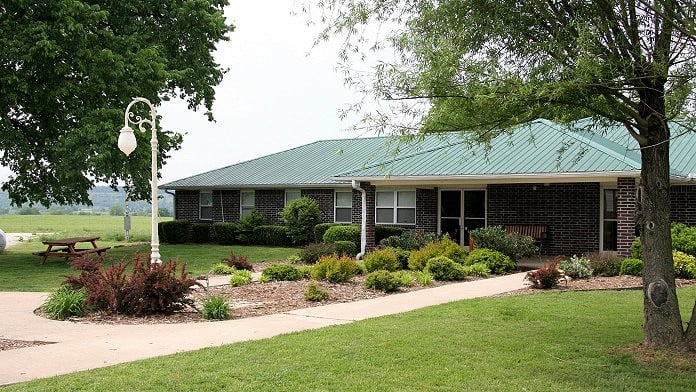
The first four phases of treatment take place when the boys are residents and lasts about nine to 12 months. The fifth program level consists of six to nine months and occurs when your child goes back home. During the residence portion, parents and guardians will attend several family reconnection weekends. This program is faith based and has a strong academic component.
Teen Challenge is a Christ centered program with daily chapels, Bible studies, special retreats, and mission trips. They use an integrated model of therapy with biblical concepts and various psychological approaches. The residents will also experience crisis management, motivational interviewing, adventure therapy, and accelerated resolution therapy.
Aftercare is a minimum of six months. During these sessions your child will go over their transitions to education and family life, any relapse prevention issues, and vocational activities and goals.
Former clients and parents say that this is a wonderful program and an amazing facility. Other clients say that the staff is friendly and professional.

Rehab Score
 Our Methodology
Scoring is assigned by a proprietary system which helps surface key metrics that determine quality. The 10-point scale factors in categories such as operations, customer satisfaction, and trust metrics. Read Full Methodology

5.1 / 10
Gallery

Accepted Insurance
Other Forms of Payment
Private insurance refers to any kind of healthcare coverage that isn't from the state or federal government. This includes individual and family plans offered by an employer or purchased from the Insurance Marketplace. Every plan will have different requirements and out of pocket costs so be sure to get the full details before you start treatment.
Self-pay involves paying for treatment out of your own pocket. You can use savings or credit, get a personal loan, or receive help from family and friends to fund your treatment. If you don't have insurance or your insurance plan doesn't cover a specific program, self-pay can help ensure you still get the care you need.
Addiction Treatments
Levels of Care
Residential treatment programs are those that offer housing and meals in addition to substance abuse treatment. Rehab facilities that offer residential treatment allow patients to focus solely on recovery, in an environment totally separate from their lives. Some rehab centers specialize in short-term residential treatment (a few days to a week or two), while others solely provide treatment on a long-term basis (several weeks to months). Some offer both, and tailor treatment to the patient's individual requirements.
Clients in addiction recovery typically require robust, ongoing support, which rehab aftercare programs are designed to provide. These programs are premised on the idea that clients' mental, emotional, physical, social, and financial wellbeing is essential to recovery. Clients collaborate with their case managers and addiction recovery team to identify the rehab aftercare services they will need to thrive while in recovery. Clients may receive peer coaching, career counseling, and 12 step program induction, among other services.
12 step programs are designed to foster participants' recovery through spiritual development, promoting healing in mind, body, and spirit. Participants engage in 12 step meetings, which are free, anonymous, and accessible daily, including evening, night, and weekend group sessions. Participants also self-select a sponsor to support them throughout their recovery journey. Though rooted in spiritual principles, participants do not have to be religiously-affiliated. Specialized formats, including gender and age-specific ones, are available.
Intervention services helps family or friends of addicts stage an intervention, which is a meeting in which loved ones share their concerns and attempt to get an addict into treatment. Professional intervention specialists can help loved ones organize, gather, and communicate with an addict. They can guide intervention participants in describing the damage the addict's behavior is causing and that outside help is necessary to address the addiction. The ideal outcome of an intervention is for the addict to go to rehab and get the help they need.
During many phases of addiction treatment, you'll need to receive 24-hour clinical care in Arkansas. This supervision ensures your safety during the detox process. Licensed medical professionals and experienced addiction specialists provide medication management, non-addictive medication to curb withdrawal symptoms, and frequent monitoring of vital signs.
As a short-term outpatient treatment option, a partial hospitalization program (PHP) is often beneficial for those who don't need 24-hour care. PHPs can be used as an alternative to inpatient hospitalization or as a step down from a residential program. For a minimum of 20 hours a week, you'll make a commute to the center and return home in the evening. During PHP treatment, you can receive medication management, relapse prevention strategies, and behavioral therapy interventions.
Clients enrolled in intensive outpatient programs (IOP) may receive up to 20 hours of outpatient treatment per week, but a minimum of nine hours is standard. The intensity and frequency of treatment declines gradually as clients become more stable and prepare to transition to standard outpatient programs. Intensive outpatient treatments generally encompass a variety of modalities, including individual, group, and family therapy, recovery-focused life skills training, and medication assisted treatment (MAT).
Treatments
The goal of treatment for alcoholism is abstinence. Those with poor social support, poor motivation, or psychiatric disorders tend to relapse within a few years of treatment. For these people, success is measured by longer periods of abstinence, reduced use of alcohol, better health, and improved social functioning. Recovery and Maintenance are usually based on 12 step programs and AA meetings.
The goal of drug rehab in Arkansas is to help individuals stop using addictive substances and learn healthy ways to remain clean long-term. Participants learn vital skills to cope with cravings and manage stress, to prevent relapse.
Many of those suffering from addiction also suffer from mental or emotional illnesses like schizophrenia, bipolar disorder, depression, or anxiety disorders. Rehab and other substance abuse facilities treating those with a dual diagnosis or co-occurring disorder administer psychiatric treatment to address the person's mental health issue in addition to drug and alcohol rehabilitation.
A combined mental health and substance abuse rehab has the staff and resources available to handle individuals with both mental health and substance abuse issues. It can be challenging to determine where a specific symptom stems from (a mental health issue or an issue related to substance abuse), so mental health and substance abuse professionals are helpful in detangling symptoms and keeping treatment on track.
Opioid rehabs specialize in supporting those recovering from opioid addiction. They treat those suffering from addiction to illegal opioids like heroin, as well as prescription drugs like oxycodone. These centers typically combine both physical as well as mental and emotional support to help stop addiction. Physical support often includes medical detox and subsequent medical support (including medication), and mental support includes in-depth therapy to address the underlying causes of addiction.
In Arkansas, substance abuse treatment programs can help you overcome drug and alcohol addiction. These comprehensive programs offer various levels of care and evidence-based therapies like cognitive-behavioral therapy (CBT), dialectical behavior therapy (DBT), and eye movement desensitization and reprocessing (EMDR). The programs effectively address substance abuse and any co-occurring disorders.
Addiction treatment includes a heavy focus on mental health during your inpatient program. No matter the type of facility you choose - hospitals, clinics, or luxurious, hotel-like facilities - they all provide 24-hour care in a safe environment with mental health therapists and clinical staff. Mental health services include various treatment options, including individual and group counseling, addiction and relapse prevention education, and coping skills training. Additional offerings like family therapy, recreational opportunities, yoga, or mindfulness training may be available.
Programs
Teen programs are designed to address the unique pressures teens face, pressures that can drive them to experiment with dangerous, addictive substances. They need programs that meet them exactly where they are and give them tools for long-term recovery. Therapy can help teenagers understand and work through underlying issues so they can reclaim the life ahead of them.
Clinical Services
Cognitive Behavioral Therapy (CBT) is a therapy modality that focuses on the relationship between one's thoughts, feelings, and behaviors. It is used to establish and allow for healthy responses to thoughts and feelings (instead of unhealthy responses, like using drugs or alcohol). CBT has been proven effective for recovering addicts of all kinds, and is used to strengthen a patient's own self-awareness and ability to self-regulate. CBT allows individuals to monitor their own emotional state, become more adept at communicating with others, and manage stress without needing to engage in substance abuse.
Developed in the 1970s, dialectical behavior therapy (DBT) is a type of psychotherapy based in cognitive behavior therapy. DBT is designed specifically to help people who experience emotions intensely. It is used to treat substance use disorder, anxiety, and depression, among other mental health disorders.
 Equine Therapy
Group therapy is any therapeutic work that happens in a group (not one-on-one). There are a number of different group therapy modalities, including support groups, experiential therapy, psycho-education, and more. Group therapy involves treatment as well as processing interaction between group members.
Individual therapy gives men and women in Arkansas the chance to engage in one on one therapy sessions that focus on identifying personal triggers and high risk situations for drug and alcohol addiction. Your therapist works together with you to develop coping strategies and build resilience that promotes sustainable recovery.
Motivational interviewing is a conversational approach to treatment. It helps you express your desire for change, reflect on any ambivalence you're feeling about change, and plan for the next steps to make the changes you desire.
The goal of trauma therapy is to address the lingering mental, emotional, and physical lingering effects of a traumatic event. Your therapist helps you process this trauma and build resilience to face future challenges.
 Eye Movement Desensitization And Reprocessing
Families in Arkansas use family therapy to enhance communication and understand the effect that addiction has on family members. The goal is to help members identify and modify negative behaviors and create a more cohesive and supportive environment that is conducive to recovery.
Life skills trainings involve all the skills a person must have in order to function successfully in the world. These include time management, career guidance, money management, and effective communication. Truly successful addiction recovery is based on the ability to not only live substance-free, but to thrive. Life skills teaches the practical necessities of functioning in society, which sets clients up for success in life, and therefore sobriety.
Amenities
-
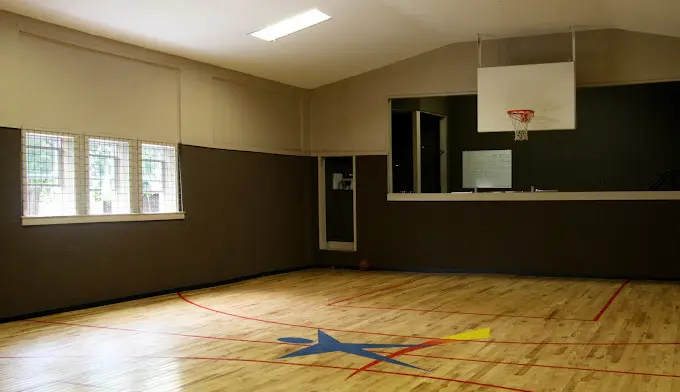
 Gym
Gym -
 Wifi
Wifi -
 Residential Setting
 -
 Private Rooms
 -
 Hiking
Staff & Accreditations
Staff
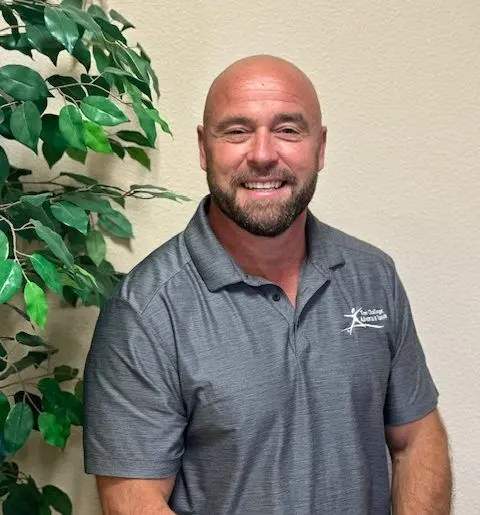
Justin Smith
CEO & Executive Director
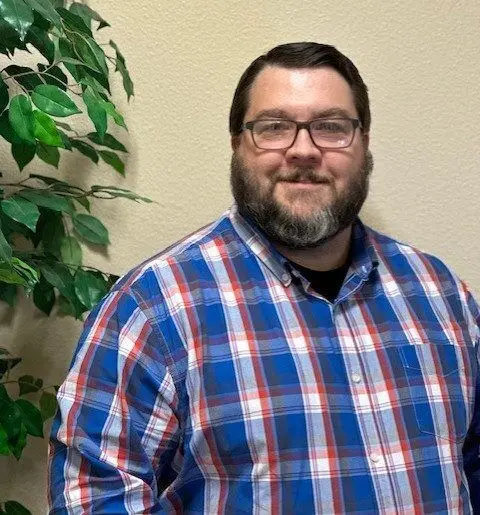
Jeremiah Morris
Business Manager
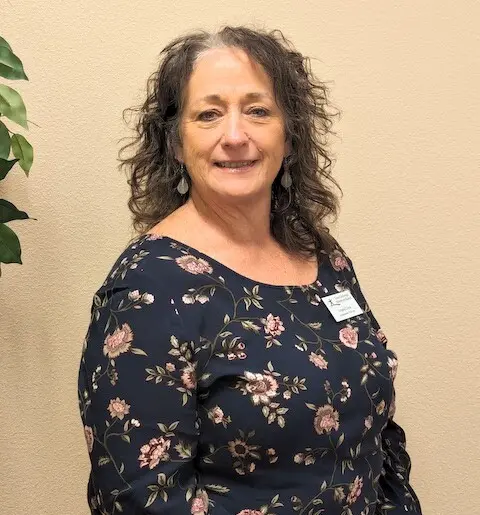
Angela Clyne
Director of Admissions
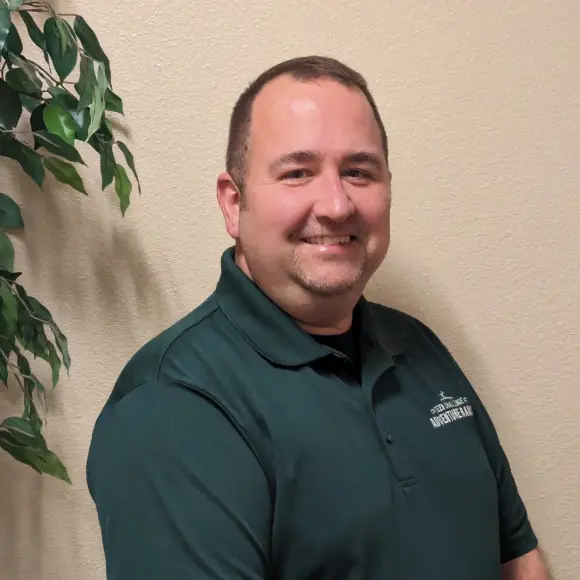
Richie Swearingen
Director of Clinical Operations
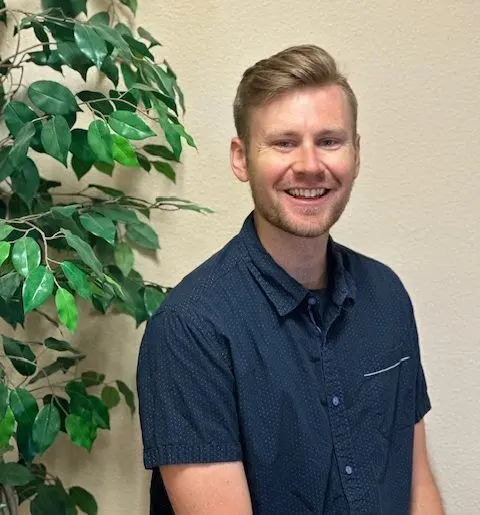
Adam Persenaire
Therapist Supervisor
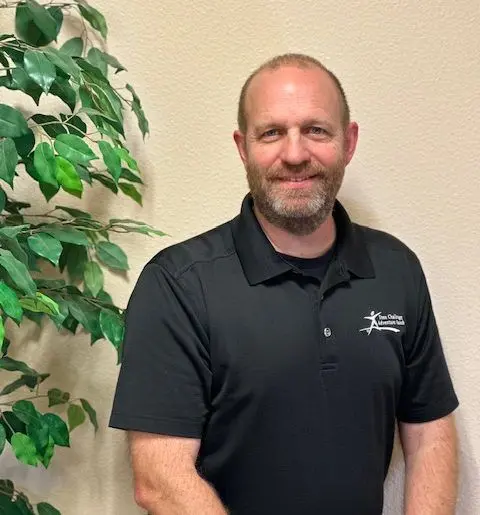
Ronnie Jones
Supervising Case Manager
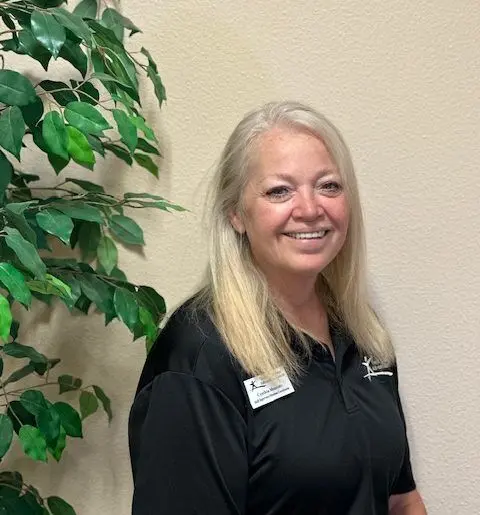
Cynthia Montoto, Missions Coordinator
Shift Supervisor
Accreditations

The Commission on Accreditation of Rehabilitation Facilities (CARF) is a non-profit organization that specifically accredits rehab organizations. Founded in 1966, CARF's, mission is to help service providers like rehab facilities maintain high standards of care.
CARF Accreditation: Yes
Rehab.com regularly reviews this listing for accuracy but changes may occur between updates. For the most up-to-date information, please contact Teen Challenge Adventure Ranch.
Contact Information

19778 Boys Home Road
WC431
Morrow, AR 72749
Get Help Now - 479-326-4898
Sponsored Helpline
Sponsored Helpline

