










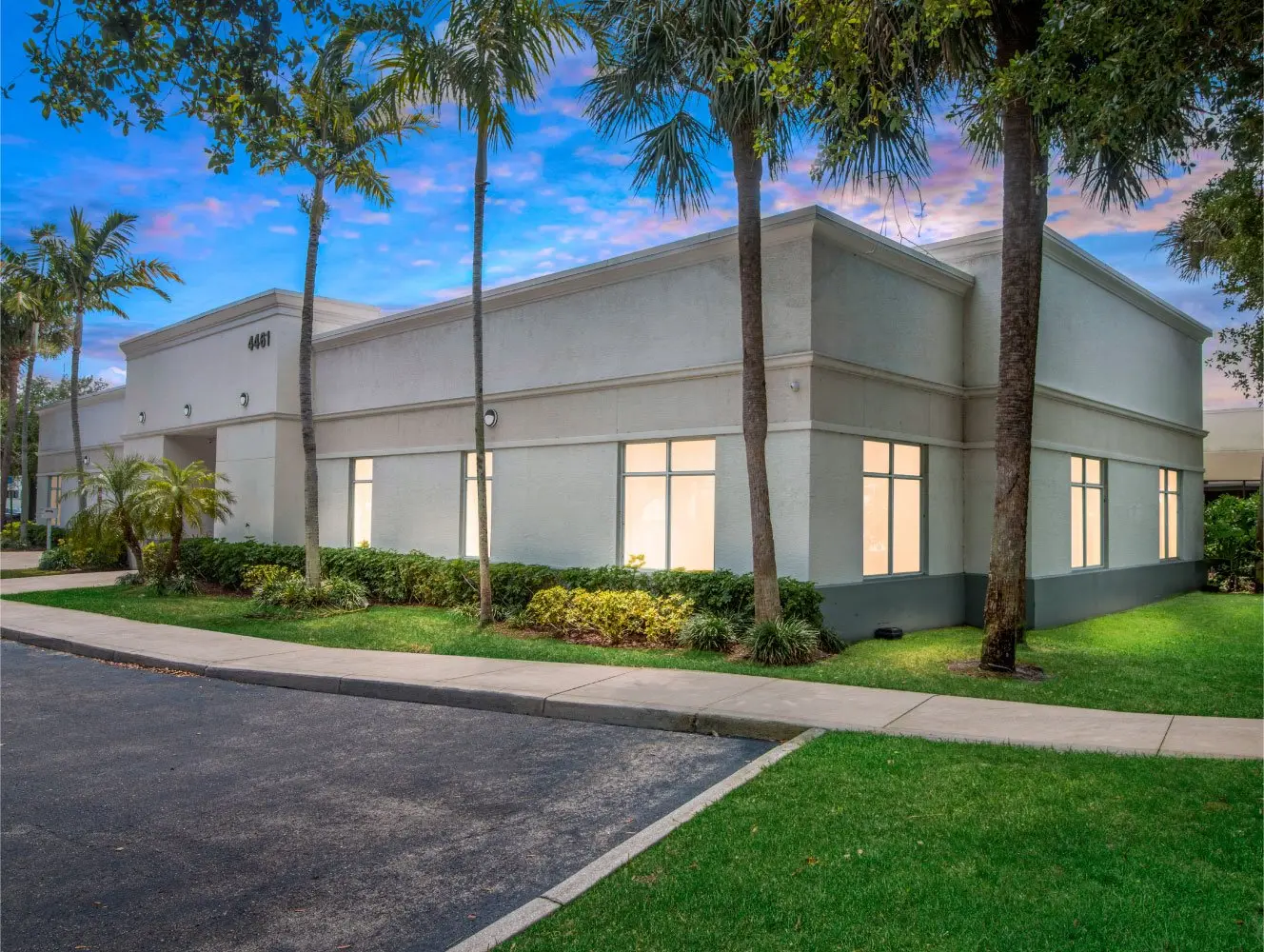
All In Solutions Wellness Center
1
Top 10 Rehab Centers In West Palm Beach



















































































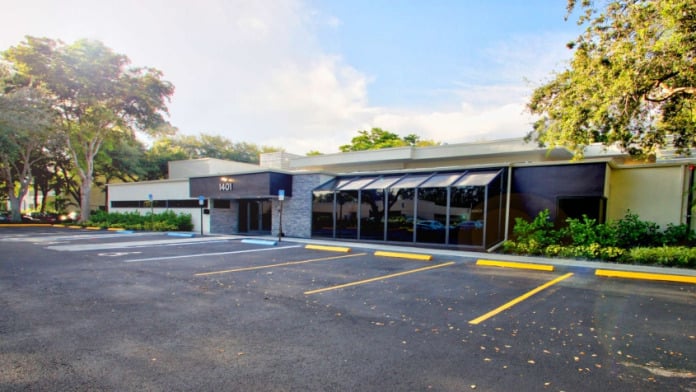
Their custom therapy for dual diagnosis conditions integrates substance use and mental health interventions. You can expect a mix of cognitive behavioral therapy (CBT) and motivational incentives. CBT encompasses individual and group therapy sessions, coping skills development and relapse prevention tools. This aims to help you develop a healthier way of thinking and break away from negative behavioral patterns that result in addiction and mental crisis. Integrative services such as massage therapy, meditation and nutrition education are also provided. You’ll also get chiropractic care and acupuncture to help with pain relief and overall well being.
The goal of this treatment is to heal you psychologically, spiritually and physically. Their recovery procedure emphasizes family support, so your loved ones are involved in therapy. The program lasts three to four weeks depending on your needs. Once you complete treatment their team will facilitate your transition to the next phase of your recovery journey.
Kandela is Joint Commission Accredited and LegitScript certified. This confirms their commitment to quality care. Comments from past clients show that they had a great experience and received outstanding support during their recovery in this facility.

 Our Methodology


Self-pay involves paying for treatment out of your own pocket. You can use savings or credit, get a personal loan, or receive help from family and friends to fund your treatment. If you don't have insurance or your insurance plan doesn't cover a specific program, self-pay can help ensure you still get the care you need.
Private insurance refers to any kind of healthcare coverage that isn't from the state or federal government. This includes individual and family plans offered by an employer or purchased from the Insurance Marketplace. Every plan will have different requirements and out of pocket costs so be sure to get the full details before you start treatment.
Outpatient rehabs encompass multiple levels of care to facilitate clients' progress through their recovery journey. Clients who are stepping down from inpatient treatment may require intensive outpatient (IOP) treatment, which involves more frequent and substantive therapeutic interventions than does standard outpatient care. Outpatient centers typically provide extensive addiction counseling, including individual, group, and family therapy. Medication assisted treatment programs (MAT) and recovery-focused life skills training are also common in outpatient care.
Residential treatment programs are those that offer housing and meals in addition to substance abuse treatment. Rehab facilities that offer residential treatment allow patients to focus solely on recovery, in an environment totally separate from their lives. Some rehab centers specialize in short-term residential treatment (a few days to a week or two), while others solely provide treatment on a long-term basis (several weeks to months). Some offer both, and tailor treatment to the patient's individual requirements.
Rehab aftercare programs are a collection of highly individualized services designed to promote long-term recovery. These services evolve as your needs change. Case managers and recovery teams typically begin formulating the rehab aftercare service plan early in the recovery process to facilitate your reintegration back into the home, workplace, and community.
A sober living home in Florida often serves as a transitional residence for individuals coming out of inpatient rehab. This helps those in recovery avoid isolation that can sometimes happen after they return home from treatment. It offers a supportive environment where they can practice skills learned in rehab. Offering a combination of structure and freedom, men's or women's sober living is a good stepping stone to independent life in recovery.
If a person with a substance use disorder continually denies their problem or refuses to get treatment, a drug intervention in Florida may be necessary. Intervention services can help mediate the intervention by providing an addiction expert. This professional can de-escalate situations and facilitate a healthier discussion between the individual and their loved ones. Specialists can also help families handle issues they don't know how to navigate on their own.
The first step of the recovery process involves the removal of all drugs and alcohol from your system while under 24/7 medical supervision. Known as a medically assisted detox, you are closely monitored by medical staff who can provide medications, if necessary, to help alleviate any potential withdrawal symptoms. Medical detox is usually followed by a period of inpatient addiction treatment.
Substance rehabs focus on helping individuals recover from substance abuse, including alcohol and drug addiction (both illegal and prescription drugs). They often include the opportunity to engage in both individual as well as group therapy.
When you have a mental health disorder and an addiction, it's known as a co-occurring disorder. Since treating both conditions at the same time is critical, you'll want to seek out a dual diagnosis treatment center. These specialized rehabs offer the care needed to overcome both disorders, which drastically increases your chances of success in long-term recovery. Types of therapies provided tend to include individual and group counseling, relapse prevention education, coping skills training, and cognitive behavioral therapy (CBT).
Adult rehab programs include therapies tailored to each client's specific needs, goals, and recovery progress. They are tailored to the specific challenges adult clients may face, including family and work pressures and commitments. From inpatient and residential treatment to various levels of outpatient services, there are many options available. Some facilities also help adults work through co-occurring conditions, like anxiety, that can accompany addiction.
Young adulthood can be an exciting, yet difficult, time of transition. Individuals in their late teens to mid-20s face unique stressors related to school, jobs, families, and social circles, which can lead to a rise in substance use. Rehab centers with dedicated young adult programs will include activities and amenities that cater to this age group, with an emphasis on specialized counseling, peer socialization, and ongoing aftercare.
Therapists who apply cognitive behavioral therapy in Florida believe patient thoughts and behaviors are closely linked. They use this treatment method to help clients change their thought patterns so they can also change behaviors and break free from substance abuse.
Group therapy is any therapeutic work that happens in a group (not one-on-one). There are a number of different group therapy modalities, including support groups, experiential therapy, psycho-education, and more. Group therapy involves treatment as well as processing interaction between group members.
Individual therapy often includes Cognitive Behavioral Therapy. This is a structured approach to identifying and changing negative thought patterns. During therapy you learn how what you think drives your actions so you can develop healthier coping strategies to manage addiction triggers and reduce drug use.
As a short term therapeutic method, motivational interviewing in Florida requires only a couple of sessions. During these sessions, you'll have the opportunity to talk about your circumstances and any discrepancies between your current situation and future goals. You'll then decide for yourself what changes you want to make.
Life skills are the core skills you need for daily success. They can include self care, stress management, daily routines, and emotion control. Rehab treatment includes the development of these skills so you have the tools you need for long term recovery.
Dialectical behavior therapy in Florida consists of individual therapy and group instruction. This structured program is a form of psychotherapy that incorporates the development of skills for managing emotions and relationships.
During family therapy sessions, you navigate the complexities of addiction and are provided tools to help improve communication and resolve conflicts. When you work together, families can better support their loved one's recovery and restore balance and harmony within the household.
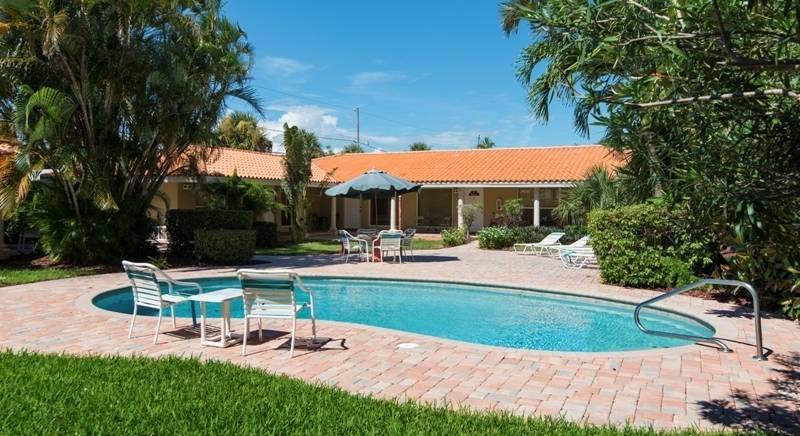
 Residential Setting
  Private Rooms
  Gardens
Owner & CFO
CEO

COO
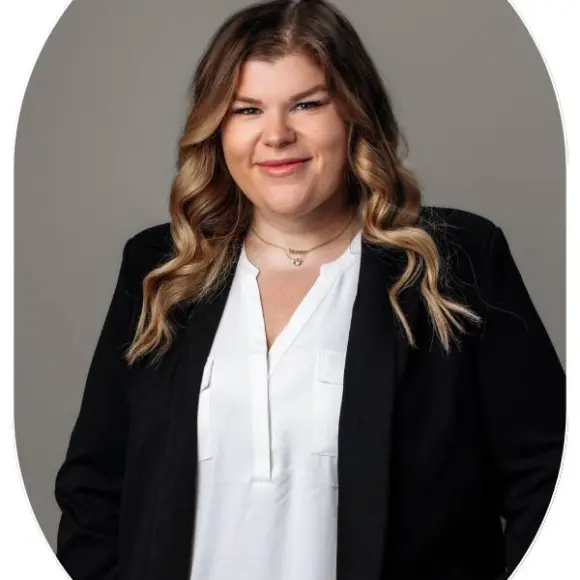
Executive Director of Quality Assurance
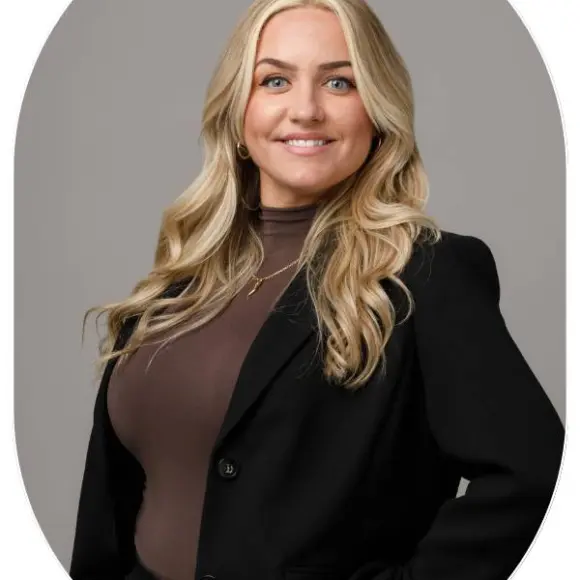
Director of HR
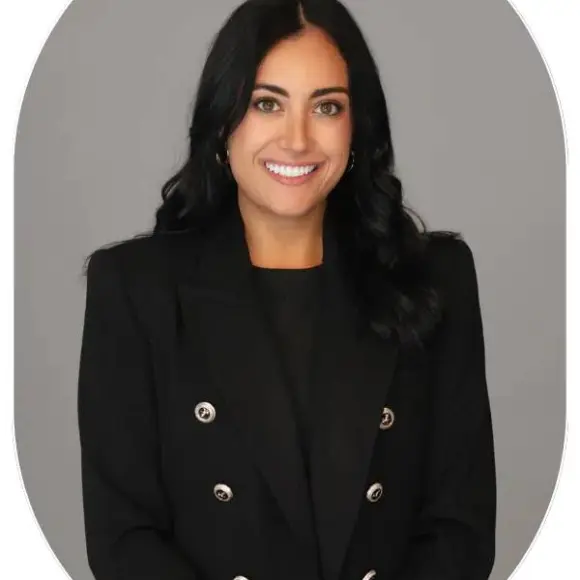
Clinical Director
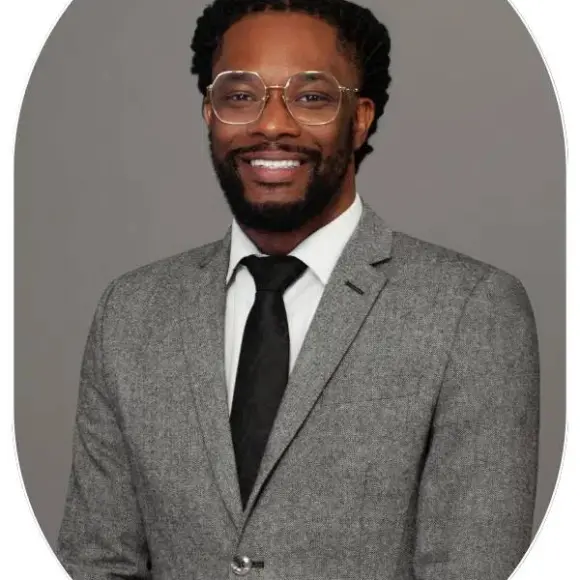
Clinical Director

The Commission on Accreditation of Rehabilitation Facilities (CARF) is a non-profit organization that specifically accredits rehab organizations. Founded in 1966, CARF's, mission is to help service providers like rehab facilities maintain high standards of care.
CARF Accreditation: Yes

The Joint Commission, formerly known as JCAHO, is a nonprofit organization that accredits rehab organizations and programs. Founded in 1951, the Joint Commision's mission is to improve the quality of patient care and demonstrating the quality of patient care.
Joint Commission Accreditation: Yes
Rehab.com regularly reviews this listing for accuracy but changes may occur between updates. For the most up-to-date information, please contact Kandela Recovery Center.

1401 NW 9th Ave
Boca Raton, FL 33486
Sponsored Helpline

This honestly a good place to go the tech are great they make you feel like you home, groups honestly learned so much and I been to couple rehabs but honestly this place I had grown so much they actually care here. I would recommend here if you really want to grow and change.

Kandela was an awesome experience. Loved it!

These people will act like they want to help you, but they really don't. They will drag out moving your case forward for weeks and weeks just to tell you that they can't help you. Find a more professional and caring facility to work with. Don't trust your loved ones with these people. read the reviews.

Wow! Where to start with this MONEY GRABBING AND MANIPULATION/SCARE TACTICS FACILITY! stay far away! they sound so nice on the phone until they pressure you into a decision, one which should be made with your family and with time to decide. The took advantage of my husband knowing full and well he was a veteran with a TBI who required extra time to process information. My husband told them he could come the following week, and when that answer was unacceptable…he wanted to talk to his family and designated caregiver and felt pressure. Given that my husband was going to be in the Bipolar Disorder Treatment Program, you would think the staff is trained and has knowledge about how awful the impulsive decisions can be. My husband left 4 hours away to this place not once but twice, without any money, without most of his things, without having the proper paperwork aligned regarding his children who are my stepchildren and not legally mine. Despite numerous efforts to stop him from admitting, I called SIX TIMES to explain what was happening and have them help this matter so he did not admit YET. I was being put in a position where I would have to quit my job to care for the kids if he did not wait until next week to admit. Admissions manager KYLA decided to take it upon herself to tell my husband that his wife was being manipulative and his mental health matters. So before he even admitted, they were trying to rip him apart from his family. Especially someone that is his designated caregiver through the VA with POA. But did Kyla want to hear any of that? No, she hung up on me. Also, Kyla the admissions manager claims to not have a boss. THIS PLACE JUST WANTS YOUR BUSINESS. THEY CARE ABOUT NOTHING ELSE. PLEASE STAY AWAY FROM THIS HORRIFIC PLACE. SO MANY RED FLAGS BEFORE YOU EVEN GET IN THE DOOR! But if you must, stay away from Kyla! Special place for her ⬇️
 Back
Back
Sharing your insights and experiences can help others learn more about this rehab center.
 Written By: Chika Uchendu


