
 (877) 203-1142

















































 Visit Website
  22
22 


I went to the Haven a few years ago and I will be returning tomorrow. I am not proud of that, but I am glad that a facility like the Haven exists. They actually care at the Haven. It is so very comfortable and clean, great food and amenities but the employees care as well. S ...
About The Haven Detox – Florida Alcohol & Drug Rehab
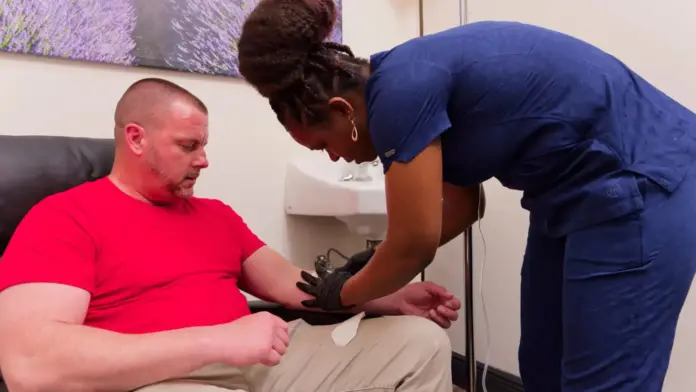
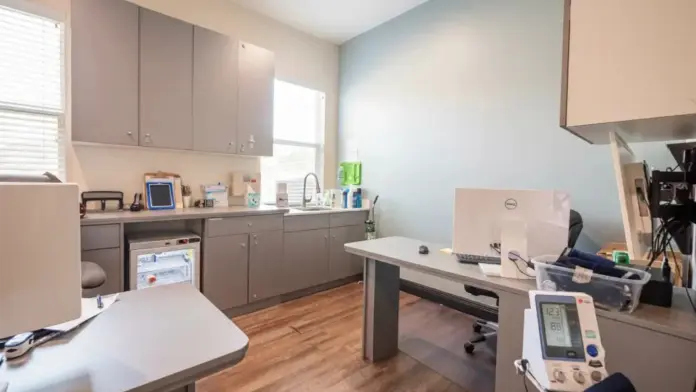
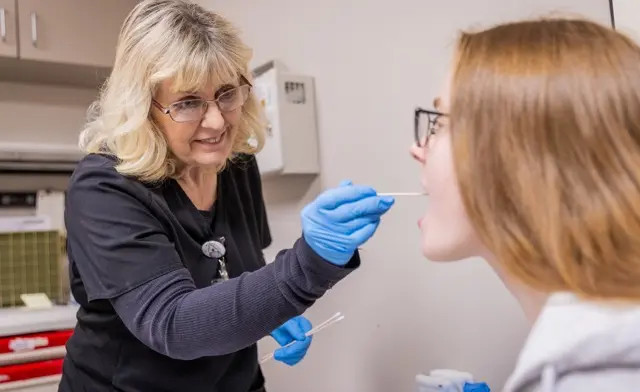
At one of the leading inpatient treatment facilities in Florida, you can expect have a clinical team available 24/7 to medically supervise your detox program while keeping you safe and comfortable. When needed, medication assisted treatment is used alongside other therapeutic methods to help reduce cravings and the anxiety of withdrawal.
You’ll attend individual and group therapy sessions to learn to live a healthy life without substances. This may include cognitive behavioral therapy and dialectical behavior therapy. These approaches are used to address the underlying causes of addiction. They understand that recovery is ongoing, so these methods can help you understand the causes of your addiction to provide a better chance at remaining sober.
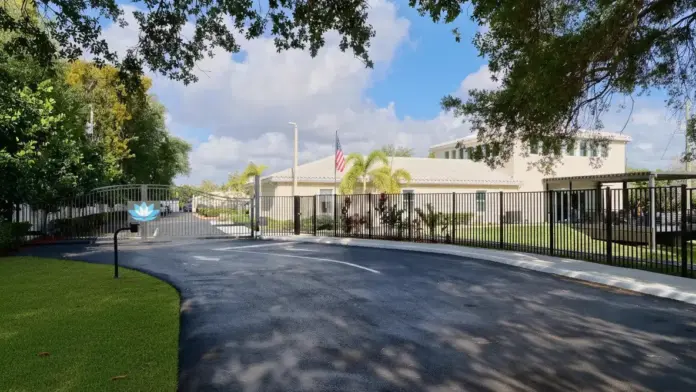
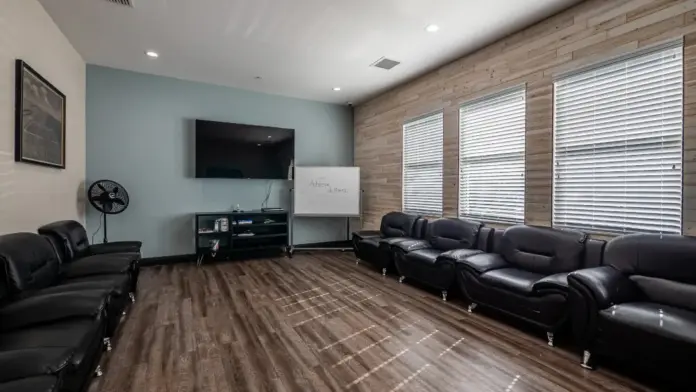
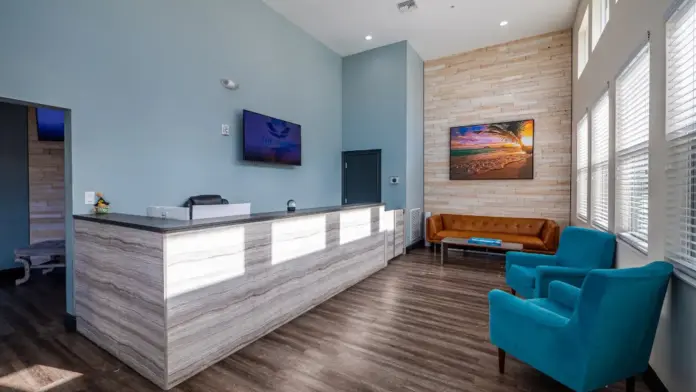
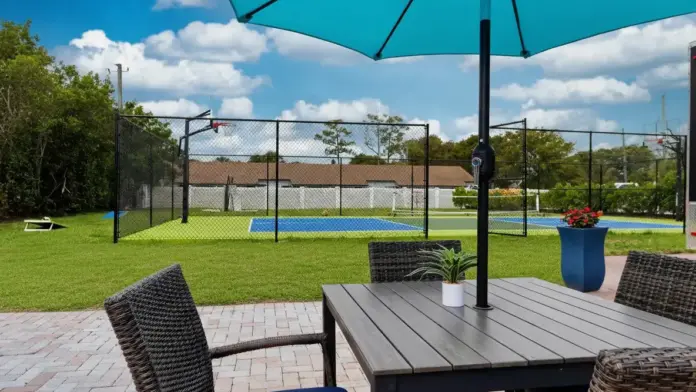
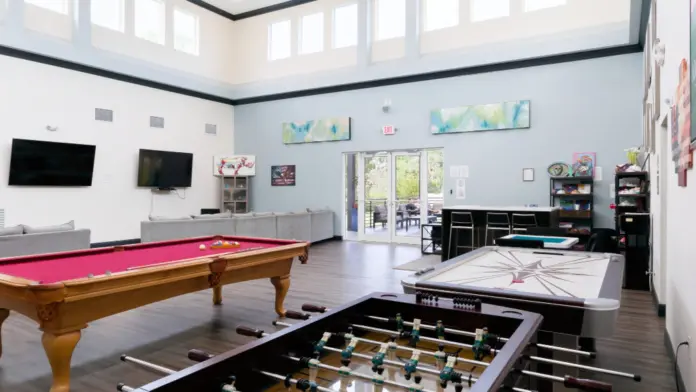
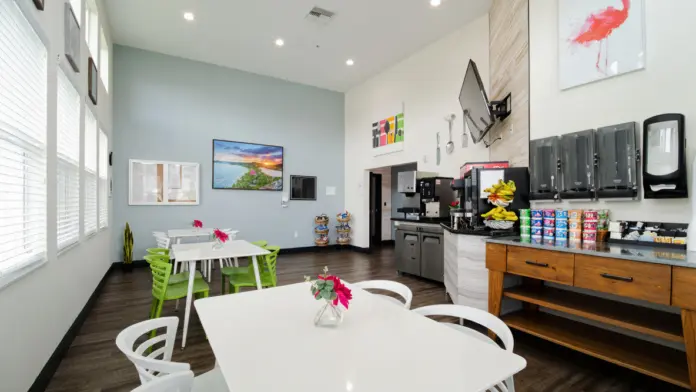
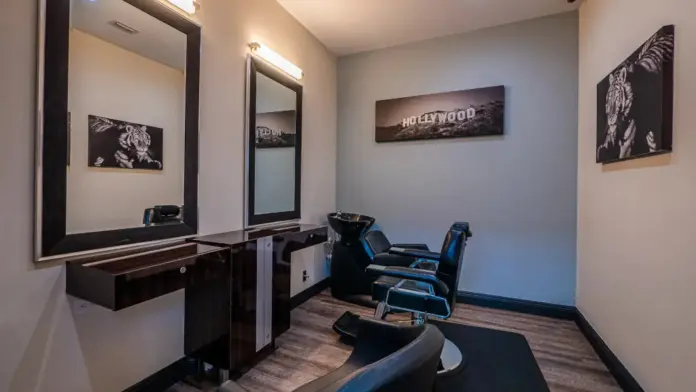
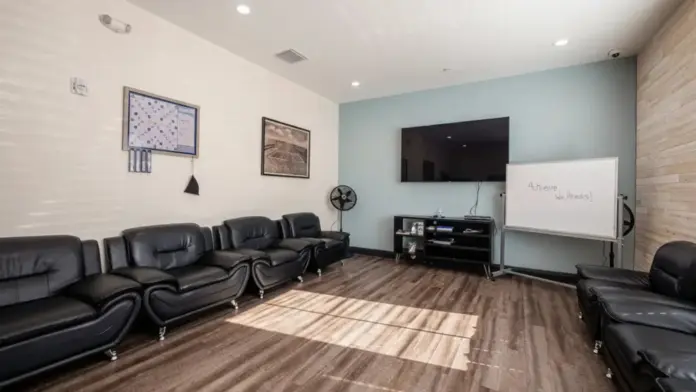
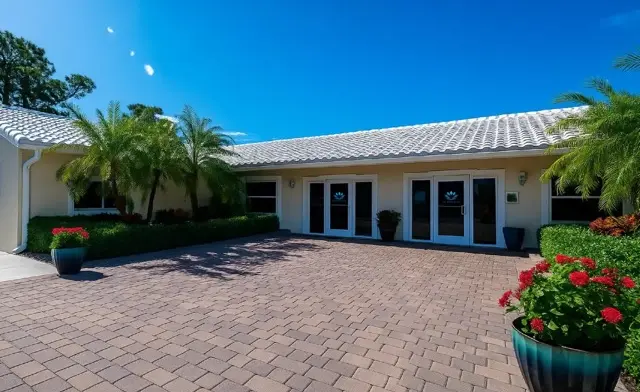
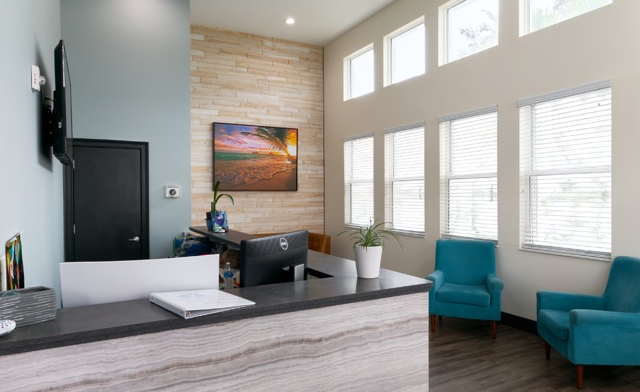
Their amenities include comfortable surroundings in a setting to remind you of home. There’s a spacious lounge and spots for private reflection. IV therapies are also used for deficiencies, hydration needs, and to make you feel better overall and GeneSight testing matches medications to your unique DNA
Their goal is to provide you with the most effective detox treatment possible in a safe, comfortable setting. Aftercare is used to help you continue recovery. You’ll receive resources and tools to overcome and remain sober.
Facility Overview
 54
54 Number of Available Beds
Latest Reviews
See All
Staff is very friendly and accommodating. Definitely received the help I’ve been needing. Good community
I've had an excellent experience here. The staff has met all of my needs. The accommodations are very comfortable. The nursing staff has been very understanding and kind. I have had several one on one sessions with therapists and the group sessions have been very productive. There will probably be negative reviews about this rehab but this isn't my first and there are always people who complain. In my opinion this treatment center will meet your needs if you are truly ready for sobriety. You just have to realize that these centers aren't here to hold your hand but are here for guidance. You have to do the work. If you're truly ready than The Haven is a great place to start.
This facility has given me the time I needed to get my mind and body back into a place of health and peace. The staff was friendly, amenities caring and food good. Grateful for the opportunity to complete treatment there.

Rehab Score
 Our Methodology
Scoring is assigned by a proprietary system which helps surface key metrics that determine quality. The 10-point scale factors in categories such as operations, customer satisfaction, and trust metrics. Read Full Methodology

9.2 / 10
Gallery





Accepted Insurance

Aetna

Blue Cross Blue Shield

Cigna

Humana

UnitedHealth Group

Beacon Health

Optum

Ambetter

Elevance Health

Molina Healthcare

MultiPlan

TRICARE

Carelon Behavioral Health

Simply Healthcare

Amerigroup

Highmark

EmblemHealth

Kaiser Permanente

Meritain Health

CareFirst

Oscar Insurance

Freedom Health

Optimum Healthcare

First Medical Health Plan

Independence Health Group

Regence
Bright Health

WellPoint
Medica

Tufts Health
University Health Care

Capital Blue Cross

CareSource

MVP Health Care

UPMC Health Plan
Premera

PacificSource

Priority Health

Excellus Health

HealthPartners

Providence St. Joseph Health

Wellmark

Centene Corp.

HCSC

HealthSun

Summit Community Care

CVS Health Corp
Intermountain Healthcare
Other Forms of Payment
Private insurance refers to any kind of healthcare coverage that isn't from the state or federal government. This includes individual and family plans offered by an employer or purchased from the Insurance Marketplace. Every plan will have different requirements and out of pocket costs so be sure to get the full details before you start treatment.
Self-pay involves paying for treatment out of your own pocket. You can use savings or credit, get a personal loan, or receive help from family and friends to fund your treatment. If you don't have insurance or your insurance plan doesn't cover a specific program, self-pay can help ensure you still get the care you need.
Sliding scale payments are based on a client's income and family size. The goal is to make treatment affordable to everyone. By taking these factors into account, addiction recovery care providers help ensure that your treatment does not become a financial burden to you or your family, eliminating one barrier to care.
 Free
FreeAddiction Treatments
Levels of Care
The first step of the recovery process involves the removal of all drugs and alcohol from your system while under 24/7 medical supervision. Known as a medically assisted detox, you are closely monitored by medical staff who can provide medications, if necessary, to help alleviate any potential withdrawal symptoms. Medical detox is usually followed by a period of inpatient addiction treatment.
Clients typically choose inpatient rehab when they are in early recovery or are experiencing a crisis that puts them at an increased risk of relapse. They reside at the treatment center for the length of their program, which may range from two weeks to more than 18 months, depending on the program design. Intensive psychotherapy is often the primary treatment modality, but clients in inpatient care may also receive holistic treatment and recovery-focused life skills training.
Rehab aftercare programs are a collection of highly individualized services designed to promote long-term recovery. These services evolve as your needs change. Case managers and recovery teams typically begin formulating the rehab aftercare service plan early in the recovery process to facilitate your reintegration back into the home, workplace, and community.
12-step programs are addiction recovery models based on Alcoholics Anonymous (AA). A number of substance abuse programs (including some drug and alcohol rehab centers) use the 12 steps as a basis for treatment. Beginning steps involve admitting powerlessness over the addiction and creating a spiritual basis for recovery. Middle steps including making direct amends to those who've been hurt by the addiction, and the final step is to assist others in addiction recovery in the same way. 12-Step offshoots including Narcotics Anonymous (NA), Cocaine Anonymous (CA), Dual Recovery Anonymous (DRA), Sex and Love Addicts Anonymous (SLAA) and Gamblers Anonymous (GA).
24-hour clinical care in Florida is an essential part of treatment, particularly with medical detox. Withdrawal symptoms can be severe, and supervised detox provides around the clock access to medical professionals who can adminsiter proper medications and treatment to address these symptoms and step in should an emergency occur. This intensive clinical care will help curb the withdrawal effects, minimize substance dependence, and prepare you for the next step of treatment.
Outpatient rehabs encompass multiple levels of care to facilitate clients' progress through their recovery journey. Clients who are stepping down from inpatient treatment may require intensive outpatient (IOP) treatment, which involves more frequent and substantive therapeutic interventions than does standard outpatient care. Outpatient centers typically provide extensive addiction counseling, including individual, group, and family therapy. Medication assisted treatment programs (MAT) and recovery-focused life skills training are also common in outpatient care.
Treatments
The goal of treatment for alcoholism is abstinence. Those with poor social support, poor motivation, or psychiatric disorders tend to relapse within a few years of treatment. For these people, success is measured by longer periods of abstinence, reduced use of alcohol, better health, and improved social functioning. Recovery and Maintenance are usually based on 12 step programs and AA meetings.
Drug rehab in Florida provides quality treatment to help individuals overcome dependency related to a wide range of addictive substances. Programs address both the physical and mental aspects of addiction in order to help you make a full recovery.
Opioid rehabs specialize in supporting those recovering from opioid addiction. They treat those suffering from addiction to illegal opioids like heroin, as well as prescription drugs like oxycodone. These centers typically combine both physical as well as mental and emotional support to help stop addiction. Physical support often includes medical detox and subsequent medical support (including medication), and mental support includes in-depth therapy to address the underlying causes of addiction.
In Florida, substance abuse treatment focuses on treating mental health and substance use disorders concurrently to improve recovery outcomes and overall health. Levels of care include medical detox, outpatient, residential treatment, and intensive outpatient programs. Clinicians utilize evidence-based therapies such as dialectical behavioral therapy (DBT) or medication-assisted treatment, group therapy, and skills training activities. This comprehensive approach to treatment helps to ensure sustained recovery.
 Mental Health And Substance Abuse
In Florida, dual-diagnosis addiction treatment treats mental health and substance use disorders concurrently to enhance successful recovery outcomes and improve overall health. Specialized rehab programs include medical detox, outpatient, residential treatment, and intensive outpatient programs. Using evidence-based therapies, like dialectical behavioral therapy or medication-assisted treatment, clinicians successfully treat dual-diagnosis addiction and mental health conditions. Other activities include group therapy and skills training, to equip you with the skills required to achieve and sustain your recovery.
When you have a mental health disorder and an addiction, it's known as a co-occurring disorder. Since treating both conditions at the same time is critical, you'll want to seek out a dual diagnosis treatment center. These specialized rehabs offer the care needed to overcome both disorders, which drastically increases your chances of success in long-term recovery. Types of therapies provided tend to include individual and group counseling, relapse prevention education, coping skills training, and cognitive behavioral therapy (CBT).
Programs
Adult rehab programs include therapies tailored to each client's specific needs, goals, and recovery progress. They are tailored to the specific challenges adult clients may face, including family and work pressures and commitments. From inpatient and residential treatment to various levels of outpatient services, there are many options available. Some facilities also help adults work through co-occurring conditions, like anxiety, that can accompany addiction.
Men face specific challenges and concerns when seeking addiction treatment. Gender-specific recovery programs help them tackle these issues head-on in an environment that's focused, targeted, and distraction-free. It also gives them the opportunity to connect with and learn from other men who have been through a similar journey and can offer support for the next step.
Rehabs for women provide a safe, nurturing space for female clients to heal. These treatment programs consider the specific obstacles that women can face during recovery and place a special emphasis on mental, social, physical, and reproductive health. They explore how each woman's experience has shaped the trajectory of their substance use, addressing issues such as sexual abuse and past trauma.
Nearly one million adults age 65 and older live with a substance use disorder. Treatment providers who specialize in senior care understand the social, psychological, and physical effects of aging and how they relate to recovery. They can help clients address particular challenges and risks they may face as they get older such as overdosing and medication interactions and dependencies.
Serving in the military is both mentally and physically challenging, and can result in trauma that persists even after combat ends. Military programs are tailored to the specific and often complex needs of active duty personnel, veterans, and military families. Clients often access these programs through the U.S. Department of Veterans Affairs (VA).
Clinical Services
Cognitive Behavioral Therapy (CBT) is a therapy modality that focuses on the relationship between one's thoughts, feelings, and behaviors. It is used to establish and allow for healthy responses to thoughts and feelings (instead of unhealthy responses, like using drugs or alcohol). CBT has been proven effective for recovering addicts of all kinds, and is used to strengthen a patient's own self-awareness and ability to self-regulate. CBT allows individuals to monitor their own emotional state, become more adept at communicating with others, and manage stress without needing to engage in substance abuse.
Dialectical Behavior Therapy (DBT) is a modified form of Cognitive Behavioral Therapy (CBT), a treatment designed to help people understand and ultimately affect the relationship between their thoughts, feelings, and behaviors. DBT is often used for individuals who struggle with self-harm behaviors, such as self-mutilation (cutting) and suicidal thoughts, urges, or attempts. It has been proven clinically effective for those who struggle with out-of-control emotions and mental health illnesses like Borderline Personality Disorder.
Group therapy is any therapeutic work that happens in a group (not one-on-one). There are a number of different group therapy modalities, including support groups, experiential therapy, psycho-education, and more. Group therapy involves treatment as well as processing interaction between group members.
In individual therapy, a patient meets one-on-one with a trained psychologist or counselor. Therapy is a pivotal part of effective substance abuse treatment, as it often covers root causes of addiction, including challenges faced by the patient in their social, family, and work/school life.
As a short term therapeutic method, motivational interviewing in Florida requires only a couple of sessions. During these sessions, you'll have the opportunity to talk about your circumstances and any discrepancies between your current situation and future goals. You'll then decide for yourself what changes you want to make.
Trauma therapy addresses traumatic incidents from a client's past that are likely affecting their present-day experience. Trauma is often one of the primary triggers and potential causes of addiction, and can stem from child sexual abuse, domestic violence, having a parent with a mental illness, losing one or both parents at a young age, teenage or adult sexual assault, or any number of other factors. The purpose of trauma therapy is to allow a patient to process trauma and move through and past it, with the help of trained and compassionate mental health professionals.
During couples therapy in Florida, your therapist will take steps to get to know you, help you identify feelings, explore the past, develop solutions, and help you learn skills to manage relationship challenges. This process will allow you to work through conflict and strengthen your relationship.
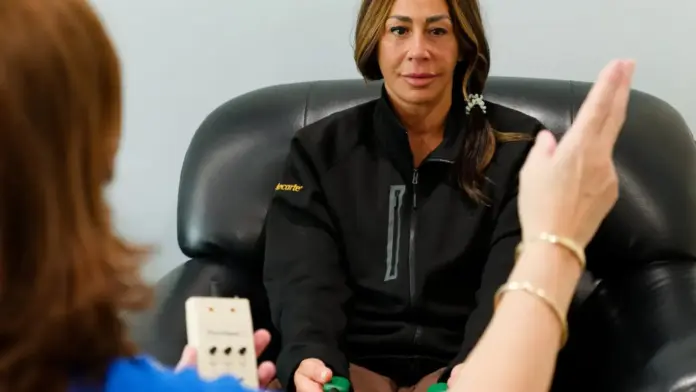
 Eye Movement Desensitization And Reprocessing
Research clearly demonstrates that recovery is far more successful and sustainable when loved ones like family members participate in rehab and substance abuse treatment. Genetic factors may be at play when it comes to drug and alcohol addiction, as well as mental health issues. Family dynamics often play a critical role in addiction triggers, and if properly educated, family members can be a strong source of support when it comes to rehabilitation.
Recreational therapy helps you recover from addiction by giving you structured activities that promote your physical health and mental well being. These activities could range from sports and fitness to creative arts and provide a constructive outlet for your emotions and stress.
Creativity is inherently healing, and can help those in recovery express thoughts or feelings they might not otherwise be able to. Creative arts therapy can include music, poetry/writing, painting, sculpting, dance, theater, sandplay, and more. Unlike traditional art, the final product matters far less than the experience of creation and expression itself.
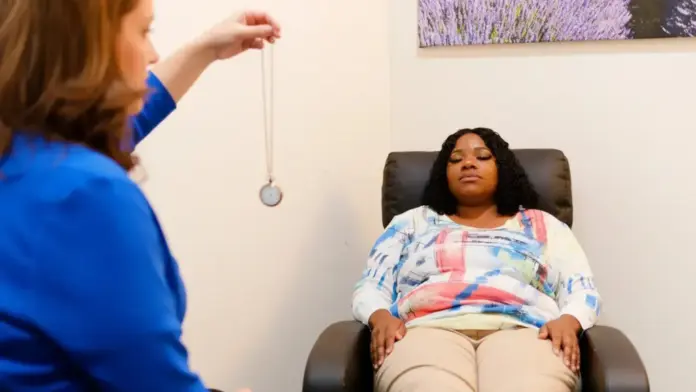
 Hypnotherapy
By incorporating a fitness therapy program into drug and alcohol addiction recovery in Florida, you experience the benefits of regular physical activity on your physical and mental health. Exercise helps you manage stress, improves your mood, and reduces anxiety. It promotes better sleep and provides a healthy outlet for coping with cravings.
Substance abuse creates biochemical imbalances in your body and brain. By implementing dietary changes, you can restore that balance. This is the goal of nutrition therapy in Florida. You'll gain an understanding of what nutrients your body needs and learn best self care practices.
Amenities
-
 Acupuncture room
 -
 Art activities
 -
 Massage room
 -
 Meditation room
 -
 Music room
 -
 Yoga studio
 -
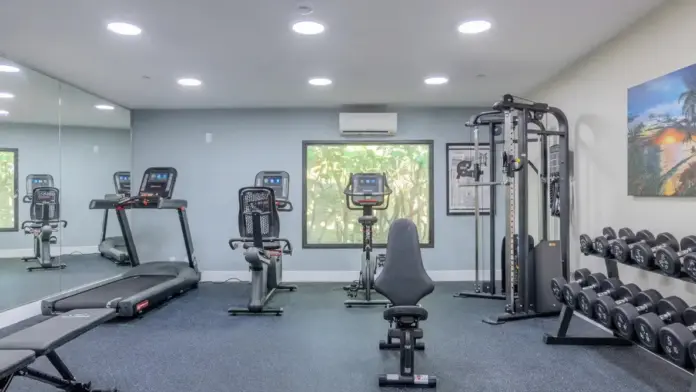
 Gym
Gym -
 Basketball Court
Staff & Accreditations
Staff
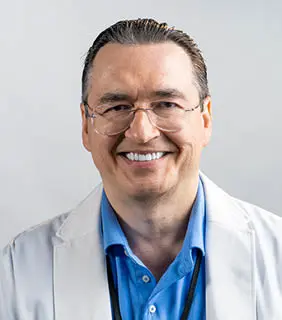
Dr. Rostislav Ignatov, MD
Chief Medical Officer
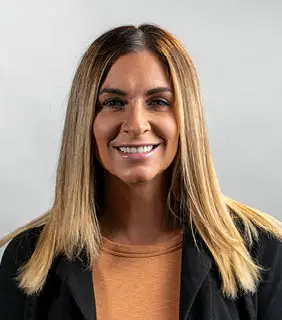
Michele Vacarino, LMHC-QS
Clinical Director
Dr. Sal Raichbach, LCSW, PsyD
Chief Clinical Officer
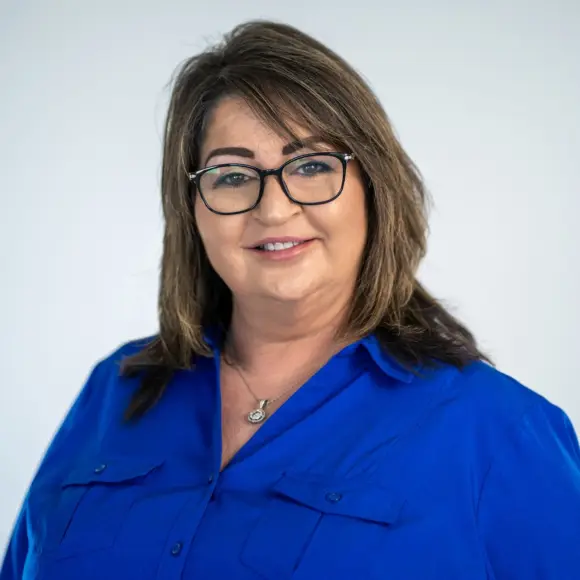
Lucy Weiss, MA, CHRM
Vice President of Quality
Accreditations

LegitScript has reviewed The Haven Detox – Florida Alcohol & Drug Rehab as part of their certification program, and has determined that it meets the LegitScript standards for legality, safety and transparency.
LegitScript verified in January 2017

State Licenses are permits issued by government agencies that allow rehab organizations to conduct business legally within a certain geographical area. Typically, the kind of program a rehab facility offers, along with its physical location, determines which licenses are required to operate legally.
State License: Florida
License Number: 5046569274001

The Joint Commission, formerly known as JCAHO, is a nonprofit organization that accredits rehab organizations and programs. Founded in 1951, the Joint Commision's mission is to improve the quality of patient care and demonstrating the quality of patient care.
Joint Commission Accreditation: Yes
Accreditation Number: 578386

The Commission on Accreditation of Rehabilitation Facilities (CARF) is a non-profit organization that specifically accredits rehab organizations. Founded in 1966, CARF's, mission is to help service providers like rehab facilities maintain high standards of care.
CARF Accreditation: Yes


 View Website