





























































































About The Salvation Army Social Services
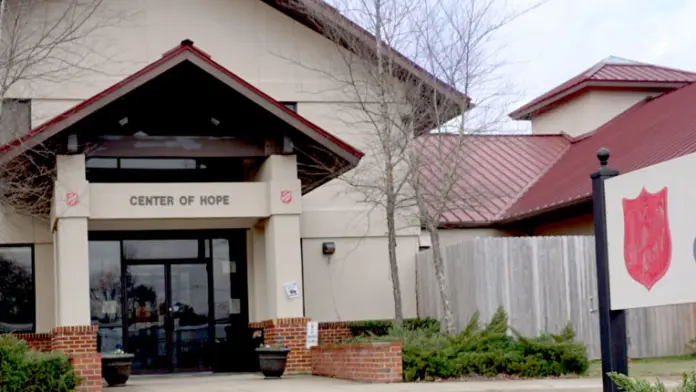
Located in Jackson, Mississippi is the Salvation Army Family Store. This is a community hub that serves as a thrift store, donation center, and place of support for individuals and families who need help working through challenges they’ve encountered in their lives.
One of the services offered here is the Salvation Army’s rehabilitation program which helps support adults who are ready to start rehabilitation from a drug, alcohol, or substance abuse disorder.
Other services available through The Salvation Army include access to emergency shelters for families and single adults, access to the local food pantry, and even assistance with rent, utilities, and other services to help make life more manageable.
Work Therapy Program
The work therapy program is at the heart of the Salvation Army’s Adult Rehabilitation Centers programs also known as the ARC. These centers are for adults aged 21 to 65 who are working through addiction struggles but need a safe and supportive place to live so that they can focus on themselves and their recovery journey.
At the heart of ARC programs is work therapy. The Jackson Salvation Army family store offers participants in the ARC program the opportunity to engage in work therapy. This allows them to develop their career readiness skills, build healthy habits, and be part of the community in a way that is meaningful and impactful.
Family Reunification
If you’re going through the recovery program, you’ll find that a common theme is family reunification and helping you become the best version of yourself. The aim is to help you fight through vices and behavioral health struggles so that you can lead an independent and positive life.
Some of the ways they’ll support you in this journey are through targeted counseling and support through 12 step programs. There’s also a strong focus on faith as this is a faith based organization. While you don’t have to be a person of faith to receive their services, you will be encouraged to lean into your faith when you experience struggles.
Latest Reviews



Rehab Score
 Our Methodology


Gallery
Other Forms of Payment
Self-pay involves paying for treatment out of your own pocket. You can use savings or credit, get a personal loan, or receive help from family and friends to fund your treatment. If you don't have insurance or your insurance plan doesn't cover a specific program, self-pay can help ensure you still get the care you need.
Addiction Treatments
Levels of Care
Clients stepping down from inpatient care or who prefer to remain at home while receiving intensive treatment may choose to enroll in an outpatient rehab. Outpatient day treatment, partial hospitalization (PHP), and intensive outpatient programs (IOP) are designed for clients requiring more robust supervision and daily treatment. Standard outpatient services enable clients to attend addiction counseling and recovery education throughout the week, with many centers offering weekend, night, and evening sessions to accommodate clients' work and family schedules.
Inpatient rehab provides a highly supportive and structured environment for clients in early recovery and for those who are at an elevated risk of relapse. Clients remain at the treatment center for the duration of their programs, though some inpatient rehabs offer supervised group excursions. Clients engage in intensive individual, group, and or family counseling. They may also receive recovery-focused life skills training to support their sustained sobriety and community reintegration. Many programs offer holistic therapies, such as meditation.
Participants in 12 step programs focus on the development of spiritual, psychological, and emotional skills to support sustained recovery. They regularly attend 12 step meetings, which are free, peer-directed, anonymous, open to the public, and accessible daily in most communities. Specialized formats are also widely available, including groups for seniors, teens, and families. Though these programs are rooted in the belief in a higher power, religious affiliation is not required.
Sober Living Houses (SLHs), aka sober homes or halfway houses, are safe, substance-free, supportive living facilities for those recovering from substance abuse. Ideal for those who've just been through inpatient or outpatient treatment, SLHs are supervised environments with rules that support sobriety, such as curfews, shared chores, and therapeutic meetings. Residents are also often trained on life skills and coping skills to make it easier to transition into society. SLHs also provide a strong sense of community that can lead to the kind of deep and lasting connections with other sober individuals that supports a new, healthy lifestyle.
Under the 24/7 care of medical professionals, a medically supervised detox helps to ensure your maximum safety and comfort while ridding the body of all addictive substances. In many cases, your medical team will administer various medications (like Suboxone or methadone) to help alleviate the symptoms of withdrawal. After you are fully detoxed off drugs and alcohol, you'll likely transition to the next stage of your recovery process.
Treatments
The goal of treatment for alcoholism is abstinence. Those with poor social support, poor motivation, or psychiatric disorders tend to relapse within a few years of treatment. For these people, success is measured by longer periods of abstinence, reduced use of alcohol, better health, and improved social functioning. Recovery and Maintenance are usually based on 12 step programs and AA meetings.
For those seeking help with addiction, a drug rehab in Mississippi offers the necessary care to achieve long-term recovery. Options include inpatient, residential, partial hospitalization, intensive outpatient, and long-term drug rehab in Mississippi.
Opioid rehabs specialize in supporting those recovering from opioid addiction. They treat those suffering from addiction to illegal opioids like heroin, as well as prescription drugs like oxycodone. These centers typically combine both physical as well as mental and emotional support to help stop addiction. Physical support often includes medical detox and subsequent medical support (including medication), and mental support includes in-depth therapy to address the underlying causes of addiction.
Substance rehabs focus on helping individuals recover from substance abuse, including alcohol and drug addiction (both illegal and prescription drugs). They often include the opportunity to engage in both individual as well as group therapy.
Programs
Adult rehab programs include therapies tailored to each client's specific needs, goals, and recovery progress. They are tailored to the specific challenges adult clients may face, including family and work pressures and commitments. From inpatient and residential treatment to various levels of outpatient services, there are many options available. Some facilities also help adults work through co-occurring conditions, like anxiety, that can accompany addiction.
Clinical Services
In individual therapy, a patient meets one-on-one with a trained psychologist or counselor. Therapy is a pivotal part of effective substance abuse treatment, as it often covers root causes of addiction, including challenges faced by the patient in their social, family, and work/school life.
Life skills trainings involve all the skills a person must have in order to function successfully in the world. These include time management, career guidance, money management, and effective communication. Truly successful addiction recovery is based on the ability to not only live substance-free, but to thrive. Life skills teaches the practical necessities of functioning in society, which sets clients up for success in life, and therefore sobriety.
Rehab.com regularly reviews this listing for accuracy but changes may occur between updates. For the most up-to-date information, please contact The Salvation Army Social Services.
Contact Information


110 Presto Lane
Jackson, MS 39206
Sponsored Helpline


