






























































































This place is just horrible!!!! I flew down from New Hampshire to go there and it was the biggest mistake!! The staff had no sympathy Compassion or understanding of anything at all. I was told by medical that I needed to see Psych in order to get prescribed meds when I saw p ...
About Turning Point Care Center
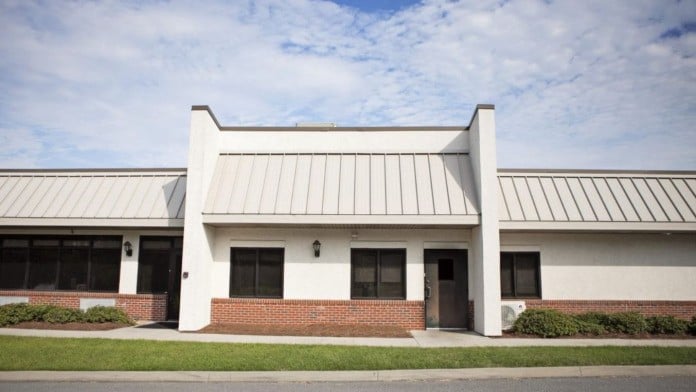
Turning Point Care Center provides a wide range of mental health and substance abuse treatment to those in the Moultrie, Georgia, area.
We offer a number or treatment programs including Inpatient Detoxification and Rehab, Inpatient Treatment for Psychiatric Disorders, Partial Hospitalization and Intensive Outpatient. All of our patients begin at the inpatient level of care, either detox or rehab, and then can transition into our Partial Hospitalization and Intensive Outpatient services.
Foundations Recovery Network
Turning Point Care Center is a member of Foundations Recovery Network, the premier provider of integrated treatment for co-occurring addiction and mental health concerns, offering residential and outpatient services nationwide.
We have Locations in California, Arizona, Minnesota and Michigan. At each facility, we focus on patient-centered care and an individualized approach, upholding a high standard of innovative treatment and compassionate attention to each patient’s needs. We are committed to providing evidence-based treatment for individuals with co-occurring disorders through clinical services, education and research.
Our purpose is to create lifetime relationships for long-term recovery. Everything we do is designed to support recovery in a comprehensive way, addressing the needs of the whole person-physically, emotionally, mentally and spiritually. We provide the foundation, you build the life.
Latest Reviews
I need your help again but I'm not sure how to get there
Last time I was there was about 6 years ago
Response from the owner1 week ago
We would appreciate the opportunity to speak with you further. At your convenience, please provide us with your contact information by visiting http://www.turningpointcare.com/contact-us/. We hope to hear from you soon. Thank you again.
Great ill recommend this anyday , Great Staff & Food
Response from the owner1 week ago
We are so glad to hear this! Supportive comments and compliments are always deeply appreciated. Thank you and we hope you have a great day!
Definitely a one in a lifetime kind of experience for me. Would highly recommend.
Response from the owner1 week ago
Thank you for your kind words! Your recommendation means so much to us and we truly appreciate you taking the time to share your feedback with us. Again, thank you and have a great day! 
Rehab Score
 Our Methodology
Scoring is assigned by a proprietary system which helps surface key metrics that determine quality. The 10-point scale factors in categories such as operations, customer satisfaction, and trust metrics. Read Full Methodology

7.3 / 10
Gallery


Accepted Insurance
Other Forms of Payment
Medicaid is a state based program that helps lower-income individuals and families pay for healthcare. Medicaid covers addiction treatment so those enrolled can use their coverage to pay for rehab. When a program accepts Medicaid the client often pays very little or nothing out of their own pocket.
Medicare is a federal program that provides health insurance for those 65 and older. It also serves people under 65 with chronic and disabling health challenges. To use Medicare for addiction treatment you need to find a program that accepts Medicare and is in network with your plan. Out of pocket costs and preauthorization requirements vary, so always check with your provider.
Military members, veterans, and eligible dependents have access to specific insurance programs that help them get the care they need. TRICARE and VA insurance can help you access low cost or no cost addiction and mental health treatment. Programs that accept military insurance often have targeted treatment focused on the unique challenges military members, veterans, and their families face.
Private insurance refers to any kind of healthcare coverage that isn't from the state or federal government. This includes individual and family plans offered by an employer or purchased from the Insurance Marketplace. Every plan will have different requirements and out of pocket costs so be sure to get the full details before you start treatment.
Self-pay involves paying for treatment out of your own pocket. You can use savings or credit, get a personal loan, or receive help from family and friends to fund your treatment. If you don't have insurance or your insurance plan doesn't cover a specific program, self-pay can help ensure you still get the care you need.
Addiction Treatments
Levels of Care
Turning Point’s Intensive Outpatient Program (IOP) is a uniquely designed program that provides the knowledge, skills, and support to patients to gradually transition back into everyday life as healthy and productive members of society. The IOP is designed to provide longer term treatment to help patients break the cycle of relapse.
Residential treatment programs are those that offer housing and meals in addition to substance abuse treatment. Rehab facilities that offer residential treatment allow patients to focus solely on recovery, in an environment totally separate from their lives. Some rehab centers specialize in short-term residential treatment (a few days to a week or two), while others solely provide treatment on a long-term basis (several weeks to months). Some offer both, and tailor treatment to the patient's individual requirements.
12-step programs are addiction recovery models based on Alcoholics Anonymous (AA). A number of substance abuse programs (including some drug and alcohol rehab centers) use the 12 steps as a basis for treatment. Beginning steps involve admitting powerlessness over the addiction and creating a spiritual basis for recovery. Middle steps including making direct amends to those who've been hurt by the addiction, and the final step is to assist others in addiction recovery in the same way. 12-Step offshoots including Narcotics Anonymous (NA), Cocaine Anonymous (CA), Dual Recovery Anonymous (DRA), Sex and Love Addicts Anonymous (SLAA) and Gamblers Anonymous (GA).
Designed for individuals who don't require round-the-clock care, a partial hospitalization program (PHP) is a form of outpatient care with a higher level of support. PHP treatment can be an alternative to inpatient hospitalization or a step-down option. With daily sessions lasting 6 to 8 hours, up to 5 days a week, a partial hospitalization program may offer medication management, relapse prevention techniques, and behavioral therapy interventions. PHP treatment can be fully or partially covered by insurance.
Outpatient rehab enables clients to receive addiction treatment while continuing to work and reside at home. Many programs offer evening, night, and weekend services so that clients may receive treatment on their own schedule. Outpatient treatment modalities typically include addiction counseling, recovery-focused life skills training, and/or medication assisted treatment (MAT). Many programs also provide step-down care, including partial hospitalization (PHP), intensive outpatient (IOP), and standard outpatient services, to align with clients' evolving needs.
Treatments
The goal of treatment for alcoholism is abstinence. Those with poor social support, poor motivation, or psychiatric disorders tend to relapse within a few years of treatment. For these people, success is measured by longer periods of abstinence, reduced use of alcohol, better health, and improved social functioning. Recovery and Maintenance are usually based on 12 step programs and AA meetings.
A quality drug rehab in Georgia can help you overcome addiction. This environment is designed to help you address the complex issues contributing to drug dependence. The goal of treatment is to give you the tools you need to make a full recovery.
Many of those suffering from addiction also suffer from mental or emotional illnesses like schizophrenia, bipolar disorder, depression, or anxiety disorders. Rehab and other substance abuse facilities treating those with a dual diagnosis or co-occurring disorder administer psychiatric treatment to address the person's mental health issue in addition to drug and alcohol rehabilitation.
Opioid rehabs specialize in supporting those recovering from opioid addiction. They treat those suffering from addiction to illegal opioids like heroin, as well as prescription drugs like oxycodone. These centers typically combine both physical as well as mental and emotional support to help stop addiction. Physical support often includes medical detox and subsequent medical support (including medication), and mental support includes in-depth therapy to address the underlying causes of addiction.
Addiction treatment programs in Georgia help individuals to address substance abuse problems. With various programs available, including outpatient, inpatient, and partial hospitalization programs, you can find the right level of care for your specific needs. You can generally expect drug and alcohol rehab to incorporate evidence-based therapies, such as cognitive-behavioral therapy (CBT), skills training, recovery meetings, and mindfulness-based therapy. When combined, these interventions can successfully help you overcome addiction and continue to enjoy long-term mental health.
While in treatment for a substance use disorder, mental health services are provided, and you have access to a mental health counselor or therapist round the clock. Clinical staff constantly monitor your care, and you receive a number of mental health therapies including individual and group counseling, relapse prevention education, and coping skills training. Other mental health offerings will vary by rehab.
Programs
Recovery is most successful when clients feel accepted and validated by their peers and treatment providers. Facilities that offer LGBTQ-inclusive programming are committed to creating a safe space where everyone can grow and recover without fear of judgment or discrimination. They will have dedicated policies in place to create a safe and supportive environment that fosters free expression.
Clinical Services
Group therapy is any therapeutic work that happens in a group (not one-on-one). There are a number of different group therapy modalities, including support groups, experiential therapy, psycho-education, and more. Group therapy involves treatment as well as processing interaction between group members.
In individual therapy, a patient meets one-on-one with a trained psychologist or counselor. Therapy is a pivotal part of effective substance abuse treatment, as it often covers root causes of addiction, including challenges faced by the patient in their social, family, and work/school life.
Turning Point has expanded its program menu to meet the acute need for trauma stabilization services. This program is designed to deliver highly individualized treatment for patients severely impacted by traumatic experiences. Patients receive a full range of treatment services which includes daily group therapy, recreation therapy, and three individual sessions per week.
While cognitive behavioral therapy in Georgia is unique for each person, this therapy follows a standard structure that has proven effective. Clients first learn about their substance use disorder, then learn and practice techniques such as coping, stress management, and resilience to change their thought and behavior patterns.
While each person is unique, the typical length for dialectical behavior therapy is six months to a year. You'll attend weekly hour long individual sessions with your therapist, as well as weekly group sessions. Homework between sessions often includes keeping a diary to track your emotions and behaviors. Your therapist uses this diary to guide the focus of each session.
 Equine Therapy
 Eye Movement Desensitization and Reprocessing
Amenities
-
 Basketball court
 -
 Tennis court
 -
 Volleyball court
 -
 Yoga studio
Staff & Accreditations
Staff
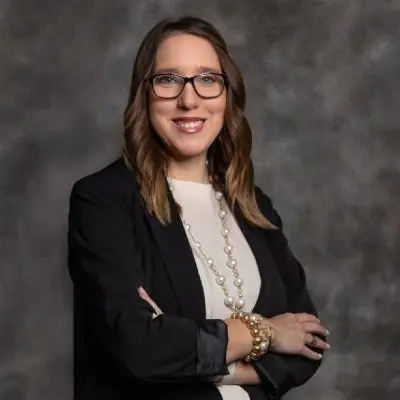
Heather Fuller
CEO
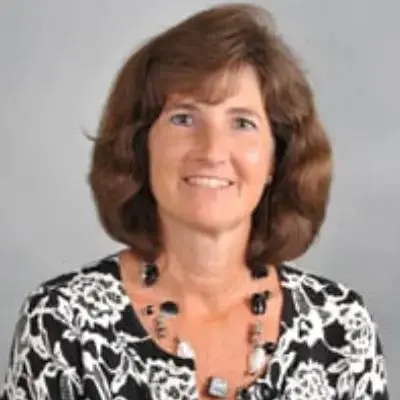
Peggy Yates
Clinical Director
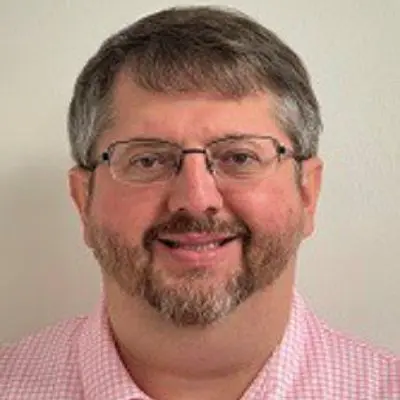
Joseph Dean
Director of Nursing
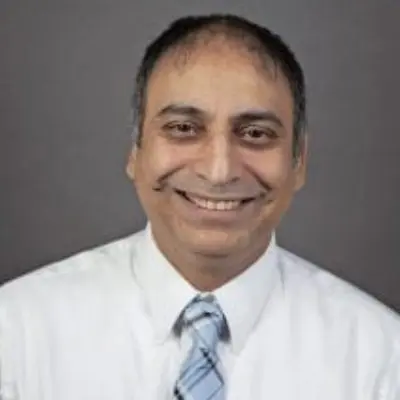
Muhammad Mahmood Alam, Dr.
Medical Director, Psychiatrist
Accreditations

The Joint Commission, formerly known as JCAHO, is a nonprofit organization that accredits rehab organizations and programs. Founded in 1951, the Joint Commision's mission is to improve the quality of patient care and demonstrating the quality of patient care.
Joint Commission Accreditation: Yes
Rehab.com regularly reviews this listing for accuracy but changes may occur between updates. For the most up-to-date information, please contact Turning Point Care Center.
Contact Information

3015 Veterans Parkway
Moultrie, GA 31788
Get Help Now - 229-228-0567
Sponsored Helpline
Sponsored Helpline



