






























































































Both doctors and psychologists are very thorough and caring with children. My son is becoming the best version of himself thanks to all of them
About Child and Adolescent Behavioral Health Center
UAMS Child Study Center – Children’s Hospital is an outpatient behavioral health clinic in Little Rock, Arkansas providing treatment for emotional and behavioral in addition to substance use challenges. The center offers assessment driven care plans and evidence based psychotherapy with medication management on the Arkansas Children’s Hospital campus.
What kinds of programs does UAMS Child Study Center offer?
The center provides outpatient assessment and therapy through its Child and Adolescent Behavioral Health Center for children primarily preschool through age 13 with parent and guardian involvement.
The Six Bridges Clinic serves adolescents and young adults ages 12 to 21 with substance dependency offering screening, intake, client and family therapy, medication evaluation and management, and ongoing recovery support.
Who can get help here?
The main clinic serves children from preschool through age 13 alongside their families focusing on emotional and behavioral difficulties. The Six Bridges Clinic is designed specifically for adolescents and young adults ages 12 to 21 who are experiencing substance dependency.
What therapies are used?
UAMS Child Study Center uses evidence based approaches including Trauma Focused Cognitive Behavioral Therapy, Parent-Child Interaction Therapy, and Child-Parent Psychotherapy. Medication management is provided by supervised resident physicians and faculty attendings in a teaching clinic model.
Latest Reviews
Dr Hall was amazing. She was patient, kind, knowledgeable, and empathetic during our appointment. Dr Raney was a great listener and provider as well. We have found the compassionate care we were seeking.
Very helpful and caring.
Very nice. Staff were open, welcoming, and friendly. Waiting room was large, with a nice window wall with a view of a small courtyard with a fountain. Plenty of options of things to do while you wait. Plenty of magazines to look at, and toys for the children to play with. Fliers with information available also. Super clean!

Rehab Score
 Our Methodology
Scoring is assigned by a proprietary system which helps surface key metrics that determine quality. The 10-point scale factors in categories such as operations, customer satisfaction, and trust metrics. Read Full Methodology

7.7 / 10
Gallery
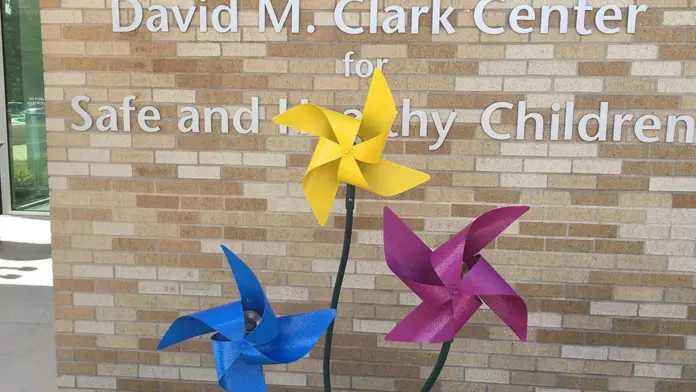
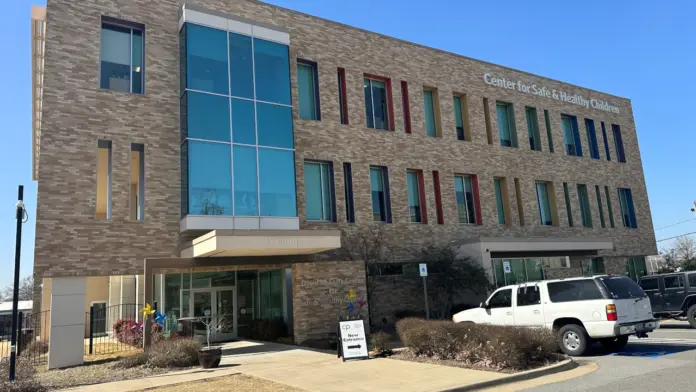
Accepted Insurance
Other Forms of Payment
Military members, veterans, and eligible dependents have access to specific insurance programs that help them get the care they need. TRICARE and VA insurance can help you access low cost or no cost addiction and mental health treatment. Programs that accept military insurance often have targeted treatment focused on the unique challenges military members, veterans, and their families face.
Private insurance refers to any kind of healthcare coverage that isn't from the state or federal government. This includes individual and family plans offered by an employer or purchased from the Insurance Marketplace. Every plan will have different requirements and out of pocket costs so be sure to get the full details before you start treatment.
Addiction Treatments
Levels of Care
Outpatient Programs (OP) are for those seeking mental rehab or drug rehab, but who also stay at home every night. The main difference between outpatient treatment (OP) and intensive outpatient treatment (IOP) lies in the amount of hours the patient spends at the facility. Most of the time an outpatient program is designed for someone who has completed an inpatient stay and is looking to continue their growth in recovery. Outpatient is not meant to be the starting point, it is commonly referred to as aftercare.
Clients in addiction recovery typically require robust, ongoing support, which rehab aftercare programs are designed to provide. These programs are premised on the idea that clients' mental, emotional, physical, social, and financial wellbeing is essential to recovery. Clients collaborate with their case managers and addiction recovery team to identify the rehab aftercare services they will need to thrive while in recovery. Clients may receive peer coaching, career counseling, and 12 step program induction, among other services.
Treatments
Mental health rehabs focus on helping individuals recover from mental illnesses like bipolar disorder, clinical depression, anxiety disorders, schizophrenia, and more. Mental health professionals at these facilities are trained to understand and treat mental health issues, both in individual and group settings.
Alcoholism (alcohol use disorder) affects a person mentally, physically, and relationally. A person with alcohol dependence craves alcohol and has an impaired ability to control their alcohol consumption. They experience withdrawal symptoms if they stop alcohol use. Individuals with this condition can achieve recovery through treatment. Alcohol rehab in Arkansas offers inpatient and outpatient options that provide counseling, support groups, and medication to help individuals overcome alcohol addiction and maintain recovery.
The goal of drug rehab in Arkansas is to help individuals stop using addictive substances and learn healthy ways to remain clean long-term. Participants learn vital skills to cope with cravings and manage stress, to prevent relapse.
 Opioid Addiction
In Arkansas, substance abuse treatment programs can help you overcome drug and alcohol addiction. These comprehensive programs offer various levels of care and evidence-based therapies like cognitive-behavioral therapy (CBT), dialectical behavior therapy (DBT), and eye movement desensitization and reprocessing (EMDR). The programs effectively address substance abuse and any co-occurring disorders.
Arkansas offers dual-diagnosis addiction treatment programs for individuals with mental health and substance use disorders. These specialized drug and alcohol rehab programs provide various levels of care, including outpatient, inpatient, and partial hospitalization programs. Using evidence-based therapies, like cognitive-behavioral therapy (CBT), dialectical behavior therapy (DBT), or eye movement desensitization and reprocessing (EMDR), a team of addiction and medical experts can effectively address substance use and co-occurring disorders while enhancing your coping and relapse prevention skills.
Programs
Teen programs are designed to address the unique pressures teens face, pressures that can drive them to experiment with dangerous, addictive substances. They need programs that meet them exactly where they are and give them tools for long-term recovery. Therapy can help teenagers understand and work through underlying issues so they can reclaim the life ahead of them.
Teen programs are designed to address the unique pressures teens face, pressures that can drive them to experiment with dangerous, addictive substances. They need programs that meet them exactly where they are and give them tools for long-term recovery. Therapy can help teenagers understand and work through underlying issues so they can reclaim the life ahead of them.
Clinical Services
Cognitive Behavioral Therapy (CBT) is a therapy modality that focuses on the relationship between one's thoughts, feelings, and behaviors. It is used to establish and allow for healthy responses to thoughts and feelings (instead of unhealthy responses, like using drugs or alcohol). CBT has been proven effective for recovering addicts of all kinds, and is used to strengthen a patient's own self-awareness and ability to self-regulate. CBT allows individuals to monitor their own emotional state, become more adept at communicating with others, and manage stress without needing to engage in substance abuse.
Group therapy is any therapeutic work that happens in a group (not one-on-one). There are a number of different group therapy modalities, including support groups, experiential therapy, psycho-education, and more. Group therapy involves treatment as well as processing interaction between group members.
In individual therapy, a patient meets one-on-one with a trained psychologist or counselor. Therapy is a pivotal part of effective substance abuse treatment, as it often covers root causes of addiction, including challenges faced by the patient in their social, family, and work/school life.
Staff & Accreditations
Staff
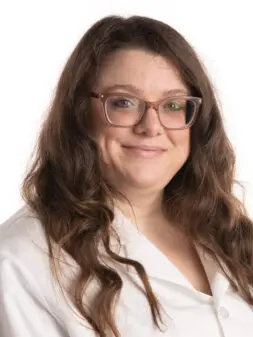
Natashia P. Bottoms, MD
Psychiatrist

Srinivasa B. Gokarakonda, MD
Psychiatrist
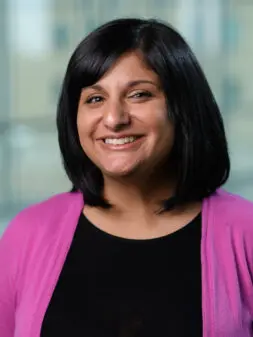
Sufna G. John, PHD
Psychologist

Glenn R. Mesman, PHD
Clinical Psychologist

Joy R. Pemberton, PHD
Clinical Psychologist

Veronica M. Raney, MD
Psychiatrist
Accreditations

The Substance Abuse and Mental Health Services Administration (SAMHSA) is a branch of the U.S. Department of Health and Human Services. Established in 1992 by congress, SAMHSA's mission is to reduce the impact of substance abuse and mental illness on American's communities.
SAMHSA Listed: Yes

State Licenses are permits issued by government agencies that allow rehab organizations to conduct business legally within a certain geographical area. Typically, the kind of program a rehab facility offers, along with its physical location, determines which licenses are required to operate legally.
State License: Arkansas
Rehab.com regularly reviews this listing for accuracy but changes may occur between updates. For the most up-to-date information, please contact Child and Adolescent Behavioral Health Center.
Contact Information

1210 Wolfe St
2nd floor
Little Rock, AR 72202
Get Help Now - 501-575-0717
Sponsored Helpline
Sponsored Helpline


