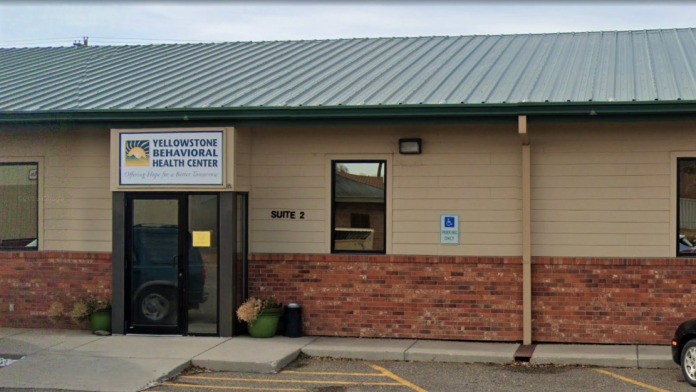
Yellowstone Behavioral Health is a behavioral health and addiction treatment provider in Cody, Wyoming offering outpatient substance use treatment and mental health services with recovery support for clients and families across the Basin region.
With CARF accreditation and ties to a broader Wyoming behavioral health organization the facility emphasizes accessible community oriented care.
Stabilization and Medically Supervised Withdrawal
Clients may enter outpatient treatment or residential services with opioid maintenance and medically supervised withdrawal available after stabilization.
Clients can expect counseling along with trauma informed therapy and case management in addition to suicide prevention services. Telehealth, peer mentoring, vocational and educational support, and self help groups round out a continuum designed to support long term recovery.
Quick Facts About Yellowstone Behavioral Health
Levels of care: Outpatient and residential treatment, intervention, opioid maintenance, and recovery support services.
Who they treat: Children, adolescents, young adults, adults, men, women, veterans, and trauma survivors with co-occurring disorders.
Approach: Counseling based care with trauma informed therapy, telehealth, and peer support.
I have been with Yellowstone BH for about a year and a half and in that time they have helped me more than anyone had in my whole life .they help you have a great new look in life.. If your in a stump and can't see the light at the end of the tunnel come here they work with you on payment and everything is done with your feelings and confidentiality in mind .
I am on my husband's account this is Kathy Flores This place is a life savior they have done so much for meband they have no idea that they have saved my life. My therapist is wonderful and carrying and heartfelt .i feel ssfe with her fornthe first time I see a light. My bad management is people are awesome and caring they listen and help not batk orders and preach likr most do it's great. Cime to this place it will savr your life
Scoring is assigned by a proprietary system which helps surface key metrics that determine quality. The 10-point scale factors in categories such as operations, customer satisfaction, and trust metrics. Read Full Methodology
5.6 / 10
Gallery
Accepted Insurance
Please contact to verify your specific insurance provider.
Yellowstone Behavioral Health works with several private insurance providers, please contact to verify your specific insurance provider.
Medicaid is a state based program that helps lower-income individuals and families pay for healthcare. Medicaid covers addiction treatment so those enrolled can use their coverage to pay for rehab. When a program accepts Medicaid the client often pays very little or nothing out of their own pocket.
Private insurance refers to any kind of healthcare coverage that isn't from the state or federal government. This includes individual and family plans offered by an employer or purchased from the Insurance Marketplace. Every plan will have different requirements and out of pocket costs so be sure to get the full details before you start treatment.
Self-pay involves paying for treatment out of your own pocket. You can use savings or credit, get a personal loan, or receive help from family and friends to fund your treatment. If you don't have insurance or your insurance plan doesn't cover a specific program, self-pay can help ensure you still get the care you need.
Financial aid can take many forms. Centers may have grants or scholarships available to clients who meet eligibility requirements. Programs that receive SAMHSA grants may have financial aid available for those who need treatment as well. Grants and scholarships can help you pai for treatment without having to repay.
Medicare is a federal program that provides health insurance for those 65 and older. It also serves people under 65 with chronic and disabling health challenges. To use Medicare for addiction treatment you need to find a program that accepts Medicare and is in network with your plan. Out of pocket costs and preauthorization requirements vary, so always check with your provider.
Military members, veterans, and eligible dependents have access to specific insurance programs that help them get the care they need. TRICARE and VA insurance can help you access low cost or no cost addiction and mental health treatment. Programs that accept military insurance often have targeted treatment focused on the unique challenges military members, veterans, and their families face.
Sliding scale payments are based on a client's income and family size. The goal is to make treatment affordable to everyone. By taking these factors into account, addiction recovery care providers help ensure that your treatment does not become a financial burden to you or your family, eliminating one barrier to care.
Addiction Treatments
Levels of Care
Outpatient Programs (OP) are for those seeking mental rehab or drug rehab, but who also stay at home every night. The main difference between outpatient treatment (OP) and intensive outpatient treatment (IOP) lies in the amount of hours the patient spends at the facility. Most of the time an outpatient program is designed for someone who has completed an inpatient stay and is looking to continue their growth in recovery. Outpatient is not meant to be the starting point, it is commonly referred to as aftercare.
Services offered by drug intervention programs often include specialists to assist with a drug intervention in Wyoming. Drug interventions are designed to encourage individuals who are struggling with addiction to get the treatment necessary for recovery. Friends and family can partner with intervention services to host an intervention and suggest a solid treatment plan to the individual. These services can also provide follow-up care for both the individual and family members.
Clients receiving care at an inpatient rehab are often seeking more intensive structure, support, and supervision than an outpatient program can provide. Clients temporarily live at the treatment center, engaging in multiple therapeutic sessions a day. Treatment typically involves extensive individual, group, and family counseling. Many facilities also prioritize recovery-focused life skills training to support sustained sobriety, and evidence-based holistic care, such as meditation and message, to alleviate stress and anxiety.
Treatments
The goal of treatment for alcoholism is abstinence. Those with poor social support, poor motivation, or psychiatric disorders tend to relapse within a few years of treatment. For these people, success is measured by longer periods of abstinence, reduced use of alcohol, better health, and improved social functioning. Recovery and Maintenance are usually based on 12 step programs and AA meetings.
The programs offered at drug rehab in Wyoming address the underlying issues of addiction, with the goal being to get to the root of the problem. By learning to manage issues without substance use, you are empowered to live a healthy, drug-free life.
Many of those suffering from addiction also suffer from mental or emotional illnesses like schizophrenia, bipolar disorder, depression, or anxiety disorders. Rehab and other substance abuse facilities treating those with a dual diagnosis or co-occurring disorder administer psychiatric treatment to address the person's mental health issue in addition to drug and alcohol rehabilitation.
A combined mental health and substance abuse rehab has the staff and resources available to handle individuals with both mental health and substance abuse issues. It can be challenging to determine where a specific symptom stems from (a mental health issue or an issue related to substance abuse), so mental health and substance abuse professionals are helpful in detangling symptoms and keeping treatment on track.
Opioid rehabs specialize in supporting those recovering from opioid addiction. They treat those suffering from addiction to illegal opioids like heroin, as well as prescription drugs like oxycodone. These centers typically combine both physical as well as mental and emotional support to help stop addiction. Physical support often includes medical detox and subsequent medical support (including medication), and mental support includes in-depth therapy to address the underlying causes of addiction.
In Wyoming, you can find substance abuse treatment in inpatient and outpatient rehab programs. You can usually expect treatment to include a comprehensive assessment and individualized treatment plan, and evidence-based therapies such as cognitive-behavioral therapy (CBT), dialectical behavior therapy (DBT), to overcome addiction and develop valuable skills to sustain your recovery. You'll also access recovery support meetings and peers to help you develop a supportive community, which is vital to long-term success.
Mental Health And Substance Abuse
Programs
Adult rehab programs include therapies tailored to each client's specific needs, goals, and recovery progress. They are tailored to the specific challenges adult clients may face, including family and work pressures and commitments. From inpatient and residential treatment to various levels of outpatient services, there are many options available. Some facilities also help adults work through co-occurring conditions, like anxiety, that can accompany addiction.
Young adulthood can be an exciting, yet difficult, time of transition. Individuals in their late teens to mid-20s face unique stressors related to school, jobs, families, and social circles, which can lead to a rise in substance use. Rehab centers with dedicated young adult programs will include activities and amenities that cater to this age group, with an emphasis on specialized counseling, peer socialization, and ongoing aftercare.
Serving in the military is both mentally and physically challenging, and can result in trauma that persists even after combat ends. Military programs are tailored to the specific and often complex needs of active duty personnel, veterans, and military families. Clients often access these programs through the U.S. Department of Veterans Affairs (VA).
Clinical Services
Cognitive Behavioral Therapy (CBT) is a therapy modality that focuses on the relationship between one's thoughts, feelings, and behaviors. It is used to establish and allow for healthy responses to thoughts and feelings (instead of unhealthy responses, like using drugs or alcohol). CBT has been proven effective for recovering addicts of all kinds, and is used to strengthen a patient's own self-awareness and ability to self-regulate. CBT allows individuals to monitor their own emotional state, become more adept at communicating with others, and manage stress without needing to engage in substance abuse.
Whether a marriage or other committed relationship, an intimate partnership is one of the most important aspects of a person's life. Drug and alcohol addiction affects both members of a couple in deep and meaningful ways, as does rehab and recovery. Couples therapy and other couples-focused treatment programs are significant parts of exploring triggers of addiction, as well as learning how to build healthy patterns to support ongoing sobriety.
Dialectical Behavior Therapy (DBT) is a modified form of Cognitive Behavioral Therapy (CBT), a treatment designed to help people understand and ultimately affect the relationship between their thoughts, feelings, and behaviors. DBT is often used for individuals who struggle with self-harm behaviors, such as self-mutilation (cutting) and suicidal thoughts, urges, or attempts. It has been proven clinically effective for those who struggle with out-of-control emotions and mental health illnesses like Borderline Personality Disorder.
Experiential therapy is a form of therapy in which clients are encouraged to surface and work through subconscious issues by engaging in real-time experiences. Experiential therapy departs from traditional talk therapy by involving the body, and having clients engage in activities, movements, and physical and emotional expression. This can involve role-play or using props (which can include other people). Experiential therapy can help people process trauma, memories, and emotion quickly, deeply, and in a lasting fashion, leading to substantial and impactful healing.
EMDR is a therapeutic modality originally developed to help process trauma. In an EMDR session, a patient is prompted to undergo eye movements that mimic those of REM sleep. This is accomplished by watching a therapist's finger move back and forth across, or following a bar of light. The goal is repetitive sets of eye movements that help the brain reprocess memory, which can significantly reduce the intensity of remembered traumatic incidents. Associated memories can heal simultaneously, leaving patients significantly calmer, more stable, and more emotionally relaxed.
Research clearly demonstrates that recovery is far more successful and sustainable when loved ones like family members participate in rehab and substance abuse treatment. Genetic factors may be at play when it comes to drug and alcohol addiction, as well as mental health issues. Family dynamics often play a critical role in addiction triggers, and if properly educated, family members can be a strong source of support when it comes to rehabilitation.
Group therapy is any therapeutic work that happens in a group (not one-on-one). There are a number of different group therapy modalities, including support groups, experiential therapy, psycho-education, and more. Group therapy involves treatment as well as processing interaction between group members.
In individual therapy, a patient meets one-on-one with a trained psychologist or counselor. Therapy is a pivotal part of effective substance abuse treatment, as it often covers root causes of addiction, including challenges faced by the patient in their social, family, and work/school life.
Life skills trainings involve all the skills a person must have in order to function successfully in the world. These include time management, career guidance, money management, and effective communication. Truly successful addiction recovery is based on the ability to not only live substance-free, but to thrive. Life skills teaches the practical necessities of functioning in society, which sets clients up for success in life, and therefore sobriety.
Trauma therapy addresses traumatic incidents from a client's past that are likely affecting their present-day experience. Trauma is often one of the primary triggers and potential causes of addiction, and can stem from child sexual abuse, domestic violence, having a parent with a mental illness, losing one or both parents at a young age, teenage or adult sexual assault, or any number of other factors. The purpose of trauma therapy is to allow a patient to process trauma and move through and past it, with the help of trained and compassionate mental health professionals.
Amenities
Residential Setting
Private Setting
Hiking
Staff & Accreditations
Staff
Mary Johnson, MBA, MSW, LCSW
CEO
Dey Lynn Stebner, MS LPC NCC
CPO
Terri Ward, PHR
CHRO
Accreditations
The Commission on Accreditation of Rehabilitation Facilities (CARF) is a non-profit organization that specifically accredits rehab organizations. Founded in 1966, CARF's, mission is to help service providers like rehab facilities maintain high standards of care.
CARF Accreditation: Yes
Rehab.com regularly reviews this listing for accuracy but changes may occur between updates. For the most up-to-date information, please contact Yellowstone Behavioral Health.
A belief based treatment. If you don't have the same belief system you will be belittled and shamed. They will eventually deny treatment.
Reviewed on 12/5/2019
1
I had an amazing therapist which i miss alot .and because of the lady who did.my case management is very rude and negative she complains about have to take you anywhere.And is always telling you about what Medicaid will pay for she has disrespected my husband when taking to. ...
Read More
Back when they switched from YBH to Oxbow I tried to be proactive and fill out the paperwork to keep receiving help paying for visits coming out of a dark time for myself, and almost a month afterwards I hadn't been contacted at all by the representative I was told would give me a call. Then I got the bill for my last couple appointments and they were full price. Wouldn't have gone if I had known that would be the case.
When I brought it up to their front desk all they could tell me was ro refill out the form and submit it back to them. A physical piece of paper. That clearly they had already lost the first copy of. I did because I had hoped.
I went to maybe one more appointment after that before deciding I was done, since the therapist/counselor I had started with had jumped ship already. A month after my last appointment a representative finally tried to give me a call. I told her I had moved on and didn't need her services anymore.
Now I'm hearing that they're trying to sue people over a couple hundred dollars for the same paperwork bs.
Go elsewhere
.
Christian Archard
8 months ago
1
None
10 months ago
1
The haughty therapist there encouraged me to NOT report someone to the authorities for stalking who is literally following me to and from work on a daily basis and driving past my home at all hours of the day and night clearly trying to intimidate me.
She refused to write a letter to my legal counsel on my behalf stating that I was experiencing emotional distress because of this person's behavior.
I believe Oxbow Center and this therapist could be criminally negligent for knowingly allowing this behavior to persist against a member of the community and doing nothing to prevent it should anything nefarious arise from these circumstances.
Please be advised, this is not a safe place to receive counseling services.
ADDENDUM:
Tonight, there are two men in my back yard at 7pm: dark with flashlights. They apparently feel the need to personally inspect my work as, I being a single, female living alone feel as though I would light to have lights to let me know if somebody perhaps might be trying to look in my bedroom windows at night. Do I really need to explain why I would like to have nice ambient lighting around my home in the evening?
I have you on video, the Sheriff has personally emailed me regarding this and I have a compilation of video files waiting to be sent as well as a lawyer in queue that will take this as a civil case. I am being benevolent at this point. Blessed are the peacemakers. Am I really that important in your life? Get a life....
By calling the helpline you agree to the terms of use. We do not receive any commission or fee that is dependent upon which treatment provider a caller chooses. There is no obligation to enter treatment.
Calls to numbers on a specific treatment center listing will be routed to that treatment center. Calls to any general helpline could be forwarded to SAMHSA or a verified treatment provider.
If you wish to connect with non-sponsor centers, you can browse top-rated listings, visit our homepage and browse by state, or visit SAMHSA.

 Sponsored Helpline


































































































 Residential Setting
  Private Setting
  Hiking