






























































































This place can save your life, but the staff are extremely manipulating people. I dont want to stray anyone from getting help, but be warned the staff are not good people. They are junkies themselves. Manipulating program being ran here.
About Casa Raphael Residential Treatment
The Alpha Project empowers individuals, families, and communities by providing work, recovery, and support services to people who want to better their lives. Residential treatment, housing, and mental health services are provided. Successful completion of the program requires achieving stable and sustainable independence through education, employment, and sobriety.
Alpha Project is a 12 week state licensed and certified residential treatment program for men in recovery from substance abuse. Residents participate in an evidence-based practice curriculum. The program provides housing, food, recovery workshops, case management, mental health counseling, access to healthcare, work, financial assistance, and other support services.
Temporary Bridge Shelter is a 325 bed facility that serves vulnerable individuals by providing shelter. Their care model is comprised of a trauma-informed lens. They assist by providing necessary interventions and behavioral change opportunities.
Alpha Project’s Rapid Re-Housing Program provides rental assistance, security deposits, advocacy services, and support for those who need help finding affordable housing. Case management is offered to help remove individuals and their families from the street by helping place them into permanent housing.
Take Back the Streets is a transitional employment service that helps link homeless individuals who are able to work with immediate transitional employment and training. The community is served through these new workers filling job gaps at an affordable rate for their services.
The Home Finder Program is a service-based initiative that helps connect those who are homeless and living with mental illness with appropriate services to help them live a healthy life. This includes medical, dental, and mental health support, along with housing.
Facility Overview
 140
140 Number of Available Beds
 61 - 90
 Avg Length of Stay in Days
Latest Reviews
I was mandated by Prop 36 to this place in 2001. I completed my 90 days and have been clean ever since. The staff back then was great and not just going thru the motions. I actually became friends with a couple of them that I am still in occasional contact with.
This place will give back what you put into it. If you are serious about recovery and getting your life back, then it will work. If you spend the time trying to game it or get caught up, then it won't.
The place is awesome.
It's a community.
Changed my LIFE....Where miracles happen... Believe it or NOT. YOUR CHOICE

Rehab Score
 Our Methodology
Scoring is assigned by a proprietary system which helps surface key metrics that determine quality. The 10-point scale factors in categories such as operations, customer satisfaction, and trust metrics. Read Full Methodology

6.9 / 10
Gallery
Other Forms of Payment
Self-pay involves paying for treatment out of your own pocket. You can use savings or credit, get a personal loan, or receive help from family and friends to fund your treatment. If you don't have insurance or your insurance plan doesn't cover a specific program, self-pay can help ensure you still get the care you need.
Financial aid can take many forms. Centers may have grants or scholarships available to clients who meet eligibility requirements. Programs that receive SAMHSA grants may have financial aid available for those who need treatment as well. Grants and scholarships can help you pai for treatment without having to repay.
Sliding scale payments are based on a client's income and family size. The goal is to make treatment affordable to everyone. By taking these factors into account, addiction recovery care providers help ensure that your treatment does not become a financial burden to you or your family, eliminating one barrier to care.
 Free
FreeAddiction Treatments
Levels of Care
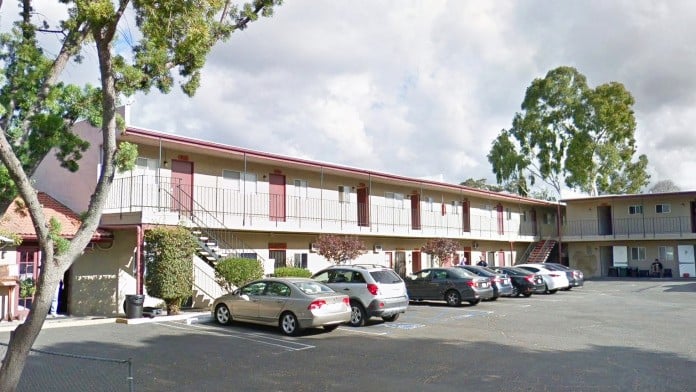
Casa Raphael offers a 12-week state-licensed residential program in Vista for men overcoming substance use. Residents reside onsite, receiving structured support including housing, meals, and evidence-based workshops designed to foster long-term sobriety and independence.
Following residential completion, Casa Raphael provides ongoing case management and support to ensure sustainable independence. Graduates receive assistance with housing, employment, and continued recovery resources to maintain the stability achieved during their initial 12-week intensive stay.
This program integrates 12-step principles into its recovery workshops, providing a peer-supported framework for men. Participants engage in community-based meetings and spiritual development exercises that complement the center’s broader evidence-based curriculum and focus on long-term abstinence.
When an individual is in denial about their substance use disorder, their loved ones may organize a drug intervention in California. This effort involves gently but assertively confronting the individual about their substance use and sharing how it has affected those who care about them. A professional interventionist may also attend this gathering. Their expertise with intervention services can prove helpful in guiding the conversation to a positive result.
Treatments
This program integrates 12-step principles into its recovery workshops, providing a peer-supported framework for men. Participants engage in community-based meetings and spiritual development exercises that complement the center’s broader evidence-based curriculum and focus on long-term abstinence.
This 12-week program addresses various forms of chemical dependency through an evidence-based practice curriculum. Casa Raphael focuses on the root causes of addiction, providing men with the tools needed to secure employment, education, and health.
Casa Raphael provides integrated mental health counseling for men with co-occurring disorders. By addressing psychological well-being alongside substance use, the clinical team helps residents manage symptoms and navigate the complexities of dual-diagnosis recovery in Vista.
Treatment for opioid dependency at Casa Raphael includes comprehensive case management and access to healthcare services. The program supports men through the stabilization phase and provides intensive therapeutic interventions to address the high risk of relapse.
Programs
Designed for men seeking a lifestyle change, this adult-focused program combines recovery workshops with vocational support. Casa Raphael emphasizes personal responsibility, helping residents transition from addiction to stable community members through education and sustainable employment opportunities.
Young adulthood can be an exciting, yet difficult, time of transition. Individuals in their late teens to mid-20s face unique stressors related to school, jobs, families, and social circles, which can lead to a rise in substance use. Rehab centers with dedicated young adult programs will include activities and amenities that cater to this age group, with an emphasis on specialized counseling, peer socialization, and ongoing aftercare.
Clinical Services
Clinicians at Casa Raphael utilize evidence-based cognitive behavioral techniques to help men identify and shift maladaptive thought patterns. This therapeutic approach is a core component of the 12-week curriculum, focusing on developing healthy coping mechanisms for triggers.
Residents participate in regular group sessions and recovery workshops to build peer accountability and social skills. These therapist-led groups allow men to share experiences, process trauma, and practice interpersonal strategies essential for successful reintegration into society.
One-on-one mental health counseling is provided to help Casa Raphael residents address personal challenges and refine their recovery goals. These private sessions allow for tailored clinical intervention, focusing on the specific psychological needs of each man in the program.
For clients who are struggling with ambivalence toward change, motivational interviewing in California can help strengthen their commitment to change. Using a conversational method, the therapist helps you explore your motivations and empowers you to make the changes you desire.
Casa Raphael incorporates trauma-informed care into its clinical services to address the underlying experiences that often drive addiction. This focus helps men process past events in a safe, residential environment, promoting deeper healing and emotional resilience.
Family therapy offers a platform for members to have an open dialogue about the challenges that addiction has placed on the family unit. Through guided sessions, therapists can help families develop healthy communication skills and address unresolved issues. By working together toward a common goal, they help to support their loved one's sobriety.
Life skills trainings involve all the skills a person must have in order to function successfully in the world. These include time management, career guidance, money management, and effective communication. Truly successful addiction recovery is based on the ability to not only live substance-free, but to thrive. Life skills teaches the practical necessities of functioning in society, which sets clients up for success in life, and therefore sobriety.
Experiential therapy is a form of therapy in which clients are encouraged to surface and work through subconscious issues by engaging in real-time experiences. Experiential therapy departs from traditional talk therapy by involving the body, and having clients engage in activities, movements, and physical and emotional expression. This can involve role-play or using props (which can include other people). Experiential therapy can help people process trauma, memories, and emotion quickly, deeply, and in a lasting fashion, leading to substantial and impactful healing.
Amenities
-
 Residential Setting
 -
 Private Rooms
Staff
Bob McElroy
President & CEO
Jan Norby, CPA
CFO
Janice Williams
Chief Business Development Officer
Leticia Martinez-Odanga
Chief Administrative Officer
Kyla Winters
Chief Development Officer & Volunteer
Karen Pucci
Senior Director of Shelter Services, Outreach and Special Projects
Jason Rodriguez
Senior Director of Alcohol and Drug Services
Travis Larson
Senior Director of Supportive Housing
Rehab.com regularly reviews this listing for accuracy but changes may occur between updates. For the most up-to-date information, please contact Casa Raphael Residential Treatment.
Contact Information

993 Postal Way
Vista, CA 92083
Get Help Now - 442-229-5750
Sponsored Helpline
Sponsored Helpline



