















































































































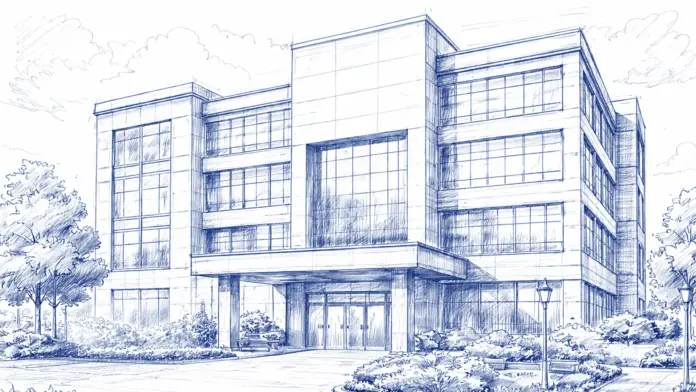
About Andrew House Detoxification Center Jamaica Plain
Lemuel Shattuck Hospital is a public health hospital in Jamaica Plain, Massachusetts, offering inpatient substance use treatment through its Alcohol and Drug Abuse Program (ADAP). The program provides medically supervised detoxification and rehabilitation services for individuals struggling with alcohol or other drug addictions. As a state-operated facility under the Massachusetts Department of Public Health, it serves as an important safety-net resource for the community.
What addiction treatment programs are available?
ADAP provides inpatient services, including medically supervised detoxification and rehabilitation for individuals with alcohol and other drug addictions. Treatment combines medical care, group counseling session and education to help patients understand addiction and begin recovery. Discharge planning includes referrals to community agencies and outpatient services to support ongoing recovery.
The program serves individuals experiencing problems related to alcohol or other drug use who require inpatient, hospital-based care. The center’s team of physicians, nurses and counselors provides integrated care in a medically supervised setting.
What is the treatment approach?
Rehabilitation services include group counseling and education designed to assist patients in beginning their recovery journey. The facility’s team provides coordinated medical, nursing and counseling support throughout treatment.
Where is the hospital located?
Lemuel Shattuck Hospital is located at 170 Morton Street in the Jamaica Plain neighborhood of Boston, Massachusetts. The campus includes inpatient units and outpatient clinics serving the greater Boston area.
Facility Overview
 32
32 Latest Reviews



Rehab Score
 Our Methodology


Location
Accepted Insurance

Other Forms of Payment
Private insurance refers to any kind of healthcare coverage that isn't from the state or federal government. This includes individual and family plans offered by an employer or purchased from the Insurance Marketplace. Every plan will have different requirements and out of pocket costs so be sure to get the full details before you start treatment.
Self-pay involves paying for treatment out of your own pocket. You can use savings or credit, get a personal loan, or receive help from family and friends to fund your treatment. If you don't have insurance or your insurance plan doesn't cover a specific program, self-pay can help ensure you still get the care you need.
Financial aid can take many forms. Centers may have grants or scholarships available to clients who meet eligibility requirements. Programs that receive SAMHSA grants may have financial aid available for those who need treatment as well. Grants and scholarships can help you pai for treatment without having to repay.
Medicaid is a state based program that helps lower-income individuals and families pay for healthcare. Medicaid covers addiction treatment so those enrolled can use their coverage to pay for rehab. When a program accepts Medicaid the client often pays very little or nothing out of their own pocket.
Medicare is a federal program that provides health insurance for those 65 and older. It also serves people under 65 with chronic and disabling health challenges. To use Medicare for addiction treatment you need to find a program that accepts Medicare and is in network with your plan. Out of pocket costs and preauthorization requirements vary, so always check with your provider.
Military members, veterans, and eligible dependents have access to specific insurance programs that help them get the care they need. TRICARE and VA insurance can help you access low cost or no cost addiction and mental health treatment. Programs that accept military insurance often have targeted treatment focused on the unique challenges military members, veterans, and their families face.
Addiction Treatments
Levels of Care
Outpatient programs are designed for clients who are medically stable and not at an elevated risk of relapse, including those who have already completed inpatient care. Outpatient programs typically advance clients' established treatment plans, offering continuing addiction counseling and recovery education. Clients who enter outpatient care immediately following detox may also receive medical and mental health assessments and personalized treatment plans. Most outpatient rehabs provide multiple levels of care to align with clients' unique needs.
Residential treatment programs are those that offer housing and meals in addition to substance abuse treatment. Rehab facilities that offer residential treatment allow patients to focus solely on recovery, in an environment totally separate from their lives. Some rehab centers specialize in short-term residential treatment (a few days to a week or two), while others solely provide treatment on a long-term basis (several weeks to months). Some offer both, and tailor treatment to the patient's individual requirements.
Rehab aftercare programs offer customized, wraparound support for clients in the maintenance phase of recovery. Many clients enroll in drug rehab immediately after completing intensive inpatient or residential care. Services encompass outpatient treatment but often extend long beyond the completion of a formal recovery program and typically include a variety of medical, mental health, and social service programs. Peer coaching, relapse prevention, 12 step program induction, and related services are commonly available.
A drug intervention in Massachusetts provides friends and family the opportunity to share how a person's substance use has caused problems in their lives. The goal of the intervention is to encourage the person to get the treatment they need. Most rehab facilities offer intervention services that can help families prepare for the intervention and facilitate entry into treatment if the person agrees to get help.
Treatments
The goal of treatment for alcoholism is abstinence. Those with poor social support, poor motivation, or psychiatric disorders tend to relapse within a few years of treatment. For these people, success is measured by longer periods of abstinence, reduced use of alcohol, better health, and improved social functioning. Recovery and Maintenance are usually based on 12 step programs and AA meetings.
Addiction is a highly complex problem, and drug rehab in Massachusetts is often necessary to address it. These programs treat physical, mental, and relational issues that are involved. Treatment empowers individuals to manage these issues without the use of drugs.
Opioid rehabs specialize in supporting those recovering from opioid addiction. They treat those suffering from addiction to illegal opioids like heroin, as well as prescription drugs like oxycodone. These centers typically combine both physical as well as mental and emotional support to help stop addiction. Physical support often includes medical detox and subsequent medical support (including medication), and mental support includes in-depth therapy to address the underlying causes of addiction.
Substance rehabs focus on helping individuals recover from substance abuse, including alcohol and drug addiction (both illegal and prescription drugs). They often include the opportunity to engage in both individual as well as group therapy.
Programs
Adult rehab programs include therapies tailored to each client's specific needs, goals, and recovery progress. They are tailored to the specific challenges adult clients may face, including family and work pressures and commitments. From inpatient and residential treatment to various levels of outpatient services, there are many options available. Some facilities also help adults work through co-occurring conditions, like anxiety, that can accompany addiction.
Young adulthood can be an exciting, yet difficult, time of transition. Individuals in their late teens to mid-20s face unique stressors related to school, jobs, families, and social circles, which can lead to a rise in substance use. Rehab centers with dedicated young adult programs will include activities and amenities that cater to this age group, with an emphasis on specialized counseling, peer socialization, and ongoing aftercare.
Clinical Services
Group therapy is a safe space for participants to share their stories and experiences within a confidential and judgment free environment. You have the opportunity to openly discuss your difficulties and create a network of community support that can extend long after group therapy sessions end.
In individual therapy, a patient meets one-on-one with a trained psychologist or counselor. Therapy is a pivotal part of effective substance abuse treatment, as it often covers root causes of addiction, including challenges faced by the patient in their social, family, and work/school life.
Amenities
-
 Residential Setting
 -
 Private Setting
Staff

Bill Sprague
Interim CEO
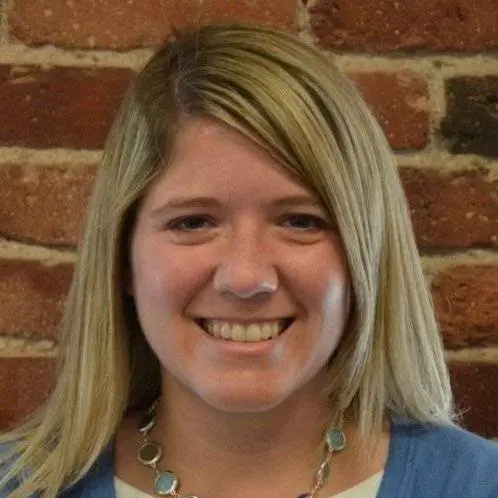
Carley Lubarsky
Senior Vice President & COO
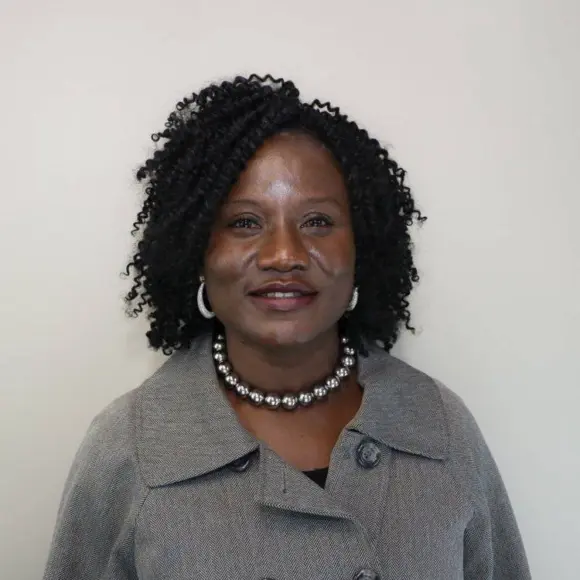
Adeola Adejinmi, MSN, BSN, RN
Chief Nursing Officer
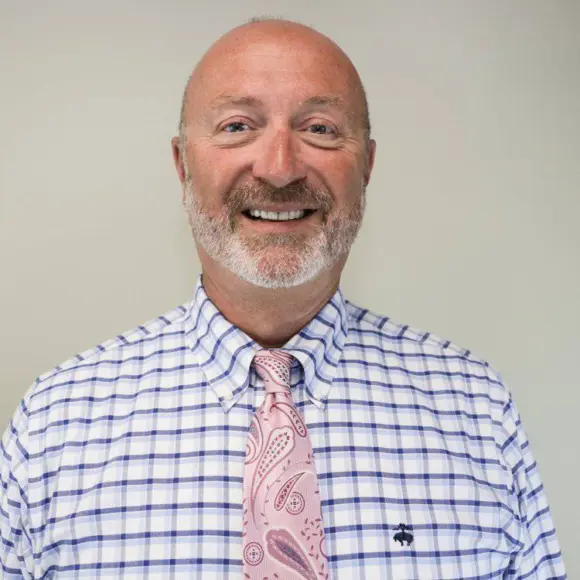
Robert Diener, M.D.
CMO
Contact Information


170 Morton Street
Jamaica Plain, MA 02130
Sponsored Helpline


