











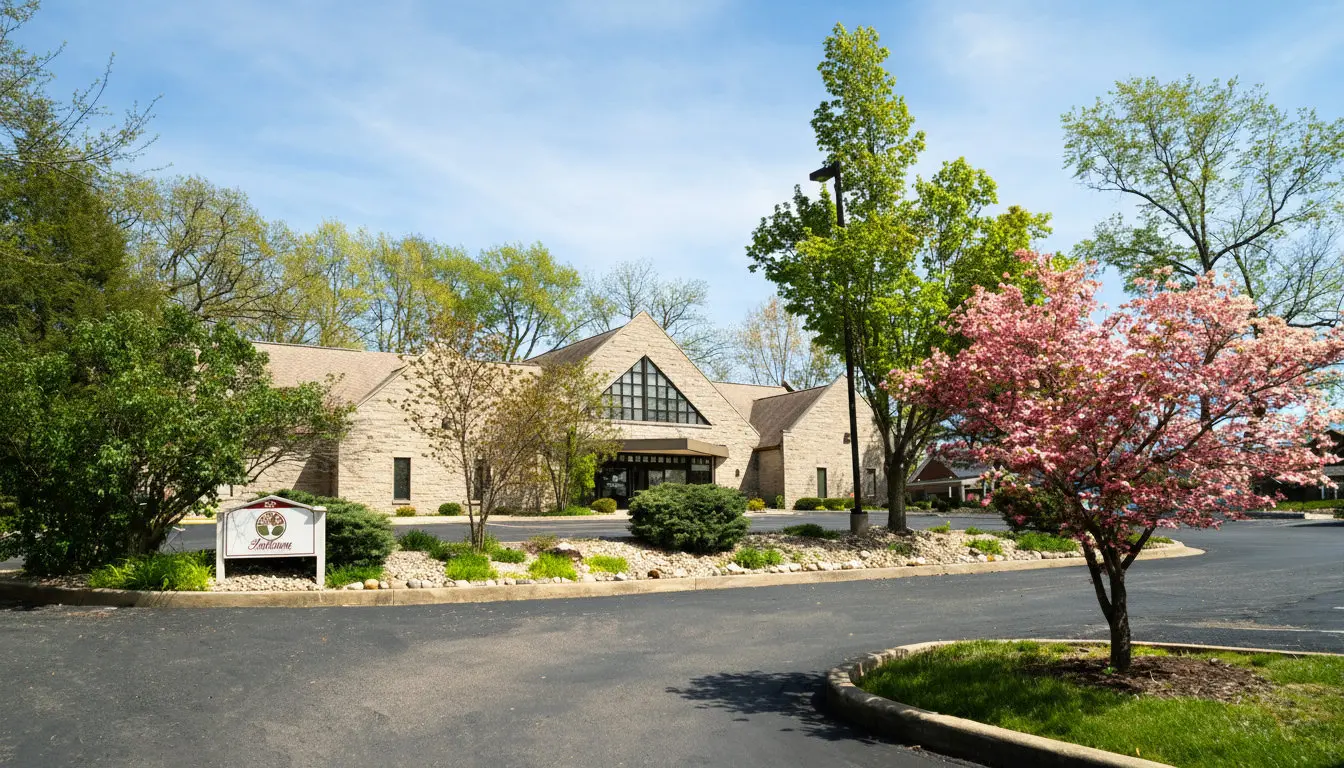
Indiana Center For Recovery – Alcohol & Drug Rehab Center – Bloomington
1
Top 10 Rehab Centers In Bloomington



















































































When you first seek treatment here, you’ll work with a multidisciplinary team of professionals. Psychiatrist, physicians and mental health professionals will work with you to determine what your co-occurring substance use struggles are and the best method to help support you.
Their MAT program offers access to multiple FDA approved medications including buprenorphine, methadone, Suboxone and naltrexone. This can help you manage withdrawal symptoms and ongoing cravings that you’ll encounter during recovery.
MAT is used alongside cognitive behavioral therapies. These therapies are offered through individual and group counseling sessions. With this, you’ll learn how to identify triggers that have contributed to your substance use struggles. You’ll also learn how to manage negative thoughts and emotions so that you can minimize your risk of relapse. As you progress through treatment, you’ll create realistic recovery goals. A plan of action will be created to help you meet those goals. As you progress through treatment, your therapies will be adjusted as needed.

 Our Methodology


Private insurance refers to any kind of healthcare coverage that isn't from the state or federal government. This includes individual and family plans offered by an employer or purchased from the Insurance Marketplace. Every plan will have different requirements and out of pocket costs so be sure to get the full details before you start treatment.
Self-pay involves paying for treatment out of your own pocket. You can use savings or credit, get a personal loan, or receive help from family and friends to fund your treatment. If you don't have insurance or your insurance plan doesn't cover a specific program, self-pay can help ensure you still get the care you need.
Financial aid can take many forms. Centers may have grants or scholarships available to clients who meet eligibility requirements. Programs that receive SAMHSA grants may have financial aid available for those who need treatment as well. Grants and scholarships can help you pai for treatment without having to repay.
Medicare is a federal program that provides health insurance for those 65 and older. It also serves people under 65 with chronic and disabling health challenges. To use Medicare for addiction treatment you need to find a program that accepts Medicare and is in network with your plan. Out of pocket costs and preauthorization requirements vary, so always check with your provider.
Military members, veterans, and eligible dependents have access to specific insurance programs that help them get the care they need. TRICARE and VA insurance can help you access low cost or no cost addiction and mental health treatment. Programs that accept military insurance often have targeted treatment focused on the unique challenges military members, veterans, and their families face.
Medicaid is a state based program that helps lower-income individuals and families pay for healthcare. Medicaid covers addiction treatment so those enrolled can use their coverage to pay for rehab. When a program accepts Medicaid the client often pays very little or nothing out of their own pocket.
Clients who are admitted to an outpatient rehab may be stepping down from intensive inpatient care or may be transitioning directly from a detox facility. Outpatient treatment enables clients to remain in or return to their home, workplace, and community without compromising access to care. Clients engage in addiction counseling and recovery education and may also receive evidence-based complementary therapies, such as yoga, acupuncture, and massage. Medication assisted treatment (MAT) is commonly available for clients in alcohol and/or opioid recovery.
Inpatient rehab is designed to stabilize clients who are exiting detox or those who are in some form of crisis. They are an important preliminary step designed to prepare clients for outpatient, sober living, or community-based care. Clients live at the treatment center and engage in intensive addiction counseling. Group and family therapy is common. Many programs also emphasize recovery-focused life skills training to support clients' sustained sobriety. Some programs offer evidence-based holistic therapies, such as meditation.
Intensive outpatient programs (IOP) support clients' return to their community following inpatient treatment and may also offer an alternative to hospitalization for clients who are relatively stable following detox. Many intensive outpatient rehabs require clients to participate in a minimum of nine and a maximum of 20 treatment hours weekly. IOP services are also highly customizable and typically include a combination of addiction counseling, recovery-focused life skills training, medication assisted treatment (MAT), and holistic therapies such as meditation.
Medical detox involves weaning your body off drugs and/or alcohol in an inpatient setting, and is often the first step in addiction recovery. Quitting alcohol and certain drugs (like benzodiazepines or opioids) can cause dangerous side effects once you have become physically dependent. In medically assisted detox, a team of on-site healthcare professionals will work to keep you safe and comfortable during this process. Additionally, they may administer medications when needed to alleviate any withdrawal symptoms.
The goal of treatment for alcoholism is abstinence. Those with poor social support, poor motivation, or psychiatric disorders tend to relapse within a few years of treatment. For these people, success is measured by longer periods of abstinence, reduced use of alcohol, better health, and improved social functioning. Recovery and Maintenance are usually based on 12 step programs and AA meetings.
The goal of drug rehab in Wisconsin is to address drug addiction as a complex issue that involves physical, mental, and relational aspects. During rehab, treatment focuses on each of these areas and gives you the tools you need to achieve and maintain sobriety.
A combined mental health and substance abuse rehab has the staff and resources available to handle individuals with both mental health and substance abuse issues. It can be challenging to determine where a specific symptom stems from (a mental health issue or an issue related to substance abuse), so mental health and substance abuse professionals are helpful in detangling symptoms and keeping treatment on track.
Opioid rehabs specialize in supporting those recovering from opioid addiction. They treat those suffering from addiction to illegal opioids like heroin, as well as prescription drugs like oxycodone. These centers typically combine both physical as well as mental and emotional support to help stop addiction. Physical support often includes medical detox and subsequent medical support (including medication), and mental support includes in-depth therapy to address the underlying causes of addiction.
Adult rehab programs include therapies tailored to each client's specific needs, goals, and recovery progress. They are tailored to the specific challenges adult clients may face, including family and work pressures and commitments. From inpatient and residential treatment to various levels of outpatient services, there are many options available. Some facilities also help adults work through co-occurring conditions, like anxiety, that can accompany addiction.
Young adulthood can be an exciting, yet difficult, time of transition. Individuals in their late teens to mid-20s face unique stressors related to school, jobs, families, and social circles, which can lead to a rise in substance use. Rehab centers with dedicated young adult programs will include activities and amenities that cater to this age group, with an emphasis on specialized counseling, peer socialization, and ongoing aftercare.
Conflict resolution and stress are common triggers for addictive behavior. Within a group therapy setting, participants learn to practice essential skills to improve relationships, manage conflict, and reduce stress. Each of these is a crucial factor in maintaining recovery.
In individual therapy, a patient meets one-on-one with a trained psychologist or counselor. Therapy is a pivotal part of effective substance abuse treatment, as it often covers root causes of addiction, including challenges faced by the patient in their social, family, and work/school life.
 Residential Setting
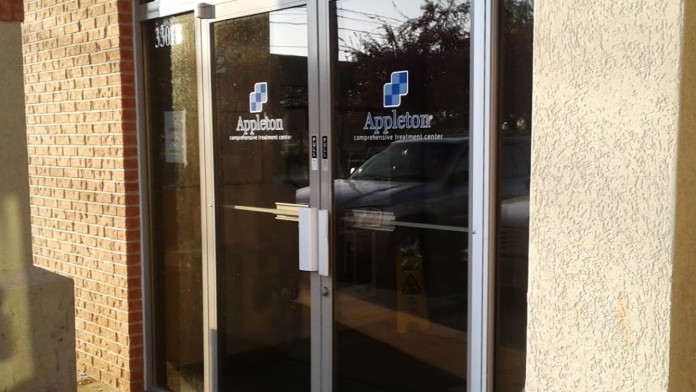
 Rehab.com regularly reviews this listing for accuracy but changes may occur between updates. For the most up-to-date information, please contact Appleton Comprehensive Treatment Center.

3301 North Ballard Road
Suite B
Appleton, WI 54911
Sponsored Helpline


Had to come back to the clinic. Was greeted with compassion and understanding. If you need help, don't hesitate calling them.

 Back
Back
Sharing your insights and experiences can help others learn more about this rehab center.
 Written By: Nadia El-Yaouti
M. Ed.
Written By: Nadia El-Yaouti
M. Ed.