






























































































I was a patient at Arbour Intensive Partial Hospital for several weeks. Please do not expose yourself to their incompetence, neglect and unprofessionalism. Dr. Kisch changed my diagnosis to Bipolar. He stopped and decreased my depression medications, which led to withdawal s ...
About Arbour Counseling Services Fall River
Many clients may need to begin treatment by undergoing detox. Arbour Counseling Services offers medication assisted treatment (MAT) to help make the process of withdrawal more comfortable.
The facility also specializes in treating numerous mental health issues. Individuals can receive help with anxiety, bipolar disorders, depression, and other serious mental illnesses. Clients begin accessing these services by calling the location and starting a confidential assessment.
From there, a clinician determines the best treatment plan for the patient. Clients beginning treatment with medication assisted treatment can receive either Suboxone or Vivitrol to help minimize withdrawal symptoms. Suboxone is taken daily, and Vivitrol is injected once a month. Staff members can guide clients on which option is most suitable for them.
Patients in the intensive outpatient program will receive services such as counseling and case management. The program typically lasts between four to six weeks based on individual goals and needs. Clients will receive resources and support from trained professionals in group therapy. They’ll also get to connect with peers and learn about topics that include early recovery skill building and relapse prevention.
Connecting with peers really makes Arbor stand out. Their main focus is to connect you back to your community. They have various community support programs, peer mentoring, and home health visits. The whole point is to enhance your daily routines so you can better cope should temptation strikes.
Latest Reviews
Very helpful, staff is great
Response from the owner1 week ago
Thank you for taking the time to leave us positive feedback! Have a great day!
Through the PHP program and therapy, I was able to overcome issues I wouldn't have able to do alone. The staff are pleasant and knowledgeable. I highly recommend this place.
Cristina is a superlative therapist who is as intuitive as she is attentive. She offers valuable perspectives to those who may be lacking in some regards due to their own specific, personal struggles.
For patients in their 20s, she offers relatability in spades, which was comforting for a patient who presented as worn down, isolationist husk of a human being. I was fortunate to finish the PHP program and to be quickly referred to her as my first therapist.
Response from the owner1 week ago
Thank you for your kind words! Your recommendation means so much to us and we truly appreciate you taking the time to share your feedback with us. Again, thank you and have a great day!
Someone give Izzy a raise 🙏🏻 my girl has been working her butt off
Response from the owner1 week ago
So glad to hear this terrific feedback! Thank you for taking the time to leave us this review. Take care. 
Rehab Score
 Our Methodology
Scoring is assigned by a proprietary system which helps surface key metrics that determine quality. The 10-point scale factors in categories such as operations, customer satisfaction, and trust metrics. Read Full Methodology

7.1 / 10
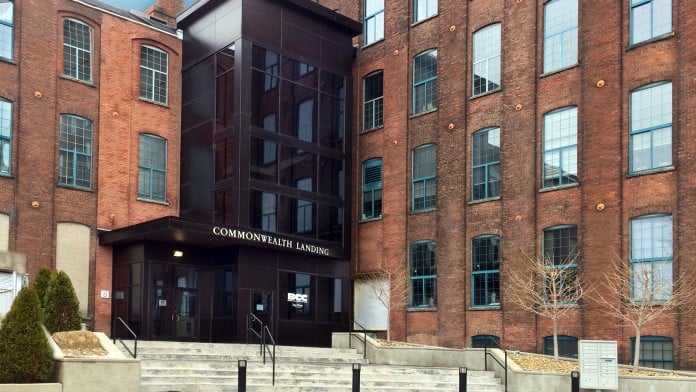
Gallery
Accepted Insurance
Other Forms of Payment
Private insurance refers to any kind of healthcare coverage that isn't from the state or federal government. This includes individual and family plans offered by an employer or purchased from the Insurance Marketplace. Every plan will have different requirements and out of pocket costs so be sure to get the full details before you start treatment.
Self-pay involves paying for treatment out of your own pocket. You can use savings or credit, get a personal loan, or receive help from family and friends to fund your treatment. If you don't have insurance or your insurance plan doesn't cover a specific program, self-pay can help ensure you still get the care you need.
Financial aid can take many forms. Centers may have grants or scholarships available to clients who meet eligibility requirements. Programs that receive SAMHSA grants may have financial aid available for those who need treatment as well. Grants and scholarships can help you pai for treatment without having to repay.
Medicare is a federal program that provides health insurance for those 65 and older. It also serves people under 65 with chronic and disabling health challenges. To use Medicare for addiction treatment you need to find a program that accepts Medicare and is in network with your plan. Out of pocket costs and preauthorization requirements vary, so always check with your provider.
Medicaid is a state based program that helps lower-income individuals and families pay for healthcare. Medicaid covers addiction treatment so those enrolled can use their coverage to pay for rehab. When a program accepts Medicaid the client often pays very little or nothing out of their own pocket.
Military members, veterans, and eligible dependents have access to specific insurance programs that help them get the care they need. TRICARE and VA insurance can help you access low cost or no cost addiction and mental health treatment. Programs that accept military insurance often have targeted treatment focused on the unique challenges military members, veterans, and their families face.
Addiction Treatments
Levels of Care
Partial hospitalization programs (PHP) are offered for patients as part of the treatment continuum. These programs offer a safe, structured environment while enabling the patient to return home at night and maintain important family and community relationships. Partial hospitalization may be appropriate for patients making the transition from inpatient to outpatient treatment or as a program alternative for patients who do not present any danger to themselves or others but need a structured treatment plan and environment.
As part of the continuum of care at Arbour Health System, Intensive Outpatient Programs (IOP) are offered for adult patients whose psychiatric and/or substance dependence symptoms are impeding their ability to function interpersonally and professionally, but do not require the intensity of partial hospitalization level of care.
Rehab aftercare programs offer customized, wraparound support for clients in the maintenance phase of recovery. Many clients enroll in drug rehab immediately after completing intensive inpatient or residential care. Services encompass outpatient treatment but often extend long beyond the completion of a formal recovery program and typically include a variety of medical, mental health, and social service programs. Peer coaching, relapse prevention, 12 step program induction, and related services are commonly available.
A partial hospitalization program (PHP), also known as day treatment, allows you to receive rehab-level care while living at home. PHP treatment requires a minimum of 20 hours of treatment each week for an average of 90 days. PHP treatment plans can vary depending on your needs but typically includes relapse prevention, medication management, and evidence-based therapies, such as cognitive-behavioral therapy (CBT), and dialectical behavior therapy (DBT). Most insurance providers fully or partially cover PHP treatment.
Treatments
Dual Diagnosis services offer a managed continuum of care designed to provide a comprehensive system of treatment and recovery from co-occurring psychiatric and substance disorders. Co-occurring psychiatric and substance disorders are treated simultaneously with a clear recognition that stabilization/arresting of the addiction is the most immediate concern upon the patient’s entering treatment.
Mental health rehabs focus on helping individuals recover from mental illnesses like bipolar disorder, clinical depression, anxiety disorders, schizophrenia, and more. Mental health professionals at these facilities are trained to understand and treat mental health issues, both in individual and group settings.
A person who has alcohol use disorder (alcoholism) builds up a physical tolerance to alcohol. If they try to stop drinking, they experience withdrawal symptoms. Treatment is available for this condition, through alcohol rehab in Massachusetts. Treatment options include AA, detox, counseling, medication, residential programs, and outpatient treatment. Social and family support systems are crucial during and after treatment of any kind.
Addiction is a highly complex problem, and drug rehab in Massachusetts is often necessary to address it. These programs treat physical, mental, and relational issues that are involved. Treatment empowers individuals to manage these issues without the use of drugs.
 Opioid Addiction
In Massachusetts, substance abuse treatment programs can help to address addiction and, if relevant, any co-occurring mental health conditions. Programs include outpatient, inpatient, dual-diagnosis, and partial hospitalization. You'll receive therapies like cognitive behavioral therapy, or dialectical behavioral therapy, and sometimes complementary therapies like acupuncture and mindfulness-based therapy. By attending skills training and recovery groups you'll build a strong foundation for your recovery and strengthen your support network, increasing your chances of long-term recovery success.
Programs
Adult rehab programs include therapies tailored to each client's specific needs, goals, and recovery progress. They are tailored to the specific challenges adult clients may face, including family and work pressures and commitments. From inpatient and residential treatment to various levels of outpatient services, there are many options available. Some facilities also help adults work through co-occurring conditions, like anxiety, that can accompany addiction.
Young adulthood can be an exciting, yet difficult, time of transition. Individuals in their late teens to mid-20s face unique stressors related to school, jobs, families, and social circles, which can lead to a rise in substance use. Rehab centers with dedicated young adult programs will include activities and amenities that cater to this age group, with an emphasis on specialized counseling, peer socialization, and ongoing aftercare.
Teen programs are designed to address the unique pressures teens face, pressures that can drive them to experiment with dangerous, addictive substances. They need programs that meet them exactly where they are and give them tools for long-term recovery. Therapy can help teenagers understand and work through underlying issues so they can reclaim the life ahead of them.
The providers who specialize in the children's rehab space understand the specialized needs that this population faces. School-based and social services such as tutoring and family counseling are often central to treatment. Child programs may also address the needs of youth experiencing substance abuse in the home, including a parent's or sibling's addiction.
Nearly one million adults age 65 and older live with a substance use disorder. Treatment providers who specialize in senior care understand the social, psychological, and physical effects of aging and how they relate to recovery. They can help clients address particular challenges and risks they may face as they get older such as overdosing and medication interactions and dependencies.
Clinical Services
Cognitive Behavioral Therapy (CBT) is a therapy modality that focuses on the relationship between one's thoughts, feelings, and behaviors. It is used to establish and allow for healthy responses to thoughts and feelings (instead of unhealthy responses, like using drugs or alcohol). CBT has been proven effective for recovering addicts of all kinds, and is used to strengthen a patient's own self-awareness and ability to self-regulate. CBT allows individuals to monitor their own emotional state, become more adept at communicating with others, and manage stress without needing to engage in substance abuse.
Dialectical Behavior Therapy (DBT) is a modified form of Cognitive Behavioral Therapy (CBT), a treatment designed to help people understand and ultimately affect the relationship between their thoughts, feelings, and behaviors. DBT is often used for individuals who struggle with self-harm behaviors, such as self-mutilation (cutting) and suicidal thoughts, urges, or attempts. It has been proven clinically effective for those who struggle with out-of-control emotions and mental health illnesses like Borderline Personality Disorder.
Group therapy is any therapeutic work that happens in a group (not one-on-one). There are a number of different group therapy modalities, including support groups, experiential therapy, psycho-education, and more. Group therapy involves treatment as well as processing interaction between group members.
In individual therapy, a patient meets one-on-one with a trained psychologist or counselor. Therapy is a pivotal part of effective substance abuse treatment, as it often covers root causes of addiction, including challenges faced by the patient in their social, family, and work/school life.
Trauma therapy addresses traumatic incidents from a client's past that are likely affecting their present-day experience. Trauma is often one of the primary triggers and potential causes of addiction, and can stem from child sexual abuse, domestic violence, having a parent with a mental illness, losing one or both parents at a young age, teenage or adult sexual assault, or any number of other factors. The purpose of trauma therapy is to allow a patient to process trauma and move through and past it, with the help of trained and compassionate mental health professionals.
Whether a marriage or other committed relationship, an intimate partnership is one of the most important aspects of a person's life. Drug and alcohol addiction affects both members of a couple in deep and meaningful ways, as does rehab and recovery. Couples therapy and other couples-focused treatment programs are significant parts of exploring triggers of addiction, as well as learning how to build healthy patterns to support ongoing sobriety.
Research clearly demonstrates that recovery is far more successful and sustainable when loved ones like family members participate in rehab and substance abuse treatment. Genetic factors may be at play when it comes to drug and alcohol addiction, as well as mental health issues. Family dynamics often play a critical role in addiction triggers, and if properly educated, family members can be a strong source of support when it comes to rehabilitation.
Life skills trainings involve all the skills a person must have in order to function successfully in the world. These include time management, career guidance, money management, and effective communication. Truly successful addiction recovery is based on the ability to not only live substance-free, but to thrive. Life skills teaches the practical necessities of functioning in society, which sets clients up for success in life, and therefore sobriety.
Creativity is inherently healing, and can help those in recovery express thoughts or feelings they might not otherwise be able to. Creative arts therapy can include music, poetry/writing, painting, sculpting, dance, theater, sandplay, and more. Unlike traditional art, the final product matters far less than the experience of creation and expression itself.
Experiential therapy is a form of therapy in which clients are encouraged to surface and work through subconscious issues by engaging in real-time experiences. Experiential therapy departs from traditional talk therapy by involving the body, and having clients engage in activities, movements, and physical and emotional expression. This can involve role-play or using props (which can include other people). Experiential therapy can help people process trauma, memories, and emotion quickly, deeply, and in a lasting fashion, leading to substantial and impactful healing.
Four principles are key to motivational interviewing in Massachusetts. First, the therapist offers empathy for the client's feelings and experiences. Second, they encourage the client to believe in themselves and their ability to change. Third, the therapist refrains from imposing their own viewpoints. Lastly, the therapist helps the client identify discrepancies in their circumstances and future goals.
Amenities
-
 Residential Setting
 -
 Private Rooms
Staff & Accreditations
Staff
Scott Munger, LICSW
CEO
Erin Knight, APRN, BC, MSN
Nurse Coordinator & Risk Manager
Kelly C. Bauks, LMHC
Director of Quality Assurance & Compliance
Christine Studley, MBA
Director of Human Resources

Shakuntala Anderson, LICSW
Executive Director of Community Services Department
Jennifer Whitman
Director of Billing Operations
Eric Roldan, LICSW
Executive Director of Outpatient Services
Accreditations

The Commission on Accreditation of Rehabilitation Facilities (CARF) is a non-profit organization that specifically accredits rehab organizations. Founded in 1966, CARF's, mission is to help service providers like rehab facilities maintain high standards of care.
CARF Accreditation: Yes

The Joint Commission, formerly known as JCAHO, is a nonprofit organization that accredits rehab organizations and programs. Founded in 1951, the Joint Commision's mission is to improve the quality of patient care and demonstrating the quality of patient care.
Joint Commission Accreditation: Yes

The Substance Abuse and Mental Health Services Administration (SAMHSA) is a branch of the U.S. Department of Health and Human Services. Established in 1992 by congress, SAMHSA's mission is to reduce the impact of substance abuse and mental illness on American's communities.
SAMHSA Listed: Yes

State Licenses are permits issued by government agencies that allow rehab organizations to conduct business legally within a certain geographical area. Typically, the kind of program a rehab facility offers, along with its physical location, determines which licenses are required to operate legally.
State License: Massachusetts
Rehab.com regularly reviews this listing for accuracy but changes may occur between updates. For the most up-to-date information, please contact Arbour Counseling Services Fall River.
Contact Information

1082 Davol St
Fall River, MA 02720
Get Help Now - 508-375-7527
Sponsored Helpline
Sponsored Helpline



