
 800-784-1361
About Behavioral Health Network – Children’s Behavioral Health Initiative
Latest Reviews



Rehab Score
 Our Methodology


Other Forms of Payment
Financial aid can take many forms. Centers may have grants or scholarships available to clients who meet eligibility requirements. Programs that receive SAMHSA grants may have financial aid available for those who need treatment as well. Grants and scholarships can help you pai for treatment without having to repay.
Addiction Treatments
Levels of Care
Intensive Outpatient Programs (IOP) are for those who want or need a very structured treatment program but who also wish to live at home and continue with certain responsibilities (such as work or school). IOP substance abuse treatment programs vary in duration and intensity, and certain outpatient rehab centers will offer individualized treatment programs.
Outpatient Programs (OP) are for those seeking mental rehab or drug rehab, but who also stay at home every night. The main difference between outpatient treatment (OP) and intensive outpatient treatment (IOP) lies in the amount of hours the patient spends at the facility. Most of the time an outpatient program is designed for someone who has completed an inpatient stay and is looking to continue their growth in recovery. Outpatient is not meant to be the starting point, it is commonly referred to as aftercare.
Treatments
Mental health rehabs focus on helping individuals recover from mental illnesses like bipolar disorder, clinical depression, anxiety disorders, schizophrenia, and more. Mental health professionals at these facilities are trained to understand and treat mental health issues, both in individual and group settings.
Programs
Young adulthood can be an exciting, yet difficult, time of transition. Individuals in their late teens to mid-20s face unique stressors related to school, jobs, families, and social circles, which can lead to a rise in substance use. Rehab centers with dedicated young adult programs will include activities and amenities that cater to this age group, with an emphasis on specialized counseling, peer socialization, and ongoing aftercare.
Clinical Services
Assertive Community Treatment (ACT) is a structured way of helping those with major mental illnesses and/or substance abuse by bringing services directly to the patient in home. Instead of hospitalization or an outpatient program, staff members like social workers, psychiatrists, and counselors come directly to the patient’s house for treatment. ACT is used primarily for those with severe and persistent mental illness like schizophrenia or bipolar disorder, some of whom also contend with substance abuse. ACT can be short- or long-term (months to years), and provides the same multidisciplinary, 24/7 staffing of a psychiatric unit, but in the comfort of the patient's own home and/or community.
Research clearly demonstrates that recovery is far more successful and sustainable when loved ones like family members participate in rehab and substance abuse treatment. Genetic factors may be at play when it comes to drug and alcohol addiction, as well as mental health issues. Family dynamics often play a critical role in addiction triggers, and if properly educated, family members can be a strong source of support when it comes to rehabilitation.
In individual therapy, a patient meets one-on-one with a trained psychologist or counselor. Therapy is a pivotal part of effective substance abuse treatment, as it often covers root causes of addiction, including challenges faced by the patient in their social, family, and work/school life.
Amenities
-
 Private Setting
 -
 Private Transportation
Staff
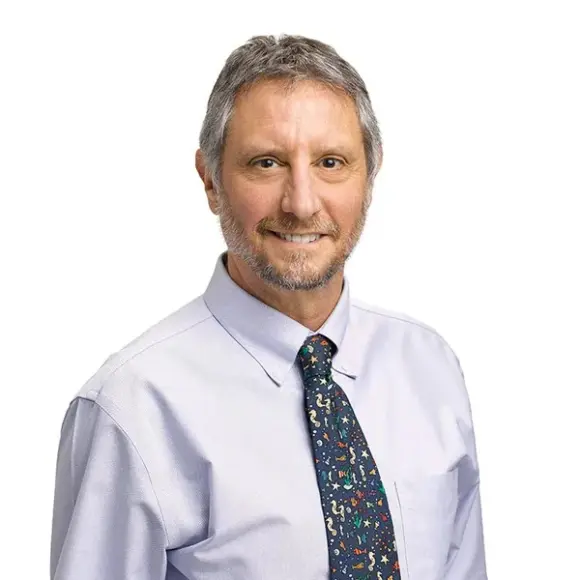
Steve Winn, Ph.D.
President & CEO

Anthony Boswell
Senior VP
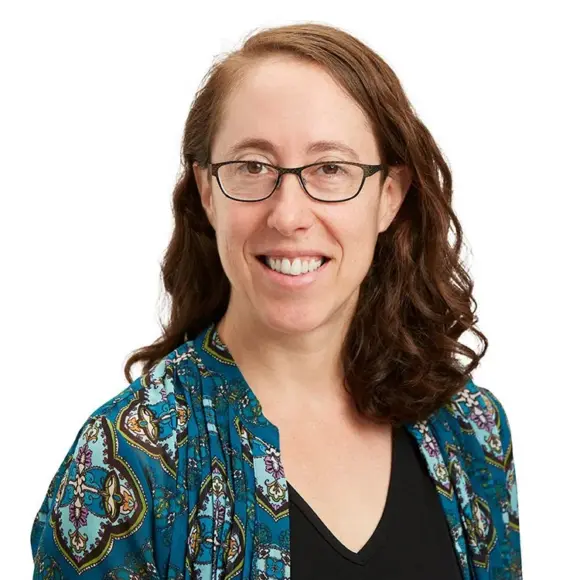
Dr. Sara Brewer
Medical Director
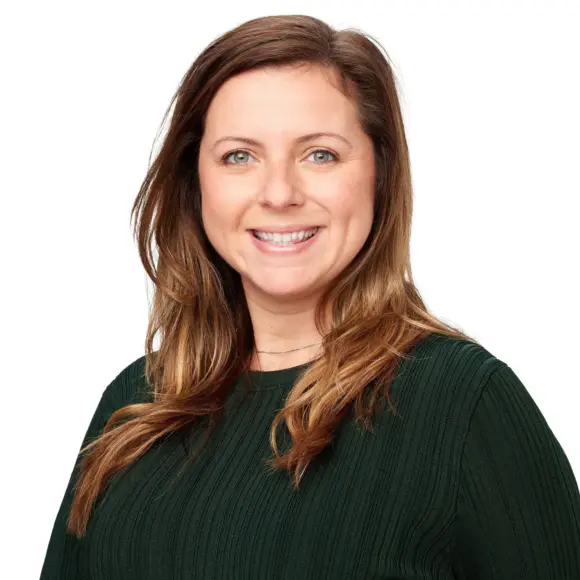
Randie Caetano Cadigan
VP, Care Management
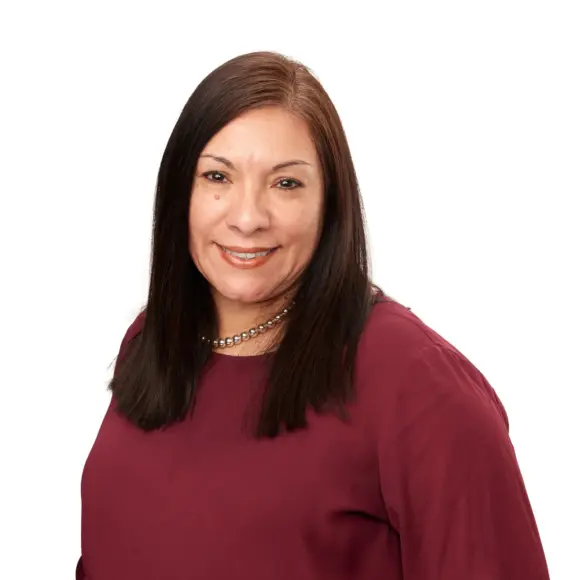
Rosemary Cruz, SPHR
Assistant Vice President, Human Resources
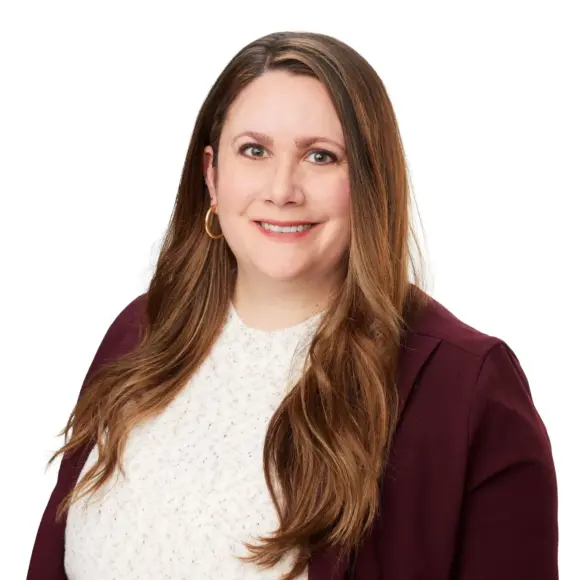
Jessica DeFlumer, MA
COO
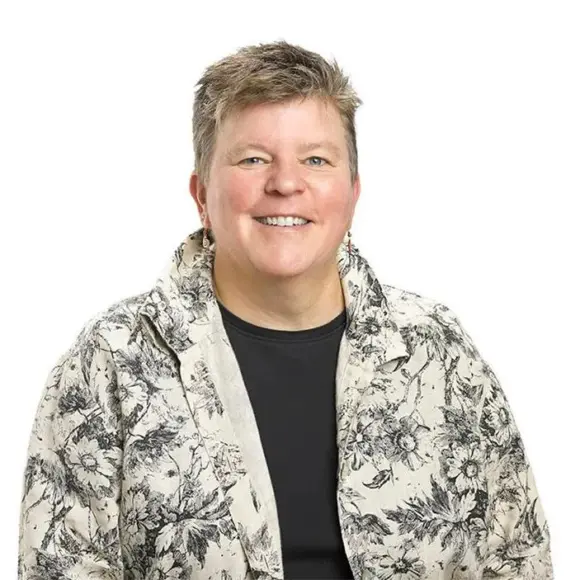
Rose Evans, MEd
Senior Vice President, Addiction & Recovery Services
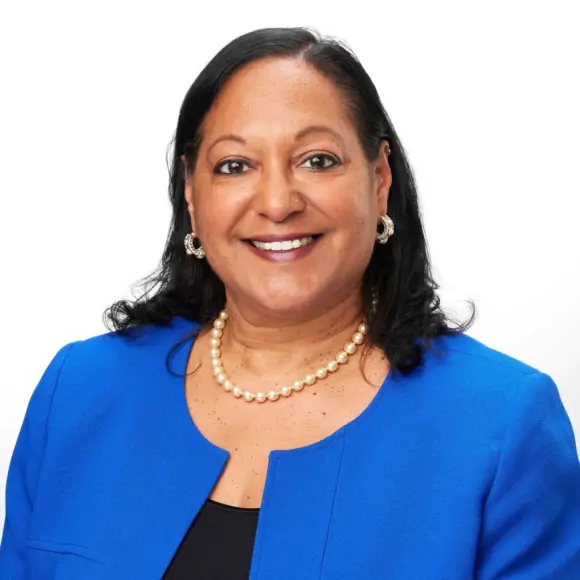
Toni Hendrix
Vice President, Human Resources
Contact Information


96 South St
Ware, MA 01082
Sponsored Helpline

