Tree House Recovery PDX
1
Top 10 Rehab Centers In Portland




















































































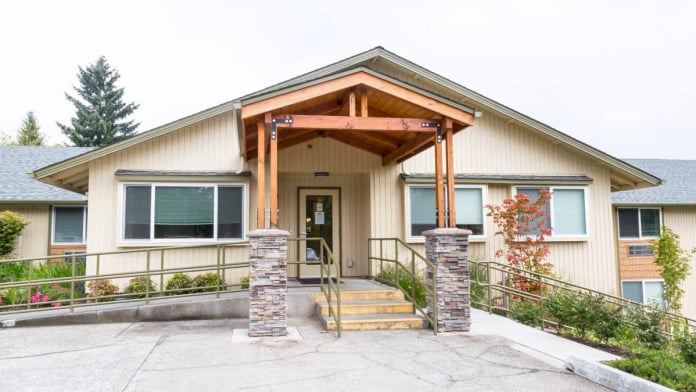
Center for Discovery provides eating disorder treatment in Edmonds, Washington for teens across the Pacific Northwest.
The program treats anorexia, bulimia, binge eating disorder and co-occurring mental health and substance use concerns for youth of all genders, primarily ages 10 to 17.
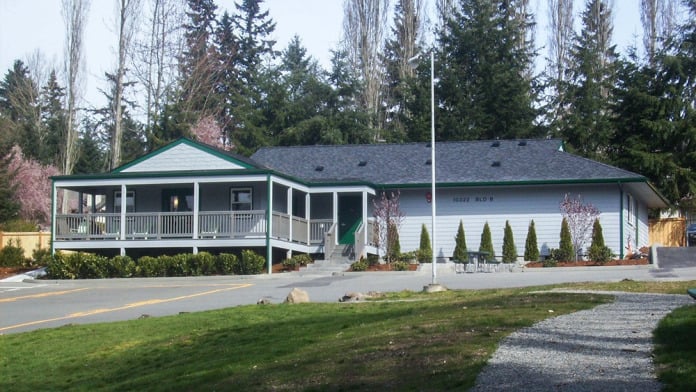
With a home-like residential setting and clinically rigorous care, Center for Discovery helps adolescents build sustainable recovery skills they can carry into everyday life.
The Edmonds program specializes in serious eating disorder treatment for teens, offering residential care, partial hospitalization and virtual treatment options.
Family therapy, art therapy and trauma-informed support are integrated throughout each level of care.
Treatment includes CBT, DBT and exposure and response prevention, paired with a dietary model providing a consistent relational eating approach that emphasizes trauma-focused nutrition therapy, nervous-system responsiveness and weight inclusivity.
A defining feature of the Edmonds program is its focus on community integration, with outings to restaurants, grocery stores, bakeries and malls that let adolescents practice recovery skills in real-life settings.
Hands-on kitchen experiences and restaurant challenges help bridge the gap between residential care and life at home.
The Edmonds facility serves adolescents from Washington, Oregon, Idaho, Alaska and Montana through in-person and telehealth options.



 Our Methodology






Private insurance refers to any kind of healthcare coverage that isn't from the state or federal government. This includes individual and family plans offered by an employer or purchased from the Insurance Marketplace. Every plan will have different requirements and out of pocket costs so be sure to get the full details before you start treatment.
Self-pay involves paying for treatment out of your own pocket. You can use savings or credit, get a personal loan, or receive help from family and friends to fund your treatment. If you don't have insurance or your insurance plan doesn't cover a specific program, self-pay can help ensure you still get the care you need.
Clients enrolled in an outpatient rehab program typically engage in multiple therapeutic sessions each week, but reside in their own homes and communities while receiving care. Outpatient treatment typically involves extensive addiction counseling, including family and group therapy. Most programs also emphasize recovery-focused life skills training and medical, mental health, and social support services to promote clients' sustained sobriety. Evening, night, weekend, and virtual services are widely available to accommodate the schedules of working professionals, students, and caregivers.
Inpatient rehab enables clients who are exiting detox or who are at an increased risk of relapse to focus on their recovery in a highly structured and supportive environment. Inpatient rehabs provide intensive clinical supervision and high-level treatment. Clients remain at the facility through the length of their program and typically receive multiple addiction counseling and education sessions per day. Holistic therapies, such as yoga, message, and meditation, may be used to relieve stress and ease discomfort.
Intensive outpatient programs (IOP) are frequently used to facilitate clients' transition from inpatient to outpatient care. Clients who are more stable may also choose to enter IOP rather than a residential rehab following detox. Intensive outpatient treatment typically consists of nine to 20 therapeutic hours per week, with services ranging from psychotherapy to recovery education to holistic care. Many programs offer medication assisted treatment (MAT) for opioid and/or alcohol addiction.
Rehab aftercare programs support clients as they focus on maintaining their sobriety after intensive (often inpatient) treatment. These programs adhere to a model of life-long recovery, addressing addiction disease as a chronic, relapsing condition. Rehab aftercare services vary widely based on the specific and evolving needs of the client, but often include peer coaching, relapse prevention support, and 12 step program induction. Clients, case managers, and care teams typically collaborate on long-term care plans.
12 step programs support participants' psychological, spiritual, and emotional development as integral to sustained recovery. Though 12 step recovery programs are based on the belief in a non-denominational higher power, religious affiliation is not required. Group meetings are paper-led, anonymous, free, and available daily, including on holidays, in most communities. Peer sponsors selected by the participants provide one-on-one coaching and support. Specialized formats are widely available, including programming for youth, seniors, and families.
It can be difficult for family and friends to carry out a successful drug intervention in Washington on their own. Intervention services can help. These services typically include education about addiction and enabling behaviors, expert facilitation for interventions, and recommendations for appropriate treatment. Often, the involvement of intervention services can create a smooth transition into rehab.
A partial hospitalization program (PHP) is a short-term form of intensive rehab, usually for those with acute symptoms that are hard to manage but don’t require 24-hour care. PHPs have structured programming (i.e. individual and/or group therapy), and usually meet 3-5 days a week for around 6 hours (i.e. 9am-3m). Some PHPs are residential (patients sleep on site) and some are not, so patients sleep at home. PHPs can last from 1-6 months, and some offer transportation and meals.
Many of those suffering from addiction also suffer from mental or emotional illnesses like schizophrenia, bipolar disorder, depression, or anxiety disorders. Rehab and other substance abuse facilities treating those with a dual diagnosis or co-occurring disorder administer psychiatric treatment to address the person's mental health issue in addition to drug and alcohol rehabilitation.
Mental health rehabs focus on helping individuals recover from mental illnesses like bipolar disorder, clinical depression, anxiety disorders, schizophrenia, and more. Mental health professionals at these facilities are trained to understand and treat mental health issues, both in individual and group settings.
Adult rehab programs include therapies tailored to each client's specific needs, goals, and recovery progress. They are tailored to the specific challenges adult clients may face, including family and work pressures and commitments. From inpatient and residential treatment to various levels of outpatient services, there are many options available. Some facilities also help adults work through co-occurring conditions, like anxiety, that can accompany addiction.
Young adulthood can be an exciting, yet difficult, time of transition. Individuals in their late teens to mid-20s face unique stressors related to school, jobs, families, and social circles, which can lead to a rise in substance use. Rehab centers with dedicated young adult programs will include activities and amenities that cater to this age group, with an emphasis on specialized counseling, peer socialization, and ongoing aftercare.
Recovery is most successful when clients feel accepted and validated by their peers and treatment providers. Facilities that offer LGBTQ-inclusive programming are committed to creating a safe space where everyone can grow and recover without fear of judgment or discrimination. They will have dedicated policies in place to create a safe and supportive environment that fosters free expression.
Often, substance use disorder originates with negative thinking patterns. Cognitive behavioral therapy in Washington is designed to help individuals change these patterns of thought, which leads to changes in behavior and freedom from addiction.
Dialectical behavior therapy (DBT) is a highly structured form of therapy that teaches skills to help participants change negative thoughts and behaviors. Applying a philosophy of acceptance and change, you'll learn and practice these skills to break unhealthy patterns and establish healthy ones.
Group therapy is a safe space that offers you a confidential environment to openly discuss your challenges with addiction and the progress you're making without fear of judgment. Group therapy participants share responsibility for recovery, which fosters a collective commitment to sobriety.
Individual therapy sessions for drug and alcohol addiction treatment emphasize the importance of personalized care. Your therapist works with you to understand your unique life experiences and develop effective coping mechanisms to address your underlying issues. This comprehensive approach to recovery is the foundation of drug rehab.
Research clearly demonstrates that recovery is far more successful and sustainable when loved ones like family members participate in rehab and substance abuse treatment. Genetic factors may be at play when it comes to drug and alcohol addiction, as well as mental health issues. Family dynamics often play a critical role in addiction triggers, and if properly educated, family members can be a strong source of support when it comes to rehabilitation.
The goal of trauma therapy is to help you heal from the aftereffects of a traumatic experience. Your therapist will provide you with a safe and supportive space to process these trauma memories and develop better coping strategies that enhance your emotional resilience.
 Residential Setting
  Private Rooms
Executive Director
VP of Clinical Operations
Executive Director of Clinical Outcomes
Chief Medical Officer
Director of Nutrition & Wellness, Residential
Executive Director of Path to Peace

VP of Operations Outpatient Division & Virtual Programming

VP of Operations Residential Division

The Commission on Accreditation of Rehabilitation Facilities (CARF) is a non-profit organization that specifically accredits rehab organizations. Founded in 1966, CARF's, mission is to help service providers like rehab facilities maintain high standards of care.
CARF Accreditation: Yes

The Joint Commission, formerly known as JCAHO, is a nonprofit organization that accredits rehab organizations and programs. Founded in 1951, the Joint Commision's mission is to improve the quality of patient care and demonstrating the quality of patient care.
Joint Commission Accreditation: Yes
Rehab.com regularly reviews this listing for accuracy but changes may occur between updates. For the most up-to-date information, please contact Center for Discovery – Edmonds.

7511 176th St SW
Edmonds, WA 98026
Sponsored Helpline


I was admitted to this facility in february of 2020. I was at rock bottom of my eating disorder, experiencing a paranoid psychotic break, and at the start of a global pandemic. I won’t lie, at first i really didn’t find it helpful. I wanted to leave, i didn’t like the program and i DEFINITELY hated the meal plan. As most people with eating disorders did (and do) in the program. As i started to become healthier, mentally more than physically, i really thrived here in this facility. My therapist and the staff who worked there at the time were the highlight of my day. I wouldn’t have been able to recover without Hannah Flemings incredible psychology skills, and the support of Aimee as a dietary tech/counselor. Chelsea always made me laugh and was an amazing person to be around. Rachel was always such a cool chick, and i loved the groups that all of the counselors ran. I truly believe that i would not be walking this earth anymore if it weren’t for the care and support that i received from Center for Discovery in Edmonds. I understand why there’s a lot of bad reviews here, mostly because it’s teenagers who received care from this facility who most likely didn’t want to get better or had bad experiences with some staff. But please don’t hesitate to send your children to this facility, they really do help people and i am a testimonial for that. I would give you guys 5 stars, but there is one staff member who still works there that left a really bad taste in my mouth. Kara was probably the absolute worst person to hire as a counselor. I don’t care if she was a social worker and has experience, she should never work in an eating disorder clinic. When i was there, she caused a client to sit out of a group and start crying because she had us do stretches and exercises that went beyond our movement level (which is dangerous, because we’re supposed to always have our head above our heart for cardiac safety). She was very pushy with me when i showed signs of anxiety, challenging me to stop stimming when it was my way of self soothing in a scary environment. When i expressed my dislike towards her, all of the clients agreed with me and felt the same. Even when i had another stay in the Bellevue adult facility, none of the clients there liked her either (and that was in 2022). Otherwise, everyone there is doing an amazing job at providing comfort and care to the clients, at least in 2020 when i was there.

As I sit down to reflect, this place was one of the worst experiences of my life. I am not going to disclose what, but I have two eating disorders. One involves the thoughts about the way my body looks, coping skills, etc, and one does not. While everyone else was working on their recovery and their ED, I felt alone. So alone. I felt like the staff helped to an extent, and then I was just punished because I couldn't finish. No one helped me come up with new solutions. The stress got so intense that my body was rejecting food. And it's like, you can't improve, get discharged, or go home, let alone move up phases if you don't finish. It wasn't my fault, but I blamed myself. Also, this place does a horrid job at treating EDs in general. It's just a place to get medically stable, they don't treat any underlying things that involved eating disorders. In my opinion, they should not advertising treating non "conventional" eating disorders, because they barely helped me with mine. Since I have been home, I researched what treatment should've been like for my second ED. I don't feel like this place treated my second ED at all. I still struggle with it daily. Staff do not know how to treat other mental health issues at all. Sure, it's an eating disorder treatment center, but it's also a mental health one. Most patients that come in have other mental health problems too. I was made out to be the bad guy, all because I was struggling. I started to get very angry towards the end of my stay because none of the staff we're listening to me, let alone my therapist. Staff were rude, touched us without asking, made comments about our bodies, and other things similar. There were so many arguments between patients, and some of those things weren't even acknowledged. Their solution was to punish us all with house reset, and we were all told it was our fault. I believe they should've gone about this situation a different way. We were all just under high stress. I don't blame any of my peers, I blame staff and the way this place runs itself. There is so much more I could mention, but that is some main stuff. There were some good moments, but those feel outweighed by the bad. In all, this place made me, and other patients, feel like a burden for struggling. I think that this place has potential, I think that maybe staff should have more training or something.

I'm using different email but I went here in October of 2022 right after my birthday and was there until January 3rd. Katie Sarah Rachel rain they will be the best part of that place if you go. Yes it gets you medically stable but it won't get you mentally stable. I left miserable I was miserable the entire time. The kids there with me all agreed how bad it was and I would cause issues because I didn't agree with how things were going. If your child is okay with being treated as if there 3 and forced to do things they know isn't helpful to them then yeah this is the place for you. If you wanna be able to still live your life and be able to be happy I would try the most not aggressive thing first. Start with 3 days a week meeting for 3 hours. I wish I had started with that. I appreciate being able to eat again but it didn't cure me it won't cure anyone it honestly will just impact your mental health even more and not in a good way. But if Katie and rain see this I love you guys and thanks for making it easier at times.
 Back
Back
Sharing your insights and experiences can help others learn more about this rehab center.