Our Rehab Score is designed to make it easier for you to find the best treatment centers. We combine overall ratings with recent feedback to create a score that reflects a center's quality right now.
Our Rehab Score is designed to make it easier for you to find the best treatment centers. We combine overall ratings with recent feedback to create a score that reflects a center's quality right now.
8.32 / 10
About Hotel California by the Sea Bellevue
Hotel California by the Sea Bellevue offers addiction treatment services to youth, men and women trying to recover from substance misuse and co-occurring mental health disorders. They are located in Bellevue, Washington. Their levels of care include detox services, residential treatment and multiple outpatient programs. These outpatient programs vary in intensity, and they include partial hospitalization care and intensive outpatient care.
A Kaleidoscope of Care
Their detox program, which is the first step to recovery, offers medication assisted treatment (MAT). This service alone can make a grand difference in your recovery because it lowers the chance of dangerous and uncomfortable withdrawal symptoms.
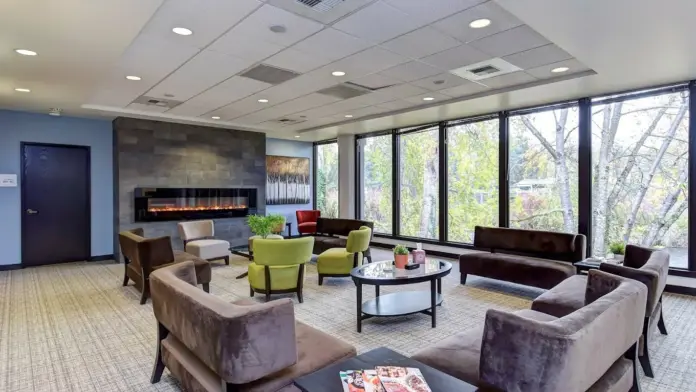
Their residential program is the next step in treatment because it offers 24/7 care from their team of medical professionals. They treat you by applying cognitive behavioral therapy, group therapy, and EMDR. The furnishings here are modern and updated, so you’ll feel right at home.
Their partial hospitalization program is the most intensive outpatient option. You’d be attending daily treatment sessions for several hours, with a big focus on relapse prevention.
Intensive outpatient care includes ongoing therapy, family counseling and career and education planning.
Practical Resources for Long-Term Success
They have a career resources program that helps you regain your educational and professional footing, as well as a voluntary college program to assist you in enrolling in vocational programs.
They also have a life skills program and a job placement program to support you in finding work in the area. The life skills program can teach you valuable skills you can use in the real world. Their distinctive family program helps you connect closer with your loved ones.
Jani Nelson intake supervisor how far one of the nicest intake I’ve had she was super patient and really sympathetic unfortunately this is ongoing for last year and I’ve been there several times but she was super helpful. Didn’t make me feel uncomfortable and was efficient. Thanks, Jani
Response from the owner3 weeks ago
Thank you, Christien! We're so glad Jani made your intake comfortable and efficient—that's the care we strive for. We'll be sure to share your kind words with her. We're always here to support you!
My name is Jo and i have to tell you, Hotel California gave me my life back.
i was so lost in my addiction to alcohol and marijuana, i lost my self as a mother, a partner, and my own self identity. Hotel helped me rediscover me again, they helped me to build a routine and to fill the time i was using, numbing, with meetings, new connections, and purpose. I found Jo again! The staff is wonderful, I got frustrated at times, mostly when I wasn't wanting to listen or accept change. If you truly work the program, you will come back on top of your life, plus the chef makes some KILLER food! And there is ALWAYS coffee at the AA meetings! The outings are fun too, this last week they took us to the mall and i spent all of my time at the arcade, while others shopped, we just had to meet back up at the set time! If you choose hotel, and stay all the way through, the feeling of accomplishment will amaze you, and being sober freaking rocks by the way! I was afraid I would never have fun again, now i find myself enjoying life again, without substance. If you think youve hit rock bottom, or youre almost there, let Hotel save you, its worth it!
Response from the owner3 weeks ago
Thank you Jo, we're so proud of the work you put in, and honored to have been part of your journey back to yourself. Thank you for sharing your story so honestly and letting us be a part of it.
Scoring is assigned by a proprietary system which helps surface key metrics that determine quality. The 10-point scale factors in categories such as operations, customer satisfaction, and trust metrics. Read Full Methodology
8.3 / 10
Gallery
Accepted Insurance
Please contact to verify your specific insurance provider.
Hotel California by the Sea Bellevue works with several private insurance providers, please contact to verify your specific insurance provider.
Private insurance refers to any kind of healthcare coverage that isn't from the state or federal government. This includes individual and family plans offered by an employer or purchased from the Insurance Marketplace. Every plan will have different requirements and out of pocket costs so be sure to get the full details before you start treatment.
Self-pay involves paying for treatment out of your own pocket. You can use savings or credit, get a personal loan, or receive help from family and friends to fund your treatment. If you don't have insurance or your insurance plan doesn't cover a specific program, self-pay can help ensure you still get the care you need.
Military members, veterans, and eligible dependents have access to specific insurance programs that help them get the care they need. TRICARE and VA insurance can help you access low cost or no cost addiction and mental health treatment. Programs that accept military insurance often have targeted treatment focused on the unique challenges military members, veterans, and their families face.
Medicaid is a state based program that helps lower-income individuals and families pay for healthcare. Medicaid covers addiction treatment so those enrolled can use their coverage to pay for rehab. When a program accepts Medicaid the client often pays very little or nothing out of their own pocket.
Medicare is a federal program that provides health insurance for those 65 and older. It also serves people under 65 with chronic and disabling health challenges. To use Medicare for addiction treatment you need to find a program that accepts Medicare and is in network with your plan. Out of pocket costs and preauthorization requirements vary, so always check with your provider.
Addiction Treatments
Levels of Care
Intensive outpatient programs (IOP) are frequently used to facilitate clients' transition from inpatient to outpatient care. Clients who are more stable may also choose to enter IOP rather than a residential rehab following detox. Intensive outpatient treatment typically consists of nine to 20 therapeutic hours per week, with services ranging from psychotherapy to recovery education to holistic care. Many programs offer medication assisted treatment (MAT) for opioid and/or alcohol addiction.
Rehab aftercare programs support clients as they focus on maintaining their sobriety after intensive (often inpatient) treatment. These programs adhere to a model of life-long recovery, addressing addiction disease as a chronic, relapsing condition. Rehab aftercare services vary widely based on the specific and evolving needs of the client, but often include peer coaching, relapse prevention support, and 12 step program induction. Clients, case managers, and care teams typically collaborate on long-term care plans.
12-step programs are addiction recovery models based on Alcoholics Anonymous (AA). A number of substance abuse programs (including some drug and alcohol rehab centers) use the 12 steps as a basis for treatment. Beginning steps involve admitting powerlessness over the addiction and creating a spiritual basis for recovery. Middle steps including making direct amends to those who've been hurt by the addiction, and the final step is to assist others in addiction recovery in the same way. 12-Step offshoots including Narcotics Anonymous (NA), Cocaine Anonymous (CA), Dual Recovery Anonymous (DRA), Sex and Love Addicts Anonymous (SLAA) and Gamblers Anonymous (GA).
Sober Living Houses (SLHs), aka sober homes or halfway houses, are safe, substance-free, supportive living facilities for those recovering from substance abuse. Ideal for those who've just been through inpatient or outpatient treatment, SLHs are supervised environments with rules that support sobriety, such as curfews, shared chores, and therapeutic meetings. Residents are also often trained on life skills and coping skills to make it easier to transition into society. SLHs also provide a strong sense of community that can lead to the kind of deep and lasting connections with other sober individuals that supports a new, healthy lifestyle.
Intervention services helps family or friends of addicts stage an intervention, which is a meeting in which loved ones share their concerns and attempt to get an addict into treatment. Professional intervention specialists can help loved ones organize, gather, and communicate with an addict. They can guide intervention participants in describing the damage the addict's behavior is causing and that outside help is necessary to address the addiction. The ideal outcome of an intervention is for the addict to go to rehab and get the help they need.
With a partial hospitalization program (PHP), individuals can receive intensive rehab with the ability to return home each day. PHP treatment is often an alternative to inpatient hospitalization or a step-down option. PHP treatment typically requires at least 20 hours per week for approximately 90 days. Common components of PHP treatment plans include relapse prevention, medication management, and behavioral therapy services. Insurance coverage for PHP treatment is typically available, though coverage specifics depend on your insurance provider.
24-hour clinical care in Washington includes a team of medical professionals who are on-site 24/7 to provide the care you need. Medical staff can provide medications and other physical treatment to help you safely navigate withdrawal. Counselors offer mental and emotional support. Other specialists who offer additional resources may include nutritionists, family therapists, and case managers.
Medical detox is often the first step in addiction recovery and involves ridding the body of drugs and/or alcohol in a supervised inpatient setting. If you've become physically dependent on substances like alcohol, benzodiazepines (like Xanax), or opioids, quitting abruptly may cause uncomfortable or even dangerous side effects. In medically assisted detox, a team of medical professionals will help manage any potential withdrawal symptoms with the aim of keeping you as safe and comfortable as possible.
Treatments
The goal of treatment for alcoholism is abstinence. Those with poor social support, poor motivation, or psychiatric disorders tend to relapse within a few years of treatment. For these people, success is measured by longer periods of abstinence, reduced use of alcohol, better health, and improved social functioning. Recovery and Maintenance are usually based on 12 step programs and AA meetings.
Effective drug rehab in Washington integrates care for the whole person, offering comprehensive solutions to addiction. Treatment methods address mental, physical, and relational aspects of substance abuse.
Many of those suffering from addiction also suffer from mental or emotional illnesses like schizophrenia, bipolar disorder, depression, or anxiety disorders. Rehab and other substance abuse facilities treating those with a dual diagnosis or co-occurring disorder administer psychiatric treatment to address the person's mental health issue in addition to drug and alcohol rehabilitation.
A combined mental health and substance abuse rehab has the staff and resources available to handle individuals with both mental health and substance abuse issues. It can be challenging to determine where a specific symptom stems from (a mental health issue or an issue related to substance abuse), so mental health and substance abuse professionals are helpful in detangling symptoms and keeping treatment on track.
Opioid rehabs specialize in supporting those recovering from opioid addiction. They treat those suffering from addiction to illegal opioids like heroin, as well as prescription drugs like oxycodone. These centers typically combine both physical as well as mental and emotional support to help stop addiction. Physical support often includes medical detox and subsequent medical support (including medication), and mental support includes in-depth therapy to address the underlying causes of addiction.
Programs
Adult rehab programs include therapies tailored to each client's specific needs, goals, and recovery progress. They are tailored to the specific challenges adult clients may face, including family and work pressures and commitments. From inpatient and residential treatment to various levels of outpatient services, there are many options available. Some facilities also help adults work through co-occurring conditions, like anxiety, that can accompany addiction.
Young adulthood can be an exciting, yet difficult, time of transition. Individuals in their late teens to mid-20s face unique stressors related to school, jobs, families, and social circles, which can lead to a rise in substance use. Rehab centers with dedicated young adult programs will include activities and amenities that cater to this age group, with an emphasis on specialized counseling, peer socialization, and ongoing aftercare.
Recovery is most successful when clients feel accepted and validated by their peers and treatment providers. Facilities that offer LGBTQ-inclusive programming are committed to creating a safe space where everyone can grow and recover without fear of judgment or discrimination. They will have dedicated policies in place to create a safe and supportive environment that fosters free expression.
Clinical Services
Cognitive Behavioral Therapy (CBT) is a therapy modality that focuses on the relationship between one's thoughts, feelings, and behaviors. It is used to establish and allow for healthy responses to thoughts and feelings (instead of unhealthy responses, like using drugs or alcohol). CBT has been proven effective for recovering addicts of all kinds, and is used to strengthen a patient's own self-awareness and ability to self-regulate. CBT allows individuals to monitor their own emotional state, become more adept at communicating with others, and manage stress without needing to engage in substance abuse.
Dialectical Behavior Therapy (DBT) is a modified form of Cognitive Behavioral Therapy (CBT), a treatment designed to help people understand and ultimately affect the relationship between their thoughts, feelings, and behaviors. DBT is often used for individuals who struggle with self-harm behaviors, such as self-mutilation (cutting) and suicidal thoughts, urges, or attempts. It has been proven clinically effective for those who struggle with out-of-control emotions and mental health illnesses like Borderline Personality Disorder.
Group therapy is any therapeutic work that happens in a group (not one-on-one). There are a number of different group therapy modalities, including support groups, experiential therapy, psycho-education, and more. Group therapy involves treatment as well as processing interaction between group members.
In individual therapy, a patient meets one-on-one with a trained psychologist or counselor. Therapy is a pivotal part of effective substance abuse treatment, as it often covers root causes of addiction, including challenges faced by the patient in their social, family, and work/school life.
Clinicians who apply motivational interviewing techniques engage with their clients as equal partners. This method avoids warnings and confrontation and instead allows clients to analyze their situation and explore their options. This technique is often used when the client feels unsure about their ability or desire to change.
The goal of trauma therapy is to help you heal from the aftereffects of a traumatic experience. Your therapist will provide you with a safe and supportive space to process these trauma memories and develop better coping strategies that enhance your emotional resilience.
EMDR is a therapeutic modality originally developed to help process trauma. In an EMDR session, a patient is prompted to undergo eye movements that mimic those of REM sleep. This is accomplished by watching a therapist's finger move back and forth across, or following a bar of light. The goal is repetitive sets of eye movements that help the brain reprocess memory, which can significantly reduce the intensity of remembered traumatic incidents. Associated memories can heal simultaneously, leaving patients significantly calmer, more stable, and more emotionally relaxed.
Research clearly demonstrates that recovery is far more successful and sustainable when loved ones like family members participate in rehab and substance abuse treatment. Genetic factors may be at play when it comes to drug and alcohol addiction, as well as mental health issues. Family dynamics often play a critical role in addiction triggers, and if properly educated, family members can be a strong source of support when it comes to rehabilitation.
Participating in creative arts therapy in Washington does not require any skill in the arts. It's not about what you're creating. It is about the creative process. Options include writing, music, art, and dance therapies.
Experiential therapy in Washington is based on Gestalt therapy. This method emphasizes experiences over language and is founded on the philosophy that clients can't just think their way to recovery. They must feel and do. Therefore, experiential therapy supplements talk therapy with experiences, such as equine therapy, art, music, or adventure courses.
Amenities
Residential Setting
Private Rooms
Staff & Accreditations
Staff
Carl Mosen
CEO
Kevin Mello
President
Bryan Bixler
Chief Program Officer
Dr. Barbara Mendrey, MD
Medical Director
Accreditations
State Licenses are permits issued by government agencies that allow rehab organizations to conduct business legally within a certain geographical area. Typically, the kind of program a rehab facility offers, along with its physical location, determines which licenses are required to operate legally.
State License: Washington
The Joint Commission, formerly known as JCAHO, is a nonprofit organization that accredits rehab organizations and programs. Founded in 1951, the Joint Commision's mission is to improve the quality of patient care and demonstrating the quality of patient care.
Rehab.com regularly reviews this listing for accuracy but changes may occur between updates. For the most up-to-date information, please contact Hotel California by the Sea Bellevue.
This organization is fantastic, they have such passionate and pleasant staff, I would very likely be dead if not been for their help. I can't express with words how grateful I'm for all they did for me. This place does not just change lives it saves them too.
Jani Nelson intake supervisor how far one of the nicest intake I’ve had she was super patient and really sympathetic unfortunately this is ongoing for last year and I’ve been there several times but she was super helpful. Didn’t make me feel uncomfortable and was efficient. Thanks, Jani
Response from the owner
Thank you, Christien! We're so glad Jani made your intake comfortable and efficient—that's the care we strive for. We'll be sure to share your kind words with her. We're always here to support you!
Julia
2 months ago
3
These people do not care about you, and only see you as a cash cow. They’ll treat you as well as you are worth. Do with that what you will. Nice view though!
Ralayzia Cyprian
2 months ago
2
Jani Nelson .. seems professional at first but beyond disappointed that someone such as yourself represents this company. For someone calling to inquire about Services and you never once called and followed through, the first or second time. Maybe there’s some racial bias. Your job is to be informative as possible and not be so abrupt to end the phone call. The fact that you sat up there on the phone and told me that when you “get back to your computer, you would send me that information”,. I knew for a fact that was a lie and you still never followed up. Shame on you and how you represent this company. It’s giving that you have some sort of bias, especially racial bias.
Dan S
3 months ago
5
Waypoint helped save my life, they helped me detox and get the right meds that I needed, helped me with therapy and helped me get more treatment.
Benjamin Cardenas is a musician and published author of six titles. Born and raised in Miami, FL, he performs music all around South Florida and sells his books at comic book conventions and book fairs under the moniker, Benjamin Card. He currently resides in Miami with his three cats, Annette, Nastassia, and Esra.
By calling the helpline you agree to the terms of use. We do not receive any commission or fee that is dependent upon which treatment provider a caller chooses. There is no obligation to enter treatment.
Calls to numbers on a specific treatment center listing will be routed to that treatment center. Calls to any general helpline could be forwarded to SAMHSA or a verified treatment provider.
If you wish to connect with non-sponsor centers, you can browse top-rated listings, visit our homepage and browse by state, or visit SAMHSA.

 Sponsored Helpline




































































































 Residential Setting
  Private Rooms