Everyone walks their own path to recovery. Specialty addiction treatment programs address individual differences and provide customized treatment to give you the best possible chance at long-term success. Explore specialty rehab programs and find the right fit for your unique situation.
Teen Programs
Teen rehab programs address peer pressure, family dynamics, and age specific relapse risks.
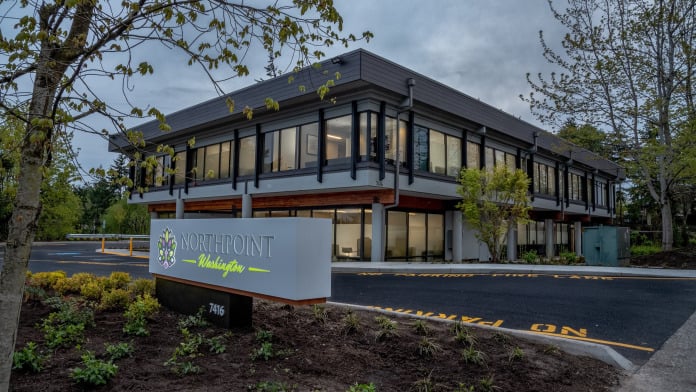
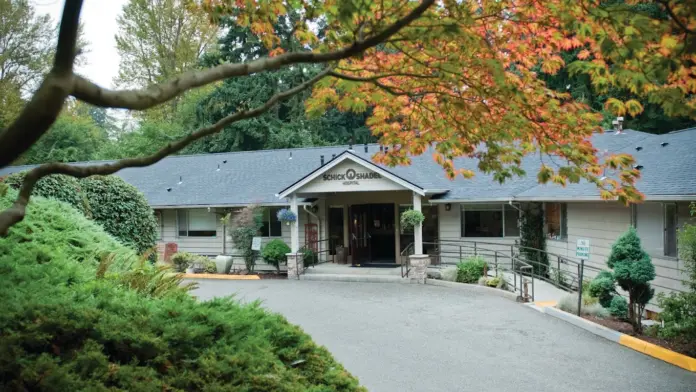
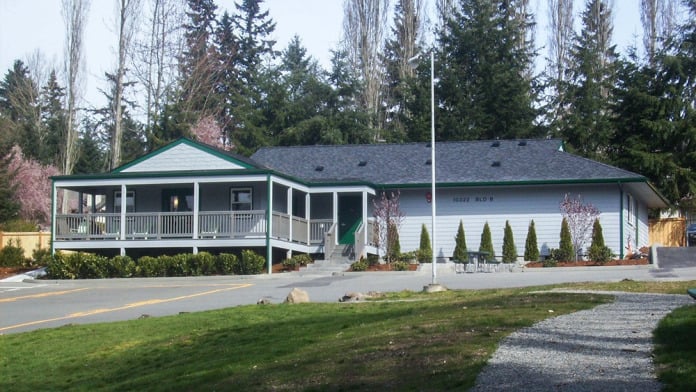
Schick Shadel Hospital was founded in 1935 by Charles A. Shadel and provided pioneering addiction treatment services to adults for more than 80 years. The physicians offered medically supervised detox and medication assisted treatment (MAT) as well as aversion treatment for alcohol use disorder. The hospital offered a treatment program that lasted up to 14 days for approximately $20,000.
It was based in a quiet corner of Burien, Washington. They were 10 miles from downtown Seattle and less than two miles from the Pacific Ocean. Schick permanently closed in 2022.
They accepted insurance from several private providers. They also offered some financial assistance and a sliding scale fee option.
Treating a Diverse Population
The treatment center treated a diverse population. They worked with active-duty military members, veterans, and criminal justice clients. The facility was in a quiet and confidential residential setting conducive to recovery.
Aversion Therapy for Addiction
The clinicians notably used aversion therapy, a medical science-based practice that utilized counterconditioning to eliminate cravings. This was a non-12 Step approach that appealed to individuals who didn’t want faith-based treatment. Schick reported a high success rate of 69% of clients still sober one year after treatment.
I tried 2 different 12 step programs that failed. The adverse therapy at Schick Shadel Hospital saved my life. It worked and I'm very grateful!
Thanks so much
So upset this treatment center is closing!! Typical corporate decision. I am alive today because of their treatment. Clean & sober for 15 years with no desire to drink, do drugs, and/or binging on both. The comments from the new owners were disrespectful and ignorant about the process. Treatment is not easy in any program, but if it saves lives why end it. Shame on you Universal Healthcare! Many lives will be lost by closing this hospital.
Response from the owner1 week ago
Hi. We greatly value your feedback and appreciate you taking the time to reach out to us. So that we can follow up with you directly, please provide us with your contact information by visiting http://www.schickshadel.com/contact-us/. Thank you.
I feel like it needs to be said that no one will kick an addiction in 10 days. Even the traditional 28 days won't end the addiction. There are no shortcuts to the life long journey you are embarking on, if you choose sobriety. What Schick does - is give you the tools, and take away the cravings so you can handle this huge life shift.
I have been abusing alcohol for 8 years and finally decided I needed professional help. Schick is working so far for me. I've been 81 days sober as of today.
What the treatment is like:
There is a daily schedule of meds, vitals, and group. You will spend the mid morning through mid afternoon either completing a sleepy (propofol conscious sedation treatment where they ask you a series of questions related to getting sober, and staying sober) and counseling, or a duffy (ipecac aversion treatment where they give you ipecac and then have you drink alcohol. you quickly become ill to associate drinking with nausea.). Late afternoon are various groups.
Pros:
-The medical director at the hospital is a true patient advocator. Sabrina is incredible.
-The community. I felt safe sharing in group, and gained some friends I imagine will be with me for life.
-The counselor John. I've been going to therapy the past ten years, but HE is my favorite person I've talked through my mental health with. Compassionate, empathetic, just a good listener, and has great life advice. He's been there done that, and helped me see some great perspective. His lectures are also my favorite.
-The program. Schick gives all of the same literature that any other rehab gives, but also has the aversion therapy, and sedation treatment.
-The resources. The media wall, the counselors, the lectures, the movies, the hypnosis videos, the 4 agreements, etc. There are so many resources it was hard to take them all in. But theyre all powerful and have continued to help me outside of Schick.
Cons:
-The nursing staff. For the most part I didn't have a problem. But some of the staff had no bedside manner whatsoever. Some said misogynistic comments. Some did room checks late at night with little regard to patients sleeping. Some argued with other nurses in front of me. Either the nurse was great or the nurse was pretty unprofessional. And I didn't see much inbetween.
-Not a diverse group at all. As a black queer female I felt out of place here. It's mostly white men in their 30s and 40s.
Response from the owner1 week ago
Hi. We greatly value your feedback and appreciate you taking the time to reach out to us. So that we can follow up with you directly, please provide us with your contact information by visiting http://www.schickshadel.com/contact-us/. Thank you.
Scoring is assigned by a proprietary system which helps surface key metrics that determine quality. The 10-point scale factors in categories such as operations, customer satisfaction, and trust metrics. Read Full Methodology
8.1 / 10
Gallery
Accepted Insurance
Please contact to verify your specific insurance provider.
Schick Shadel Hospital works with several private insurance providers, please contact to verify your specific insurance provider.
Private insurance refers to any kind of healthcare coverage that isn't from the state or federal government. This includes individual and family plans offered by an employer or purchased from the Insurance Marketplace. Every plan will have different requirements and out of pocket costs so be sure to get the full details before you start treatment.
Self-pay involves paying for treatment out of your own pocket. You can use savings or credit, get a personal loan, or receive help from family and friends to fund your treatment. If you don't have insurance or your insurance plan doesn't cover a specific program, self-pay can help ensure you still get the care you need.
Financial aid can take many forms. Centers may have grants or scholarships available to clients who meet eligibility requirements. Programs that receive SAMHSA grants may have financial aid available for those who need treatment as well. Grants and scholarships can help you pai for treatment without having to repay.
Medicaid is a state based program that helps lower-income individuals and families pay for healthcare. Medicaid covers addiction treatment so those enrolled can use their coverage to pay for rehab. When a program accepts Medicaid the client often pays very little or nothing out of their own pocket.
Medicare is a federal program that provides health insurance for those 65 and older. It also serves people under 65 with chronic and disabling health challenges. To use Medicare for addiction treatment you need to find a program that accepts Medicare and is in network with your plan. Out of pocket costs and preauthorization requirements vary, so always check with your provider.
Addiction Treatments
Levels of Care
Residential treatment programs are those that offer housing and meals in addition to substance abuse treatment. Rehab facilities that offer residential treatment allow patients to focus solely on recovery, in an environment totally separate from their lives. Some rehab centers specialize in short-term residential treatment (a few days to a week or two), while others solely provide treatment on a long-term basis (several weeks to months). Some offer both, and tailor treatment to the patient's individual requirements.
12 step programs support participants' psychological, spiritual, and emotional development as integral to sustained recovery. Though 12 step recovery programs are based on the belief in a non-denominational higher power, religious affiliation is not required. Group meetings are paper-led, anonymous, free, and available daily, including on holidays, in most communities. Peer sponsors selected by the participants provide one-on-one coaching and support. Specialized formats are widely available, including programming for youth, seniors, and families.
Intervention services helps family or friends of addicts stage an intervention, which is a meeting in which loved ones share their concerns and attempt to get an addict into treatment. Professional intervention specialists can help loved ones organize, gather, and communicate with an addict. They can guide intervention participants in describing the damage the addict's behavior is causing and that outside help is necessary to address the addiction. The ideal outcome of an intervention is for the addict to go to rehab and get the help they need.
Schick Shadel Hospital’s medical detox treatment provides patients with a safe, comfortable transition through the addiction withdrawal period. Their detoxification treatment is directed by physicians certified in addiction medicine. Registered nurses, with many years of training and experience, provide compassionate and supportive care for patients. This care uses safe detoxification techniques aimed at diminishing and alleviating the discomfort of addiction withdrawal.
Treatments
The goal of treatment for alcoholism is abstinence. Those with poor social support, poor motivation, or psychiatric disorders tend to relapse within a few years of treatment. For these people, success is measured by longer periods of abstinence, reduced use of alcohol, better health, and improved social functioning. Recovery and Maintenance are usually based on 12 step programs and AA meetings.
Effective drug rehab in Washington integrates care for the whole person, offering comprehensive solutions to addiction. Treatment methods address mental, physical, and relational aspects of substance abuse.
Many of those suffering from addiction also suffer from mental or emotional illnesses like schizophrenia, bipolar disorder, depression, or anxiety disorders. Rehab and other substance abuse facilities treating those with a dual diagnosis or co-occurring disorder administer psychiatric treatment to address the person's mental health issue in addition to drug and alcohol rehabilitation.
Opioid rehabs specialize in supporting those recovering from opioid addiction. They treat those suffering from addiction to illegal opioids like heroin, as well as prescription drugs like oxycodone. These centers typically combine both physical as well as mental and emotional support to help stop addiction. Physical support often includes medical detox and subsequent medical support (including medication), and mental support includes in-depth therapy to address the underlying causes of addiction.
Substance rehabs focus on helping individuals recover from substance abuse, including alcohol and drug addiction (both illegal and prescription drugs). They often include the opportunity to engage in both individual as well as group therapy.
Programs
Adult rehab programs include therapies tailored to each client's specific needs, goals, and recovery progress. They are tailored to the specific challenges adult clients may face, including family and work pressures and commitments. From inpatient and residential treatment to various levels of outpatient services, there are many options available. Some facilities also help adults work through co-occurring conditions, like anxiety, that can accompany addiction.
Young adulthood can be an exciting, yet difficult, time of transition. Individuals in their late teens to mid-20s face unique stressors related to school, jobs, families, and social circles, which can lead to a rise in substance use. Rehab centers with dedicated young adult programs will include activities and amenities that cater to this age group, with an emphasis on specialized counseling, peer socialization, and ongoing aftercare.
Recovery is most successful when clients feel accepted and validated by their peers and treatment providers. Facilities that offer LGBTQ-inclusive programming are committed to creating a safe space where everyone can grow and recover without fear of judgment or discrimination. They will have dedicated policies in place to create a safe and supportive environment that fosters free expression.
Serving in the military is both mentally and physically challenging, and can result in trauma that persists even after combat ends. Military programs are tailored to the specific and often complex needs of active duty personnel, veterans, and military families. Clients often access these programs through the U.S. Department of Veterans Affairs (VA).
Rehabs for women provide a safe, nurturing space for female clients to heal. These treatment programs consider the specific obstacles that women can face during recovery and place a special emphasis on mental, social, physical, and reproductive health. They explore how each woman's experience has shaped the trajectory of their substance use, addressing issues such as sexual abuse and past trauma.
Men face specific challenges and concerns when seeking addiction treatment. Gender-specific recovery programs help them tackle these issues head-on in an environment that's focused, targeted, and distraction-free. It also gives them the opportunity to connect with and learn from other men who have been through a similar journey and can offer support for the next step.
Nearly one million adults age 65 and older live with a substance use disorder. Treatment providers who specialize in senior care understand the social, psychological, and physical effects of aging and how they relate to recovery. They can help clients address particular challenges and risks they may face as they get older such as overdosing and medication interactions and dependencies.
Clinical Services
Group therapy is any therapeutic work that happens in a group (not one-on-one). There are a number of different group therapy modalities, including support groups, experiential therapy, psycho-education, and more. Group therapy involves treatment as well as processing interaction between group members.
In individual therapy, a patient meets one-on-one with a trained psychologist or counselor. Therapy is a pivotal part of effective substance abuse treatment, as it often covers root causes of addiction, including challenges faced by the patient in their social, family, and work/school life.
Motivational Interviewing (MI) is a clinical approach to helping people with substance abuse issues and other conditions shift behavior in positive ways. It is more goal-oriented than traditional psychotherapy, as MI counselors directly attempt to get clients to consider making behavioral change (rather than wait for them to come to conclusions themselves). Its primary purpose is to resolve ambivalence and help clients become able to make healthy choices freely.
Trauma therapy addresses traumatic incidents from a client's past that are likely affecting their present-day experience. Trauma is often one of the primary triggers and potential causes of addiction, and can stem from child sexual abuse, domestic violence, having a parent with a mental illness, losing one or both parents at a young age, teenage or adult sexual assault, or any number of other factors. The purpose of trauma therapy is to allow a patient to process trauma and move through and past it, with the help of trained and compassionate mental health professionals.
Couples therapy can help a couple navigate their differences. By learning powerful interpersonal skills in therapy, the couple can work together to overcome challenges and change the direction of their relationship.
Patients may also request a family counseling session either in-person with their family or by tele-conferencing. This is an opportunity for family members to be more involved in patients’ recovery plan moving forward, to address any questions and concerns they have, to be educated about recovery-related issues, and to be reinforced to seek ongoing support when needed.
Life skills training in Washington involves relearning how to manage daily living. It boosts your abilities and confidence so you can overcome challenges both big and small, without returning to substance use.
Creativity is inherently healing, and can help those in recovery express thoughts or feelings they might not otherwise be able to. Creative arts therapy can include music, poetry/writing, painting, sculpting, dance, theater, sandplay, and more. Unlike traditional art, the final product matters far less than the experience of creation and expression itself.
Often, substance use disorder originates with negative thinking patterns. Cognitive behavioral therapy in Washington is designed to help individuals change these patterns of thought, which leads to changes in behavior and freedom from addiction.
Amenities
Residential Setting
Private Setting
Wifi
Private Rooms
Accreditations
The Substance Abuse and Mental Health Services Administration (SAMHSA) is a branch of the U.S. Department of Health and Human Services. Established in 1992 by congress, SAMHSA's mission is to reduce the impact of substance abuse and mental illness on American's communities.
SAMHSA Listed: Yes
The Commission on Accreditation of Rehabilitation Facilities (CARF) is a non-profit organization that specifically accredits rehab organizations. Founded in 1966, CARF's, mission is to help service providers like rehab facilities maintain high standards of care.
State Licenses are permits issued by government agencies that allow rehab organizations to conduct business legally within a certain geographical area. Typically, the kind of program a rehab facility offers, along with its physical location, determines which licenses are required to operate legally.
State License: Washington
License Number: 163800
Rehab.com regularly reviews this listing for accuracy but changes may occur between updates. For the most up-to-date information, please contact Schick Shadel Hospital.
Best publicly available treatment facility in the world. The Air Force has a program for pilots that has a 92% success rating. Schick Shadel has a 90% success rating once you do all the treatment that they recomend. Price: 20k Duration: 10 to 14 days depending on whether ...
Read More
Reviewed on 10/27/2019
1
The place is beautiful, the staff is very friendly but the treatment is very expensive and is not at all useful, if you want to leave behind your addictions this program wouldn't be of much help. I practically felt that my money was stolen.
I tried 2 different 12 step programs that failed. The adverse therapy at Schick Shadel Hospital saved my life. It worked and I'm very grateful!
Thanks so much
J J
4 years ago
5
So upset this treatment center is closing!! Typical corporate decision. I am alive today because of their treatment. Clean & sober for 15 years with no desire to drink, do drugs, and/or binging on both. The comments from the new owners were disrespectful and ignorant about the process. Treatment is not easy in any program, but if it saves lives why end it. Shame on you Universal Healthcare! Many lives will be lost by closing this hospital.
Response from the owner
Hi. We greatly value your feedback and appreciate you taking the time to reach out to us. So that we can follow up with you directly, please provide us with your contact information by visiting http://www.schickshadel.com/contact-us/. Thank you.
Susan is a freelance writer and photographer. She has experience creating written content across many specialties, including education, health and wellness, home decor, and more. For the past two years, her personal photography blog has been ranked #4 on FeedSpot’s list of the 45 best Atlanta photography blogs. She also writes a weekly newsletter about her photographic adventures around Atlanta and the world.
By calling the helpline you agree to the terms of use. We do not receive any commission or fee that is dependent upon which treatment provider a caller chooses. There is no obligation to enter treatment.
Calls to numbers on a specific treatment center listing will be routed to that treatment center. Calls to any general helpline could be forwarded to SAMHSA or a verified treatment provider.
If you wish to connect with non-sponsor centers, you can browse top-rated listings, visit our homepage and browse by state, or visit SAMHSA.

 Sponsored Helpline
































































































 Teen Programs
  LGBTQ+
  Veterans
  Faith Based





 Residential Setting
  Private Setting
  Wifi
Wifi  Private Rooms