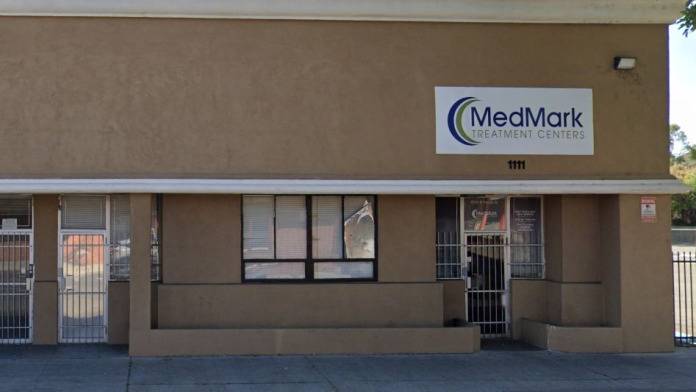
MedMark Treatment Centers Stockton
1
Top 10 Rehab Centers In Stockton



















































































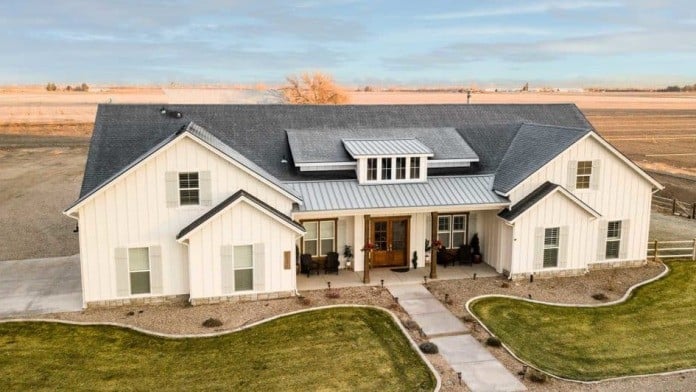
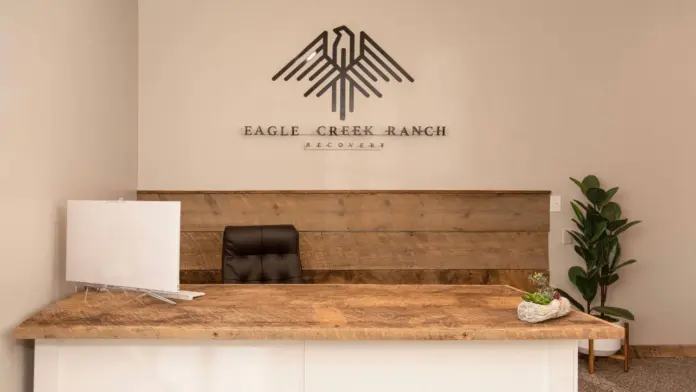
Eagle Creek Ranch Recovery is a men’s addiction treatment center in Nampa, Idaho offering a full continuum of care from medical detox through residential treatment and aftercare.
The program treats substance use disorders alongside co-occurring conditions like anxiety and depression, PTSD and bipolar disorder using evidence based therapies, 12 step principles and holistic modalities.
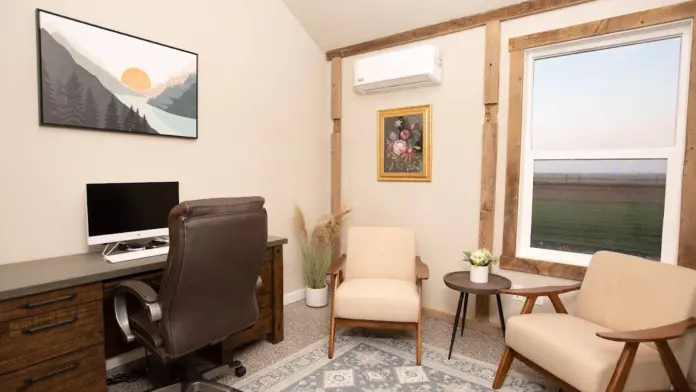
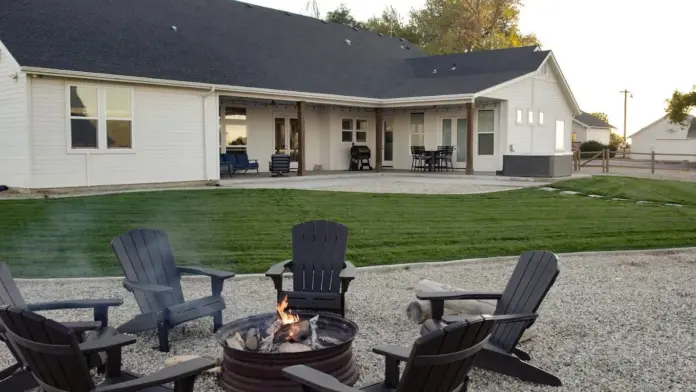
Set on a private ranch in the Treasure Valley, Eagle Creek combines clinical care with the calm and adventure of Idaho’s outdoors to support whole person healing.
Eagle Creek’s core focus is residential treatment for men, providing around the clock care through 30 and 60 day inpatient programs.
Clients receive therapy alongside structured recreational activities in a secluded ranch setting.
Sessions draw on cognitive behavioral therapy and dialectical behavior therapy, motivational interviewing, EMDR and trauma focused therapy to address root causes, while AA and NA fundamentals build a lasting recovery foundation.
Clients and families consistently describe the staff as warm, purposeful and deeply experienced in recovery.
Beyond clinical care, Eagle Creek integrates equine therapy, adventure therapy and yoga, meditation and Reiki to support physical, mental and spiritual well being.
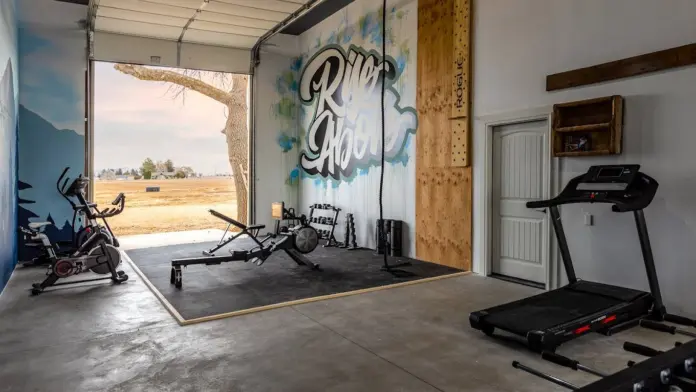
Wilderness activities such as hiking, rock climbing and canoeing give men real world opportunities to build confidence, connection and healthy coping skills.
Eagle Creek Ranch Recovery serves men from Idaho and surrounding areas through in person treatment at its Nampa ranch facility. The center is Joint Commission accredited, a NAATP member and LegitScript verified.
The program accepts most major insurance plans along with many out of network plans and admissions counselors are available 24/7 to verify benefits.


 Our Methodology





Private insurance refers to any kind of healthcare coverage that isn't from the state or federal government. This includes individual and family plans offered by an employer or purchased from the Insurance Marketplace. Every plan will have different requirements and out of pocket costs so be sure to get the full details before you start treatment.
Self-pay involves paying for treatment out of your own pocket. You can use savings or credit, get a personal loan, or receive help from family and friends to fund your treatment. If you don't have insurance or your insurance plan doesn't cover a specific program, self-pay can help ensure you still get the care you need.
Military members, veterans, and eligible dependents have access to specific insurance programs that help them get the care they need. TRICARE and VA insurance can help you access low cost or no cost addiction and mental health treatment. Programs that accept military insurance often have targeted treatment focused on the unique challenges military members, veterans, and their families face.
Outpatient Programs (OP) are for those seeking mental rehab or drug rehab, but who also stay at home every night. The main difference between outpatient treatment (OP) and intensive outpatient treatment (IOP) lies in the amount of hours the patient spends at the facility. Most of the time an outpatient program is designed for someone who has completed an inpatient stay and is looking to continue their growth in recovery. Outpatient is not meant to be the starting point, it is commonly referred to as aftercare.
Residential treatment programs are those that offer housing and meals in addition to substance abuse treatment. Rehab facilities that offer residential treatment allow patients to focus solely on recovery, in an environment totally separate from their lives. Some rehab centers specialize in short-term residential treatment (a few days to a week or two), while others solely provide treatment on a long-term basis (several weeks to months). Some offer both, and tailor treatment to the patient's individual requirements. Linden Oaks' Residential Stay Program offers additional support for those who may benefit from a structured living environment. A patient's stay may vary from a few days to 30 days ago. The program includes group, family and individual counseling.
Intensive Outpatient programs are for those who want or need a very structured treatment program but who also wish to live at home and continue with certain responsibilities (such as work or school). IOP substance abuse treatment programs vary in duration and intensity, and certain outpatient rehab centers will offer individualized treatment programs. The Intensive Outpatient Program gives patients the chance to participate in a structured treatment plan part-time while they transition back to home and work or other responsibilities. This program provides half-day treatment (Monday, Wednesday and Friday, 9:15 am to 12:30 pm).
Clients participating in a rehab aftercare program receive a variety of services designed to support their sustained sobriety and successful reintegration into their home, workplace, and community. Rehab aftercare services may include formal outpatient care, such as addiction counseling and recovery education provided in an outpatient treatment center. They may also include community-based services, including 12 step program induction, peer coaching, and vocational training. These programs are typically designed in partnership with the client's case manager.
Many recovery centers base their treatment models on 12 step programming, which emphasizes spiritual development and peer coaching. 12 step recovery is designed to help participants address the root causes of their addiction, take accountability for their choices, and let go of that over which they are powerless. Though these programs prioritize spiritual growth, religious affiliation isn't required. Participants regularly attend anonymous, free, peer-directed meetings and are mentored by a peer sponsor.
A sober living home in Idaho is a residence where individuals in recovery stay until they feel ready to live on their own. These drug-free environments can help individuals transition from inpatient rehab to day-to-day life. Typically, residents stay for at least 90 days, but they can remain for as long as they continue to abide by halfway house rules. These include maintaining sobriety, contributing to household chores, paying rent, and abiding by a curfew.
Aa a form of outpatient treatment, a partial hospitalization program (PHP) typically requires a minimum of 20 hours' treatment per week for an average of 90 days. PHPs commonly include individual therapy, group counseling, relapse prevention strategies, and medication management. The program duration may span around 90 days but can be tailored to your needs. Insurance coverage for a partial hospitalization program can vary, however, is often fully or partially covered.
The initial phase of addiction treatment typically involves 24-hour clinical care in Idaho. During this time, medical staff supervise the withdrawal process and treat any adverse symptoms or reactions that occur. These medical experts can prescribe and administer a number of medications proven to ensure the recovery process goes smoothly. For alcohol detox, benzodiazepines, valium, and Librium are often used to relieve symptoms of alcohol withdrawal. For cocaine detox, antidepressants such as desipramine or phentermine are used to treat cocaine withdrawal.
Medical detox is the process of removing addictive substances from your body in a medically supervised setting. With the aim of keeping you as safe and comfortable as possible, a team of licensed medical professionals monitors your vitals and may provide medications if needed to alleviate any withdrawal symptoms. Medically assisted detox is generally partially covered by most private insurance and insurance plans under the Affordable Care Act.
Adult rehab programs include therapies tailored to each client's specific needs, goals, and recovery progress. They are tailored to the specific challenges adult clients may face, including family and work pressures and commitments. From inpatient and residential treatment to various levels of outpatient services, there are many options available. Some facilities also help adults work through co-occurring conditions, like anxiety, that can accompany addiction.
Young adulthood can be an exciting, yet difficult, time of transition. Individuals in their late teens to mid-20s face unique stressors related to school, jobs, families, and social circles, which can lead to a rise in substance use. Rehab centers with dedicated young adult programs will include activities and amenities that cater to this age group, with an emphasis on specialized counseling, peer socialization, and ongoing aftercare.
Research has shown that cognitive behavioral therapy (CBT) in Idaho is one of the most effective forms of therapy to treat substance use disorders and accompanying mental health disorders such as anxiety and depression. The focus of this method is to learn about and change patterns of thinking and behavior.
Dialectical behavior therapy involves individual and group sessions. During individual sessions, you will work on managing intense emotions. Group skills training sessions aim to enhance skills for daily living. They focus on mindfulness, distress tolerance, interpersonal effectiveness, and emotion regulation.
 Equine Therapy
Group therapy teaches participants in Idaho how to learn and practice conflict resolution skills. Within the group, you learn how to improve relationships and reduce stress. Both of these are crucial for achieving and maintaining your recovery.
Men and women in Idaho may choose a customized drug and alcohol treatment approach using individual therapy. This focuses your attention on the unique challenges in your life and helps you understand the triggers and stressors that increase your risk of drug use. You develop healthier coping strategies to promote sustainable sobriety.
Unlike other more coercive methods, motivational interviewing does not impose change on the client. Instead, the therapist asks questions, listens, and reflects the client's thoughts back to them. This helps the person come to their own conclusions and supports making changes on their own terms based on those conclusions.
The goal of trauma therapy is to help you mentally, emotionally, and physically heal from the effects of witnessing or experiencing a traumatic event. Your therapist helps you process the experience and develop effective coping strategies. This improves your emotional well being and your ability to function in the community.
Couples therapy provides the opportunity to discuss challenges in the relationships and learn healthy ways to work through them. Therapy may address issues such as your roles, beliefs, finances, health, substance use, and children.
During family therapy in Idaho, members have a safe space to express their feelings about the impact addiction has had on the family unit. The process helps reduce the stigma associated with mental health and enhances each member's understanding of addiction. By promoting a unified approach, family therapy helps to support the recovery journey.
Part of recovery is replacing unhealthy habits with healthy life skills. These include psychological skills and social skills that allow you to thrive post treatment. While in rehab in Idaho, you'll work on developing these skills so you have the tools you need for a new life.
Recreational therapy is typically included in a holistic approach to drug and alcohol addiction treatment. It integrates activities like hiking, team sports, and art to improve physical fitness, provide an emotional outlet, and improve your social connections with others. These are skills you need to rebuild your life and maintain your sobriety.
The core of creative arts therapy is a focus on the world of imagination and creativity. It creates a pathway to expression of inner thoughts and feelings, which leads to better self understanding and eventual healing.
Therapists who specialize in experiential therapy understand how emotional and physical responses work and can help you rewire your automatic responses. These neurobiological changes are facilitated through hands on interventions like art, music, or animal therapy.
 Private Transportation
  Gym
Gym  Yoga Studio
  Wifi
Wifi  Residential Setting
  Private Rooms
  Hiking
  Mountain Views
  Gardens
  Walking Trails
CEO & Co Owner
CMO & Co Owner

Clinical Director

Director of Administration

Medical Director
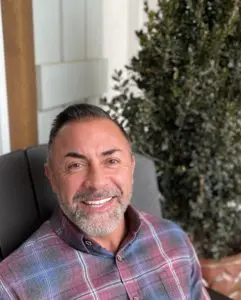
Operations Manager

LegitScript has reviewed Eagle Creek Ranch Recovery as part of their certification program, and has determined that it meets the LegitScript standards for legality, safety and transparency.
LegitScript verified in

State Licenses are permits issued by government agencies that allow rehab organizations to conduct business legally within a certain geographical area. Typically, the kind of program a rehab facility offers, along with its physical location, determines which licenses are required to operate legally.
State License: Idaho

The Joint Commission, formerly known as JCAHO, is a nonprofit organization that accredits rehab organizations and programs. Founded in 1951, the Joint Commision's mission is to improve the quality of patient care and demonstrating the quality of patient care.
Joint Commission Accreditation: Yes

The National Association of Addiction Treatment Providers (NAATP) is a professional association that represents organizations in the field of addiction services. Founded in 1978, NAATP's mission is to advance addiction services and ensure that high-quality addiction treatment is available and accessible.
NAATP Member: Yes
Rehab.com regularly reviews this listing for accuracy but changes may occur between updates. For the most up-to-date information, please contact Eagle Creek Ranch Recovery.

6770 Elm Ln
Nampa, ID 83687
Sponsored Helpline

The Ranch and staff was instrumental to my start of recovery. Couldn’t have done it without them and the support

This place is great! 👍 Amazing staff and awesome ranch. Happy to be part of the Alumni!

The best recovery center in the country. This place WILL Get you sober IF YOU’RE WILLING TO WORK THE PROGRAM!! It saved my life and family, it will save yours if you work it. I Thank my higher power to show me that self will is not enough. Thank you Luke, Andrew and the entire staff. I will be forever grateful.

I highly recommend Eagle Creek Recovery Ranch to anyone struggling with addiction and looking to make a real change in their life. This place honestly changed my life and helped me get myself, my life, and my family back together. All the therapists, techs, and the fitness instructor were great. Everyone genuinely cared and made me feel comfortable throughout my time there. They really made the place feel like home. The staff was always transparent about what was expected of you and what wasn’t, which I really appreciated. The food was great, the amenities were nice, and there were a lot of great people there. Looking back, I honestly don’t think I would be the man I am today if I hadn’t gone to Eagle Creek Recovery Ranch. I’m grateful for everything they did for me and for helping me through my recovery and sobriety. If you’re looking for a place that truly cares and makes you feel supported, I highly recommend this place.
 Back
Back
Sharing your insights and experiences can help others learn more about this rehab center.