











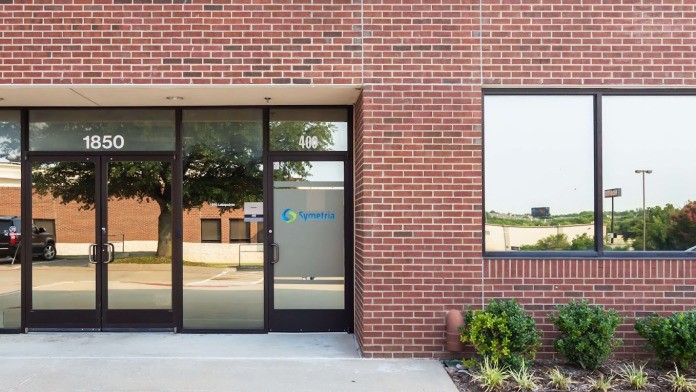
Symetria — Hurst Outpatient Rehab & Suboxone Clinic
1
Top 10 Rehab Centers In Hurst



















































































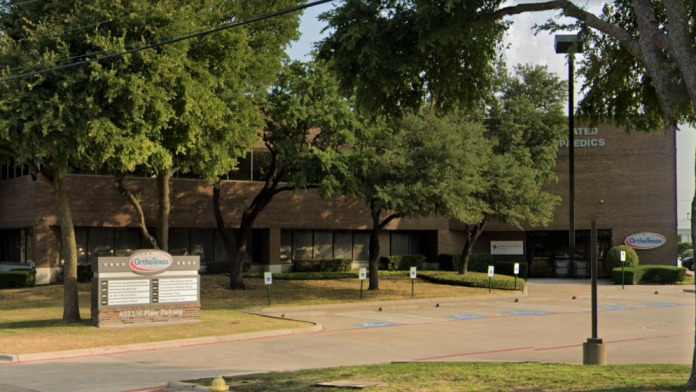
CFGC’s OP meets clients at the facility, at home or school, or somewhere in the community to make care accessible. The length of services depends on the needs of the client. Services include assessments, counseling (individual, group, and family), motivational interviewing, cognitive behavioral therapy (CBT), life skills training, case management, and medication management.
Telehealth services are available.
Clients need to contact CFGC to see if their insurance is accepted. However, mental health and drug rehab programs commonly accept major insurance plans like Aetna, Anthem, Cigna, and TRICARE. Clients are encouraged to confirm coverage with their insurance plan, as out of network benefits may vary.

 Our Methodology



Medicaid is a state based program that helps lower-income individuals and families pay for healthcare. Medicaid covers addiction treatment so those enrolled can use their coverage to pay for rehab. When a program accepts Medicaid the client often pays very little or nothing out of their own pocket.
Private insurance refers to any kind of healthcare coverage that isn't from the state or federal government. This includes individual and family plans offered by an employer or purchased from the Insurance Marketplace. Every plan will have different requirements and out of pocket costs so be sure to get the full details before you start treatment.
Self-pay involves paying for treatment out of your own pocket. You can use savings or credit, get a personal loan, or receive help from family and friends to fund your treatment. If you don't have insurance or your insurance plan doesn't cover a specific program, self-pay can help ensure you still get the care you need.
Financial aid can take many forms. Centers may have grants or scholarships available to clients who meet eligibility requirements. Programs that receive SAMHSA grants may have financial aid available for those who need treatment as well. Grants and scholarships can help you pai for treatment without having to repay.
Sliding scale payments are based on a client's income and family size. The goal is to make treatment affordable to everyone. By taking these factors into account, addiction recovery care providers help ensure that your treatment does not become a financial burden to you or your family, eliminating one barrier to care.
Medicare is a federal program that provides health insurance for those 65 and older. It also serves people under 65 with chronic and disabling health challenges. To use Medicare for addiction treatment you need to find a program that accepts Medicare and is in network with your plan. Out of pocket costs and preauthorization requirements vary, so always check with your provider.
Military members, veterans, and eligible dependents have access to specific insurance programs that help them get the care they need. TRICARE and VA insurance can help you access low cost or no cost addiction and mental health treatment. Programs that accept military insurance often have targeted treatment focused on the unique challenges military members, veterans, and their families face.
Outpatient Programs (OP) are for those seeking mental rehab or drug rehab, but who also stay at home every night. The main difference between outpatient treatment (OP) and intensive outpatient treatment (IOP) lies in the amount of hours the patient spends at the facility. Most of the time an outpatient program is designed for someone who has completed an inpatient stay and is looking to continue their growth in recovery. Outpatient is not meant to be the starting point, it is commonly referred to as aftercare.
12 step programs promote participants' sustained sobriety through rigorous and ongoing peer coaching and personal spiritual growth. Participants routinely attend 12 step meetings, which are available multiple times per day, 365 days per year in most communities. This ensures that those in recovery have prompt access to the structure and support they need when they need it. These programs use spiritual precepts to address the root causes of addiction and encourage compassion, self-awareness, forgiveness, accountability, and acceptance.
Rehab aftercare programs are based on a model of continuing care and the premise that recovery is a life-long process requiring ongoing client support. Many rehab aftercare services include outpatient care, but clients often continue to receive support after being discharged from formal treatment. Case managers and care teams typically collaborate with clients to design their long-term care plan, which may include peer coaching, career counseling, and 12 step program induction, among other services.
Many of those suffering from addiction also suffer from mental or emotional illnesses like schizophrenia, bipolar disorder, depression, or anxiety disorders. Rehab and other substance abuse facilities treating those with a dual diagnosis or co-occurring disorder administer psychiatric treatment to address the person's mental health issue in addition to drug and alcohol rehabilitation.
Mental health rehabs focus on helping individuals recover from mental illnesses like bipolar disorder, clinical depression, anxiety disorders, schizophrenia, and more. Mental health professionals at these facilities are trained to understand and treat mental health issues, both in individual and group settings.
Adult rehab programs include therapies tailored to each client's specific needs, goals, and recovery progress. They are tailored to the specific challenges adult clients may face, including family and work pressures and commitments. From inpatient and residential treatment to various levels of outpatient services, there are many options available. Some facilities also help adults work through co-occurring conditions, like anxiety, that can accompany addiction.
Young adulthood can be an exciting, yet difficult, time of transition. Individuals in their late teens to mid-20s face unique stressors related to school, jobs, families, and social circles, which can lead to a rise in substance use. Rehab centers with dedicated young adult programs will include activities and amenities that cater to this age group, with an emphasis on specialized counseling, peer socialization, and ongoing aftercare.
Cognitive Behavioral Therapy (CBT) is a therapy modality that focuses on the relationship between one's thoughts, feelings, and behaviors. It is used to establish and allow for healthy responses to thoughts and feelings (instead of unhealthy responses, like using drugs or alcohol). CBT has been proven effective for recovering addicts of all kinds, and is used to strengthen a patient's own self-awareness and ability to self-regulate. CBT allows individuals to monitor their own emotional state, become more adept at communicating with others, and manage stress without needing to engage in substance abuse.
Whether a marriage or other committed relationship, an intimate partnership is one of the most important aspects of a person's life. Drug and alcohol addiction affects both members of a couple in deep and meaningful ways, as does rehab and recovery. Couples therapy and other couples-focused treatment programs are significant parts of exploring triggers of addiction, as well as learning how to build healthy patterns to support ongoing sobriety.
Research clearly demonstrates that recovery is far more successful and sustainable when loved ones like family members participate in rehab and substance abuse treatment. Genetic factors may be at play when it comes to drug and alcohol addiction, as well as mental health issues. Family dynamics often play a critical role in addiction triggers, and if properly educated, family members can be a strong source of support when it comes to rehabilitation.
Group therapy is any therapeutic work that happens in a group (not one-on-one). There are a number of different group therapy modalities, including support groups, experiential therapy, psycho-education, and more. Group therapy involves treatment as well as processing interaction between group members.
In individual therapy, a patient meets one-on-one with a trained psychologist or counselor. Therapy is a pivotal part of effective substance abuse treatment, as it often covers root causes of addiction, including challenges faced by the patient in their social, family, and work/school life.
Trauma therapy addresses traumatic incidents from a client's past that are likely affecting their present-day experience. Trauma is often one of the primary triggers and potential causes of addiction, and can stem from child sexual abuse, domestic violence, having a parent with a mental illness, losing one or both parents at a young age, teenage or adult sexual assault, or any number of other factors. The purpose of trauma therapy is to allow a patient to process trauma and move through and past it, with the help of trained and compassionate mental health professionals.
Therapy sessions that incorporate motivational interviewing focus on OARS: open questions, affirmation, reflections, and summarizing. This facilitates an exchange of information and an empowering of the client to decide for themselves what changes might need to be made in their lives.
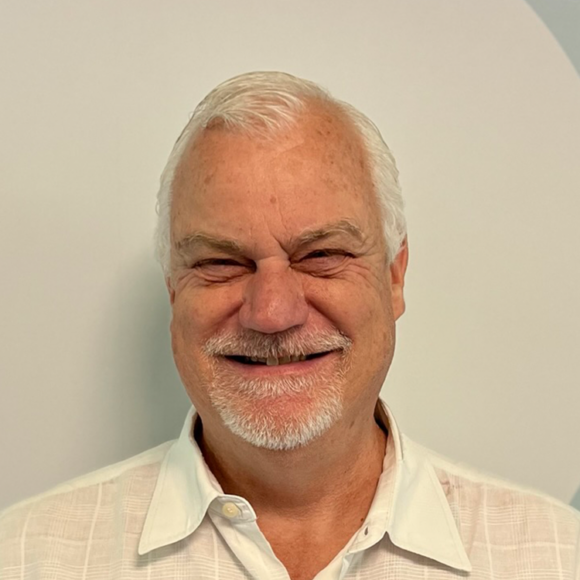
CEO

CFO
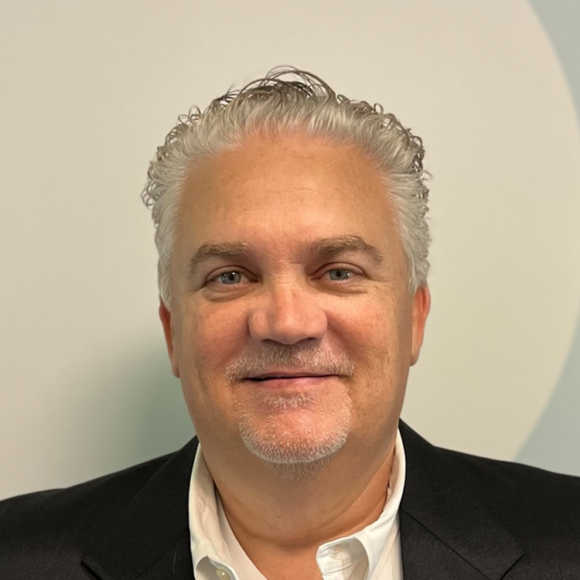
COO
Director of Mental Health Services
Director of Clincal Proceses
Director of Specialty Programs
Medical Director
Director of Marketing & Development
Rehab.com regularly reviews this listing for accuracy but changes may occur between updates. For the most up-to-date information, please contact Child & Family Guidance Center – Plano Clinic.

4031 West Plano Parkway
Suite 211
Plano, TX 75093
Sponsored Helpline

The organization and communication between departments and clients at this office is very poorly managed. Let me break down an account of this: I had a virtual appointment today for 9:15 am with a new nurse practitioner I switched to at their office. I waited for a bit in the virtual room with my new nurse practitioner and she didn't pick up. I was then transferred to my old nurse practitioner. I called into the office, they said there had been a mix-up and they put me back in my new nurse practitioner's office. After 30 minutes of waiting, I got a call from the new nurse practitioner. She told me that I had to meet with an MD today and he's available at 12:15 pm, which I had not been told at any point beforehand. I told her it would be inconvenient to meet with him at that time, my appointment was for 9:15 am. She told me her boss would call me. The boss didn't call, so I called the main office. They told me that my new nurse practitioner -- whom I had set an appointment up with two months ago -- had not been informed that I was to meet with her. I was then incorrectly told that my appointment was for 9:45 am, not 9:15 am (I got two confirmation texts saying 9:15). I finally got a hold of the new nurse practitioner's boss, who tried to set me up with a different appointment as it was inconvenient to meet him today at 12:15. They said the next available appointment with him was a week away, after my medication prescription would have already run out. While I was on the phone with the boss and still in the virtual waiting room of my new Nurse Practitioner, I was transferred to a random doctor who had nothing to do with me. You can see that there are multiple communication errors and instances of incorrect information given, all around just one scheduled appointment. I would sincerely advise anyone reading this to avoid this clinic if you are able, as they are going to irresponsibly mismanage you, which could be very dangerous depending on your situation.


Very disappointing. Staff is uncaring, untrained, and very disorganized. We'd be told one thing and then presented with another thing. We were lied to about payments, disregarded by the practicioners, spoken over by our psychiatrist, and no one but our case worker seemed capable of listening to what we actually had to say, even if her listening didn't translate into any actual help to us because of the staff's complete lack of training, the doctors showing up late to appointments, and leaving in the middle to talk with other patients. We were diagnosed by a psychiatrist (Dr. Moore (awful, if you get her ask for a different provider asap)) reading a checklist from an online quiz. During my portion of the 15 minute quiz, she overrode one of the answers I gave her by saying "no, I don't think so" in order to, I guess, not diagnose me with something I had brought up being worried about. I scored 6/7 marks on that diagnosis because of that lmao, she just decided that my answer to a yes/no personal question was wrong? She was rude from the jump, demanding simple yes or no answers to complex mental health questions, disregarding my partner's previous diagnoses from an actual healthcare professional to prop up her own theories based on an online quiz. She overprescibed my partner, and under diagnosed me, there is no other way to describe it. She asked me hurtful questions that I felt were targeted based on my gender that she did not ask my partner. I felt small and horrible after speaking with her. The whole thing felt rushed, like she didn't want to talk to us, like we were burdens on her, taking her time from her. She also left to talk to another patient while speaking with me. Gone for about five minutes. Then rushed through the rest. When we asked to see a different provider, we had to see Moore again, and when we asked for a different provider again, they put us with a doctor who never showed up, then told us that that doctor wasn't in our insurance network (they knew from the get-go that we didn't have insurance), so they tried to put us once again with Moore. We asked to speak with a supervisor and never heard a response. Our mental health took a turn for the worse for having interacted with this clinic. Healthcare providers have a responsibility to provide actual care and understanding to their patients, especially when dealing with mental health support. The administration, staff, and clinicians should be absolutely ashamed by the work they do in this facility. Instead of allowing us a space to heal and become better, they dragged us around until we finally had to let go. Tldr; this place and its staff stressed me out so much I started vaping again Edit: on the day of posting this review, my partner received a phone call at 4:42 PM looking for me to discuss what I wrote in this review. My partner left a review here already, about a week ago, and called specifically to speak to a supervisor. She never got a response. I'm not sure why my complaints deserve a response while my partner doesn't get the same opportunity. It's like the clinic just had to be frustrating to us one last time before we parted ways. Coulda just put up a bot response here. But anyway, this is all the feedback I'm willing to give✌️

I have been taking my sister to Plano office Staff is excellent specially front desk Leanna and the other lady at front desk are excellent and very helpful I went there for my sister medical records and she walk me through and I got the records the next day..
 Back
Back
Sharing your insights and experiences can help others learn more about this rehab center.

 Written By: Terri Beth Miller
PhD Author, Award-Winning Post-Secondary Teacher
Written By: Terri Beth Miller
PhD Author, Award-Winning Post-Secondary Teacher


