






























































































Circle Park is clearly not a good place to send your loved ones to be treated. there are hundreds of places that will be able to help you but clearly this one needs a lot of improvements.
About Circle Park Behavioral Health Services
You’ll first go through a screening process to discuss your current issues before being scheduled for an assessment or referred to a specialized agency. After the assessment, you’ll be assigned to the appropriate services to help you recover. This may include individual counseling and group counseling, which will rely on evidence based practices such as cognitive behavioral therapy and a trauma recovery empowerment model. A clinical counselor will work to make sure you get all the help you need from the facility and from an external agency if necessary.
One service I like that Circle Park offers is intervention programs. They have an intervention program designed for individuals involved with the criminal justice system and a school intervention program for juveniles struggling with substance abuse. As an additional help to clients incarcerated for DUI, the facility has an alcohol and drug safety action program to help lower a client’s risk of future problems by receiving education and treatment services.
Another unique program that Circle Park offers is a residential treatment facility for women known as the Chrysalis Center. Women with severe substance use disorder can receive 90 to 120 days of treatment and have their child with them if they’re under the age of 10. While the mother is undergoing treatment, the children will also be able to receive therapeutic services.
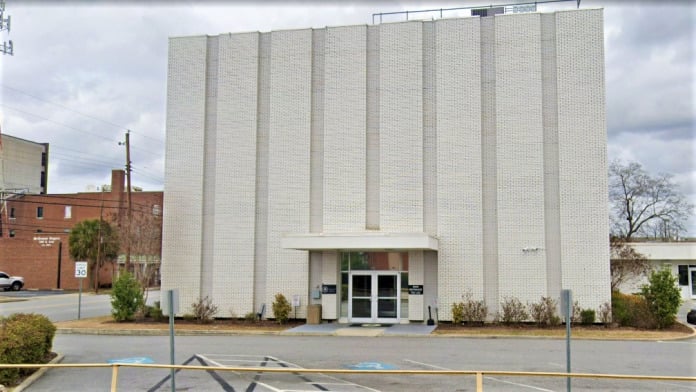
The facility’s location in Florence offers a small town atmosphere while being within 100 miles of major cities like Columbia and Myrtle Beach. One of the best things about Florence is its downtown area. When you’re not receiving outpatient treatment, you can enjoy great restaurants, public art and fun entertainment venues.
Latest Reviews
I've been with Circle Park for 7 months now. I can't say enough. This place has been with me every step of the way. The counselors have been right by my side any time I've needed them and for anything I've needed them. They offer counseling services as often as I need. Trying to do this alone has been hard and I've found it impossible. But doing this with support, I've found it much easier. I'm thankful for the resources that Circle Park offers! Thank you for what you do for the community! ❤️
This place surly helped me a ton, I was down bad...Tiffany, Ken, and Amanda are some of the best people I've talked to there, they have all truly helped me turn my life around ❤️ highly recommend
This place has assisted me in turning my life around. The people that work in this place, engage you ..challenge you to become a better YOU. Their programs are true. When taken seriously can rehabilitate your addiction mindset...I've been there twice. The first time...i didnt take it seriously checked the boxes..minimum participation....slid my way through. My life fell apart and ended up there again . ..court orders aside...an open door.. IS AN OPEN DOOR! I took it seriously and it helped me find peace and a sense of who I was amidst everything I had done and tools to become better. To those two individuals whom have had to deal with me when i attended their program...I thank you immensely.
Response from the owner9 hours ago
Thanks for your kind review. We’re so glad we were able to assist you in your recovery! Keep up the great work and know that Circle Park will be an open door for you in your recovery! 
Rehab Score
 Our Methodology
Scoring is assigned by a proprietary system which helps surface key metrics that determine quality. The 10-point scale factors in categories such as operations, customer satisfaction, and trust metrics. Read Full Methodology

7 / 10
Gallery
Accepted Insurance
Other Forms of Payment
Medicaid is a state based program that helps lower-income individuals and families pay for healthcare. Medicaid covers addiction treatment so those enrolled can use their coverage to pay for rehab. When a program accepts Medicaid the client often pays very little or nothing out of their own pocket.
Private insurance refers to any kind of healthcare coverage that isn't from the state or federal government. This includes individual and family plans offered by an employer or purchased from the Insurance Marketplace. Every plan will have different requirements and out of pocket costs so be sure to get the full details before you start treatment.
Self-pay involves paying for treatment out of your own pocket. You can use savings or credit, get a personal loan, or receive help from family and friends to fund your treatment. If you don't have insurance or your insurance plan doesn't cover a specific program, self-pay can help ensure you still get the care you need.
Financial aid can take many forms. Centers may have grants or scholarships available to clients who meet eligibility requirements. Programs that receive SAMHSA grants may have financial aid available for those who need treatment as well. Grants and scholarships can help you pai for treatment without having to repay.
Military members, veterans, and eligible dependents have access to specific insurance programs that help them get the care they need. TRICARE and VA insurance can help you access low cost or no cost addiction and mental health treatment. Programs that accept military insurance often have targeted treatment focused on the unique challenges military members, veterans, and their families face.
 Employee Assistance Program
Medicare is a federal program that provides health insurance for those 65 and older. It also serves people under 65 with chronic and disabling health challenges. To use Medicare for addiction treatment you need to find a program that accepts Medicare and is in network with your plan. Out of pocket costs and preauthorization requirements vary, so always check with your provider.
Addiction Treatments
Levels of Care
Residential treatment programs are those that offer housing and meals in addition to substance abuse treatment. Rehab facilities that offer residential treatment allow patients to focus solely on recovery, in an environment totally separate from their lives. Some rehab centers specialize in short-term residential treatment (a few days to a week or two), while others solely provide treatment on a long-term basis (several weeks to months). Some offer both, and tailor treatment to the patient's individual requirements.
Intervention Services helps family or friends of addicts stage an intervention, which is a meeting in which loved ones share their concerns and attempt to get an addict into treatment. The School Intervention Program (ScIP) is an excellent intervention for many troubled children. A cooperative venture with Florence County schools, ScIP is designed to identify and serve high-risk students involved in alcohol and drug-related misconduct. ScIP is used as an alternative to suspension, expulsion, or other disciplinary actions. The program teaches students new ways of coping with their problems while remaining in school. Students in grades 7 through 12 participate in the program, which includes individualized assessment and counseling, group counseling and family counseling.
Completing a drug or alcohol rehab program shouldn't spell the end of substance abuse treatment. Aftercare involves making a sustainable plan for recovery, including ongoing support. This can include sober living arrangements like halfway houses, career counseling, and setting a patient up with community programs like Alcoholics Anonymous (AA) or Narcotics Anonymous (NA).
Intensive Outpatient Program is designed to serve as a bridge between traditional outpatient treatment and more costly and extensive inpatient care. IOP offers addictions treatment in a condensed format that can be adjusted to meet individual needs and schedules.
Outpatient Services provide individuals with confidential assessment, counseling sessions and referral services as needed by experienced, credentialed and licensed counselors. Counseling services are available and provided to meet flexible personal and work schedules.
Treatments
The goal of treatment for alcoholism is abstinence. Those with poor social support, poor motivation, or psychiatric disorders tend to relapse within a few years of treatment. For these people, success is measured by longer periods of abstinence, reduced use of alcohol, better health, and improved social functioning. Recovery and Maintenance are usually based on 12 step programs and AA meetings.
Choosing a drug rehab in South Carolina helps you overcome drug dependency, learn how to manage cravings, and obtain the tools needed to prevent relapse. This is accomplished through individualized treatment that addresses a full spectrum of physical, social, and emotional needs.
Many of those suffering from addiction also suffer from mental or emotional illnesses like schizophrenia, bipolar disorder, depression, or anxiety disorders. Rehab and other substance abuse facilities treating those with a dual diagnosis or co-occurring disorder administer psychiatric treatment to address the person's mental health issue in addition to drug and alcohol rehabilitation.
Opioid rehabs specialize in supporting those recovering from opioid addiction. They treat those suffering from addiction to illegal opioids like heroin, as well as prescription drugs like oxycodone. These centers typically combine both physical as well as mental and emotional support to help stop addiction. Physical support often includes medical detox and subsequent medical support (including medication), and mental support includes in-depth therapy to address the underlying causes of addiction.
Substance rehabs focus on helping individuals recover from substance abuse, including alcohol and drug addiction (both illegal and prescription drugs). They often include the opportunity to engage in both individual as well as group therapy.
Programs
Adult rehab programs include therapies tailored to each client's specific needs, goals, and recovery progress. They are tailored to the specific challenges adult clients may face, including family and work pressures and commitments. From inpatient and residential treatment to various levels of outpatient services, there are many options available. Some facilities also help adults work through co-occurring conditions, like anxiety, that can accompany addiction.
Young adulthood can be an exciting, yet difficult, time of transition. Individuals in their late teens to mid-20s face unique stressors related to school, jobs, families, and social circles, which can lead to a rise in substance use. Rehab centers with dedicated young adult programs will include activities and amenities that cater to this age group, with an emphasis on specialized counseling, peer socialization, and ongoing aftercare.
Clinical Services
They provide family therapy for those who need help coping with overwhelming personal problems and difficult family situations. Their counselors are trained to deal with couple’s issues, children’s behavioral problems, family crises, and a wide variety of other problems.
As a rule, group counseling is the treatment of choice. Treatment groups are driven by client goals rather than fixed curricula, and tend to rely heavily on cognitive behavioralism and current relapse prevention theories. There are a variety of standing groups.
In individual therapy, a patient meets one-on-one with a trained psychologist or counselor. Although most clients progress more quickly with group counseling, individual counseling is used when appropriate, either alone or as an adjunct to group work. It is often most appropriate for family therapy issues that do no involve addictions.
Life skills trainings involve all the skills a person must have in order to function successfully in the world. These include time management, career guidance, money management, and effective communication. Truly successful addiction recovery is based on the ability to not only live substance-free, but to thrive. Life skills teaches the practical necessities of functioning in society, which sets clients up for success in life, and therefore sobriety.
Nicotine Replacement Therapy (NRT) is a way of getting nicotine into the bloodstream without smoking. It uses products that supply low doses of nicotine to help people stop smoking. The goal of therapy is to cut down on cravings for nicotine and ease the symptoms of nicotine withdrawal.
Trauma therapy addresses traumatic incidents from a client's past that are likely affecting their present-day experience. Trauma is often one of the primary triggers and potential causes of addiction, and can stem from child sexual abuse, domestic violence, having a parent with a mental illness, losing one or both parents at a young age, teenage or adult sexual assault, or any number of other factors. The purpose of trauma therapy is to allow a patient to process trauma and move through and past it, with the help of trained and compassionate mental health professionals.
Amenities
-
 Residential Setting
 -
 Private Setting
 -
 Private Rooms
Staff & Accreditations
Staff
Frankie Jones
Clinical Director
Pam William
Treatment Service Director
Dawn Blackmon
Quality & Assurance Director
Accreditations

The Commission on Accreditation of Rehabilitation Facilities (CARF) is a non-profit organization that specifically accredits rehab organizations. Founded in 1966, CARF's, mission is to help service providers like rehab facilities maintain high standards of care.
CARF Accreditation: Yes
Rehab.com regularly reviews this listing for accuracy but changes may occur between updates. For the most up-to-date information, please contact Circle Park Behavioral Health Services.
Contact Information

238 South Coit Street
Florence, SC 29501
Get Help Now - 803-575-2354
Sponsored Helpline
Sponsored Helpline



