






























































































I think they do not understand the concept that this place is not a jail; they think they have and should have all the control over ALL your actions.
About Regional Crisis Center – Durango
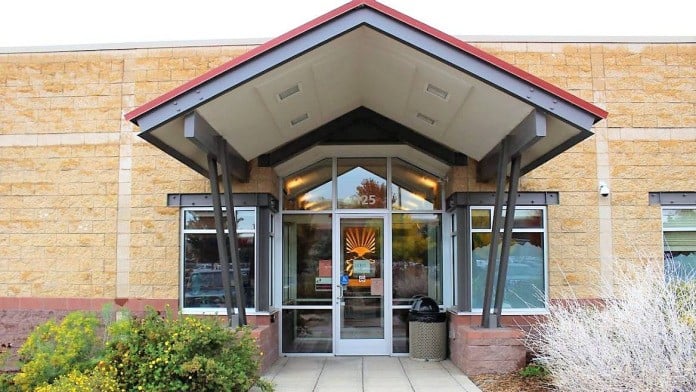
Durango, Colorado is home to some of the nation’s most untouched history. You’ll also find the Regional Crisis Center – Durango which used to be called Crossroads at Grandview. This outpatient facility offers short term crisis intervention for mental health and substance abuse. They serve adults and teens ages 12 and older and they have services in English and in Spanish.
For people who are in a crisis and need help this treatment center is an alternative to going to a hospital. You’ll have crisis assessments to find out where you are and what you need. They’ll put together a treatment plan that includes peer support as well as psychiatric services. They can also help with medication management along with individual therapy and group therapy. While they offer a short term intervention they will connect you with long term outpatient or inpatient treatment as needed.
Affordable Care Regardless of Finances
One great feature I noticed was they provide treatment discounts. They accept Medicaid and Medicare. Plus they accept a lot of private insurers like Optum and Anthem as well as Evernorth and Aetna. Even if you don’t have insurance you can get the help you need because they have a sliding fee discount program based on your income and family size.
Rebuild Your Life After a DUI
What stands out most to me is their DUI services here. You can access education and therapy to fulfill legal requirements to reinstate your license. You won’t just benefit from learning more about addiction and the dangers of driving under the influence. You’ll also recognize and address the underlying causes of addiction and build essential coping skills to overcome them.
Tailored Services to Quit Nicotine
I also think it’s nice that they have a smoking cessation program here too. Quitting smoking can benefit your overall health and recovery journey. They provide personalized care to help you overcome nicotine addiction.
Latest Reviews
Kind, caring people who are deeply invested in helping their patients.
Response from the owner1 week ago
Thank you for taking the time to share your experience and provide a 5-star rating.
This facility deserves a MUCH higher rating than it currently has. The staff at the ATU are absolutely S-Tier human beings and top-notch professionals. These guys know their stuff, and are some of the kindest, most compassionate and understanding people I’ve had the privilege of meeting. I have been to several inpatient facilities before, and this one is by far the best. It’s a very small unit, with a very calm and welcoming vibe. The real treat here is definitely the staff, though. These are genuinely some of my favorite people I’ve ever met. Andy, Liz, Siena, Mel, Laura, literally everybody, all the behavioral techs, all the nurses, those guys deserve a pay raise, SERIOUSLY. Axis, PLEASE, I BEG of you, pay these people more. They barely make more than me, and I work at a dollar store. These people are the REASON I’m sitting at home right now feeling like myself. Shout outs to David for driving me home, Dr. Powers for believing in me, and Dr. Ketner for supporting me and saving my best friend’s life.
Response from the owner1 week ago
Thank you for taking the time to share your experience. We recognize the importance of having access to mental health resources during times when extra support is needed. We’re glad you were able to connect with our care team at the Axis Regional Crisis Center in Durango. Please feel free to contact our Regional Grievances Supervisor or Patient Advocate to share your experience. You can call 970.335.2205 or email jfucito@axishealthsystem.org. The 24/7 Axis Care Line # is 970-247-5245, and you can connect with an Axis care staff 24/7/365.
The staff there was amazing never have I experienced compassion,and understanding like that in a mental health setting.i would highly recommend them if your having troubles or doubts. Thank you so much to the ACU at crossroads..

Rehab Score
 Our Methodology
Scoring is assigned by a proprietary system which helps surface key metrics that determine quality. The 10-point scale factors in categories such as operations, customer satisfaction, and trust metrics. Read Full Methodology

5.2 / 10
Gallery
Accepted Insurance
Other Forms of Payment
Medicaid is a state based program that helps lower-income individuals and families pay for healthcare. Medicaid covers addiction treatment so those enrolled can use their coverage to pay for rehab. When a program accepts Medicaid the client often pays very little or nothing out of their own pocket.
Private insurance refers to any kind of healthcare coverage that isn't from the state or federal government. This includes individual and family plans offered by an employer or purchased from the Insurance Marketplace. Every plan will have different requirements and out of pocket costs so be sure to get the full details before you start treatment.
Self-pay involves paying for treatment out of your own pocket. You can use savings or credit, get a personal loan, or receive help from family and friends to fund your treatment. If you don't have insurance or your insurance plan doesn't cover a specific program, self-pay can help ensure you still get the care you need.
Financial aid can take many forms. Centers may have grants or scholarships available to clients who meet eligibility requirements. Programs that receive SAMHSA grants may have financial aid available for those who need treatment as well. Grants and scholarships can help you pai for treatment without having to repay.
Sliding scale payments are based on a client's income and family size. The goal is to make treatment affordable to everyone. By taking these factors into account, addiction recovery care providers help ensure that your treatment does not become a financial burden to you or your family, eliminating one barrier to care.
Medicare is a federal program that provides health insurance for those 65 and older. It also serves people under 65 with chronic and disabling health challenges. To use Medicare for addiction treatment you need to find a program that accepts Medicare and is in network with your plan. Out of pocket costs and preauthorization requirements vary, so always check with your provider.
Military members, veterans, and eligible dependents have access to specific insurance programs that help them get the care they need. TRICARE and VA insurance can help you access low cost or no cost addiction and mental health treatment. Programs that accept military insurance often have targeted treatment focused on the unique challenges military members, veterans, and their families face.
Addiction Treatments
Levels of Care
Residential treatment programs are those that offer housing and meals in addition to substance abuse treatment. Rehab facilities that offer residential treatment allow patients to focus solely on recovery, in an environment totally separate from their lives. Some rehab centers specialize in short-term residential treatment (a few days to a week or two), while others solely provide treatment on a long-term basis (several weeks to months). Some offer both, and tailor treatment to the patient's individual requirements.
Completing a drug or alcohol rehab program shouldn't spell the end of substance abuse treatment. Aftercare involves making a sustainable plan for recovery, including ongoing support. This can include sober living arrangements like halfway houses, career counseling, and setting a patient up with community programs like Alcoholics Anonymous (AA) or Narcotics Anonymous (NA).
Treatments
The goal of treatment for alcoholism is abstinence. Those with poor social support, poor motivation, or psychiatric disorders tend to relapse within a few years of treatment. For these people, success is measured by longer periods of abstinence, reduced use of alcohol, better health, and improved social functioning. Recovery and Maintenance are usually based on 12 step programs and AA meetings.
Professional services are often necessary to recover from addiction. Drug rehab in Colorado provides the expert services needed to address the complex issues of addiction and help individuals start their recovery journey.
Many of those suffering from addiction also suffer from mental or emotional illnesses like schizophrenia, bipolar disorder, depression, or anxiety disorders. Rehab and other substance abuse facilities treating those with a dual diagnosis or co-occurring disorder administer psychiatric treatment to address the person's mental health issue in addition to drug and alcohol rehabilitation.
A combined mental health and substance abuse rehab has the staff and resources available to handle individuals with both mental health and substance abuse issues. It can be challenging to determine where a specific symptom stems from (a mental health issue or an issue related to substance abuse), so mental health and substance abuse professionals are helpful in detangling symptoms and keeping treatment on track.
Opioid rehabs specialize in supporting those recovering from opioid addiction. They treat those suffering from addiction to illegal opioids like heroin, as well as prescription drugs like oxycodone. These centers typically combine both physical as well as mental and emotional support to help stop addiction. Physical support often includes medical detox and subsequent medical support (including medication), and mental support includes in-depth therapy to address the underlying causes of addiction.
Programs
Adult rehab programs include therapies tailored to each client's specific needs, goals, and recovery progress. They are tailored to the specific challenges adult clients may face, including family and work pressures and commitments. From inpatient and residential treatment to various levels of outpatient services, there are many options available. Some facilities also help adults work through co-occurring conditions, like anxiety, that can accompany addiction.
Young adulthood can be an exciting, yet difficult, time of transition. Individuals in their late teens to mid-20s face unique stressors related to school, jobs, families, and social circles, which can lead to a rise in substance use. Rehab centers with dedicated young adult programs will include activities and amenities that cater to this age group, with an emphasis on specialized counseling, peer socialization, and ongoing aftercare.
Clinical Services
Whether a marriage or other committed relationship, an intimate partnership is one of the most important aspects of a person's life. Drug and alcohol addiction affects both members of a couple in deep and meaningful ways, as does rehab and recovery. Couples therapy and other couples-focused treatment programs are significant parts of exploring triggers of addiction, as well as learning how to build healthy patterns to support ongoing sobriety.
Research clearly demonstrates that recovery is far more successful and sustainable when loved ones like family members participate in rehab and substance abuse treatment. Genetic factors may be at play when it comes to drug and alcohol addiction, as well as mental health issues. Family dynamics often play a critical role in addiction triggers, and if properly educated, family members can be a strong source of support when it comes to rehabilitation.
Group therapy is any therapeutic work that happens in a group (not one-on-one). There are a number of different group therapy modalities, including support groups, experiential therapy, psycho-education, and more. Group therapy involves treatment as well as processing interaction between group members.
In individual therapy, a patient meets one-on-one with a trained psychologist or counselor. Therapy is a pivotal part of effective substance abuse treatment, as it often covers root causes of addiction, including challenges faced by the patient in their social, family, and work/school life.
Amenities
-
 Private Setting
Staff
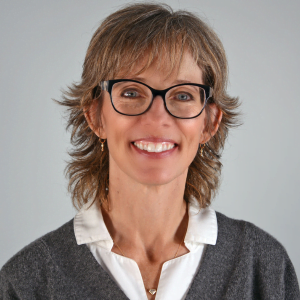
Shelly Burke
CEO
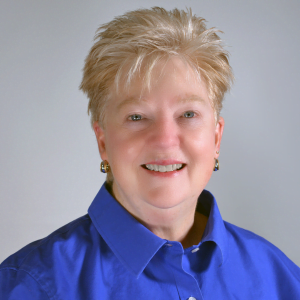
Shelly J. Spalding
COO
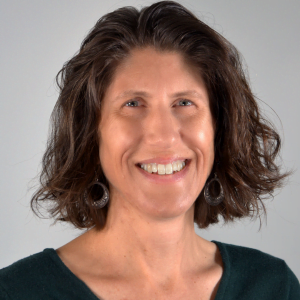
Stephanie Allred, Ph.D
VP of Integrated Health
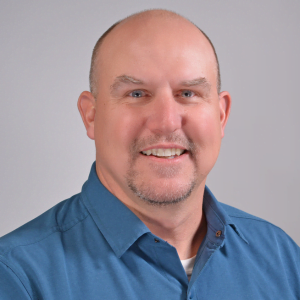
Brian Ensign, L.C.S.W, L.A.C
VP of Behavioral Health
Rehab.com regularly reviews this listing for accuracy but changes may occur between updates. For the most up-to-date information, please contact Regional Crisis Center – Durango.
Contact Information

1125 Three Springs Blvd.
Durango, CO 81301
Get Help Now - 719-405-0524
Sponsored Helpline
Sponsored Helpline



