





























































































About Grace Centers of Hope
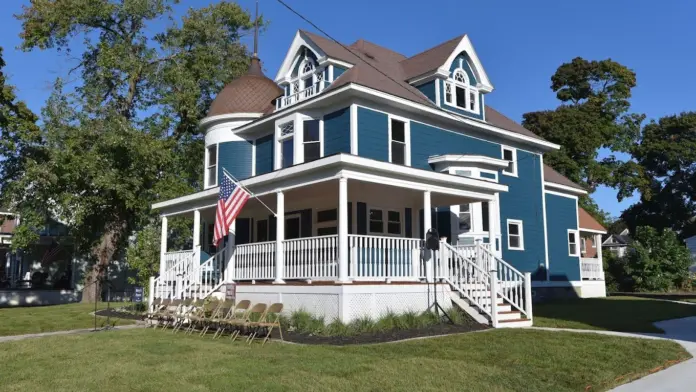
They provide dormitory accommodations and three meals a day. The program is for one year. Residents will be assigned a mentor when they enter the program. They will help guide you through a Discipleship Program in which you will follow the tenets of the Christian religion and mimic the behaviors and philosophies of Christ.
They teach life skills and give residents access to a career and educational center. They will assist you with financial planning. They provide work therapy as well. They will help you in finding employment and permanent housing.
This shelter uses religious therapy rather than traditional, evidenced based methods. People who are deeply religious may benefit from the group sessions that they offer, Your family will be allowed to attend church services with you.
The staff at the facility believe that religion can help motivate people to stay off of substances and alcohol. Former residents say that the staff treated them kindly and respectfully. Many former residents say that the program saved their lives. Many of them say that they have been off of substances for years because of the help they got at this facility.
Latest Reviews



Rehab Score
 Our Methodology


Gallery
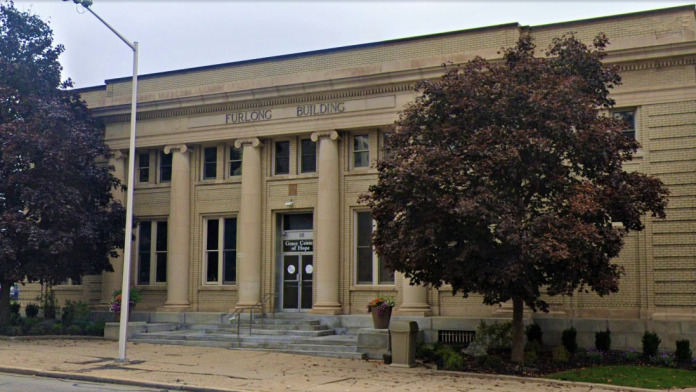
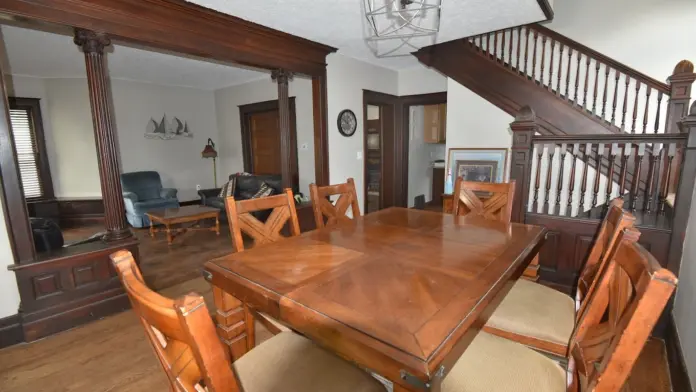
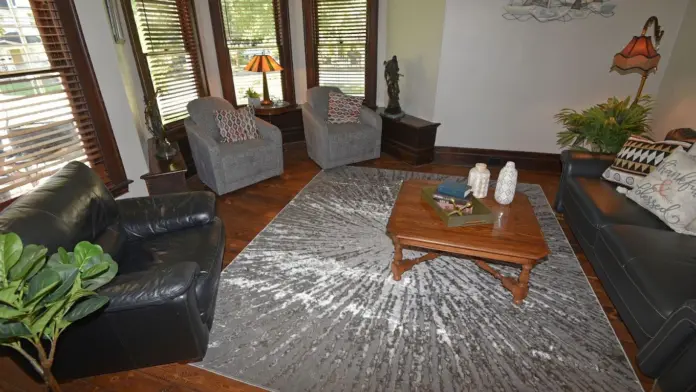
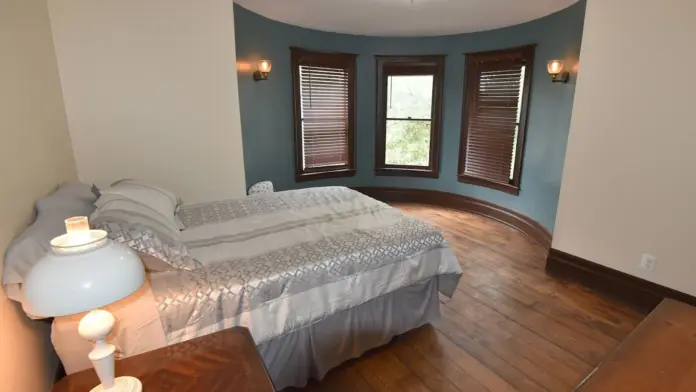
Other Forms of Payment
 Free
FreeAddiction Treatments
Levels of Care
Sober Living Houses (SLHs), aka sober homes or halfway houses, are safe, substance-free, supportive living facilities for those recovering from substance abuse. Ideal for those who've just been through inpatient or outpatient treatment, SLHs are supervised environments with rules that support sobriety, such as curfews, shared chores, and therapeutic meetings. Residents are also often trained on life skills and coping skills to make it easier to transition into society. SLHs also provide a strong sense of community that can lead to the kind of deep and lasting connections with other sober individuals that supports a new, healthy lifestyle.
Completing a drug or alcohol rehab program shouldn't spell the end of substance abuse treatment. Aftercare involves making a sustainable plan for recovery, including ongoing support. This can include sober living arrangements like halfway houses, career counseling, and setting a patient up with community programs like Alcoholics Anonymous (AA) or Narcotics Anonymous (NA).
Clients in inpatient rehab reside at the treatment facility while engaging in intensive daily treatment. Inpatient care is primarily designed for clients leaving detox, those in early recovery, and those at an elevated risk of relapse. Clients participate in intensive addiction counseling, which may include group and family therapy as well as one-on-one sessions. Recovery-focused life skills training is also often prioritized. Many inpatient rehabs offer evidence-based complementary therapies, such as yoga, meditation, art therapy, and animal therapy.
Clients receiving care in an intensive outpatient program (IOP) typically have completed inpatient treatment, but some choose to enroll in IOP immediately following detox. Intensive outpatient rehabs offer high-level support for clients in early recovery and those at an increased risk of relapse. Most programs provide between nine and 20 hours of treatment per week, with services ranging from addiction counseling to recovery education to medication assisted treatment (MAT). Holistic therapies, such as acupuncture, are common.
While many people know it as "day treatment", a partial hospitalization program (PHP) offers treatment during the day and allows you to live at home. PHP treatment typically requires a commitment of at least 20 hours of treatment every week, with a program duration that spans approximately 90 days. While commuting is necessary, some programs offer telehealth options. PHP treatment plans usually include relapse prevention, medication management, and behavioral therapy.
Treatments
The goal of treatment for alcoholism is abstinence. Those with poor social support, poor motivation, or psychiatric disorders tend to relapse within a few years of treatment. For these people, success is measured by longer periods of abstinence, reduced use of alcohol, better health, and improved social functioning. Recovery and Maintenance are usually based on 12 step programs and AA meetings.
Drug rehab in Michigan provides personalized treatment to help individuals break this cycle and regain control of their lives. Treatment methods are used in various levels of care, including inpatient rehab, partial hospitalization programs, intensive outpatient programs, and standard outpatient treatment.
Opioid rehabs specialize in supporting those recovering from opioid addiction. They treat those suffering from addiction to illegal opioids like heroin, as well as prescription drugs like oxycodone. These centers typically combine both physical as well as mental and emotional support to help stop addiction. Physical support often includes medical detox and subsequent medical support (including medication), and mental support includes in-depth therapy to address the underlying causes of addiction.
Substance rehabs focus on helping individuals recover from substance abuse, including alcohol and drug addiction (both illegal and prescription drugs). They often include the opportunity to engage in both individual as well as group therapy.
Programs
Adult rehab programs include therapies tailored to each client's specific needs, goals, and recovery progress. They are tailored to the specific challenges adult clients may face, including family and work pressures and commitments. From inpatient and residential treatment to various levels of outpatient services, there are many options available. Some facilities also help adults work through co-occurring conditions, like anxiety, that can accompany addiction.
Young adulthood can be an exciting, yet difficult, time of transition. Individuals in their late teens to mid-20s face unique stressors related to school, jobs, families, and social circles, which can lead to a rise in substance use. Rehab centers with dedicated young adult programs will include activities and amenities that cater to this age group, with an emphasis on specialized counseling, peer socialization, and ongoing aftercare.
Men face specific challenges and concerns when seeking addiction treatment. Gender-specific recovery programs help them tackle these issues head-on in an environment that's focused, targeted, and distraction-free. It also gives them the opportunity to connect with and learn from other men who have been through a similar journey and can offer support for the next step.
Clinical Services
Group therapy is any therapeutic work that happens in a group (not one-on-one). There are a number of different group therapy modalities, including support groups, experiential therapy, psycho-education, and more. Group therapy involves treatment as well as processing interaction between group members.
In individual therapy, a patient meets one-on-one with a trained psychologist or counselor. Therapy is a pivotal part of effective substance abuse treatment, as it often covers root causes of addiction, including challenges faced by the patient in their social, family, and work/school life.
Nutrition therapy, aka medical nutrition therapy (MNT), is a way of treating physical, emotional, and medical conditions through diet. Specific dietary plans are designed by professional nutritionists or registered dietitians, and patients follow them in order to positively affect their physical and mental health.
Amenities
-
 Private Setting
 -
 Residential Setting
Staff
Kent W. Clark
CEO
Darin Weiss
COO
Ashlee Sheffer
HR Generalist

Shedria Nyutu
Director of Finance
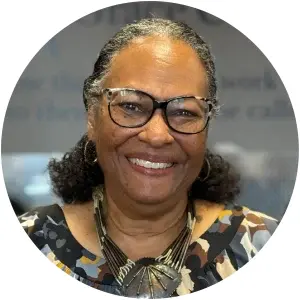
Brenda Maxwell
Financial Assistant
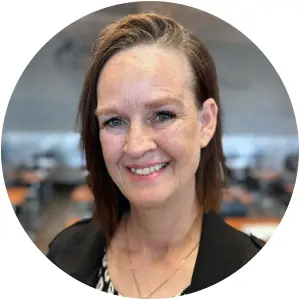
Roberta Davids
Volunteer Coordinator
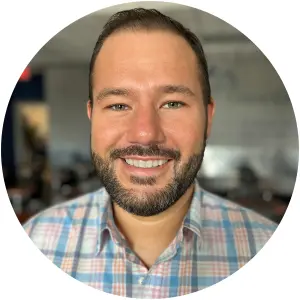
Kyle Couch
Director of Development

Jaclyn Pesavento
Assistant Director of Development
Rehab.com regularly reviews this listing for accuracy but changes may occur between updates. For the most up-to-date information, please contact Grace Centers of Hope.
Contact Information


35 East Huron Street
Pontiac, MI 48342
Sponsored Helpline


