






























































































I am writing this for my daughter who has been a patient for almost a year. She has been trying to talk to the 2 NP's for weeks and they never returns calls. The receptionist, if anyone answers, is rude and will give you nothing to help resolve the problem. My daughter ...
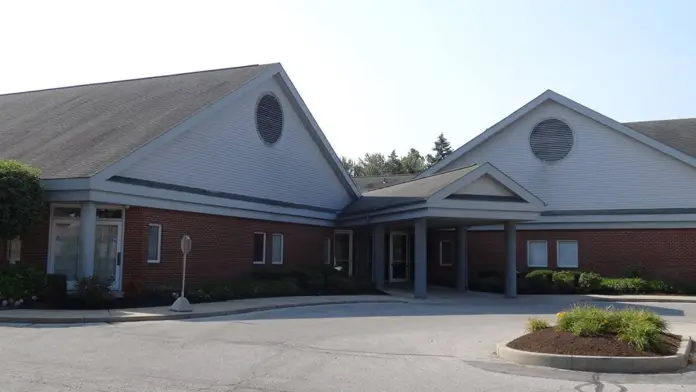
About Harbor – Woodley Road
Detox and medication management often go hand in hand. Here, you’ll detox by receiving prescriptions to reduce cravings and withdrawal pains. You’ll also start counseling to help strengthen your recovery. Detox is outpatient only, though, which means you’ll only be supervised at the facility. Medications may be available throughout your entire treatment program.
Most clients take part in the intensive outpatient program. You’ll be able to return home in the evening and come back at regular therapy sessions, usually three to four days each week. The time spent in this program depends on your needs. The focal point is on improving coping skills, peer support, and recovery.
There are some specialties at Harbor Behavioral Health, including Telehealth if you’re not able to be there in person. There is also a summer program for at risk youth.
Some past clients weren’t satisfied with the delays and lack of communication. If you have prescription refills, you might need to plan accordingly.
Latest Reviews
Kind and respectful and good service's. Great knowledge and help with medicine and a friendly environment to feel safe and calm and some best service to all patients.
Response from the owner3 weeks ago
Thank you so much for sharing your feedback! We truly appreciate your time and your thoughtful review.
Dominic has been awesome to work with. He really listens, explains things clearly, and helped me find the right treatment for my ADHD. I’ve been doing a lot better since I started seeing him. Super easy to talk to, professional, and genuinely helpful. Highly recommend.
⭐️⭐️⭐️⭐️⭐️ 5 Stars — Updated September 21, 2026
I originally wrote a very negative review of Harbor Behavioral Health based on my experiences going back to around 2004–2005, when I first became connected with Harbor through my high school. At the time, I was extremely frustrated with the services I received, the frequent changes in caseworkers, and some of my experiences with staff and providers.
Over the years, I went through many different caseworkers and had experiences that made me feel like my needs were not always being properly understood or supported.
However, after reflecting on my experiences over the years, I want to update my review and acknowledge the positive changes and support I have received from Harbor Behavioral Health.
I have had some good experiences with therapists and psychologists throughout the years, and I appreciate the professionals who have taken the time to work with me and support me.
Harbor has also helped me with several important things outside of therapy, including assistance with getting an apartment, transportation through medical cabs to doctor's appointments, grocery shopping, and other basic necessities.
Most importantly, I am thankful for the housing support I have received.
After dealing with an infestation crisis at my previous apartment and experiencing homelessness until August 2025, Harbor Behavioral Health has helped me work toward getting stable housing again and finding another apartment.
That support has meant a lot to me because maintaining stable housing is extremely important.
I also recently started working with a new caseworker, and I am hopeful about continuing to work together and addressing my current housing and other needs.
Looking back, I recognize that my earlier review reflected a very difficult period in my life.
My experiences with Harbor have not always been perfect, but I also don't want my old review to overlook the people and services that have genuinely helped me.
As of September 21, 2026, I am updating my review to 5 stars. ⭐️⭐️⭐️⭐️⭐️
I have decided to take down my previous negative comments and give credit to Harbor Behavioral Health for the assistance and support I have received over the years, especially with therapy, psychological services, transportation, basic necessities, and housing.
Thank you to the Harbor staff and providers who have helped me along the way. I appreciate the support I've received and hope to continue moving forward in a positive direction.That version keeps your history intact without pretending the old problems never happened, while making it clear that your current experience is substantially more positive.

Rehab Score
 Our Methodology
Scoring is assigned by a proprietary system which helps surface key metrics that determine quality. The 10-point scale factors in categories such as operations, customer satisfaction, and trust metrics. Read Full Methodology

7.4 / 10
Gallery

Other Forms of Payment
Medicaid is a state based program that helps lower-income individuals and families pay for healthcare. Medicaid covers addiction treatment so those enrolled can use their coverage to pay for rehab. When a program accepts Medicaid the client often pays very little or nothing out of their own pocket.
Private insurance refers to any kind of healthcare coverage that isn't from the state or federal government. This includes individual and family plans offered by an employer or purchased from the Insurance Marketplace. Every plan will have different requirements and out of pocket costs so be sure to get the full details before you start treatment.
Self-pay involves paying for treatment out of your own pocket. You can use savings or credit, get a personal loan, or receive help from family and friends to fund your treatment. If you don't have insurance or your insurance plan doesn't cover a specific program, self-pay can help ensure you still get the care you need.
Financial aid can take many forms. Centers may have grants or scholarships available to clients who meet eligibility requirements. Programs that receive SAMHSA grants may have financial aid available for those who need treatment as well. Grants and scholarships can help you pai for treatment without having to repay.
Sliding scale payments are based on a client's income and family size. The goal is to make treatment affordable to everyone. By taking these factors into account, addiction recovery care providers help ensure that your treatment does not become a financial burden to you or your family, eliminating one barrier to care.
Medicare is a federal program that provides health insurance for those 65 and older. It also serves people under 65 with chronic and disabling health challenges. To use Medicare for addiction treatment you need to find a program that accepts Medicare and is in network with your plan. Out of pocket costs and preauthorization requirements vary, so always check with your provider.
Military members, veterans, and eligible dependents have access to specific insurance programs that help them get the care they need. TRICARE and VA insurance can help you access low cost or no cost addiction and mental health treatment. Programs that accept military insurance often have targeted treatment focused on the unique challenges military members, veterans, and their families face.
 Employee Assistance Program
Addiction Treatments
Levels of Care
Clients who have just completed detox or who are at an increased risk of relapse, such as those experiencing a life crisis, typically enroll in an inpatient rehab. There, they receive housing, meals, and intensive clinical supervision. Inpatient treatment typically involves extensive individual, group, and family therapy. Clients may also participate in life skills training to support their long-term sobriety. Integrative rehab centers offer a variety of evidence-based holistic therapies, such as meditation or equine therapy.
Uses The Matrix Model for relapse prevention skills group therapy, providing up to 20 weeks of 2-hour, weekly group therapy sessions, providing the client with practical education about how to strengthen and maintain sobriety, and continue to build sober social connections which support a totally abstinent lifestyle. Group therapy is supported by weekly individual case management. This group is appropriate for a client who has already established at least several months of abstinent sobriety, and has already received and embraced education about addiction and has begun to establish a personal program of recovery.
Uses The Matrix Model for early recovery skills group therapy, providing up to 18 3-hour, 3x/week group therapy sessions educating the client on recognizing the symptoms and triggers for addiction, establishing a solid program of recovery, avoiding triggers, and integrating socially with others in recovery, to establish a totally abstinent lifestyle. Group therapy is supported by weekly individual case management.
During initial recovery, withdrawal from alcohol, opiates, and benzodiazepines can involve high health risk. Attempting detox outside of 24-hour clinical care in Ohio is not recommended. This can be life-threatening because medical staff are not available to treat severe symptoms of withdrawal that often occur. Such symptoms can include seizures, delirium tremens, and extreme dehydration. In a clinical setting, staff are on-site to immediately care for your physical, emotional, and mental health needs.
Drug and alcohol addiction often takes a heavy toll on one's body. Over time, a physical dependence can develop, meaning the body physiologically needs the substance to function. Detox is the process of removing drugs and/or alcohol from the body, a process that can be lethal if mismanaged. Medical detox is done by licensed medical professionals who monitor vital signs and keep you safe, healthy, and as comfortable as possible as you go through detox and withdrawal.
Treatments
The goal of treatment for alcoholism is abstinence. Those with poor social support, poor motivation, or psychiatric disorders tend to relapse within a few years of treatment. For these people, success is measured by longer periods of abstinence, reduced use of alcohol, better health, and improved social functioning. Recovery and Maintenance are usually based on 12 step programs and AA meetings.
Drug rehab in Ohio provides comprehensive treatment to address the physical and psychological needs of those struggling with substance use disorders. This may involve inpatient and/or outpatient care.
Many of those suffering from addiction also suffer from mental or emotional illnesses like schizophrenia, bipolar disorder, depression, or anxiety disorders. Rehab and other substance abuse facilities treating those with a dual diagnosis or co-occurring disorder administer psychiatric treatment to address the person's mental health issue in addition to drug and alcohol rehabilitation.
A combined mental health and substance abuse rehab has the staff and resources available to handle individuals with both mental health and substance abuse issues. It can be challenging to determine where a specific symptom stems from (a mental health issue or an issue related to substance abuse), so mental health and substance abuse professionals are helpful in detangling symptoms and keeping treatment on track.
Opioid rehabs specialize in supporting those recovering from opioid addiction. They treat those suffering from addiction to illegal opioids like heroin, as well as prescription drugs like oxycodone. These centers typically combine both physical as well as mental and emotional support to help stop addiction. Physical support often includes medical detox and subsequent medical support (including medication), and mental support includes in-depth therapy to address the underlying causes of addiction.
Programs
Adult rehab programs include therapies tailored to each client's specific needs, goals, and recovery progress. They are tailored to the specific challenges adult clients may face, including family and work pressures and commitments. From inpatient and residential treatment to various levels of outpatient services, there are many options available. Some facilities also help adults work through co-occurring conditions, like anxiety, that can accompany addiction.
Clinical Services
Group therapy is any therapeutic work that happens in a group (not one-on-one). There are a number of different group therapy modalities, including support groups, experiential therapy, psycho-education, and more. Group therapy involves treatment as well as processing interaction between group members.
Trauma therapy addresses traumatic incidents from a client's past that are likely affecting their present-day experience. TF-CBT (Trauma Focused-Cognitive Behavioral Therapy) is a short-term treatment typically provided in 12 to 18 sessions of 60 to 90 minutes, depending on treatment needs. The intervention is typically provided in our office, but it has been used in community and in-home settings.
AOD treatment starts with an assessment to determine the person’s individual treatment needs. Services are provided based on the person’s treatment needs and according to the individual treatment plan created together by the client and staff. Research clearly demonstrates that recovery is far more successful and sustainable when loved ones like family members participate in rehab and substance abuse treatment.
Amenities
-
 Residential Setting
Staff & Accreditations
Staff
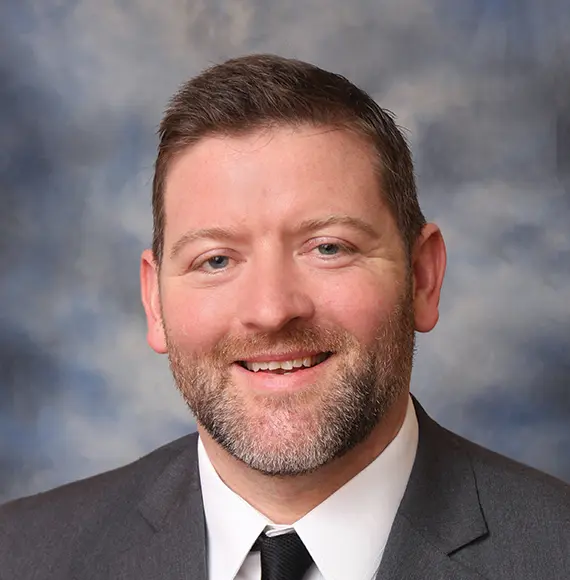
Dustin Watkins, MRC, BCBA
Chief Executive Officer

Irfan Ahmed, MD
Chief Medical Officer
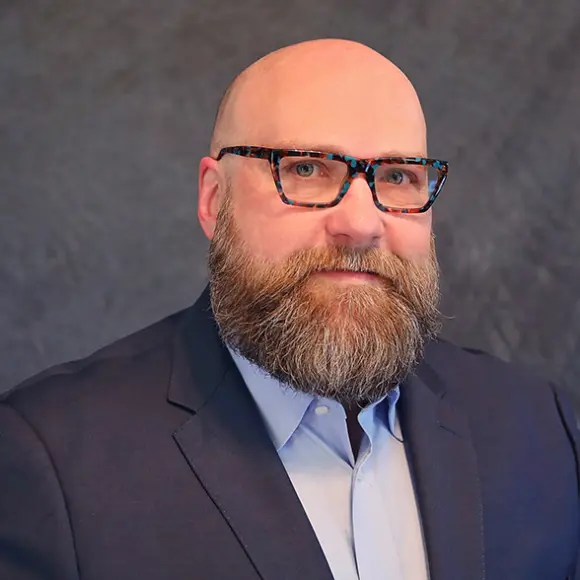
Philip D. Atkins, PhD, LICDC-CS, OCPC
Chief Care Coordination Officer
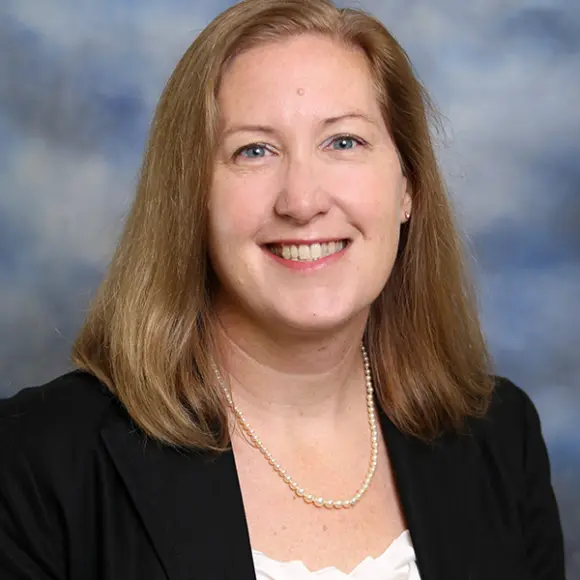
Cara Douglas, LPCC-S
Chief Quality Officer
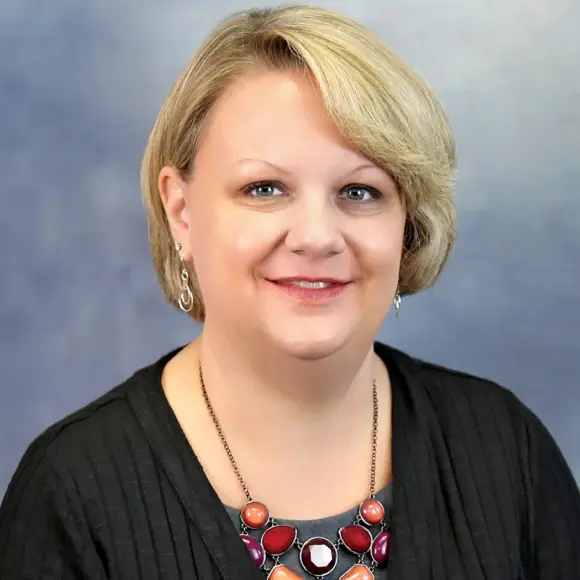
Valerie Moyer, Ph. D
Chief Clinical Officer
Accreditations

The Substance Abuse and Mental Health Services Administration (SAMHSA) is a branch of the U.S. Department of Health and Human Services. Established in 1992 by congress, SAMHSA's mission is to reduce the impact of substance abuse and mental illness on American's communities.
SAMHSA Listed: Yes

The Commission on Accreditation of Rehabilitation Facilities (CARF) is a non-profit organization that specifically accredits rehab organizations. Founded in 1966, CARF's, mission is to help service providers like rehab facilities maintain high standards of care.
CARF Accreditation: Yes
Rehab.com regularly reviews this listing for accuracy but changes may occur between updates. For the most up-to-date information, please contact Harbor – Woodley Road.
Contact Information

3909 Woodley Road
Toledo, OH 43606
Get Help Now - 419-365-6326
Sponsored Helpline
Sponsored Helpline



