





























































































About Appalachian Regional Healthcare — Behavioral Health
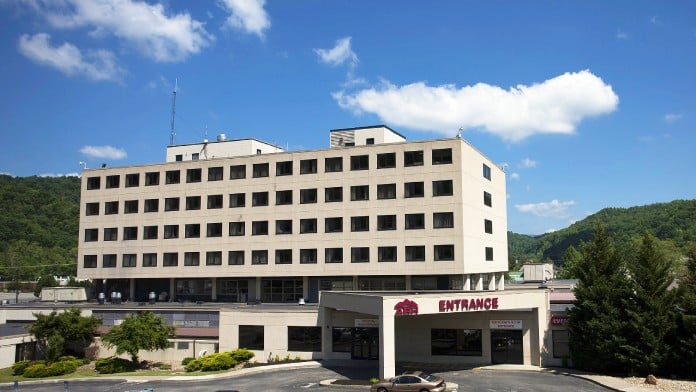
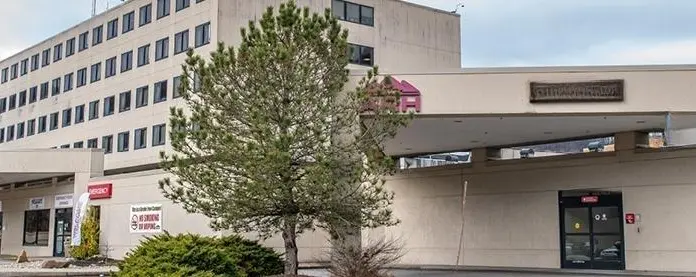
Harlan ARH Behavioral Health in Harlan, Kentucky has merged with Appalachian Regional Healthcare (ARH) Hospital at 37 Ball Park Road in Harlan, Kentucky. Treatment is easy to access and quick to respond. They offer medication assisted treatment (MAT) with Suboxone education, individual and family therapy, case management and connect community resources and continued care.
Opioid Addiction Treatment and More
The Appalachian Regional Healthcare Recovery Clinic is an outpatient addiction treatment clinic that compassionately provides care and support to those who are struggling with opioid physical and mental dependence. Medication assisted treatment is offered to help minimize the dangerous physical effects of withdrawal.
Along with MAT, the clinic helps individuals and families develop a growth mindset that allows them to overcome the stresses and traumas that led them to self medicating, substance abuse and addiction.
Outpatient Mental Health Clinics
Opioid addiction isn’t the only mental health concern that ARH helps people deal with. There are outpatient mental health services for other addictions, mood and personality disorders, depression, anxiety, eating disorders, behavioral issues and more.
Psychiatrists, therapists, psychiatric nurses, and other trained medical and mental health professionals are all available to help provide counselling, medication management, therapy groups and case oversight. Treatment is provided in a holistic manner, healing physical and mental pain and creating the best quality of life for each individual.
Inpatient Support
When outpatient services do not provide enough support to meet a person’s needs then there are inpatient psychiatric and behavioral health services. There are 30 behavioral beds and more than 100 acute care medical beds. Departments and clinics work together to provide the most comprehensive holistic care they can for every individual. From pediatrics to geriatrics and everything in between has experts as Appalachian Regional Healthcare. There is financial assistance for those who are either uninsured or underinsured when accessing many of the services offered.
Facility Overview
 30
30 Latest Reviews



Rehab Score
 Our Methodology


Gallery
Accepted Insurance
Other Forms of Payment
Private insurance refers to any kind of healthcare coverage that isn't from the state or federal government. This includes individual and family plans offered by an employer or purchased from the Insurance Marketplace. Every plan will have different requirements and out of pocket costs so be sure to get the full details before you start treatment.
Self-pay involves paying for treatment out of your own pocket. You can use savings or credit, get a personal loan, or receive help from family and friends to fund your treatment. If you don't have insurance or your insurance plan doesn't cover a specific program, self-pay can help ensure you still get the care you need.
Financial aid can take many forms. Centers may have grants or scholarships available to clients who meet eligibility requirements. Programs that receive SAMHSA grants may have financial aid available for those who need treatment as well. Grants and scholarships can help you pai for treatment without having to repay.
Medicare is a federal program that provides health insurance for those 65 and older. It also serves people under 65 with chronic and disabling health challenges. To use Medicare for addiction treatment you need to find a program that accepts Medicare and is in network with your plan. Out of pocket costs and preauthorization requirements vary, so always check with your provider.
Military members, veterans, and eligible dependents have access to specific insurance programs that help them get the care they need. TRICARE and VA insurance can help you access low cost or no cost addiction and mental health treatment. Programs that accept military insurance often have targeted treatment focused on the unique challenges military members, veterans, and their families face.
Medicaid is a state based program that helps lower-income individuals and families pay for healthcare. Medicaid covers addiction treatment so those enrolled can use their coverage to pay for rehab. When a program accepts Medicaid the client often pays very little or nothing out of their own pocket.
Addiction Treatments
Levels of Care
Outpatient rehabs enable clients to integrate addiction treatment into their daily lives. Clients typically continue to work and reside at home, but may engage in daily therapeutic sessions, depending on need. Outpatient treatment generally involves individual, group, and/or family therapy, recovery-focused life skills training, and a variety of ancillary services, such as career counseling or vocational training. Outpatient rehabs often encompass multiple levels of care, including partial hospitalization (PHP), intensive outpatient (IOP), sober living, and standard outpatient.
Inpatient rehab is designed primarily for clients exiting detox, those in early recovery, and those in crisis situations that may increase their risk of relapse. Clients reside at the inpatient treatment center for the length of the program, which may range from two weeks to more than 18 months, depending on the program design. Inpatient treatment typically includes 24-hour clinical care and extensive addiction counseling and recovery education using CBT, DBT, RBT, motivational interviewing or other psychotherapeutic approaches.
Medical detox is the process of weaning your body off addictive substances in a medically supervised environment. An on-site medical team may include physicians, nurses, therapists, and other clinical staff whose job it is to monitor your vitals and provide medications if necessary to alleviate withdrawal symptoms. Their goal is to keep you as safe and comfortable as possible throughout the process.. Medically assisted detox programs are individualized to meet your specific needs and can vary in length, but they tend to last 5-7 days.
Treatments
Substance rehabs focus on helping individuals recover from substance abuse, including alcohol and drug addiction (both illegal and prescription drugs). They often include the opportunity to engage in both individual as well as group therapy.
Programs
Adult rehab programs include therapies tailored to each client's specific needs, goals, and recovery progress. They are tailored to the specific challenges adult clients may face, including family and work pressures and commitments. From inpatient and residential treatment to various levels of outpatient services, there are many options available. Some facilities also help adults work through co-occurring conditions, like anxiety, that can accompany addiction.
Young adulthood can be an exciting, yet difficult, time of transition. Individuals in their late teens to mid-20s face unique stressors related to school, jobs, families, and social circles, which can lead to a rise in substance use. Rehab centers with dedicated young adult programs will include activities and amenities that cater to this age group, with an emphasis on specialized counseling, peer socialization, and ongoing aftercare.
Recovery is most successful when clients feel accepted and validated by their peers and treatment providers. Facilities that offer LGBTQ-inclusive programming are committed to creating a safe space where everyone can grow and recover without fear of judgment or discrimination. They will have dedicated policies in place to create a safe and supportive environment that fosters free expression.
Serving in the military is both mentally and physically challenging, and can result in trauma that persists even after combat ends. Military programs are tailored to the specific and often complex needs of active duty personnel, veterans, and military families. Clients often access these programs through the U.S. Department of Veterans Affairs (VA).
Clinical Services
Group therapy is any therapeutic work that happens in a group (not one-on-one). There are a number of different group therapy modalities, including support groups, experiential therapy, psycho-education, and more. Group therapy involves treatment as well as processing interaction between group members.
In individual therapy, a patient meets one-on-one with a trained psychologist or counselor. Therapy is a pivotal part of effective substance abuse treatment, as it often covers root causes of addiction, including challenges faced by the patient in their social, family, and work/school life.
Holistic alcohol and drug addiction treatment centers use recreational therapy to help you find a constructive way to spend your time and manage your stress. Activities can include yoga, team sports, creative arts, and painting. These encourage social interaction, support your physical fitness, and improve your mood, all of which are crucial for maintaining a successful recovery.
Nicotine replacement therapy (NRT) in Kentucky is not intended for long term use, but it can help you get over the challenging initial phase of quitting smoking. Based on your craving levels and other lifestyle needs, you can choose from a variety of NRT methods to reduce withdrawals and break free from nicotine addiction.
Rehab.com regularly reviews this listing for accuracy but changes may occur between updates. For the most up-to-date information, please contact Appalachian Regional Healthcare — Behavioral Health.
Contact Information


81 Ball Park Road
Harlan, KY 40831
Sponsored Helpline



