






























































































Nick was great, I highly recommend him. He listens and gave great advise. My condition has improved dramatically.
About Havasu Behavioral Health
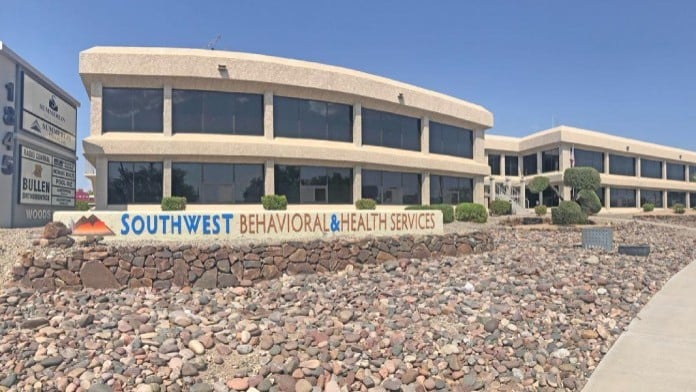
Havasu Behavioral Health in Lake Havasu City, Arizona, provides mental health and addiction treatment services to clients of all ages. Besides being LGBTQ+ friendly, it also provides specialized support for veterans and their families.
As for payment, most major health plans are accepted, along with private pay options. Sliding scale fees are also available to eligible individuals.
An Outpatient Drug Rehab in Western Arizona
The center offers various drug rehab and mental health services through its intensive outpatient programming (IOP). This is available for anyone seeking more structured support, without the intensity of a residential program.
Counseling offered is tailored to individuals’ needs, whether that’s substance abuse counseling, or a focus on depression, anxiety, trauma or other co-occurring disorders.
Group and family therapy options are also provided, designed to help participants heal key relationships that may have been impacted by their addiction or mental health issues, while also offering peer support, accountability and an array of healthy coping mechanisms they can begin implementing in their lives.
Along with all this, clients can also access diagnostic services, clinical assessments and personalized treatment planning.
Collaborative & Compassionate Care
Holistic support is offered here by a dedicated team of licensed therapists, all with varying specialties. Treatment integrates psychological, emotional, and social well-being for a rounded and collaborative approach to care, in which clients are involved at every stage.
Former clients have noted the warmth and professionalism of the staff here, and expressed gratitude for the supportive atmosphere they’ve created.
Location-wise, you’ll find the center near Lake Havasu, a popular spot for all kinds of recreational and therapeutic activities, or even just a bit of relaxation. Rotary Community Park and London Bridge Beach are also close by, offering even more options for calming, natural support.
Facility Overview
 129
129 Number of Available Beds
Latest Reviews
The best in town, never go to the other unnamed place. These people here care,I highly recommend them. I would use them again if I was ever in crisis mode.
Response from the owner2 days ago
Thank you for your review! We greatly value your feedback, and your review has been shared with the appropriate management staff overseeing the clinic. If you have any additional feedback, please feel free to email your contact information to info@sbhservices.org, and we will have someone contact you directly.
I was always too proud to get help now. I’m gonna let that pride shift Gears …I want everybody to know it’s OK to get help.
 after my last ridiculous break up that you guys have to listen to all the time.. I checked myself into Southwest behavioral services, and started my journey of healing from the things that I could not control and the things that I could.  my life was a hot mess from extreme childhood trauma .. addiction and heartbreak.. I sure as hell didn’t end the cycle and reached out for help
I wanna publicly thank some people, but I don’t know how they feel about their names being out there so I wanna thank
R - R- J - L - you ladies are my angels .
On a random afternoon, I decided I need to get help and these women were extremely busy at their job and they stopped everything they were doing when they saw my face .
 I want to thank you ladies for recognizing where I was at and I want to thank you for saving my life.
Response from the owner2 days ago
Thank you for your review! We greatly value your feedback, and your review has been shared with the appropriate management staff overseeing the clinic. If you have any additional feedback, please feel free to email your contact information to info@sbhservices.org, and we will have someone contact you directly.
I highly recommend going here . The staff is friendly. They offer a lot of different groups . I've been to a few mental health places and hands down Southwest behavioral is the best place.
Response from the owner2 days ago
Thank you for your review! We greatly value your feedback, and your review has been shared with the appropriate management staff overseeing the clinic. If you have any additional feedback, please feel free to email your contact information to info@sbhservices.org, and we will have someone contact you directly. 
Rehab Score
 Our Methodology
Scoring is assigned by a proprietary system which helps surface key metrics that determine quality. The 10-point scale factors in categories such as operations, customer satisfaction, and trust metrics. Read Full Methodology

6.4 / 10
Gallery
Other Forms of Payment
Self-pay involves paying for treatment out of your own pocket. You can use savings or credit, get a personal loan, or receive help from family and friends to fund your treatment. If you don't have insurance or your insurance plan doesn't cover a specific program, self-pay can help ensure you still get the care you need.
Addiction Treatments
Levels of Care
Outpatient Programs (OP) are for those seeking mental rehab or drug rehab, but who also stay at home every night. The main difference between outpatient treatment (OP) and intensive outpatient treatment (IOP) lies in the amount of hours the patient spends at the facility. Most of the time an outpatient program is designed for someone who has completed an inpatient stay and is looking to continue their growth in recovery. Outpatient is not meant to be the starting point, it is commonly referred to as aftercare.
Completing a drug or alcohol rehab program shouldn't spell the end of substance abuse treatment. Aftercare involves making a sustainable plan for recovery, including ongoing support. This can include sober living arrangements like halfway houses, career counseling, and setting a patient up with community programs like Alcoholics Anonymous (AA) or Narcotics Anonymous (NA).
Intensive Outpatient Programs (IOP) are for those who want or need a very structured treatment program but who also wish to live at home and continue with certain responsibilities (such as work or school). IOP substance abuse treatment programs vary in duration and intensity, and certain outpatient rehab centers will offer individualized treatment programs.
Treatments
Mental health rehabs focus on helping individuals recover from mental illnesses like bipolar disorder, clinical depression, anxiety disorders, schizophrenia, and more. Mental health professionals at these facilities are trained to understand and treat mental health issues, both in individual and group settings.
Programs
Adult rehab programs include therapies tailored to each client's specific needs, goals, and recovery progress. They are tailored to the specific challenges adult clients may face, including family and work pressures and commitments. From inpatient and residential treatment to various levels of outpatient services, there are many options available. Some facilities also help adults work through co-occurring conditions, like anxiety, that can accompany addiction.
Young adulthood can be an exciting, yet difficult, time of transition. Individuals in their late teens to mid-20s face unique stressors related to school, jobs, families, and social circles, which can lead to a rise in substance use. Rehab centers with dedicated young adult programs will include activities and amenities that cater to this age group, with an emphasis on specialized counseling, peer socialization, and ongoing aftercare.
Clinical Services
Whether a marriage or other committed relationship, an intimate partnership is one of the most important aspects of a person's life. Drug and alcohol addiction affects both members of a couple in deep and meaningful ways, as does rehab and recovery. Couples therapy and other couples-focused treatment programs are significant parts of exploring triggers of addiction, as well as learning how to build healthy patterns to support ongoing sobriety.
Research clearly demonstrates that recovery is far more successful and sustainable when loved ones like family members participate in rehab and substance abuse treatment. Genetic factors may be at play when it comes to drug and alcohol addiction, as well as mental health issues. Family dynamics often play a critical role in addiction triggers, and if properly educated, family members can be a strong source of support when it comes to rehabilitation.
Group therapy is any therapeutic work that happens in a group (not one-on-one). There are a number of different group therapy modalities, including support groups, experiential therapy, psycho-education, and more. Group therapy involves treatment as well as processing interaction between group members.
In individual therapy, a patient meets one-on-one with a trained psychologist or counselor. Therapy is a pivotal part of effective substance abuse treatment, as it often covers root causes of addiction, including challenges faced by the patient in their social, family, and work/school life.
Staff
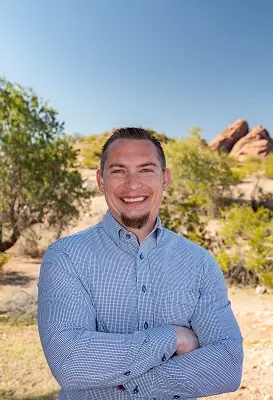
Steven Sheets, MC, LPC
CEO

Paul Buttermore, MA, LPC
VP Inpatient
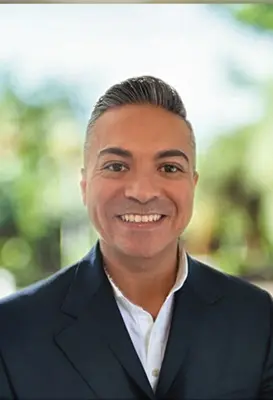
Greg Choy, MSN-HSA, RN
P Outpatient Services
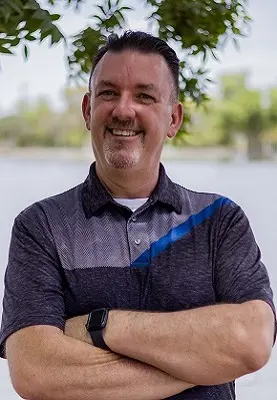
Dan Downs, SHRM
Chief People Officer

Michael Fett, CPA
CFO
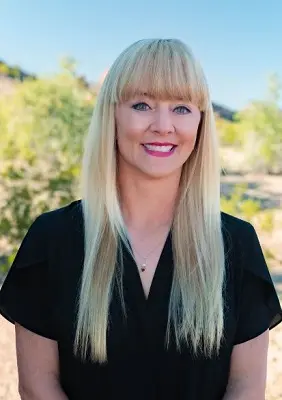
Marcie Herzog, MC, LPC, CPRP
VP Community Services

Dominic Miller, MPA, MSW, LCSW
COO

Erica Missicano, LMSW, CPHQ, Prosci CCMP
Chief Quality Officer
Rehab.com regularly reviews this listing for accuracy but changes may occur between updates. For the most up-to-date information, please contact Havasu Behavioral Health.
Contact Information

1695 Mesquite Ave
Unit 216
Lake Havasu City, AZ 86403
Get Help Now - 602-428-2921
Sponsored Helpline
Sponsored Helpline



