






























































































Healing transition is not the place to be. They are rude... disrespectful and dnt know how to talk to people. The food they serve is a waste and there's really no structure there. And the guy that oversees the program is worthless as well. I wouldn't advise anyone to go ther ...
About Healing Transitions
The detox facility is open 24 hours a day 7 days a week. The staff will give you an assessment to see if you can detox there or if you need to be in a medical facility. They will provide you with a clean safe place to get off of drugs.
They have a long-term recovery program that uses Recovery Dynamics® which is a type of 12 Step program. It is a system for recovery that has been around for over 50 years. You will take classes about different ways addiction affects people’s lives.
You will have a 15 hours course on the impact drug use has on families. You will have 10 hours of training about dealing with tragic experiences without drugs. You will also have a 15 hour class where you will make a recovery plan. You will get to speak to alumni of the program who will act as mentors for you.
They have a family support program for the loved ones of people who are in recovery. This program is two hours a week and is offered virtually. They also have an emergency drop in shelter that adults can stay in even if they are not in a recovery program.
Latest Reviews
I got to Healing Transitions in April of 2025 after a lifelong battle with addiction. This is the third treatment center I have attended since 2007. I honestly would be dead if not for this place. It is the best decision I have ever made . I am blessed to be a part of the miracles that take place there. This place has given me the tools to finally be able to sober again after several almost deadly relapses. THANK GOD for this place. If you are looking for a place to pat you on the back and tell you that everything is going to be alright , this isn't that place. If you are struggling with addiction, I am here to tell you that this place works, but what you get out is what you put in. You do a little , HT will do a little; if you do a lot ,HT will do a lot. THE DISEASE OF ADDICTION WILL KILL YOU . IT HAS NO MERCY. HT taught me how to be responsible and hold myself accountable. They are not going to sugarcoat things. It will save your life if you are willing to go to any lengths. Healing Transitions is a valuable stepping stone to give everyone an honest chance at getting their life together. It's the only place around like itself. If you are an addict or alcoholic please give it a chance. You are worth it. I will be forever grateful for this wonderful program. 💛.
Went there to visit someone
Only spoke with on the phone but polite and sincerely care about the situation.

Rehab Score
 Our Methodology
Scoring is assigned by a proprietary system which helps surface key metrics that determine quality. The 10-point scale factors in categories such as operations, customer satisfaction, and trust metrics. Read Full Methodology

6.8 / 10
Gallery
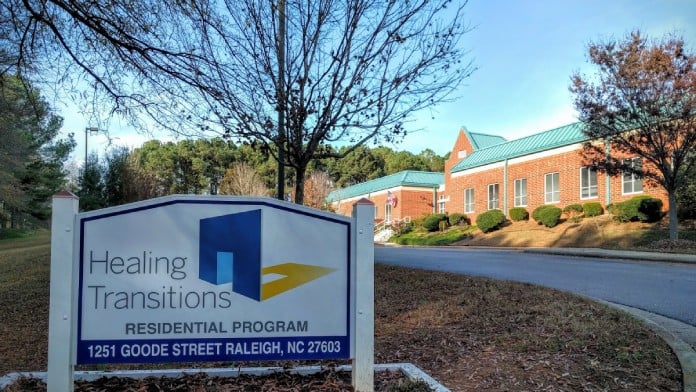


Other Forms of Payment
Private insurance refers to any kind of healthcare coverage that isn't from the state or federal government. This includes individual and family plans offered by an employer or purchased from the Insurance Marketplace. Every plan will have different requirements and out of pocket costs so be sure to get the full details before you start treatment.
Self-pay involves paying for treatment out of your own pocket. You can use savings or credit, get a personal loan, or receive help from family and friends to fund your treatment. If you don't have insurance or your insurance plan doesn't cover a specific program, self-pay can help ensure you still get the care you need.
 Free
FreeAddiction Treatments
Levels of Care
Outpatient Programs (OP) are for those seeking mental rehab or drug rehab, but who also stay at home every night. The main difference between outpatient treatment (OP) and intensive outpatient treatment (IOP) lies in the amount of hours the patient spends at the facility. Most of the time an outpatient program is designed for someone who has completed an inpatient stay and is looking to continue their growth in recovery. Outpatient is not meant to be the starting point, it is commonly referred to as aftercare.
Residential treatment programs are those that offer housing and meals in addition to substance abuse treatment. Rehab facilities that offer residential treatment allow patients to focus solely on recovery, in an environment totally separate from their lives. Some rehab centers specialize in short-term residential treatment (a few days to a week or two), while others solely provide treatment on a long-term basis (several weeks to months). Some offer both, and tailor treatment to the patient's individual requirements.
12-step programs are addiction recovery models based on Alcoholics Anonymous (AA). A number of substance abuse programs (including some drug and alcohol rehab centers) use the 12 steps as a basis for treatment. Beginning steps involve admitting powerlessness over the addiction and creating a spiritual basis for recovery. Middle steps including making direct amends to those who've been hurt by the addiction, and the final step is to assist others in addiction recovery in the same way. 12-Step offshoots including Narcotics Anonymous (NA), Cocaine Anonymous (CA), Dual Recovery Anonymous (DRA), Sex and Love Addicts Anonymous (SLAA) and Gamblers Anonymous (GA).
Individuals in early recovery often require 24-hour clinical care in North Carolina. This supervised care typically includes medications to treat specific withdrawal symptoms, which vary based on the substance abused. For example, staff may provide sleep aids to treat insomnia in patients who are addicted to marijuana. For those overcoming a cocaine use disorder, anti-depressants may be prescribed to manage mood swings. Other medications may also be provided to treat addiction-related health issues.
Drug and alcohol addiction often takes a heavy toll on one's body. Over time, a physical dependence can develop, meaning the body physiologically needs the substance to function. Detox is the process of removing drugs and/or alcohol from the body, a process that can be lethal if mismanaged. Medical detox is done by licensed medical professionals who monitor vital signs and keep you safe, healthy, and as comfortable as possible as you go through detox and withdrawal.
Treatments
The goal of treatment for alcoholism is abstinence. Those with poor social support, poor motivation, or psychiatric disorders tend to relapse within a few years of treatment. For these people, success is measured by longer periods of abstinence, reduced use of alcohol, better health, and improved social functioning. Recovery and Maintenance are usually based on 12 step programs and AA meetings.
There are many types of drug rehab in North Carolina. To receive treatment for addiction, you can choose from many inpatient and outpatient programs. Often, participants start with detox and work through a full continuum of care that continues with ongoing support for long-term recovery.
Opioid rehabs specialize in supporting those recovering from opioid addiction. They treat those suffering from addiction to illegal opioids like heroin, as well as prescription drugs like oxycodone. These centers typically combine both physical as well as mental and emotional support to help stop addiction. Physical support often includes medical detox and subsequent medical support (including medication), and mental support includes in-depth therapy to address the underlying causes of addiction.
Substance rehabs focus on helping individuals recover from substance abuse, including alcohol and drug addiction (both illegal and prescription drugs). They often include the opportunity to engage in both individual as well as group therapy.
Programs
Adult rehab programs include therapies tailored to each client's specific needs, goals, and recovery progress. They are tailored to the specific challenges adult clients may face, including family and work pressures and commitments. From inpatient and residential treatment to various levels of outpatient services, there are many options available. Some facilities also help adults work through co-occurring conditions, like anxiety, that can accompany addiction.
Young adulthood can be an exciting, yet difficult, time of transition. Individuals in their late teens to mid-20s face unique stressors related to school, jobs, families, and social circles, which can lead to a rise in substance use. Rehab centers with dedicated young adult programs will include activities and amenities that cater to this age group, with an emphasis on specialized counseling, peer socialization, and ongoing aftercare.
Recovery is most successful when clients feel accepted and validated by their peers and treatment providers. Facilities that offer LGBTQ-inclusive programming are committed to creating a safe space where everyone can grow and recover without fear of judgment or discrimination. They will have dedicated policies in place to create a safe and supportive environment that fosters free expression.
Men face specific challenges and concerns when seeking addiction treatment. Gender-specific recovery programs help them tackle these issues head-on in an environment that's focused, targeted, and distraction-free. It also gives them the opportunity to connect with and learn from other men who have been through a similar journey and can offer support for the next step.
Rehabs for women provide a safe, nurturing space for female clients to heal. These treatment programs consider the specific obstacles that women can face during recovery and place a special emphasis on mental, social, physical, and reproductive health. They explore how each woman's experience has shaped the trajectory of their substance use, addressing issues such as sexual abuse and past trauma.
Clinical Services
Group therapy is any therapeutic work that happens in a group (not one-on-one). There are a number of different group therapy modalities, including support groups, experiential therapy, psycho-education, and more. Group therapy involves treatment as well as processing interaction between group members.
In individual therapy, a patient meets one-on-one with a trained psychologist or counselor. Therapy is a pivotal part of effective substance abuse treatment, as it often covers root causes of addiction, including challenges faced by the patient in their social, family, and work/school life.
Research clearly demonstrates that recovery is far more successful and sustainable when loved ones like family members participate in rehab and substance abuse treatment. Genetic factors may be at play when it comes to drug and alcohol addiction, as well as mental health issues. Family dynamics often play a critical role in addiction triggers, and if properly educated, family members can be a strong source of support when it comes to rehabilitation.
Routine tasks are difficult for someone experiencing addiction. Daily skills deteriorate, which makes it harder to achieve recovery. That's why drug rehab programs in North Carolina reteach basic life skills. This gives you the tools you need to manage daily life without returning to substance use.
Staff
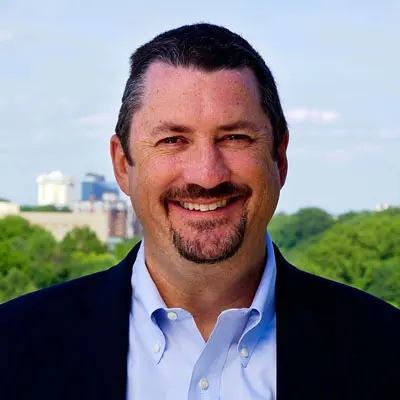
Chris Budnick
Executive Director
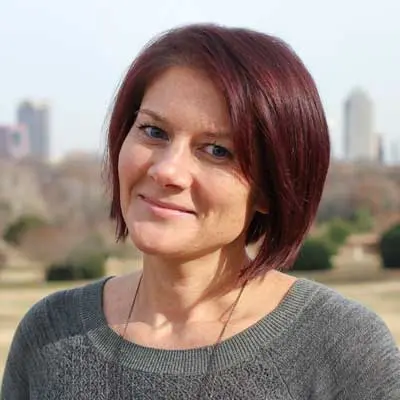
Amanda Blue
Director of Programs
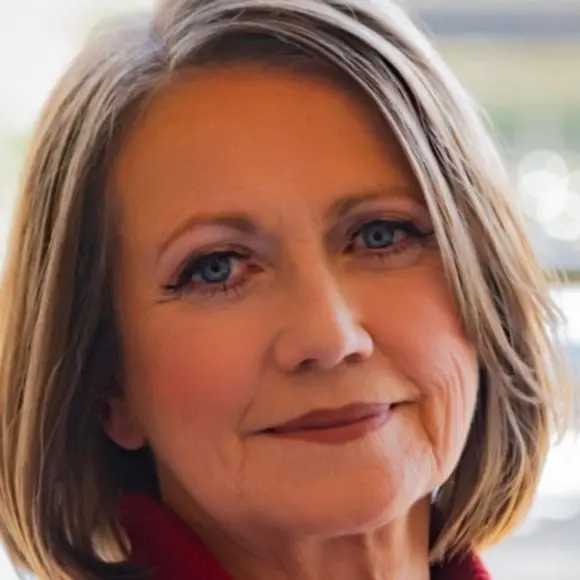
Deborah Foshee
Director of Operations
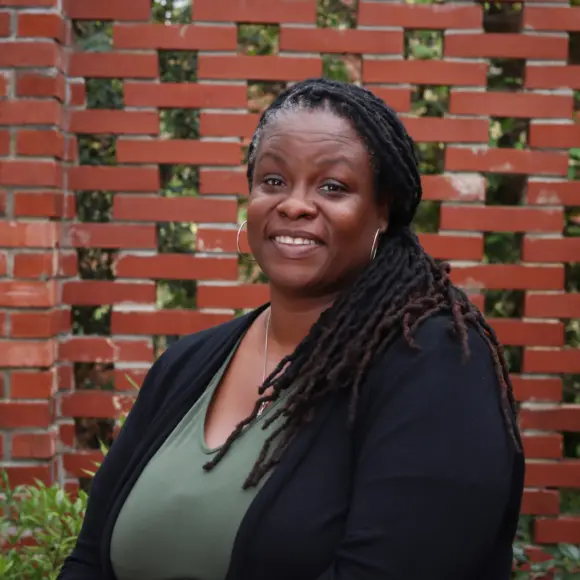
Tracy Freeman-Hines
Women’s Director of Recovery Services
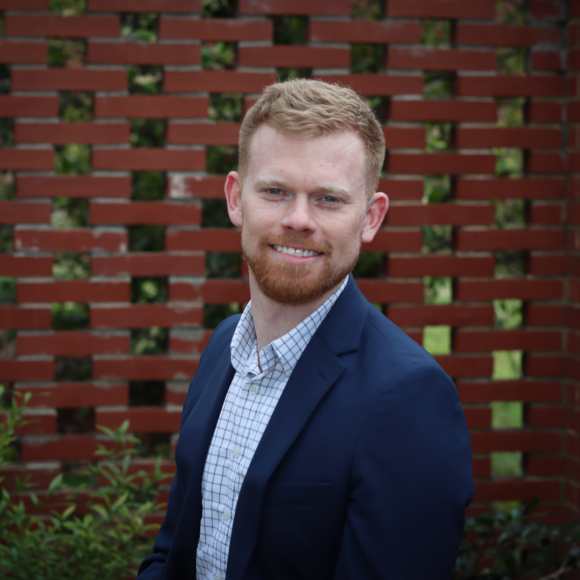
Justin Garrity
Men’s Director of Recovery Services
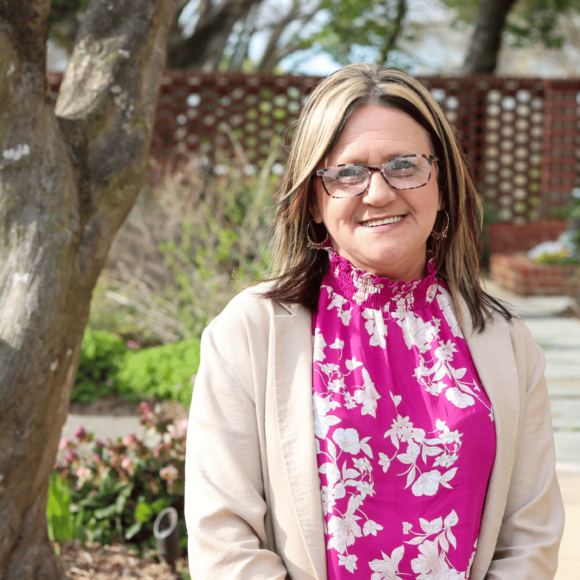
Dana Marseglia, CADC
Director of Detox Services

Mick Quinlan
Board Chair
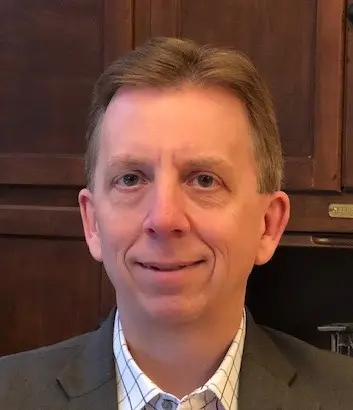
Eric Barber
Vice Chair
Rehab.com regularly reviews this listing for accuracy but changes may occur between updates. For the most up-to-date information, please contact Healing Transitions.
Contact Information

1251 Goode Street
Raleigh, NC 27603
Get Help Now - 984-266-0532
Sponsored Helpline
Sponsored Helpline



