Having to comment here makes sense. I was referred cuz I'm poor. No, not needing "rehab." I was treated as worthless scum under shoe. In despair, never returned and never will. I called. Now others must know, I can't be the only one. Making a record but recent ID theft..... ...
About HealthCore Clinic
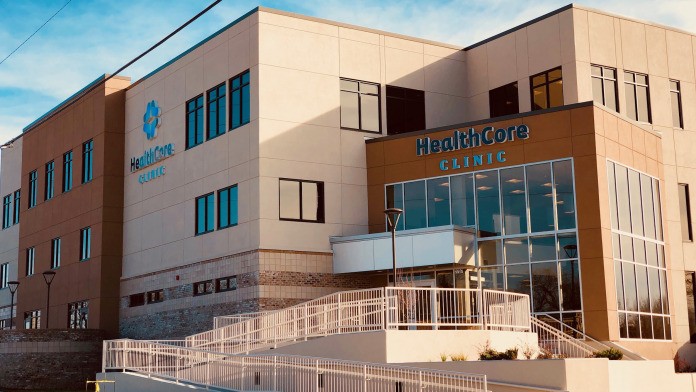
HealthCore Clinic is an integrated healthcare provider in Wichita, Kansas. They offer convenient behavioral health services including mental health support and substance use treatment. You can access primary care like HIV medicine, Hepatitis C screening & testing and wellness support as well. They also offer dental care, women’s wellness support like prenatal care.
The best thing about HealthCore Clinic is accessibility for underserved communities. The facility accepts KanCare / Medicaid, Medicare and private insurance. They offer sliding fee discounts to all income-eligible uninsured or underinsured patients.
Substance Use Recovery with Medication Support
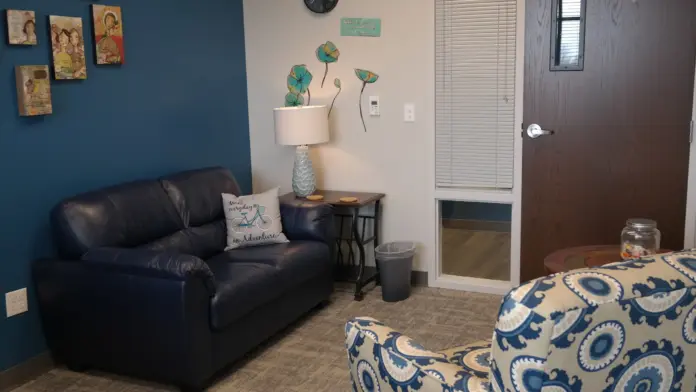
HealthCore Clinic offers culturally-appropriate substance use recovery in a comfortable and nonjudgmental outpatient environment. They begin with consultation and screening or evaluation to identify needs for care and create personalized care plans. You may also undergo HIV and Hepatitis C screening at this stage. This can be particularly helpful if you’re an IV drug user as it means you’ll be more susceptible to these infections. Screening ensures early detection and fast access to treatment to prevent community spread.
Their outpatient substance use recovery adopts group and individual therapy models. Therapy aims to equip you with practical tools to manage challenging life situations like trauma, anger and stress, and conflicting emotions that cause drug & alcohol dependence. You’ll learn to communicate better to make better decisions and build healthy relationships during sessions. The program also involves participation in open AA group meetings to engage with others going through the same thing and strengthen your support network.
Medication assisted treatment (MAT) can help your recovery from opioids. It involves using FDA approved meds to curb cravings and alleviate withdrawal symptoms. The technique incorporates counseling to take care of the psychological aspects. HealthCore Clinic also offers court-ordered programs including anger management classes and Alcohol & Drug Education Program (ADEP).
Recovery In Wichita
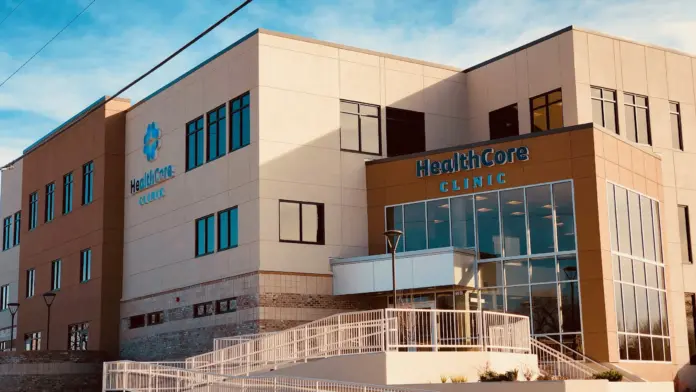
HealthCore Clinic is situated along East 21st Street North in northeast Wichita. It’s just a mile north of McAdams Park and 1.5 miles east of Wichita State University. Great Plains Nature Center and Chisholm Creek Park are additional landmarks nearby. The facility also serves patients from the nearby cities via the I-135. The Wichita Transit Bus Route 21 runs along East 21st Street North and links the facility to downtown.

Latest Reviews
Rehab Score
Gallery
Other Forms of Payment
Medicaid is a state based program that helps lower-income individuals and families pay for healthcare. Medicaid covers addiction treatment so those enrolled can use their coverage to pay for rehab. When a program accepts Medicaid the client often pays very little or nothing out of their own pocket.
Private insurance refers to any kind of healthcare coverage that isn't from the state or federal government. This includes individual and family plans offered by an employer or purchased from the Insurance Marketplace. Every plan will have different requirements and out of pocket costs so be sure to get the full details before you start treatment.
Self-pay involves paying for treatment out of your own pocket. You can use savings or credit, get a personal loan, or receive help from family and friends to fund your treatment. If you don't have insurance or your insurance plan doesn't cover a specific program, self-pay can help ensure you still get the care you need.
Sliding scale payments are based on a client's income and family size. The goal is to make treatment affordable to everyone. By taking these factors into account, addiction recovery care providers help ensure that your treatment does not become a financial burden to you or your family, eliminating one barrier to care.
Medicare is a federal program that provides health insurance for those 65 and older. It also serves people under 65 with chronic and disabling health challenges. To use Medicare for addiction treatment you need to find a program that accepts Medicare and is in network with your plan. Out of pocket costs and preauthorization requirements vary, so always check with your provider.
Military members, veterans, and eligible dependents have access to specific insurance programs that help them get the care they need. TRICARE and VA insurance can help you access low cost or no cost addiction and mental health treatment. Programs that accept military insurance often have targeted treatment focused on the unique challenges military members, veterans, and their families face.
Addiction Treatments
Levels of Care
Outpatient Programs (OP) are for those seeking mental rehab or drug rehab, but who also stay at home every night. The main difference between outpatient treatment (OP) and intensive outpatient treatment (IOP) lies in the amount of hours the patient spends at the facility. Most of the time an outpatient program is designed for someone who has completed an inpatient stay and is looking to continue their growth in recovery. Outpatient is not meant to be the starting point, it is commonly referred to as aftercare.
Clients in a rehab aftercare program typically have completed intensive inpatient treatment but may be receiving outpatient care. Many have concluded outpatient treatment as well and are in the maintenance phase of their recovery. Rehab aftercare services are designed to provide a full continuum of care as clients apply their recovery skills at home, in the workplace, and in the community. Clients typically receive peer coaching, career counseling, and 12 step recovery program induction, among other services.
Drug and alcohol addiction often takes a heavy toll on one's body. Over time, a physical dependence can develop, meaning the body physiologically needs the substance to function. Detox is the process of removing drugs and/or alcohol from the body, a process that can be lethal if mismanaged. Medical detox is done by licensed medical professionals who monitor vital signs and keep you safe, healthy, and as comfortable as possible as you go through detox and withdrawal.
Treatments
The goal of treatment for alcoholism is abstinence. Those with poor social support, poor motivation, or psychiatric disorders tend to relapse within a few years of treatment. For these people, success is measured by longer periods of abstinence, reduced use of alcohol, better health, and improved social functioning. Recovery and Maintenance are usually based on 12 step programs and AA meetings.
The length, intensity, setting, and treatment methods vary for each drug rehab in Kansas. Plans of care can be tailored to meet each person's own unique situation and needs. With the right program, individuals can successfully achieve long-term sobriety.
Opioid rehabs specialize in supporting those recovering from opioid addiction. They treat those suffering from addiction to illegal opioids like heroin, as well as prescription drugs like oxycodone. These centers typically combine both physical as well as mental and emotional support to help stop addiction. Physical support often includes medical detox and subsequent medical support (including medication), and mental support includes in-depth therapy to address the underlying causes of addiction.

Substance rehabs focus on helping individuals recover from substance abuse, including alcohol and drug addiction (both illegal and prescription drugs). They often include the opportunity to engage in both individual as well as group therapy.
Programs
Adult rehab programs include therapies tailored to each client's specific needs, goals, and recovery progress. They are tailored to the specific challenges adult clients may face, including family and work pressures and commitments. From inpatient and residential treatment to various levels of outpatient services, there are many options available. Some facilities also help adults work through co-occurring conditions, like anxiety, that can accompany addiction.
Young adulthood can be an exciting, yet difficult, time of transition. Individuals in their late teens to mid-20s face unique stressors related to school, jobs, families, and social circles, which can lead to a rise in substance use. Rehab centers with dedicated young adult programs will include activities and amenities that cater to this age group, with an emphasis on specialized counseling, peer socialization, and ongoing aftercare.
Clinical Services
The goal of trauma therapy is to address the lingering emotional and physical responses from witnessing or experiencing a traumatic event. Your therapist helps you develop strategies that manage your symptoms while processing the traumatic memories. This improves your overall well being and reduces your physical and emotional responses to triggers.
Staff
Fred Sobrino
Chief Human Resources Officer
Judy Davis
Chief Financial Officer
Davna Gould
Chief Marketing & Communications Officer
David Stowell
Chief Operations Officer
Contact Information
2707 East 21st Street North
Wichita, KS 67214