Tree House Recovery PDX
1
Top 10 Rehab Centers In Portland



















































































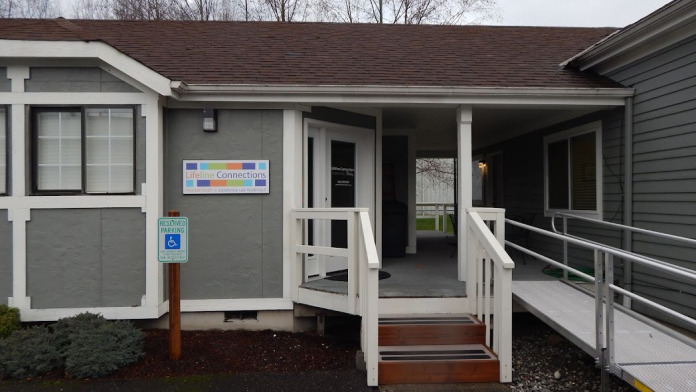
Lifeline Connections Mount Vernon office is a CARF accredited nonprofit behavioral health provider offering outpatient substance use disorder treatment and co-occurring mental health care in Skagit County, Washington.
The program provides flexible outpatient therapy and intensive outpatient programming with individual counseling, group sessions, peer support and medication assisted treatment. Lifeline Connections focuses on accessible community centered services with open access assessments and culturally responsive care designed to serve diverse recovery needs.
Lifeline Connections delivers outpatient substance use disorder treatment for adults managing addiction and co-occurring mental health conditions. The Mount Vernon location offers structured IOP along with flexible outpatient services using evidence based approaches such as individual therapy, group counseling, peer support services and medication assisted recovery options.
Treatment sessions emphasize strengthening coping skills, identifying underlying triggers and developing practical recovery strategies aligned with your goals. Many clients describe the environment as welcoming and supportive, noting that staff members are attentive, clear in their communication and committed to helping individuals stay engaged in care.
Services also include coordination with Therapeutic Specialty Courts, providing assessments, diversion programming and continued court advocacy for individuals involved in the justice system.
Lifeline Connections stands out as one of the few outpatient addiction programs in the nation with counselors who are Deaf and hard of hearing and fluent in American Sign Language. This specialized capability supports culturally responsive, accessible treatment for individuals in the Deaf community seeking help for substance use and mental health recovery. Care is structured to reduce communication barriers and promote full participation in therapy and support services.



 Our Methodology


Private insurance refers to any kind of healthcare coverage that isn't from the state or federal government. This includes individual and family plans offered by an employer or purchased from the Insurance Marketplace. Every plan will have different requirements and out of pocket costs so be sure to get the full details before you start treatment.
Self-pay involves paying for treatment out of your own pocket. You can use savings or credit, get a personal loan, or receive help from family and friends to fund your treatment. If you don't have insurance or your insurance plan doesn't cover a specific program, self-pay can help ensure you still get the care you need.
Outpatient Programs (OP) are for those seeking mental rehab or drug rehab, but who also stay at home every night. The main difference between outpatient treatment (OP) and intensive outpatient treatment (IOP) lies in the amount of hours the patient spends at the facility. Most of the time an outpatient program is designed for someone who has completed an inpatient stay and is looking to continue their growth in recovery. Outpatient is not meant to be the starting point, it is commonly referred to as aftercare.
A combined mental health and substance abuse rehab has the staff and resources available to handle individuals with both mental health and substance abuse issues. It can be challenging to determine where a specific symptom stems from (a mental health issue or an issue related to substance abuse), so mental health and substance abuse professionals are helpful in detangling symptoms and keeping treatment on track.
In individual therapy, a patient meets one-on-one with a trained psychologist or counselor. Therapy is a pivotal part of effective substance abuse treatment, as it often covers root causes of addiction, including challenges faced by the patient in their social, family, and work/school life.

President & CEO

CFO

COO

Chief Clinical Officer

VP of Quality Assurance & Corporate Compliance

The Commission on Accreditation of Rehabilitation Facilities (CARF) is a non-profit organization that specifically accredits rehab organizations. Founded in 1966, CARF's, mission is to help service providers like rehab facilities maintain high standards of care.
CARF Accreditation: Yes
Rehab.com regularly reviews this listing for accuracy but changes may occur between updates. For the most up-to-date information, please contact Lifeline Connections – Mount Vernon Office.

2105 Continental Pl.
Ste. A
Mount Vernon, WA 98273
Sponsored Helpline


IOP is great and goes by quick

A company that actually helps people.
 Back
Back
Sharing your insights and experiences can help others learn more about this rehab center.