










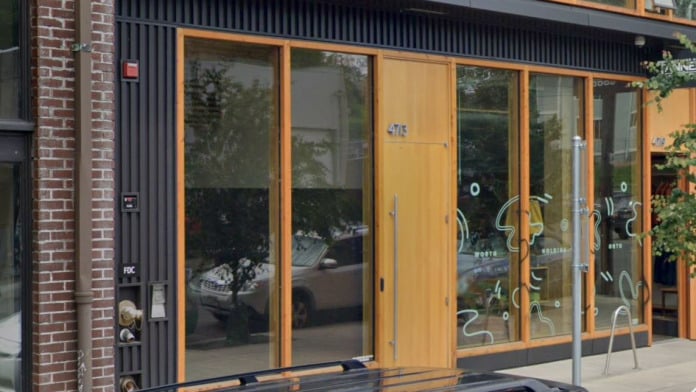
Tree House Recovery PDX
1
Top 10 Rehab Centers In Portland



















































































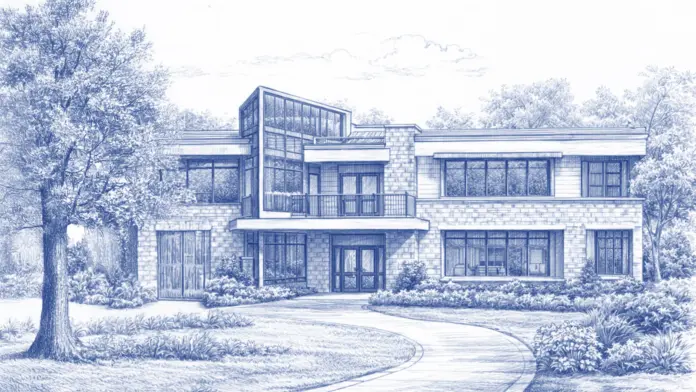
The Stillaguamish Tribe of Indians Alcohol and Drug Treatment is housed as a part of the healing center in Arlington, Washington. This tribal health center offers outpatient treatment, mental health counseling and medication assisted treatment.
Using a holistic healing approach, the clinical team helps individuals achieve physical and mental wellness. These programs are open to Stillaguamish tribal members and other Native American and Alaska Native individuals.
On this campus, you’ll find medical, behavioral and nutritional wellness support. Addiction treatment includes an assessment, group therapy and individual counseling sessions. While in treatment, you and your therapist address a range of issues from relapse prevention to spiritual health support.
Participants in the substance abuse treatment program learn how to live a sober life and have healthier coping skills. Medications like methadone and suboxone are used to help individuals become sober from opioids.
The Stillaguamish Tribe’s healing center is located near Twin Rivers Park. There are scenic and peaceful green spaces and walking trails next to the Stillaguamish River. All treatment programs include Native traditions and experiences in their treatment planning.



 Our Methodology


Self-pay involves paying for treatment out of your own pocket. You can use savings or credit, get a personal loan, or receive help from family and friends to fund your treatment. If you don't have insurance or your insurance plan doesn't cover a specific program, self-pay can help ensure you still get the care you need.
Medicaid is a state based program that helps lower-income individuals and families pay for healthcare. Medicaid covers addiction treatment so those enrolled can use their coverage to pay for rehab. When a program accepts Medicaid the client often pays very little or nothing out of their own pocket.
Residential treatment programs are those that offer housing and meals in addition to substance abuse treatment. Rehab facilities that offer residential treatment allow patients to focus solely on recovery, in an environment totally separate from their lives. Some rehab centers specialize in short-term residential treatment (a few days to a week or two), while others solely provide treatment on a long-term basis (several weeks to months). Some offer both, and tailor treatment to the patient's individual requirements.
The goal of treatment for alcoholism is abstinence. Those with poor social support, poor motivation, or psychiatric disorders tend to relapse within a few years of treatment. For these people, success is measured by longer periods of abstinence, reduced use of alcohol, better health, and improved social functioning. Recovery and Maintenance are usually based on 12 step programs and AA meetings.
Effective drug rehab in Washington integrates care for the whole person, offering comprehensive solutions to addiction. Treatment methods address mental, physical, and relational aspects of substance abuse.
Opioid rehabs specialize in supporting those recovering from opioid addiction. They treat those suffering from addiction to illegal opioids like heroin, as well as prescription drugs like oxycodone. These centers typically combine both physical as well as mental and emotional support to help stop addiction. Physical support often includes medical detox and subsequent medical support (including medication), and mental support includes in-depth therapy to address the underlying causes of addiction.
Substance rehabs focus on helping individuals recover from substance abuse, including alcohol and drug addiction (both illegal and prescription drugs). They often include the opportunity to engage in both individual as well as group therapy.
Adult rehab programs include therapies tailored to each client's specific needs, goals, and recovery progress. They are tailored to the specific challenges adult clients may face, including family and work pressures and commitments. From inpatient and residential treatment to various levels of outpatient services, there are many options available. Some facilities also help adults work through co-occurring conditions, like anxiety, that can accompany addiction.
Young adulthood can be an exciting, yet difficult, time of transition. Individuals in their late teens to mid-20s face unique stressors related to school, jobs, families, and social circles, which can lead to a rise in substance use. Rehab centers with dedicated young adult programs will include activities and amenities that cater to this age group, with an emphasis on specialized counseling, peer socialization, and ongoing aftercare.
Group therapy is any therapeutic work that happens in a group (not one-on-one). There are a number of different group therapy modalities, including support groups, experiential therapy, psycho-education, and more. Group therapy involves treatment as well as processing interaction between group members.
In individual therapy, a patient meets one-on-one with a trained psychologist or counselor. Therapy is a pivotal part of effective substance abuse treatment, as it often covers root causes of addiction, including challenges faced by the patient in their social, family, and work/school life.
Rehab.com regularly reviews this listing for accuracy but changes may occur between updates. For the most up-to-date information, please contact Stillaguamish Tribe of Indians Alcohol and Drug Treatment.

5700 172nd street Ne
Arlington, WA 98223
Sponsored Helpline

Can't find a phone number that works, the one listed just hangs up


Atrocious experience with Mental Health counselors. Previous one with Brett monthly sessions were cancelled few hours before meeting and created a situation where I am without counseling for 2 months straight. Melissa the new manager is unprofessional performing drastic changes such as a transfer without as much professional decency as a phone call. Ensuring me a counselor is available but then turns out when I speak with the counselor after the transfer which had to be 1 of the other instead of a gradual transition due to their operating processes, I am now so frustrated and have lost confidence in the new manager. I really liked working with Maria, she’s very helpful. I also am still waiting for them to review their emails in order for them to provide me with proper treatment. Current staff and structure in mental health is so awful I’m surprised they function.

 Back
Back
Sharing your insights and experiences can help others learn more about this rehab center.

 Written By: Kelly Junco
CPC, CPRC, BA, BS Certified Professional Coach, Certified Professional Recovery Coach, Author
Written By: Kelly Junco
CPC, CPRC, BA, BS Certified Professional Coach, Certified Professional Recovery Coach, Author


