






























































































Unprofessional from the scheduling to the counseling, and even the billing. The woman handling scheduling sent me a nasty email due to a mistake on her behalf believing I had been a prior patient. Counselor was more concerned with my lack of attendance at church than the sur ...
About Madison Avenue Psychological Services
Madison Avenue Psychological Services is a mental health facility located in Kansas City, Missouri. They treat people of all ages for substance use disorder (SUD). They also treat people who struggle with dual diagnosis, who have a mental health condition and SUD at the same time.
They take private insurance and self-pay. They also take flexible spending accounts and health savings accounts.
The company was founded in 1981. The founders believe that when people make decisions, they follow mental maps that are based on their perceived options. When a person chooses one option over another, they are doing so based on their own mental MAPS.
Physical and Mental Health Evaluation
Before you begin therapy, you will have an evaluation to determine the severity of your substance use disorder, any medical conditions that you might have, and any psychological conditions that you may suffer from. If you require inpatient care, you will be referred to a different facility. If you need outpatient services, they will assign you to the best provider they have for you.
Diverse Therapy
Clients are offered group and individual therapy. You may have family sessions if your therapist thinks it is necessary.
I was impressed to see all the different mental health circumstances the providers here treat. In addition to treating mental health conditions, they are trained to treat people who live alternative lifestyles. They have therapy for people at different stages of life, as well as gender and age-specific group therapy. Some providers will even guide you in meditation.
I was happy to see they have multiple locations around the Kansas City area. You should be able to find a convenient place to receive treatment.
Latest Reviews
I have enjoyed the services through my EAP. It was a little difficult getting scheduled because I didn't know to leave my name, DOB, referred through EAP, and reason for appointment to get a call back.
Response from the owner2 weeks ago
Thank you for sharing this feedback. We are committed to providing thoughtful and compassionate care, and we truly appreciate you taking the time to leave a review.
I’ve had a great experience over the last four years at Madison Ave. with two different therapist, both with Adult and Children. We continue to be proactive in our lives and visit 2 different therapist regularly.
Response from the owner2 weeks ago
Thank you for sharing this feedback. We are committed to providing thoughtful and compassionate care, and we truly appreciate you taking the time to leave a review
Saved me. Has been there for me anytime i have needed. Has even called me back in the evening to talk or make an appointment.

Rehab Score
 Our Methodology
Scoring is assigned by a proprietary system which helps surface key metrics that determine quality. The 10-point scale factors in categories such as operations, customer satisfaction, and trust metrics. Read Full Methodology

4.7 / 10
Gallery
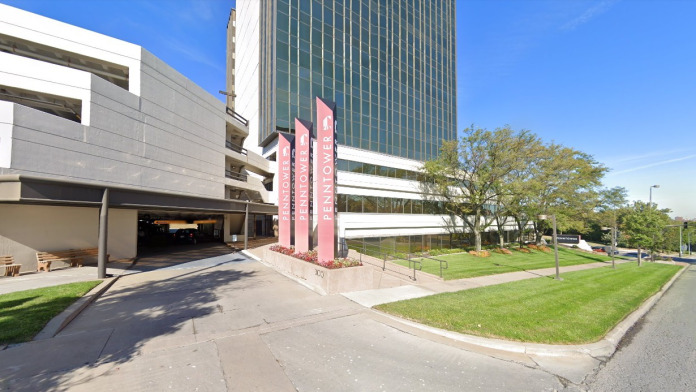
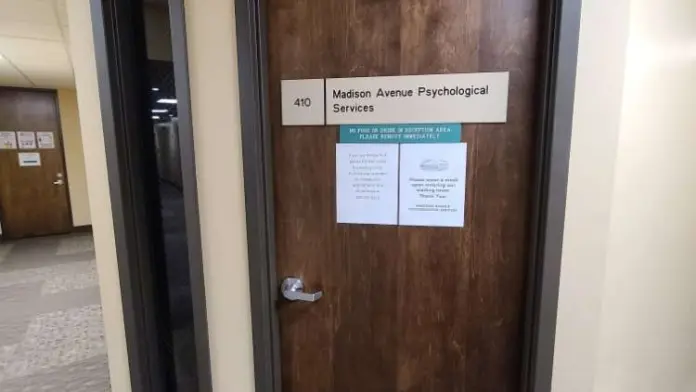
Other Forms of Payment
Self-pay involves paying for treatment out of your own pocket. You can use savings or credit, get a personal loan, or receive help from family and friends to fund your treatment. If you don't have insurance or your insurance plan doesn't cover a specific program, self-pay can help ensure you still get the care you need.
Addiction Treatments
Levels of Care
Outpatient Programs (OP) are for those seeking mental rehab or drug rehab, but who also stay at home every night. The main difference between outpatient treatment (OP) and intensive outpatient treatment (IOP) lies in the amount of hours the patient spends at the facility. Most of the time an outpatient program is designed for someone who has completed an inpatient stay and is looking to continue their growth in recovery. Outpatient is not meant to be the starting point, it is commonly referred to as aftercare.
Completing a drug or alcohol rehab program shouldn't spell the end of substance abuse treatment. Aftercare involves making a sustainable plan for recovery, including ongoing support. This can include sober living arrangements like halfway houses, career counseling, and setting a patient up with community programs like Alcoholics Anonymous (AA) or Narcotics Anonymous (NA).
Treatments
The goal of treatment for alcoholism is abstinence. Those with poor social support, poor motivation, or psychiatric disorders tend to relapse within a few years of treatment. For these people, success is measured by longer periods of abstinence, reduced use of alcohol, better health, and improved social functioning. Recovery and Maintenance are usually based on 12 step programs and AA meetings.
Drug rehab in Missouri usually involves several phases: detox, rehab, and aftercare. The rehab phase may include a combination of inpatient and outpatient treatments, as the individual moves through a continuum of care on their recovery journey.
A combined mental health and substance abuse rehab has the staff and resources available to handle individuals with both mental health and substance abuse issues. It can be challenging to determine where a specific symptom stems from (a mental health issue or an issue related to substance abuse), so mental health and substance abuse professionals are helpful in detangling symptoms and keeping treatment on track.
Opioid rehabs specialize in supporting those recovering from opioid addiction. They treat those suffering from addiction to illegal opioids like heroin, as well as prescription drugs like oxycodone. These centers typically combine both physical as well as mental and emotional support to help stop addiction. Physical support often includes medical detox and subsequent medical support (including medication), and mental support includes in-depth therapy to address the underlying causes of addiction.
Programs
Adult rehab programs include therapies tailored to each client's specific needs, goals, and recovery progress. They are tailored to the specific challenges adult clients may face, including family and work pressures and commitments. From inpatient and residential treatment to various levels of outpatient services, there are many options available. Some facilities also help adults work through co-occurring conditions, like anxiety, that can accompany addiction.
Young adulthood can be an exciting, yet difficult, time of transition. Individuals in their late teens to mid-20s face unique stressors related to school, jobs, families, and social circles, which can lead to a rise in substance use. Rehab centers with dedicated young adult programs will include activities and amenities that cater to this age group, with an emphasis on specialized counseling, peer socialization, and ongoing aftercare.
Clinical Services
Group therapy is any therapeutic work that happens in a group (not one-on-one). There are a number of different group therapy modalities, including support groups, experiential therapy, psycho-education, and more. Group therapy involves treatment as well as processing interaction between group members.
In individual therapy, a patient meets one-on-one with a trained psychologist or counselor. Therapy is a pivotal part of effective substance abuse treatment, as it often covers root causes of addiction, including challenges faced by the patient in their social, family, and work/school life.
Trauma therapy addresses traumatic incidents from a client's past that are likely affecting their present-day experience. Trauma is often one of the primary triggers and potential causes of addiction, and can stem from child sexual abuse, domestic violence, having a parent with a mental illness, losing one or both parents at a young age, teenage or adult sexual assault, or any number of other factors. The purpose of trauma therapy is to allow a patient to process trauma and move through and past it, with the help of trained and compassionate mental health professionals.
Couples therapy in Missouri deals with the problems each partner has within themselves and with each other. Sessions may be held jointly and others individually to address these issues and help each partner learn how to manage challenges in healthy ways.
Research clearly demonstrates that recovery is far more successful and sustainable when loved ones like family members participate in rehab and substance abuse treatment. Genetic factors may be at play when it comes to drug and alcohol addiction, as well as mental health issues. Family dynamics often play a critical role in addiction triggers, and if properly educated, family members can be a strong source of support when it comes to rehabilitation.
Recreational therapy helps you overcome addiction by engaging in activities that promote physical fitness and mental health. These activities can include team sports, art, and outdoor adventures, Each of which helps reduce your stress level, improves mood, and develops new hobbies. These are crucial to support your long term journey to sobriety.
Rehab.com regularly reviews this listing for accuracy but changes may occur between updates. For the most up-to-date information, please contact Madison Avenue Psychological Services.
Contact Information

3100 Broadway Blvd
Kansas City, MO 64111
Get Help Now - 816-892-9904
Sponsored Helpline
Sponsored Helpline



