











Symetria — Hurst Outpatient Rehab & Suboxone Clinic
1
Top 10 Rehab Centers In Hurst




















































































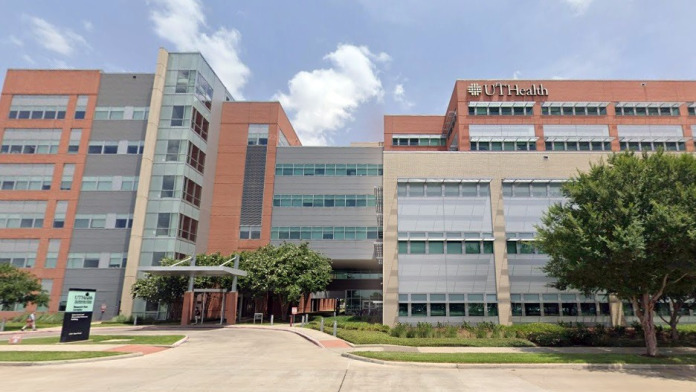
Matagorda Regional Medical Center in Bay City, Texas is located on 7th Street in a large medical complex. They provide general hospital services and treatment options, including emergency care and referral services for individuals with substance use disorder (SUD).
Their facility is located in a rural, agricultural community with access to hotels, restaurants and area landmarks. It is within close proximity to Le Tulle Park, Riverside Park and the Bay City Regional Airport. They provide emergency care to those facing a mental health and/or substance abuse disorder crisis, with referral services to additional levels of care.
If you require immediate care to treat and manage a mental health or addiction crisis, you may be admitted into their emergency department for stabilization services. They will provide you with treatment to help manage your withdrawal symptoms for addiction. They may also assist you with medication to stabilize any critical mental health issues you may be experiencing concurrently.
Prior to your discharge, they will work with you on providing referrals to seek additional care, support and treatment to address your conditions. It is encouraging to know that they may include referrals to an inpatient program, outpatient services that may offer medication management, therapy, counseling and education programs, or intensive outpatient (IOP) programs that may offer more structured care to address your conditions.
I like that they will also work with you on connecting you to other community-based resources. These may include housing services such as transitional housing, long-term residential treatment programs and sober living housing. They will also provide access to job placement programs and vocational training programs.

 Our Methodology


Private insurance refers to any kind of healthcare coverage that isn't from the state or federal government. This includes individual and family plans offered by an employer or purchased from the Insurance Marketplace. Every plan will have different requirements and out of pocket costs so be sure to get the full details before you start treatment.
Self-pay involves paying for treatment out of your own pocket. You can use savings or credit, get a personal loan, or receive help from family and friends to fund your treatment. If you don't have insurance or your insurance plan doesn't cover a specific program, self-pay can help ensure you still get the care you need.
Medicare is a federal program that provides health insurance for those 65 and older. It also serves people under 65 with chronic and disabling health challenges. To use Medicare for addiction treatment you need to find a program that accepts Medicare and is in network with your plan. Out of pocket costs and preauthorization requirements vary, so always check with your provider.
Military members, veterans, and eligible dependents have access to specific insurance programs that help them get the care they need. TRICARE and VA insurance can help you access low cost or no cost addiction and mental health treatment. Programs that accept military insurance often have targeted treatment focused on the unique challenges military members, veterans, and their families face.
Medicaid is a state based program that helps lower-income individuals and families pay for healthcare. Medicaid covers addiction treatment so those enrolled can use their coverage to pay for rehab. When a program accepts Medicaid the client often pays very little or nothing out of their own pocket.
Residential treatment programs are those that offer housing and meals in addition to substance abuse treatment. Rehab facilities that offer residential treatment allow patients to focus solely on recovery, in an environment totally separate from their lives. Some rehab centers specialize in short-term residential treatment (a few days to a week or two), while others solely provide treatment on a long-term basis (several weeks to months). Some offer both, and tailor treatment to the patient's individual requirements.
Mental health rehabs focus on helping individuals recover from mental illnesses like bipolar disorder, clinical depression, anxiety disorders, schizophrenia, and more. Mental health professionals at these facilities are trained to understand and treat mental health issues, both in individual and group settings.
Cognitive Behavioral Therapy (CBT) is a therapy modality that focuses on the relationship between one's thoughts, feelings, and behaviors. It is used to establish and allow for healthy responses to thoughts and feelings (instead of unhealthy responses, like using drugs or alcohol). CBT has been proven effective for recovering addicts of all kinds, and is used to strengthen a patient's own self-awareness and ability to self-regulate. CBT allows individuals to monitor their own emotional state, become more adept at communicating with others, and manage stress without needing to engage in substance abuse.
Whether a marriage or other committed relationship, an intimate partnership is one of the most important aspects of a person's life. Drug and alcohol addiction affects both members of a couple in deep and meaningful ways, as does rehab and recovery. Couples therapy and other couples-focused treatment programs are significant parts of exploring triggers of addiction, as well as learning how to build healthy patterns to support ongoing sobriety.
Experiential therapy is a form of therapy in which clients are encouraged to surface and work through subconscious issues by engaging in real-time experiences. Experiential therapy departs from traditional talk therapy by involving the body, and having clients engage in activities, movements, and physical and emotional expression. This can involve role-play or using props (which can include other people). Experiential therapy can help people process trauma, memories, and emotion quickly, deeply, and in a lasting fashion, leading to substantial and impactful healing.
Research clearly demonstrates that recovery is far more successful and sustainable when loved ones like family members participate in rehab and substance abuse treatment. Genetic factors may be at play when it comes to drug and alcohol addiction, as well as mental health issues. Family dynamics often play a critical role in addiction triggers, and if properly educated, family members can be a strong source of support when it comes to rehabilitation.
Group therapy is any therapeutic work that happens in a group (not one-on-one). There are a number of different group therapy modalities, including support groups, experiential therapy, psycho-education, and more. Group therapy involves treatment as well as processing interaction between group members.
In individual therapy, a patient meets one-on-one with a trained psychologist or counselor. Therapy is a pivotal part of effective substance abuse treatment, as it often covers root causes of addiction, including challenges faced by the patient in their social, family, and work/school life.
Nutrition therapy, aka medical nutrition therapy (MNT), is a way of treating physical, emotional, and medical conditions through diet. Specific dietary plans are designed by professional nutritionists or registered dietitians, and patients follow them in order to positively affect their physical and mental health.
CEO

CFO

Compliance Officer
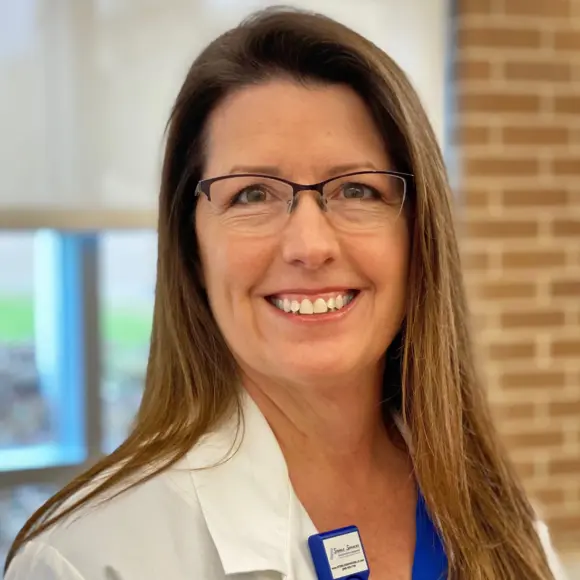
CNO

Executive Director, MRMC Foundation & Community Outreach

Director of Ancillary Services
Rehab.com regularly reviews this listing for accuracy but changes may occur between updates. For the most up-to-date information, please contact Matagorda Regional Medical Center.

104 7th St
Bay City, TX 77414
Sponsored Helpline

Overcharged, an X Ray, a knee brace,and wait for it.........1 ibuprofen.....keep waiting...a lidocaine patch...!!!!!!! $ 6800.00 plus $ 115.00 co pay. Stuck it to me!!!! Wow, Thank you MATAGORDA REGIONAL. I GIVE A REVIEW OF ZERO.

Worst hospital i have ever been too. They make you feel like you should not be there. They show no empathy to your problems, I really felt like I was just a number to them not a person

I have been a nurse 34 years, and I have never worked for, been to this hospital, or told them I was a nurse. My husband went to the ER, got admitted, and had a procedure. We had the BEST care here. The hospital was very clean, ALL the staff was very very attentive, knowledgeable, and so kind. Everything was explained to him in a timely manner. Thank you MRMC for making a difficult time easier!!

I am writing this review to share my ongoing concerns about the level of care and urgency demonstrated at this hospital. My first experience occurred approximately four years ago when I brought my daughter in while she was actively having a seizure and was unresponsive. Instead of being taken back immediately for emergency care, I was met with excessive and unnecessary questioning at the front desk, which delayed critical attention during a life-threatening situation. Unfortunately, I experienced similar issues again today. I brought my daughter in due to a severe nosebleed involving a significant amount of blood. Although the bleeding eventually slowed, the situation was still urgent and concerning. Once again, the intake process was disorganized, and there appeared to be a lack of urgency and preparedness from staff. Due to the lack of timely care and urgency, I ultimately felt I had no choice but to leave and seek medical attention elsewhere. I had to take my child and drive approximately an hour to another hospital to ensure she received the care she needed. No parent should ever feel forced to leave a medical facility during a potentially serious situation in order to be taken seriously. In addition, I have noticed on multiple visits—both for my daughter and other family members—that wait times are consistently excessive, even in situations that appear to require prompt medical attention. There have been instances where other patients were taken ahead without clear explanation, which raises concerns about how patients are being prioritized. These repeated experiences have led me to question the hospital’s triage process, staff training, and overall commitment to patient care and safety. Situations involving children and medical emergencies should be handled with immediate urgency, clear communication, and professionalism. I hope this review encourages the hospital to reevaluate its procedures and ensure that patients—especially those in urgent need—receive the timely and appropriate care they deserve.
 Back
Back
Sharing your insights and experiences can help others learn more about this rehab center.

 Written By: Camille Sylvain


