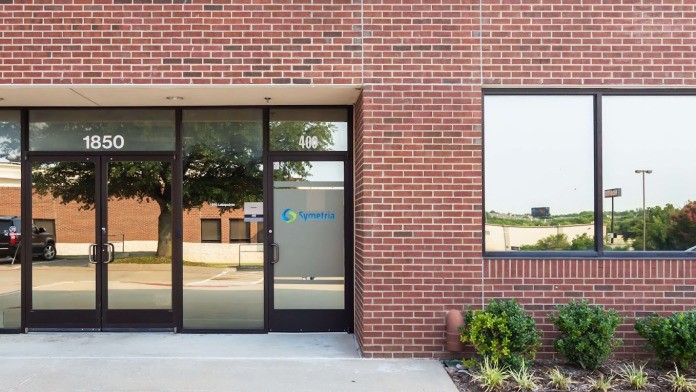
Symetria — Hurst Outpatient Rehab & Suboxone Clinic
1
Top 10 Rehab Centers In Hurst



















































































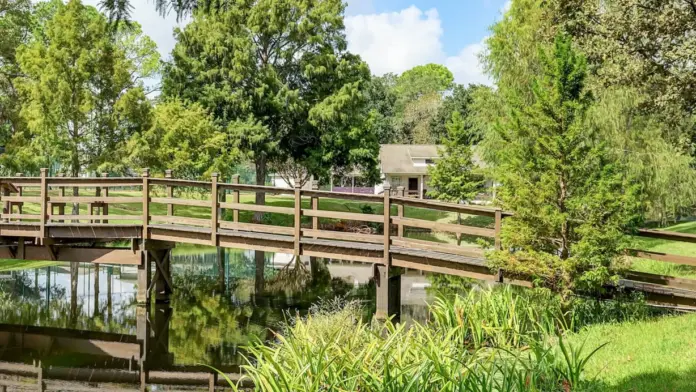
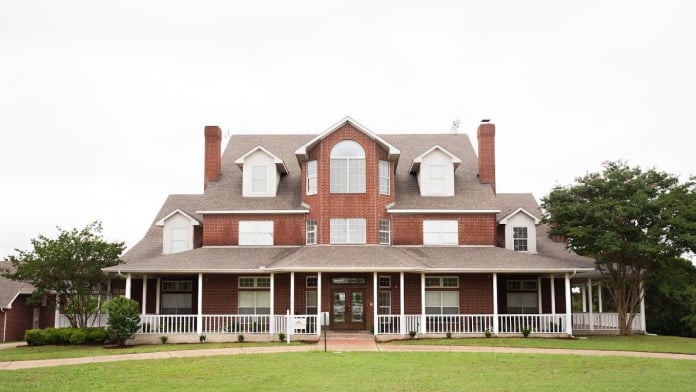
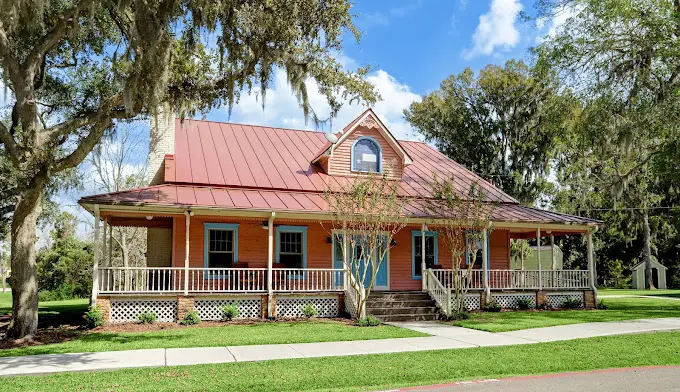
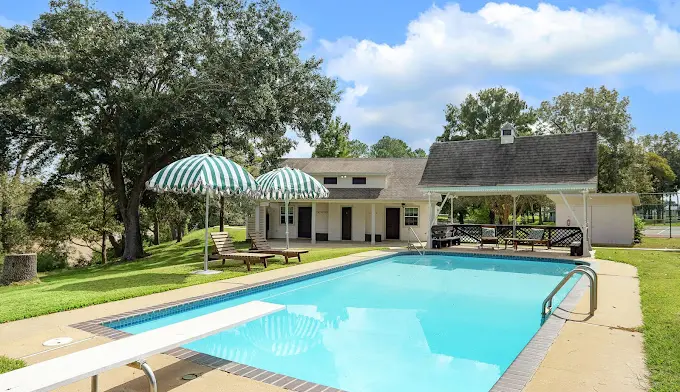
Orchard on the Brazos is a rehab center in Wallis, Texas,
A full time physician works on site along with a board certified psychiatrist for the residents.
The 132 acre campus on the Brazos River admits adults over 18 who come voluntarily.
Each resident has a private bedroom and the facility allow them to keep their phones and laptops through treatment.
This allows them to manage work and family obligations while their recovery stays the primary focus.
The campus runs a short-term medical detox with doctors and nurses on hand around the clock.
Residential treatment continues that coverage in a structured setting, and residents attend individual and group therapy and work on understanding what drives the addiction.
Each resident’s plan also covers a co occurring condition such as post traumatic stress disorder, anxiety or depression.
The Orchard sets an all inclusive price before treatment starts and it works with insurance.
The campus holds a Texas license and Joint Commission accreditation.
 15
15 
 Our Methodology





Private insurance refers to any kind of healthcare coverage that isn't from the state or federal government. This includes individual and family plans offered by an employer or purchased from the Insurance Marketplace. Every plan will have different requirements and out of pocket costs so be sure to get the full details before you start treatment.
Self-pay involves paying for treatment out of your own pocket. You can use savings or credit, get a personal loan, or receive help from family and friends to fund your treatment. If you don't have insurance or your insurance plan doesn't cover a specific program, self-pay can help ensure you still get the care you need.
Residential treatment programs are those that offer housing and meals in addition to substance abuse treatment. Rehab facilities that offer residential treatment allow patients to focus solely on recovery, in an environment totally separate from their lives. Some rehab centers specialize in short-term residential treatment (a few days to a week or two), while others solely provide treatment on a long-term basis (several weeks to months). Some offer both, and tailor treatment to the patient's individual requirements.
Intensive outpatient programs offer high-level care for clients as an increased risk of relapse, including those in early recovery, those with a strong history of relapse, and those experiencing a crisis. Intensive outpatient treatment typically requires clients to engage in nine to 20 hours of care weekly, with treatment modalities that combine psychotherapy and recovery education, and holistic therapies, such as acupuncture and animal therapy. Medication assisted treatment (MAT) is also common in alcohol and/or opioid recovery.
Rehab aftercare programs are based on a model of continuing care and the premise that recovery is a life-long process requiring ongoing client support. Many rehab aftercare services include outpatient care, but clients often continue to receive support after being discharged from formal treatment. Case managers and care teams typically collaborate with clients to design their long-term care plan, which may include peer coaching, career counseling, and 12 step program induction, among other services.
12-step programs are addiction recovery models based on Alcoholics Anonymous (AA). A number of substance abuse programs (including some drug and alcohol rehab centers) use the 12 steps as a basis for treatment. Beginning steps involve admitting powerlessness over the addiction and creating a spiritual basis for recovery. Middle steps including making direct amends to those who've been hurt by the addiction, and the final step is to assist others in addiction recovery in the same way. 12-Step offshoots including Narcotics Anonymous (NA), Cocaine Anonymous (CA), Dual Recovery Anonymous (DRA), Sex and Love Addicts Anonymous (SLAA) and Gamblers Anonymous (GA).
Residents of a sober living home in Texas reside at the halfway house with others who have agreed to abstain from substances and practice sober-living skills. The relationships and accountability formed here can help individuals strengthen their mental health and achieve long-term recovery. Residents share common spaces such as kitchens and back yards, share meals together, and share household responsibilities such as cooking and cleaning.
Ridding the body of harmful, addictive substances, also known as detoxification, is usually the first phase of recovery. Those going through medically assisted detox can be administered medications by a team of medical professionals who are on-site 24/7 to provide different types of therapies that help mitigate withdrawal symptoms.
Commonly known as "day treatment," a partial hospitalization program (PHP) offers intensive addiction treatment while allowing you to return home each day. It can serve as an alternative to inpatient hospitalization or as a step-down option. Depending on your needs, PHP treatment typically averages 90 days with a weekly requirement of 6-8 hours a day. PHP treatment offers a variety of therapeutic interventions such as individual counseling, group therapy, and psychoeducation. Oftentimes PHP treatment can be fully covered by insurance.
A combined mental health and substance abuse rehab has the staff and resources available to handle individuals with both mental health and substance abuse issues. It can be challenging to determine where a specific symptom stems from (a mental health issue or an issue related to substance abuse), so mental health and substance abuse professionals are helpful in detangling symptoms and keeping treatment on track.
Adult rehab programs include therapies tailored to each client's specific needs, goals, and recovery progress. They are tailored to the specific challenges adult clients may face, including family and work pressures and commitments. From inpatient and residential treatment to various levels of outpatient services, there are many options available. Some facilities also help adults work through co-occurring conditions, like anxiety, that can accompany addiction.
Young adulthood can be an exciting, yet difficult, time of transition. Individuals in their late teens to mid-20s face unique stressors related to school, jobs, families, and social circles, which can lead to a rise in substance use. Rehab centers with dedicated young adult programs will include activities and amenities that cater to this age group, with an emphasis on specialized counseling, peer socialization, and ongoing aftercare.
Recovery is most successful when clients feel accepted and validated by their peers and treatment providers. Facilities that offer LGBTQ-inclusive programming are committed to creating a safe space where everyone can grow and recover without fear of judgment or discrimination. They will have dedicated policies in place to create a safe and supportive environment that fosters free expression.
Men face specific challenges and concerns when seeking addiction treatment. Gender-specific recovery programs help them tackle these issues head-on in an environment that's focused, targeted, and distraction-free. It also gives them the opportunity to connect with and learn from other men who have been through a similar journey and can offer support for the next step.
The goal of cognitive behavioral therapy (CBT) in Texas is to change thought patterns, which leads to changes in behavior. Specific techniques during CBT can include self talk, SMART goals, journaling, and positive activities.
Treatment that takes a dialectical behavior therapy approach focuses on four strategies. Distress tolerance will help you accept and tolerate intense emotions. Emotional regulation will teach you to manage those emotions. Mindfulness will keep you in the present moment instead of regret or worry. Interpersonal effectiveness will teach you to manage your relationships.
Group therapy is any therapeutic work that happens in a group (not one-on-one). There are a number of different group therapy modalities, including support groups, experiential therapy, psycho-education, and more. Group therapy involves treatment as well as processing interaction between group members.
In individual therapy, a patient meets one-on-one with a trained psychologist or counselor. Therapy is a pivotal part of effective substance abuse treatment, as it often covers root causes of addiction, including challenges faced by the patient in their social, family, and work/school life.
Therapy sessions that incorporate motivational interviewing focus on OARS: open questions, affirmation, reflections, and summarizing. This facilitates an exchange of information and an empowering of the client to decide for themselves what changes might need to be made in their lives.
Together with an experienced trauma therapist, you work on healing emotional wounds from traumatic experiences within a trauma therapy environment. Your therapist will help you process the experience of the trauma, which promotes emotional healing and improves your overall mental health.
Couples therapy helps couples learn to control emotions, trust each other, and communicate more effectively. It can be useful for short term intervention for a specific issue or for working on the relationship long term.
Research clearly demonstrates that recovery is far more successful and sustainable when loved ones like family members participate in rehab and substance abuse treatment. Genetic factors may be at play when it comes to drug and alcohol addiction, as well as mental health issues. Family dynamics often play a critical role in addiction triggers, and if properly educated, family members can be a strong source of support when it comes to rehabilitation.
The right life skills training will help you build the skills you need for recovery. You'll learn how to solve problems, improve your social life, enhance your mental health, and make good decisions. This is a key component of drug rehab programs in Texas.
What you eat has a significant effect on your mental and physical health. That's why many addiction recovery programs in Texas incorporate nutrition therapy in their treatment. This therapy teaches you how addiction affects nutrition, what foods are best to eat during recovery, and how to shop for and prepare healthy meals.
Addiction recovery treatment in Texas will offer recreational therapy in a holistic approach to treatment. Therapy incorporates enjoyable activities that support your physical and mental health, such as team sports, creative arts, or individual sports. This activity gives you an emotional outlet, reduces your stress, and improves your mood, each of which promotes long term sobriety.
Creative arts therapy focuses on creative processes. You may engage in sculpting, dancing, improv, painting, or sketching. These creative outlets provide an opportunity to explore and express difficult emotions.
Experiential therapy in Texas can look different for each person. You may engage in fitness activities, community service, culinary arts, or art therapy, for example. The goal is to provide a safe setting where you can interact with your environment and work through emotions and experiences with the help of that activity and the guidance of a therapist.
 Gym
Gym  Yoga Studio
  Wifi
Wifi  Residential Setting
  Private Rooms
  Hiking
  Gardens
  Walking Trails
Founder & CEO

Co-Founder
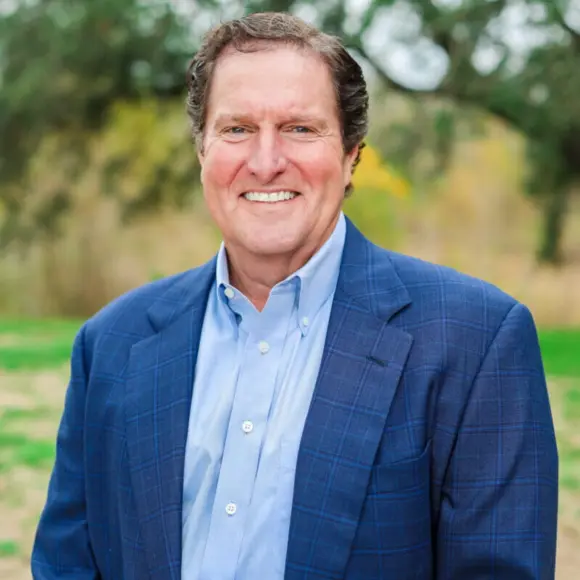
Medical Director
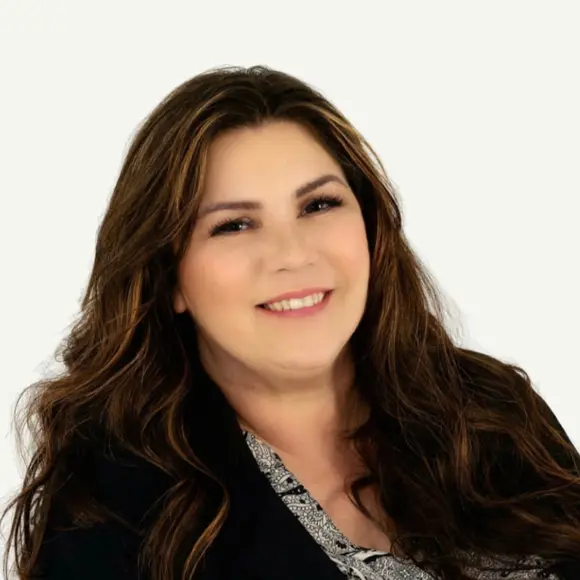
Clinical Director
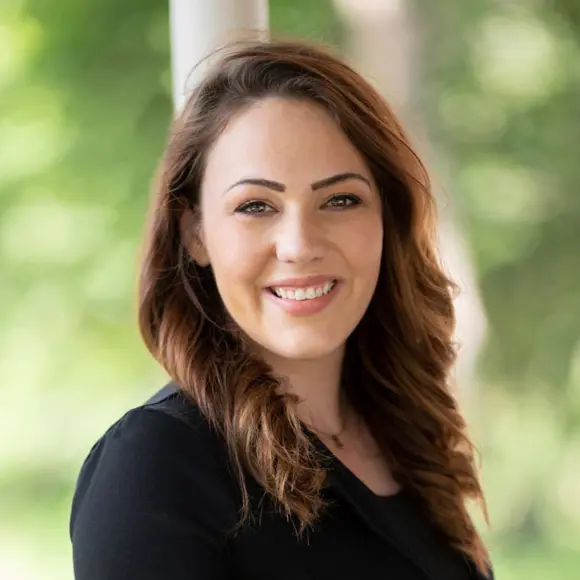
Director of Admissions
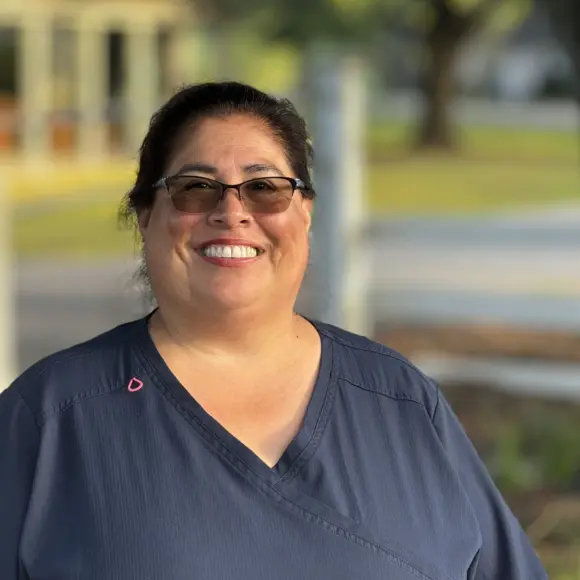
Nursing Manager

Family Program Director
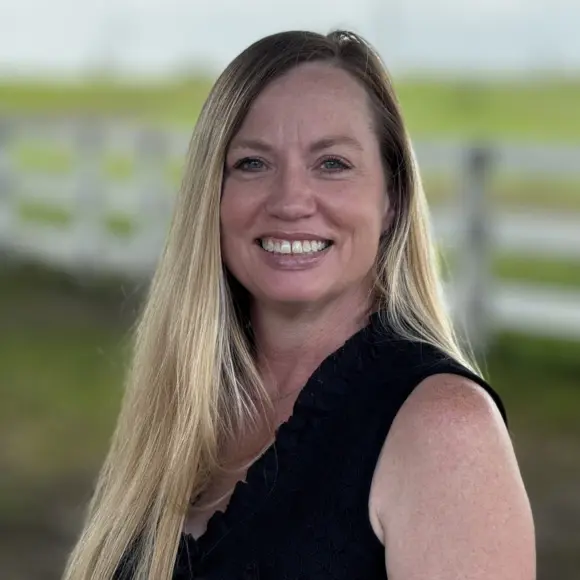
Outpatient Office Manager

The Commission on Accreditation of Rehabilitation Facilities (CARF) is a non-profit organization that specifically accredits rehab organizations. Founded in 1966, CARF's, mission is to help service providers like rehab facilities maintain high standards of care.
CARF Accreditation: Yes

State Licenses are permits issued by government agencies that allow rehab organizations to conduct business legally within a certain geographical area. Typically, the kind of program a rehab facility offers, along with its physical location, determines which licenses are required to operate legally.
State License: Texas

The Joint Commission, formerly known as JCAHO, is a nonprofit organization that accredits rehab organizations and programs. Founded in 1951, the Joint Commision's mission is to improve the quality of patient care and demonstrating the quality of patient care.
Joint Commission Accreditation: Yes
Rehab.com regularly reviews this listing for accuracy but changes may occur between updates. For the most up-to-date information, please contact The Orchard on the Brazos.

2548 Aylor Road
Wallis, TX 77485
Sponsored Helpline

The Orchard is a wonderful nurturing place to find your footing on your road to recovery. Like any recovery facility, you get what you put into it. The Orchard has everything you need to facilitate getting "right", but you have to do the work and push yourself. It was great for me.

The staff is incredibly friendly, helpful and professional. When I say staff, I mean EVERYONE. From the techs, to the medical staff, to the housekeeping(they do your laundry), to the groundskeepers, counselors, everybody. This is world-class, luxury, top-tier care. If you want to do it right and you believe that you get what you pay for, this is the place for you. I'm a current resident who has been here for just over a week and am already planning to extend my stay another 30 days.

Saved me five years ago. Forever grateful!

⭐️⭐️⭐️⭐️⭐️ My feelings about The Orchard Recovery Center go far beyond any words I could ever truly say. I am a changed, renewed, and hopeful person because of the care The Orchard showed me during my 30-day stay. From the beautiful people who maintain the breathtaking 132 acres, to the very top of the medical/ clinical team — and of course Dan — every single person is beyond exceptional. I truly believe the “secret sauce” everyone talks about at The Orchard is community. It begins with the people who dedicate their lives not only to their own sobriety, but to ours as residents as well. I cannot express enough gratitude to everyone who welcomed me into their care with open arms — with no judgment, no preconceived notions, and every willingness to give me the help, the space, and the love I needed to heal from trauma that resulted in addiction. If you are looking for a place to become renewed and begin your recovery journey, I would wholeheartedly encourage you to take a hard look at The Orchard. Set along the Brazos River, the land itself feels special. When the Indigenous people named this river , they could not have known it would one day feel like “the arms of love” to so many. But that is exactly what this land is, and exactly what The Orchard is all about! I took this photo on the last evening of my stay…. It speaks volumes….. Take this road, specially chosen for you, and follow the arrow to recovery.
 Back
Back
Sharing your insights and experiences can help others learn more about this rehab center.