






























































































One of the worst places I've been. I came here because I was in so much pain, shaking and sweating, but they taught it was no big deal, so they 'took their time' to attend me to the point I was going to faint. They have the worst service ever. Please, care about your patient ...
About Mount Sinai Morningside
Mount Sinai Morningside is a Mount Sinai Health System hospital in New York City offering psychiatry and addiction treatment through the Addiction Institute of Mount Sinai for adults over 18.
The campus provides medication management and psychotherapy in one on one and group settings, treating substance use alongside co-occurring mental health concerns.
As a neighborhood hospital known for compassionate care, Mount Sinai Morningside brings the resources of an academic health system to West Harlem and Morningside Heights.
Well Rounded Addiction Care
The Addiction Institute of Mount Sinai helps adults facing drug or alcohol problems through structured outpatient care available five days a week, with evening therapy times to fit busy schedules.
As a hospital based program, it connects patients to psychiatric, medical and social support all in one place.
Treatment blends therapy with evidence based approaches like motivational interviewing, cognitive behavioral therapy and relapse prevention strategies.
Care begins with a comprehensive assessment and sessions focus on both the underlying drivers of substance use and practical skills for lasting recovery.
The Connect Program for Mothers
Mount Sinai Morningside offers a dedicated Connect program providing substance use treatment for mothers and expectant mothers.
This specialized track recognizes the unique needs of parents in recovery, pairing therapeutic support with the broader hospital resources of social work, spiritual care and language services.
Getting Connected
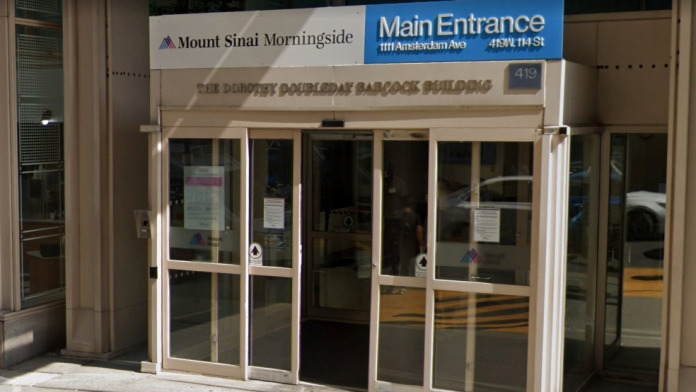
Mount Sinai Morningside serves West Harlem and Morningside Heights, with its main hospital entrance at 419 W. 114th Street and additional campus access points nearby, accessible by bus and subway.
The hospital participates in many health plan networks and accepts private insurance, Medicare and Medicaid, military insurance and self pay, with financial assistance and cost estimator tools available.
Facility Overview
 495
495 Number of Available Beds
Latest Reviews
Nice hospital
-Mount Sinai Health System
Response from the owner3 weeks ago
Hello, We appreciate the positive rating! Thank you for choosing us for your care.-Mount Sinai Health System
I never thought I would be writing a review for a hospital.
From the moment I was brought in by the ambulance, I have never been so well cared for. The ambulance team, the Trauma team, the surgeons, orthopedics, nurses, residents, staff.. EVERYONE was amazing!!! I can’t thank them enough. I had a traumatic injury on 7/10, and honestly I couldn’t have asked for more. The people that stayed in my mind though were Elizabeth and John from the Emergency Room, the surgeon’s assistant who took me seriously when i told her that this was my first time and i was scared that the slightest mistake would ruin everything (turned out to be successful thanks to my surgeon) to my nurses, especially Angela, Beth and HuanHuan, who made me feel so comfortable, accommodated me and my boyfriend the best they could since all my family was abroad and I was all alone. At this hospital, I did not feel alone even for one second. Adding to all this, my transporter Slim (Rob) who I came across multiple times during my stay. He was always nice and friendly. Thank you so much everyone I hope you get the chance to read this. ❤️🩹
Amazing rehab experience

Rehab Score
 Our Methodology
Scoring is assigned by a proprietary system which helps surface key metrics that determine quality. The 10-point scale factors in categories such as operations, customer satisfaction, and trust metrics. Read Full Methodology

6.8 / 10
Gallery
Other Forms of Payment
Private insurance refers to any kind of healthcare coverage that isn't from the state or federal government. This includes individual and family plans offered by an employer or purchased from the Insurance Marketplace. Every plan will have different requirements and out of pocket costs so be sure to get the full details before you start treatment.
Self-pay involves paying for treatment out of your own pocket. You can use savings or credit, get a personal loan, or receive help from family and friends to fund your treatment. If you don't have insurance or your insurance plan doesn't cover a specific program, self-pay can help ensure you still get the care you need.
Medicare is a federal program that provides health insurance for those 65 and older. It also serves people under 65 with chronic and disabling health challenges. To use Medicare for addiction treatment you need to find a program that accepts Medicare and is in network with your plan. Out of pocket costs and preauthorization requirements vary, so always check with your provider.
Military members, veterans, and eligible dependents have access to specific insurance programs that help them get the care they need. TRICARE and VA insurance can help you access low cost or no cost addiction and mental health treatment. Programs that accept military insurance often have targeted treatment focused on the unique challenges military members, veterans, and their families face.
Medicaid is a state based program that helps lower-income individuals and families pay for healthcare. Medicaid covers addiction treatment so those enrolled can use their coverage to pay for rehab. When a program accepts Medicaid the client often pays very little or nothing out of their own pocket.
Addiction Treatments
Levels of Care
Outpatient Programs (OP) are for those seeking mental rehab or drug rehab, but who also stay at home every night. The main difference between outpatient treatment (OP) and intensive outpatient treatment (IOP) lies in the amount of hours the patient spends at the facility. Most of the time an outpatient program is designed for someone who has completed an inpatient stay and is looking to continue their growth in recovery. Outpatient is not meant to be the starting point, it is commonly referred to as aftercare.
Inpatient rehabs provide a space for clients to focus exclusively on their recovery while receiving intensive supervision and support. Inpatient treatment centers provide housing and food and most offer round-the-clock clinical care. Their primary treatment modalities typically consist of addiction counseling using various psychotherapeutic methods, including CBT, DBT, RBT, and motivational interviewing. Many rehabs also provide specialized services for clients with co-occurring addiction and mental illness. Recovery-focused life skills training and holistic therapies are other common services.
Clients who enroll in an intensive outpatient program (IOP) are typically either in early recovery or are experiencing a crisis that increases their relapse risk. These programs promote clients' sustained sobriety through robust support, including multiple, extended care sessions per week. Intensive outpatient treatment often encompasses an array of services, including psychotherapy, recovery education, and evidence-based holistic therapies, such as acupuncture and meditation. Many outpatient rehabs also offer medication assisted treatment (MAT).
The partial hospitalization program (PHP) level of care offers short-term, intensive rehab for individuals with acute symptoms that require focused management but don't require 24/7 care. PHP treatment provides structured programming (i.e. individual and group therapy) and allows you to return home in the evening. PHP treatment typically meets weekly for a minimum of 20 hours with the duration typically averaging 90 days. While PHP treatment cost can vary, it is often covered by most providers.
For many different stages and therapies offered during addiction treatment, it's essential to offer 24-hour clinical care in New York. often involves medication treatment for drug or alcohol detox. The withdrawal symptoms experienced during detox can be dangerous, but having medical experts on-site around the clock means someone is always there to step in and provide emergency medical care when and if it is ever needed.
Drug and alcohol addiction often takes a heavy toll on one's body. Over time, a physical dependence can develop, meaning the body physiologically needs the substance to function. Detox is the process of removing drugs and/or alcohol from the body, a process that can be lethal if mismanaged. Medical detox is done by licensed medical professionals who monitor vital signs and keep you safe, healthy, and as comfortable as possible as you go through detox and withdrawal.
Treatments
The goal of treatment for alcoholism is abstinence. Those with poor social support, poor motivation, or psychiatric disorders tend to relapse within a few years of treatment. For these people, success is measured by longer periods of abstinence, reduced use of alcohol, better health, and improved social functioning. Recovery and Maintenance are usually based on 12 step programs and AA meetings.
When you choose drug rehab in New York, you'll participate in a variety of treatments that are designed to help you live a drug-free lifestyle. Common methods of treatment include group, individual, and family counseling, medication management, nutrition, exercise, and management of co-occurring mental health disorders.
Opioid rehabs specialize in supporting those recovering from opioid addiction. They treat those suffering from addiction to illegal opioids like heroin, as well as prescription drugs like oxycodone. These centers typically combine both physical as well as mental and emotional support to help stop addiction. Physical support often includes medical detox and subsequent medical support (including medication), and mental support includes in-depth therapy to address the underlying causes of addiction.
Substance rehabs focus on helping individuals recover from substance abuse, including alcohol and drug addiction (both illegal and prescription drugs). They often include the opportunity to engage in both individual as well as group therapy.
Programs
Adult rehab programs include therapies tailored to each client's specific needs, goals, and recovery progress. They are tailored to the specific challenges adult clients may face, including family and work pressures and commitments. From inpatient and residential treatment to various levels of outpatient services, there are many options available. Some facilities also help adults work through co-occurring conditions, like anxiety, that can accompany addiction.
Recovery is most successful when clients feel accepted and validated by their peers and treatment providers. Facilities that offer LGBTQ-inclusive programming are committed to creating a safe space where everyone can grow and recover without fear of judgment or discrimination. They will have dedicated policies in place to create a safe and supportive environment that fosters free expression.
Serving in the military is both mentally and physically challenging, and can result in trauma that persists even after combat ends. Military programs are tailored to the specific and often complex needs of active duty personnel, veterans, and military families. Clients often access these programs through the U.S. Department of Veterans Affairs (VA).
Clinical Services
Group therapy is any therapeutic work that happens in a group (not one-on-one). There are a number of different group therapy modalities, including support groups, experiential therapy, psycho-education, and more. Group therapy involves treatment as well as processing interaction between group members.
In individual therapy, a patient meets one-on-one with a trained psychologist or counselor. Therapy is a pivotal part of effective substance abuse treatment, as it often covers root causes of addiction, including challenges faced by the patient in their social, family, and work/school life.
Motivational Interviewing (MI) is a clinical approach to helping people with substance abuse issues and other conditions shift behavior in positive ways. It is more goal-oriented than traditional psychotherapy, as MI counselors directly attempt to get clients to consider making behavioral change (rather than wait for them to come to conclusions themselves). Its primary purpose is to resolve ambivalence and help clients become able to make healthy choices freely.
Research clearly demonstrates that recovery is far more successful and sustainable when loved ones like family members participate in rehab and substance abuse treatment. Genetic factors may be at play when it comes to drug and alcohol addiction, as well as mental health issues. Family dynamics often play a critical role in addiction triggers, and if properly educated, family members can be a strong source of support when it comes to rehabilitation.
Nutrition therapy, aka medical nutrition therapy (MNT), is a way of treating physical, emotional, and medical conditions through diet. Specific dietary plans are designed by professional nutritionists or registered dietitians, and patients follow them in order to positively affect their physical and mental health.
Amenities
-
 Private Setting
Staff
Evan Flatow, MD
President, Mount Sinai Morningside and Mount Sinai West
Tracy Breen, MD
Chief Medical Officer, Mount Sinai Morningside and Mount Sinai West
Marsha Sinanan-Vashista, MBA, MSN, RN, NEA-BC, FAAN
Interim VP/CNO, Mount Sinai Morningside and Mount Sinai West
Timothy Day, MPH, RN
COO, Mount Sinai Morningside and Mount Sinai West
Lisa Mazie, MS
CAO, Mount Sinai Morningside and Mount Sinai West
Leah Borenstein
VP for Perioperative Services, Mount Sinai Morningside and Mount Sinai West
Janice Connolly
VP for Administration, Mount Sinai West
Carol DeJesus, LCSW, CCM
VP for Care Transitions and Population Health, Mount Sinai Morningside
Rehab.com regularly reviews this listing for accuracy but changes may occur between updates. For the most up-to-date information, please contact Mount Sinai Morningside.
Contact Information

419 W 114th St
New York, NY 10025
Get Help Now - 646-439-0877
Sponsored Helpline
Sponsored Helpline


