





























































































About DiscoveryMD – Hanover
DiscoveryMD is an outpatient behavioral health center that specializes in substance use disorder (SUD) treatment for individuals in Hanover, Maryland. Along with caring for adults, this facility also helps people who need dual diagnosis support for both SUD and other mental health conditions. This facility focuses on providing customized care that treats each individual’s specific needs.
Detox Support
DiscoveryMD offers a medication assisted treatment (MAT) program that allows people to safely detox from alcohol and drugs while avoiding some of the harsher withdrawal symptoms that often derail recovery. More importantly, patients can begin the counseling component, which helps them focus on recovery over symptoms.
Outpatient Care
SUD treatment is offered exclusively on an outpatient basis at DiscoveryMD. There are two levels of care offered, an intensive outpatient program (IOP) and a standard outpatient program. The IOP is a more targeted solution that meets more frequently every week.
This enhanced structure means that you’ll receive more counseling sessions. Clients can build their recovery toolkit faster and build on the skills that are learned. The standard outpatient program meets less frequently each week and offers greater flexibility for people with outstanding obligations.
Regardless of the format you choose, DiscoveryMD offers comprehensive counseling along with individual and group therapy sessions. Likewise, medication management is also an option for those who need it. Discovery MD accepts several private insurance plans, along with Maryland Medicaid. Contact a client care advocate for more details.

Rehab Score
 Our Methodology


Location
Accepted Insurance

Other Forms of Payment
Self-pay involves paying for treatment out of your own pocket. You can use savings or credit, get a personal loan, or receive help from family and friends to fund your treatment. If you don't have insurance or your insurance plan doesn't cover a specific program, self-pay can help ensure you still get the care you need.
Private insurance refers to any kind of healthcare coverage that isn't from the state or federal government. This includes individual and family plans offered by an employer or purchased from the Insurance Marketplace. Every plan will have different requirements and out of pocket costs so be sure to get the full details before you start treatment.
Medicaid is a state based program that helps lower-income individuals and families pay for healthcare. Medicaid covers addiction treatment so those enrolled can use their coverage to pay for rehab. When a program accepts Medicaid the client often pays very little or nothing out of their own pocket.
Military members, veterans, and eligible dependents have access to specific insurance programs that help them get the care they need. TRICARE and VA insurance can help you access low cost or no cost addiction and mental health treatment. Programs that accept military insurance often have targeted treatment focused on the unique challenges military members, veterans, and their families face.
Addiction Treatments
Levels of Care
Alcohol, opioid and sedative-abusing patients may require detoxification. This medical process prevents withdrawal and any medical complications that may accompany withdrawal. Outpatient detoxification allows the patient a comfortable transition into recovery. Alcohol, opioids and sedatives each have their own outpatient detoxification protocols. Managed by experienced addiction medicine specialist physicians, the outpatient detoxification process is well tolerated. Once outpatient detoxification is underway, the patient may attend the Intensive Outpatient treatment sessions.
Intensive Outpatient Program – Phase 1 is designed for patients with alcohol addiction, this group meets three hours a day, three days a week for eight weeks. Facilitated by experienced highly trained addictions counselors, the Intensive Outpatient Program integrates education, self-awareness and a 12-step approach to recovery. The Intensive Outpatient Program – Phase 2 is for patients completing the Intensive Outpatient Program, this program is a less-intense continuation of recovery program. Meeting twice a week, Continuation of Care allows patients to enhance their recovery skills by building on previously learned recovery principles. Continuation of Care is an 6-10 month program.
Outpatient programs are for those seeking mental rehab or drug rehab, but who also stay at home every night. Continuum of Care Outpatient Group Therapy, Phase II of Intensive Outpatient Group Therapy, is two one-hour sessions a week. Traditional Outpatient Group Therapy is one hour each week. The Outpatient Education Groups are designed to educate and support clients who have an abuse or a mild diagnosis (typically first-time drug or DUI offenders and/or those not diagnosed with addiction). A certificate is offered to prove group completion to courts, employers, etc. Groups meet one hour a week for 12-26 weeks.
12-step programs are addiction recovery models based on Alcoholics Anonymous (AA). The 12-step philosophy is a community effort of recovery that has helped millions of people. The process takes time and is a big commitment but is life transforming. Based on the guiding principles of a 12-step program, New Life’s 12-step meetings are a proven course of action for helping clients take steps toward tackling problems with substance abuse, drug and alcohol addiction, and compulsion … and ultimately ending their addictions for life. Their in-house meetings are led by counselors and alumni and are intended for active clients only. The purpose is to teach clients the importance of engaging in the community-based 12-step programs. These meetings are an integral part of continued recovery through a sober network. Because of the effectiveness of the 12-step program, New Life requires outside 12-step meeting attendance of all clients in their Intensive Outpatient Program and Continuum of Care.
Continuum of Care/Phase II is a step down of the Intensive Outpatient Program. It is a less intensive but crucial phase of recovery in which clients address their individual needs in a safe, confidential atmosphere. By this phase, clients have established a “home group” and a sponsor, ensuring they have a solid recovery network in place before New Life steps down its level of support. Clients meet twice a week for one hour each session. This phase is ongoing.
Treatments
The goal of treatment for alcoholism is abstinence. Those with poor social support, poor motivation, or psychiatric disorders tend to relapse within a few years of treatment. For these people, success is measured by longer periods of abstinence, reduced use of alcohol, better health, and improved social functioning. Recovery and Maintenance are usually based on 12 step programs and AA meetings.
Once a person has become addicted to a substance, drug rehab in Maryland is often necessary to overcome that addiction. These programs provide the tools individuals need to manage the physical, mental, and emotional issues involved and begin a successful recovery journey.
New Life’s mental health services include psychiatric evaluations for clients with co-occurring illness, medication management, and treatment for anxiety, depression, and bi-polar disorder. These services are provided to current New Life clients or clients who have completed our treatment program and are maintaining sobriety. Clients who are dual diagnosed (substance-related disorder and mental health disorder) must enroll in the substance abuse treatment program before they can see any doctor or therapist for other services, such as opiate detox, alcohol detox, and/or mental health services.
A combined mental health and substance abuse rehab has the staff and resources available to handle individuals with both mental health and substance abuse issues. It can be challenging to determine where a specific symptom stems from (a mental health issue or an issue related to substance abuse), so mental health and substance abuse professionals are helpful in detangling symptoms and keeping treatment on track.
Opioid rehabs specialize in supporting those recovering from opioid addiction. They treat those suffering from addiction to illegal opioids like heroin, as well as prescription drugs like oxycodone. These centers typically combine both physical as well as mental and emotional support to help stop addiction. Physical support often includes medical detox and subsequent medical support (including medication), and mental support includes in-depth therapy to address the underlying causes of addiction.
Programs
Adult rehab programs include therapies tailored to each client's specific needs, goals, and recovery progress. They are tailored to the specific challenges adult clients may face, including family and work pressures and commitments. From inpatient and residential treatment to various levels of outpatient services, there are many options available. Some facilities also help adults work through co-occurring conditions, like anxiety, that can accompany addiction.
Young adulthood can be an exciting, yet difficult, time of transition. Individuals in their late teens to mid-20s face unique stressors related to school, jobs, families, and social circles, which can lead to a rise in substance use. Rehab centers with dedicated young adult programs will include activities and amenities that cater to this age group, with an emphasis on specialized counseling, peer socialization, and ongoing aftercare.
Clinical Services
Cognitive Behavioral Therapy (CBT) is a therapy modality that focuses on the relationship between one's thoughts, feelings, and behaviors. It is used to establish and allow for healthy responses to thoughts and feelings (instead of unhealthy responses, like using drugs or alcohol). CBT has been proven effective for recovering addicts of all kinds, and is used to strengthen a patient's own self-awareness and ability to self-regulate. CBT allows individuals to monitor their own emotional state, become more adept at communicating with others, and manage stress without needing to engage in substance abuse.
Recovery is a family affair. If your loved one is struggling with substance abuse, drug or alcohol addiction, and/or related behavioral issues, it’s affecting you, too. Their free Family & Friends Support Group meets the third Thursday of every month, from 7 to 8 pm, in Suite 201 to explain and discuss the disease of addiction, give you strategies to deal with certain issues, and recommend other resources and groups available to you.
Group therapy is any therapeutic work that happens in a group (not one-on-one). There are a number of different group therapy modalities, including support groups, experiential therapy, psycho-education, and more. Group therapy involves treatment as well as processing interaction between group members.
In individual therapy, a patient meets one-on-one with a trained psychologist or counselor. During Individual Psychotherapy, clients work with a licensed therapist in a safe, caring, and confidential atmosphere to explore their feelings and behaviors, work through challenges, better understand themselves, set personal goals, and work toward desired change. Psychotherapy is usually recommended during the step-down phase of the Intensive Outpatient Program and, of course, is available to any client in need of this service.
Motivational Interviewing (MI) is a clinical approach to helping people with substance abuse issues and other conditions shift behavior in positive ways. It is more goal-oriented than traditional psychotherapy, as MI counselors directly attempt to get clients to consider making behavioral change (rather than wait for them to come to conclusions themselves). Its primary purpose is to resolve ambivalence and help clients become able to make healthy choices freely.
Trauma experiences – including intimate partner violence, rape/sexual abuse, and childhood abuse and/or neglect – are risk factors for mental health, substance abuse, and other health problems. Knowledge of the possible risk factors and their consequences is critical in preventing and treating mental health and substance use disorders among women, who are more vulnerable to violence and trauma. The purpose of trauma therapy is to allow a patient to process trauma and move through and past it, with the help of trained and compassionate mental health professionals.
Amenities
-
 Private Setting
Staff & Accreditations
Staff
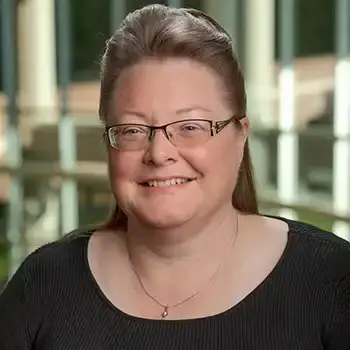
Monika Valentine
President of Discovery Medical Services
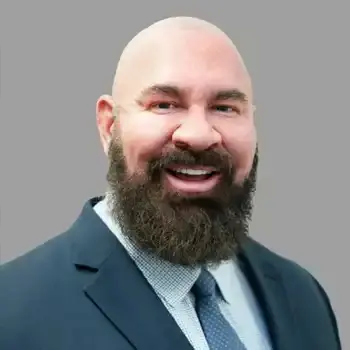
Matthew Ruble, MD
Chief Medical Officer
Accreditations

The Joint Commission, formerly known as JCAHO, is a nonprofit organization that accredits rehab organizations and programs. Founded in 1951, the Joint Commision's mission is to improve the quality of patient care and demonstrating the quality of patient care.
Joint Commission Accreditation: Yes

LegitScript has reviewed DiscoveryMD – Hanover as part of their certification program, and has determined that it meets the LegitScript standards for legality, safety and transparency.
LegitScript verified in September 2020
Rehab.com regularly reviews this listing for accuracy but changes may occur between updates. For the most up-to-date information, please contact DiscoveryMD – Hanover.
Contact Information


7240 Parkway Drive Suite 140
Hanover, MD 21076
Sponsored Helpline
