Get Help Now
Question iconSponsored Helpline
Phone icon 800-784-1361
Claim Profile

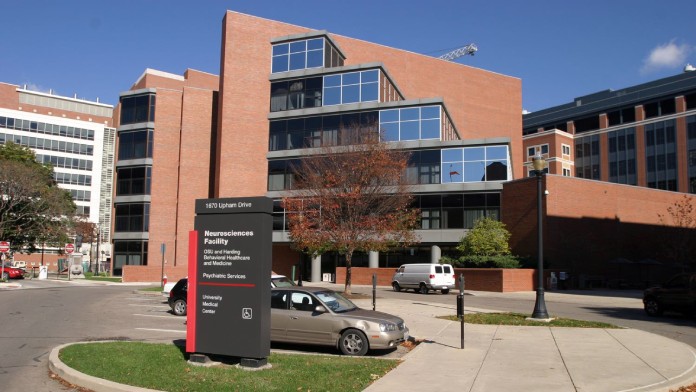
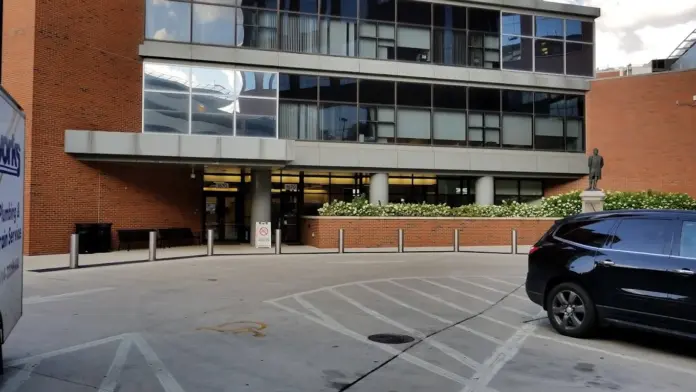
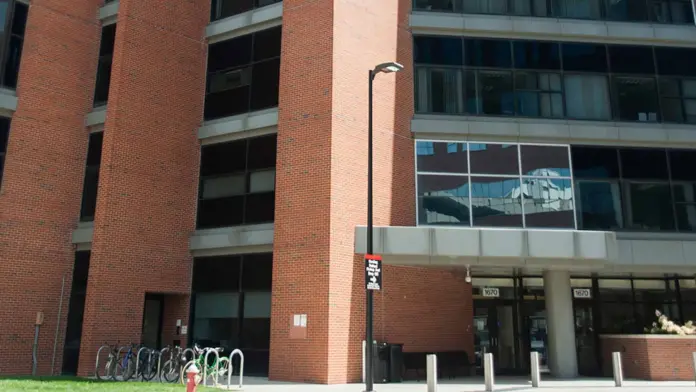
Ohio State Harding Hospital

1670 Upham Drive
Columbus, OH 43210
Claim Profile
OSU Harding Hospital OH 43210

About Ohio State Harding Hospital

If you need residential care, you’ll be assigned to one of 84 beds. You’ll receive care for mental disorders, like depression and anxiety, in addition to psychiatric care. There’ll be traditional counseling programs for yourself and your family, a case management team, and medication management, if needed. However, some clients have cautioned that the nursing staff may rely too much on medication as a solution. If you prefer holistic care, please make sure that your case management team is aware.

In the outpatient program, transcranial magnetic stimulation is offered to help address depression and other mood disorders. You’ll be awake and alert during treatment and can resume normal activities upon leaving therapy.

The outpatient program also has a special Young Adult Intensive Outpatient for individuals aged 18-24 who are having difficulty with mood symptoms and substance use. This includes group therapy, group education, family education, and discharge planning.

For teens, OSU has an intensive outpatient program to help them develop a daily routine and attend school. Sessions are delivered both in the afternoon and evening. Transportation to and from the facility is available.

Similar Rehab Centers

Fact checked and written by:
Peter Lee, PhD
Edited by:
Kerry Nenn, BSW

Facility Overview

Bed icon 84
Number of Available Beds

Latest Reviews

Carrie Heiden
1 month ago on Google
2
Requirements for Entry Patient Information: You must know the first and last name of the patient AND their four-digit care code. Note: The patient must call you from a hospital phone to provide this code, as they will not have their personal phone. They need to have your number memorized. Visitor ID: You must present your ID, which will be scanned at the front desk. Identification Sticker: You will have your picture taken and be required to wear an identification sticker with your name, picture, and the floor you are visiting. Security and Belongings Parking: Parking in the garage can be validated at the front desk for a $3.00 rate. Belongings: All personal belongings (coats, phones, purses, keys, umbrellas, etc.) must be placed in a locker in the waiting room before going upstairs. Access: Once on the patient's floor, you must press a button, state the patient's name and care code, and wait for a staff member to lead you through two sets of locked doors. Items You Can Bring to a Patient You can bring food, clothes, and toiletries. Clothing Restrictions: Clothes must have no zippers or drawstrings. It's advised to bring items that would not be "devastating to lose." Review Process: All items will be examined and inventoried by staff and given to the patient only if deemed safe. Toiletries: Face wash, lotion, and similar items will likely be kept by staff and dispensed into a small paper cup as the patient requests them. Laundry: Patients can ask staff to wash their clothes, so they don't need a large quantity. Communication, Care, and Discharge Communicating with the Care Team Direct Nurse Communication is Best: The most effective way to share important patient health information was to talk directly to the patient's assigned nurse during visiting hours. Ineffective Methods: It was unsuccessful to share pertinent health information with a patient's social worker over the phone. Requests for a family meeting with a doctor or social worker were also not granted. The Patient Experience Safety and Initial Crisis: Harding primarily serves as an immediate first step at a time of crisis to keep the patient safe and out of imminent danger. Initial Adjustment: The patient was very distressed and wanted to be discharged the first day or two. They settled in after meeting other patients but became eager to leave again when new patients with stressful symptoms (e.g., psychosis) were admitted or friends were discharged. Activities/Technology: Patients were assigned an iPad for watching movies and ordering meals, though they are not supposed to have internet access. They were discouraged from using the iPad in the common area, which encouraged socializing, board games, and puzzles. Room Setup: Patients had same-sex roommates with a separating wall. Rooms had natural light from large windows and an in-room shower/sink/toilet area. Dress: Most patients wore loungewear/athleisure instead of the provided hospital pajamas. Shaving: Shaving is permitted with supervision. Age Segregation: Patients are broken up by age. Discharge and Planning Unpredictability: Discharge was unpredictable. The family received a call that the patient was being discharged right then, without a 24-hour notice for planning ahead. Lack of Clear Goals: The patient did not know what goals needed to be met before discharge would be considered, making the stay feel "murky." Visitor Advocacy Crucial Role: The most beneficial action for visitors is to help the patient figure out their next steps for treatment. Patients lack the ability (and emotional capacity) to research treatment options (Partial Hospitalization Programs, other facilities, etc.). How to Help: Research local treatment options yourself, present the information to the patient, and help them formulate specific questions/requests for the doctor or social worker. Encourage them to ask a favorite nurse to advocate for them. Admission Process Harding Walk-In Clinic (Preferred): This is a walk-in clinic where you can be admitted to Harding. Call for info. You can also be admitted through the ED.
Response from the owner1 week ago
Hi Carrie, we'd like to learn more about your experience. Please give our Patient Experience team a call at the most relevant phone number below or reach out by email, so they can discuss this with you further. Patient Experience is available to answer questions or concerns of patients, families and visitors Monday – Friday 8 a.m. – 4:30 p.m.
Harding Hospital: 614-293-9600
The James: 614-293-8609 or james.patientexperience@osumc.edu
University Hospital, Ross Heart Hospital, Dodd Rehabilitation Hospital, and Outpatient Care: 614-293-8944 or osucareconnection@osumc.edu
East Hospital and Outpatient Care East: 614-257-2310 or osucareconnection@osumc.edu
Thank you.
– The Ohio State Search and Online Reputation Team

Anna Breithaupt
4 months ago on Google
1
Update 8/2025 This institution admits to medical abuse and agrees that the entire diagnosis they based my treatment on and discriminated against me for 25 years was wrong, yet expects a patient who went through said abuse to go back into the record of this abuse and self correct it through an extremely cumbersome process. I have a long history with Harding and very little of it was good. I first went to this hospital when I was 14 or 15 in 2000 and within less than 72 hours was given a diagnosis that followed me for the next 20+ years, yet never knew about said diagnosis until an inpatient admission in 2016. Also during the first admission I was thrown in the calming room with nothing more than a pillow for mentioning I was experiencing intrusive self harm thoughts with no actual attempt observed or completed. During the 2016 admission where I was displaying clear and obvious signs of PTSD following a profound trauma, this diagnosis continued to follow me and biased my care. I ran into this issue again in 2020 when I entered into a PHP program after another major and ongoing traumatic experience where I was placed in a group with another pt “because we shared the same diagnosis”. In this PHP I was quickly labeled as problematic, my knowledge as a mental health professional was completely disregarded, I was told I was an addict by someone who spent 20 minutes with me, and I frankly felt that the gravity of the situation I was currently experiencing was significantly downplayed in addition to being invalidated. In addition to this my 5 PRIOR ADULT ADHD DIAGNOSIS were completely disregarded and I was repeatedly denied meds and specialized treatment despite presenting substantial medical documentation spanning 15+ years. In addition to this I was provided increasingly higher does of an antidepressant that made me so anxious I would pace and sent me to the ER with stomach cramps. Never at any time was I ever offered a genesite test to determine if this was the best for me (a subsequent test showed that this med along with other SSRIs and most SNRIs should not have been prescribed). After leaving the PHP I did treatment at the STAR trauma center. While the therapy was fine given the level of distress I was in at the time, the NP I saw was rude, arrogant and dismissive. Again I asked for someone to acknowledge my ADHD diagnosis and prescribe meds as I gathered even more medical records proving the need for this intervention. I saw this man for 4+ months and every month he said we would see about the ADHD meds. After 4 months of waiting he finally suspected ADHD, but told me I would need to undergo a full neuropsychology evaluation despite a long waitlist and OSU refusing to give an ADHD diagnosis to adults over the age of 30. In addition to this, the provider refused to sign off on a genesite test and continued to prescribe meds that made me sick. After becoming increasingly frustrated with the process I left OSU and went to a different provider who quickly got me in for ADHD testing and did a genesite exam on the intake visit. After taking the meds recommended by the genesite exam and seeing a provider who actually listened to me my symptoms improved. While the new providers process for obtaining ADHD meds was cumbersome, I was finally able to have my 6th adult ADHD diagnosis confirmed and get prescribed the same meds I took for most of my young adult years. The way I was treated at Harding over a period of 20+ years between the providers poor clinical judgement, a fixation and propagation of stigmatizing stereotypes regarding those with a specific diagnosis, correct or not, a complete lack of understanding and invalidation of those with complex trauma, and a complete refusal to even acknowledge that adult ADHD exists, let alone an understanding of how these symptoms present in women, was downright appalling. As a licensed mental health professional myself I cannot, in good faith, recommend that any receive treatment here, especially those who are nuerodivergent and/or have experienced complex trauma.
Response from the owner1 week ago
Hi Anna, thank you for taking the time to update your post. We are concerned to hear that we did not help in solving you're issue and would still like to learn more. - The Ohio State Search and Reputation Team.
Samuel Evanosky
4 months ago on Google
1
The scheduling at this facility is completely unacceptable. There is ongoing miscommunication, a lack of clarity and frequent contradictions. For an organization tasked with supporting individuals facing mental health challenges, this level of disorganization is both unprofessional and deeply concerning.
Response from the owner1 week ago
Hi Byron, we're concerned to hear this and would like to learn more. Please give our Patient Experience team a call at the most relevant phone number below or reach out by email, so they can discuss this with you further. Patient Experience is available to answer questions or concerns of patients, families and visitors Monday – Friday 8 a.m. – 4:30 p.m.
Harding Hospital: 614-293-9600
The James: 614-293-8609 or james.patientexperience@osumc.edu
University Hospital, Ross Heart Hospital, Dodd Rehabilitation Hospital, and Outpatient Care: 614-293-8944 or osucareconnection@osumc.edu
East Hospital and Outpatient Care East: 614-257-2310 or osucareconnection@osumc.edu
Thank you.
– The Ohio State Search and Online Reputation Team
Rehab.com icon

Rehab Score

Question iconOur Methodology
Scoring is assigned by a proprietary system which helps surface key metrics that determine quality. The 10-point scale factors in categories such as operations, customer satisfaction, and trust metrics. Read Full MethodologyCaret icon
Gauge icon
7.2 / 10

Accepted Insurance

Please contact to verify your specific insurance provider.

Ohio State Harding Hospital works with several private insurance providers, please contact to verify your specific insurance provider.

Other Forms of Payment

Self-pay involves paying for treatment out of your own pocket. You can use savings or credit, get a personal loan, or receive help from family and friends to fund your treatment. If you don't have insurance or your insurance plan doesn't cover a specific program, self-pay can help ensure you still get the care you need.

Private insurance refers to any kind of healthcare coverage that isn't from the state or federal government. This includes individual and family plans offered by an employer or purchased from the Insurance Marketplace. Every plan will have different requirements and out of pocket costs so be sure to get the full details before you start treatment.

Medicaid is a state based program that helps lower-income individuals and families pay for healthcare. Medicaid covers addiction treatment so those enrolled can use their coverage to pay for rehab. When a program accepts Medicaid the client often pays very little or nothing out of their own pocket.

Medicare is a federal program that provides health insurance for those 65 and older. It also serves people under 65 with chronic and disabling health challenges. To use Medicare for addiction treatment you need to find a program that accepts Medicare and is in network with your plan. Out of pocket costs and preauthorization requirements vary, so always check with your provider.

Financial aid can take many forms. Centers may have grants or scholarships available to clients who meet eligibility requirements. Programs that receive SAMHSA grants may have financial aid available for those who need treatment as well. Grants and scholarships can help you pai for treatment without having to repay.

Military members, veterans, and eligible dependents have access to specific insurance programs that help them get the care they need. TRICARE and VA insurance can help you access low cost or no cost addiction and mental health treatment. Programs that accept military insurance often have targeted treatment focused on the unique challenges military members, veterans, and their families face.

Private insurance refers to any kind of healthcare coverage that isn't from the state or federal government. This includes individual and family plans offered by an employer or purchased from the Insurance Marketplace. Every plan will have different requirements and out of pocket costs so be sure to get the full details before you start treatment.

Addiction Treatments

Levels of Care

Outpatient Programs (OP) are for those seeking mental rehab or drug rehab, but who also stay at home every night. The main difference between outpatient treatment (OP) and intensive outpatient treatment (IOP) lies in the amount of hours the patient spends at the facility. Most of the time an outpatient program is designed for someone who has completed an inpatient stay and is looking to continue their growth in recovery. Outpatient is not meant to be the starting point, it is commonly referred to as aftercare.

OSU Harding Hospital offers a Crisis Management and Acute Inpatient Care where adults can stabilize and get initial treatment. Stabilization is particularly important if there is a risk for personal harm (including suicide risk) or injury to others. Stabilization is delivered in a supportive environment and include individual or group therapy, medications and neurotherapy approaches such as, TMS (transcranial magnetic stimulation) or ECT (electroconvulsive therapy).

Designed for individuals with moderate to severe addictions, a partial hospitalization program (PHP) provides a more intensive form of outpatient therapy. PHP treatment can serve as an alternative to inpatient hospitalization or as a step-down option after being discharged from a hospital or residential program. A partial hospitalization program typically requires a minimum of 20 hours weekly for an average of 90 days. Depending on your care plan, PHPs can include relapse prevention, medication management, and behavioral therapy services.

During initial recovery, withdrawal from alcohol, opiates, and benzodiazepines can involve high health risk. Attempting detox outside of 24-hour clinical care in Ohio is not recommended. This can be life-threatening because medical staff are not available to treat severe symptoms of withdrawal that often occur. Such symptoms can include seizures, delirium tremens, and extreme dehydration. In a clinical setting, staff are on-site to immediately care for your physical, emotional, and mental health needs.

Intensive outpatient programs (IOP) are designed for clients who need frequent, high-level care but do not require, or choose to forgo, inpatient treatment. Most intensive outpatient rehabs offer a minimum of nine hours of treatment weekly, though clients may receive up to 20 hours of care as needed. These programs typically combine various treatment modalities, including individual, group, and family counseling, medication assisted treatment (MAT), addiction and recovery education, and evidence-based complementary therapies, such as acupuncture and massage.

Treatments

The goal of treatment for alcoholism is abstinence. Those with poor social support, poor motivation, or psychiatric disorders tend to relapse within a few years of treatment. For these people, success is measured by longer periods of abstinence, reduced use of alcohol, better health, and improved social functioning. Recovery and Maintenance are usually based on 12 step programs and AA meetings.

Drug rehab in Ohio provides comprehensive treatment to address the physical and psychological needs of those struggling with substance use disorders. This may involve inpatient and/or outpatient care.

A combined mental health and substance abuse rehab has the staff and resources available to handle individuals with both mental health and substance abuse issues. It can be challenging to determine where a specific symptom stems from (a mental health issue or an issue related to substance abuse), so mental health and substance abuse professionals are helpful in detangling symptoms and keeping treatment on track.

Opioid rehabs specialize in supporting those recovering from opioid addiction. They treat those suffering from addiction to illegal opioids like heroin, as well as prescription drugs like oxycodone. These centers typically combine both physical as well as mental and emotional support to help stop addiction. Physical support often includes medical detox and subsequent medical support (including medication), and mental support includes in-depth therapy to address the underlying causes of addiction.

Ohio's substance abuse treatment programs can support individuals struggling with drug and alcohol use. Typically available on an outpatient or inpatient basis, these programs employ evidence-based therapies such as cognitive-behavioral therapy (CBT), dialectical behavior therapy (DBT), and holistic approaches to provide effective addiction treatment. This comprehensive approach ensures long-term sobriety, improved mental health, and coping skills to overcome risk of relapse.

Programs

Adult rehab programs include therapies tailored to each client's specific needs, goals, and recovery progress. They are tailored to the specific challenges adult clients may face, including family and work pressures and commitments. From inpatient and residential treatment to various levels of outpatient services, there are many options available. Some facilities also help adults work through co-occurring conditions, like anxiety, that can accompany addiction.

Young adulthood can be an exciting, yet difficult, time of transition. Individuals in their late teens to mid-20s face unique stressors related to school, jobs, families, and social circles, which can lead to a rise in substance use. Rehab centers with dedicated young adult programs will include activities and amenities that cater to this age group, with an emphasis on specialized counseling, peer socialization, and ongoing aftercare.

Clinical Services

eye-movement iconEye Movement Desensitization And Reprocessing

Cognitive behavioral therapy in Ohio may occur in individual, group, or family sessions. It involves focusing on specific thought and behavior problems. Participants learn coping techniques and are asked to practice them as homework between sessions.

The main goals of dialectical behavior therapy are to teach you how to regulate your emotions, develop positive ways to cope with stress, improve your relationships, and live in the moment. This therapy lasts about six months and involves weekly individual and group sessions.

Participants of group therapy sessions typically learn coping skills, communication techniques, and relapse prevention strategies. This unique set of skills helps you to navigate the challenges you find in the community and supports your long term sobriety.

Individual therapy for drug and alcohol addiction treatment gives you a safe space to discuss your emotional, mental, and physical challenges. Your therapist will guide and support you as you collaborate to develop personalized strategies to manage your stress and navigate the challenges of your recovery.

Family therapy offers a group time to collectively make an effort to understand and combat the issues and challenges associated with addiction. Therapists work with family members to establish healthy boundaries between each other and their loved one who is addicted, improve emotional support systems, and work together toward a sustained long term recovery.

Amenities

  • wifi iconWifi
  • home-setting iconResidential Setting
  • private-room iconPrivate Rooms

Staff & Accreditations

Staff

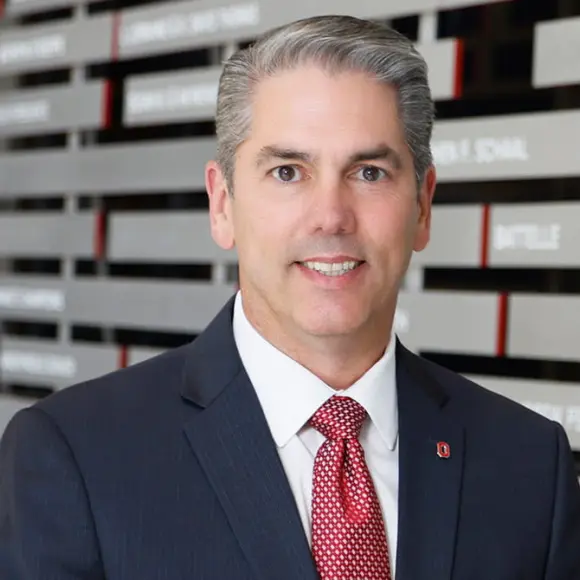
John J. Warner, MD

CEO
Jay Anderson

COO
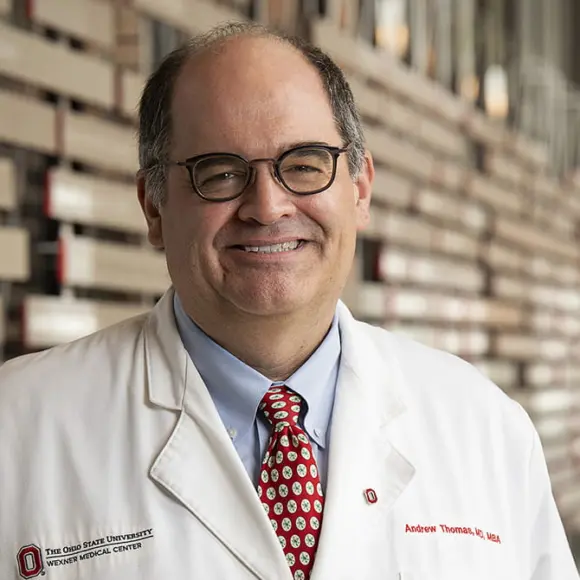
Andrew Thomas, MD, MBA, FACP

Chief Clinical Officer

Tom Bentley, MS, BSN, FHIMSS

Chief Information & Digital Transformation Officer

Accreditations

The Commission on Accreditation of Rehabilitation Facilities (CARF) is a non-profit organization that specifically accredits rehab organizations. Founded in 1966, CARF's, mission is to help service providers like rehab facilities maintain high standards of care.

CARF Accreditation: Yes

The Joint Commission, formerly known as JCAHO, is a nonprofit organization that accredits rehab organizations and programs. Founded in 1951, the Joint Commision's mission is to improve the quality of patient care and demonstrating the quality of patient care.

Joint Commission Accreditation: Yes

Contact Information

Building icon

1670 Upham Drive
Columbus, OH 43210

Explore Other Centers Near Columbus

Reviews of Ohio State Harding Hospital

2.72/5 (98 reviews)
0
Staff
0
Amenities
0
Meals
0
Value
0
Cleanliness
5
32
4
9
3
6
2
6
1
46

Reviews

1

Absolutely Horrible treatment while there. I was stuck in a waiting room for 2 days before I even went to the treatment area. Once there staff was very dismissive except for 2 nurses who at least seemed like they cared at all. The treatment here while it may be designed for ... Read More

Reviewed on 5/21/2019
1

Terrible. They just warehouse you there. All they do is give you prescriptions.

Reviewed on 2/14/2019
Overall Experience
Date Submitted
Reviewer

Google Reviews

2.7604166666667 (96 reviews)
Carrie Heiden
1 month ago
2

Requirements for Entry Patient Information: You must know the first and last name of the patient AND their four-digit care code. Note: The patient must call you from a hospital phone to provide this code, as they will not have their personal phone. They need to have your number memorized. Visitor ID: You must present your ID, which will be scanned at the front desk. Identification Sticker: You will have your picture taken and be required to wear an identification sticker with your name, picture, and the floor you are visiting. Security and Belongings Parking: Parking in the garage can be validated at the front desk for a $3.00 rate. Belongings: All personal belongings (coats, phones, purses, keys, umbrellas, etc.) must be placed in a locker in the waiting room before going upstairs. Access: Once on the patient's floor, you must press a button, state the patient's name and care code, and wait for a staff member to lead you through two sets of locked doors. Items You Can Bring to a Patient You can bring food, clothes, and toiletries. Clothing Restrictions: Clothes must have no zippers or drawstrings. It's advised to bring items that would not be "devastating to lose." Review Process: All items will be examined and inventoried by staff and given to the patient only if deemed safe. Toiletries: Face wash, lotion, and similar items will likely be kept by staff and dispensed into a small paper cup as the patient requests them. Laundry: Patients can ask staff to wash their clothes, so they don't need a large quantity. Communication, Care, and Discharge Communicating with the Care Team Direct Nurse Communication is Best: The most effective way to share important patient health information was to talk directly to the patient's assigned nurse during visiting hours. Ineffective Methods: It was unsuccessful to share pertinent health information with a patient's social worker over the phone. Requests for a family meeting with a doctor or social worker were also not granted. The Patient Experience Safety and Initial Crisis: Harding primarily serves as an immediate first step at a time of crisis to keep the patient safe and out of imminent danger. Initial Adjustment: The patient was very distressed and wanted to be discharged the first day or two. They settled in after meeting other patients but became eager to leave again when new patients with stressful symptoms (e.g., psychosis) were admitted or friends were discharged. Activities/Technology: Patients were assigned an iPad for watching movies and ordering meals, though they are not supposed to have internet access. They were discouraged from using the iPad in the common area, which encouraged socializing, board games, and puzzles. Room Setup: Patients had same-sex roommates with a separating wall. Rooms had natural light from large windows and an in-room shower/sink/toilet area. Dress: Most patients wore loungewear/athleisure instead of the provided hospital pajamas. Shaving: Shaving is permitted with supervision. Age Segregation: Patients are broken up by age. Discharge and Planning Unpredictability: Discharge was unpredictable. The family received a call that the patient was being discharged right then, without a 24-hour notice for planning ahead. Lack of Clear Goals: The patient did not know what goals needed to be met before discharge would be considered, making the stay feel "murky." Visitor Advocacy Crucial Role: The most beneficial action for visitors is to help the patient figure out their next steps for treatment. Patients lack the ability (and emotional capacity) to research treatment options (Partial Hospitalization Programs, other facilities, etc.). How to Help: Research local treatment options yourself, present the information to the patient, and help them formulate specific questions/requests for the doctor or social worker. Encourage them to ask a favorite nurse to advocate for them. Admission Process Harding Walk-In Clinic (Preferred): This is a walk-in clinic where you can be admitted to Harding. Call for info. You can also be admitted through the ED.

Response from the owner
Hi Carrie, we'd like to learn more about your experience. Please give our Patient Experience team a call at the most relevant phone number below or reach out by email, so they can discuss this with you further. Patient Experience is available to answer questions or concerns of patients, families and visitors Monday – Friday 8 a.m. – 4:30 p.m.
Harding Hospital: 614-293-9600
The James: 614-293-8609 or james.patientexperience@osumc.edu
University Hospital, Ross Heart Hospital, Dodd Rehabilitation Hospital, and Outpatient Care: 614-293-8944 or osucareconnection@osumc.edu
East Hospital and Outpatient Care East: 614-257-2310 or osucareconnection@osumc.edu
Thank you.
– The Ohio State Search and Online Reputation Team
Evan Stevens
2 months ago
5

Response from the owner
Thanks for taking the time to leave this review! – The Ohio State Search and Online Reputation Team
Brian Heinlein
2 months ago
5

Response from the owner
Thanks for taking the time to leave this review! – The Ohio State Search and Online Reputation Team
Vee Bee
4 months ago
1

Response from the owner
Hi Vee, we'd like to learn more about your experience. Please give our Patient Experience team a call at the most relevant phone number below or reach out by email, so they can discuss this with you further. Patient Experience is available to answer questions or concerns of patients, families and visitors Monday – Friday 8 a.m. – 4:30 p.m.
Harding Hospital: 614-293-9600
The James: 614-293-8609 or james.patientexperience@osumc.edu
University Hospital, Ross Heart Hospital, Dodd Rehabilitation Hospital, and Outpatient Care: 614-293-8944 or osucareconnection@osumc.edu
East Hospital and Outpatient Care East: 614-257-2310 or osucareconnection@osumc.edu
Thank you.
– The Ohio State Search and Online Reputation Team
Overall Experience
Date Submitted
No reviews matching the selected filter!
Get Help Now
Question iconSponsored Helpline
Phone icon 800-784-1361
Left arrow iconBack

Write a review for Ohio State Harding Hospital

Sharing your insights and experiences can help others learn more about this rehab center.

Title of Your Review
This is a required field
Your Review

Reviews comments must comply with our Review Policy Content Standards. Please do not use names (job titles / positions are acceptable) of any individual or identifying features, abusive remarks, or allegations of negligence or criminal activity.

A minimum of 200 characters and max of 2,000 characters required.
This is a required field
How would you rate the facility on the following?*
Overall Experience
Must select a star rating
Accomodations & Amenities
Must select a star rating
Meals & Nutrition
N/A
Must select a star rating
Treatment Effectiveness
Must select a star rating
Admissions Process
Must select a star rating
Staff & Friendliness
Must select a star rating
Cleanliness
Must select a star rating
Value for Cost
Must select a star rating
What is your connection to this facility?
This is a required field
Your Name*
This is a required field
Your Email*
This is a required field
Spinner icon Submitting your review...
Thumbs up icon Your review was successfully submitted.

Nearby Featured Providers

Get Help Today Phone icon 800-823-7153
Question iconSponsored Helpline