





























































































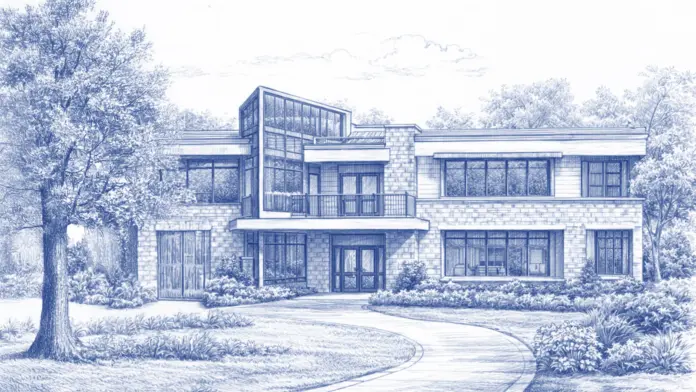
About Oxford House – Grand Island
The nonprofit organization Oxford House has a sober living home for adults in Grand Island, Nebraska. Oxford Houses operate under a unique model where they are largely self governed by residents without a house supervisor or manager. This grants residents recovering from substance use disorder a high degree of freedom, though there are some rules they must abide by to remain in the home.
The program does not accept insurance. Instead, residents cover living expenses together as a requirement to stay. Treatment is not provided by the program, but residents are encouraged to join a group or program in the community.
Promoting Leadership and Self Sufficiency
What sets this house’s model apart from similar transitional living programs is that it’s entirely self governed by residents. Each client has a single vote when establishing rules, roles, and making decisions that impact the group. This includes accepting new applicants.
While all sober living homes promote self sufficiency to a degree, this approach increases each member’s responsibility to themselves and others. This aids in long term recovery by promoting accountability.
Long Term Stays
Another point of interest in the Oxford House model is the length of stay. For some residential and sober living programs, there’s a limit to how long one stays. In this sense, they act as a stepping stone, giving residents a safe place to continue working on sobriety and relapse prevention skills before returning to fully independent living.
Oxford Houses allow residents to stay as long as they like as long as they remain sober and pay expenses. It’s an excellent option for those who may have difficulty finding housing or those who simply wish to remain in a supportive community.
Become Ingrained in Community
The alumni program encourages those who have left Oxford House to remain connected with their community and to provide support to those in the program. Alumni can play an important role in helping others living with drug or alcohol addiction find the program. By simply sharing their own stories, alumni do a lot to support the program’s mission.
Latest Reviews



Rehab Score
 Our Methodology


Location
Other Forms of Payment
Medicaid is a state based program that helps lower-income individuals and families pay for healthcare. Medicaid covers addiction treatment so those enrolled can use their coverage to pay for rehab. When a program accepts Medicaid the client often pays very little or nothing out of their own pocket.
Addiction Treatments
Levels of Care
A sober living home in Nebraska offers an in-between place for recovery as individuals transition from inpatient care to home. Residents must pay rent and contribute to costs of living. Typically, insurance does not cover this housing expense. However, ongoing treatment received while living at a men's or women's sober living home, such as counseling or other outpatient treatment, may be covered.
Treatments
Mental health rehabs focus on helping individuals recover from mental illnesses like bipolar disorder, clinical depression, anxiety disorders, schizophrenia, and more. Mental health professionals at these facilities are trained to understand and treat mental health issues, both in individual and group settings.
In Nebraska, substance abuse treatment programs are available to individuals struggling with addiction, and those with co-occurring mental health disorders. These programs utilize evidence-based therapies such as cognitive-behavioral therapy (CBT), dialectical behavior therapy (DBT), and mindfulness-based interventions. With various treatment options, including outpatient, inpatient, and residential programs, you'll receive expert and personalized care that can help you overcome addiction and meet your unique needs.
Programs
Adult rehab programs include therapies tailored to each client's specific needs, goals, and recovery progress. They are tailored to the specific challenges adult clients may face, including family and work pressures and commitments. From inpatient and residential treatment to various levels of outpatient services, there are many options available. Some facilities also help adults work through co-occurring conditions, like anxiety, that can accompany addiction.
Men face specific challenges and concerns when seeking addiction treatment. Gender-specific recovery programs help them tackle these issues head-on in an environment that's focused, targeted, and distraction-free. It also gives them the opportunity to connect with and learn from other men who have been through a similar journey and can offer support for the next step.
Rehabs for women provide a safe, nurturing space for female clients to heal. These treatment programs consider the specific obstacles that women can face during recovery and place a special emphasis on mental, social, physical, and reproductive health. They explore how each woman's experience has shaped the trajectory of their substance use, addressing issues such as sexual abuse and past trauma.
Recovery is most successful when clients feel accepted and validated by their peers and treatment providers. Facilities that offer LGBTQ-inclusive programming are committed to creating a safe space where everyone can grow and recover without fear of judgment or discrimination. They will have dedicated policies in place to create a safe and supportive environment that fosters free expression.
Clinical Services
In individual therapy, a patient meets one-on-one with a trained psychologist or counselor. Therapy is a pivotal part of effective substance abuse treatment, as it often covers root causes of addiction, including challenges faced by the patient in their social, family, and work/school life.
Amenities
-
 Residential Setting
Rehab.com regularly reviews this listing for accuracy but changes may occur between updates. For the most up-to-date information, please contact Oxford House – Grand Island.
Contact Information

804 W 10th st
Grand Island, NE 68801
Sponsored Helpline

