





























































































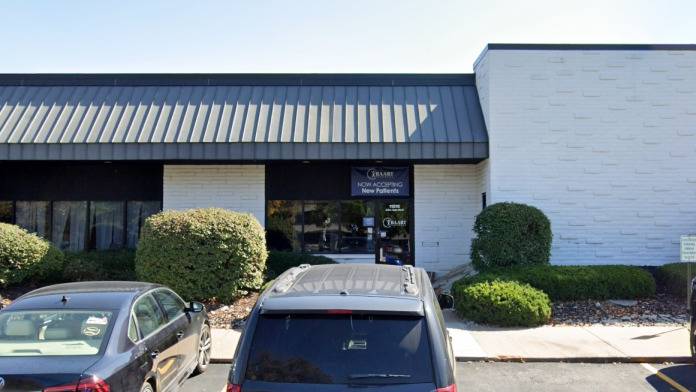
About BAART Programs
We offer outpatient treatments for substance use disorder to fentanyl, heroin, and prescription opioid pain medications. Our main goal is to help individuals in their path to recovery and wellness.
Methadone is a medication that helps treat people living with opioid addiction. It stops the effects of other opioids, helps curve cravings, and makes withdrawal symptoms easier to handle.
At BAART Programs, we ensure that our methadone treatment is tailored to each individual based on their needs.
Latest Reviews



Rehab Score
 Our Methodology


Gallery
Other Forms of Payment
Medicaid is a state based program that helps lower-income individuals and families pay for healthcare. Medicaid covers addiction treatment so those enrolled can use their coverage to pay for rehab. When a program accepts Medicaid the client often pays very little or nothing out of their own pocket.
Medicare is a federal program that provides health insurance for those 65 and older. It also serves people under 65 with chronic and disabling health challenges. To use Medicare for addiction treatment you need to find a program that accepts Medicare and is in network with your plan. Out of pocket costs and preauthorization requirements vary, so always check with your provider.
Per session payment lets you pay for each treatment at the time of service. You may also pay for a certain number of sessions up front and then pay for more if needed. This format allows you to tailor the financial investment to your specific needs and avoid having a large lump sum payment due at the end of the treatment program.
Private insurance refers to any kind of healthcare coverage that isn't from the state or federal government. This includes individual and family plans offered by an employer or purchased from the Insurance Marketplace. Every plan will have different requirements and out of pocket costs so be sure to get the full details before you start treatment.
Self-pay involves paying for treatment out of your own pocket. You can use savings or credit, get a personal loan, or receive help from family and friends to fund your treatment. If you don't have insurance or your insurance plan doesn't cover a specific program, self-pay can help ensure you still get the care you need.
Sliding scale payments are based on a client's income and family size. The goal is to make treatment affordable to everyone. By taking these factors into account, addiction recovery care providers help ensure that your treatment does not become a financial burden to you or your family, eliminating one barrier to care.
 Monthly
 Daily
DailyAddiction Treatments
Levels of Care
Medical detox is the process of removing alcohol and drugs from your body in a medically supervised environment and helping manage withdrawal symptoms. If you've become dependent on alcohol and some drugs (like benzodiazepines and opioids), quitting on your own can be uncomfortable and even dangerous. In an inpatient environment, you will be monitored by a team of medical professionals who will help keep you as safe and comfortable as possible throughout the process.
Outpatient rehabs are often ideally suited for clients exiting intensive inpatient care, those who are medically stable, and those not at an elevated relapse risk. They also offer flexibility for clients who may be unable to leave their work or family to receive inpatient care. Many outpatient treatment centers provide a full suite of services, including recovery education, medication assisted treatment (MAT), and individual, group, and family counseling. Ancillary services, including peer coaching and vocational training, are widely available.
Rehab aftercare programs ensure clients receive a complete continuum of care after completing high-level treatment in a detox center or inpatient rehab. Clients typically partner with their case manager and care team to outline their specific recovery needs and goals. Rehab aftercare services are often highly customized and designed to evolve as clients progress in their recovery. Standard services include outpatient treatment and peer coaching, career counseling, and 12 step program induction following outpatient care.
Telehealth offers multiple benefits for patients and healthcare providers. It offers convenience, increased access, and cost savings. Telehealth services in Nebraska range from public broadcast messaging to one-on-one sessions with a mental health professional.
Treatments
During drug rehab in Nebraska, you'll participate in therapies that address the many issues that contribute to addiction. Treatment includes physical, mental, emotional, and relational aspects. These methods provide the tools you need to achieve long-term recovery.
 Opioid Addiction
In Nebraska, substance abuse treatment programs are available to individuals struggling with addiction, and those with co-occurring mental health disorders. These programs utilize evidence-based therapies such as cognitive-behavioral therapy (CBT), dialectical behavior therapy (DBT), and mindfulness-based interventions. With various treatment options, including outpatient, inpatient, and residential programs, you'll receive expert and personalized care that can help you overcome addiction and meet your unique needs.
Clinical Services
Cognitive behavioral therapy in Nebraska is often the preferred method of treatment for substance use. In just a few sessions, clients can learn how to identify challenges and start to develop healthy coping methods to manage them.
The premise of dialectical behavior therapy is that many problems are due to a lack of skills to properly handle them. This therapy aims to give you the skills to manage your emotions and challenging situations so you can live a healthier, productive life.
Group therapies are a safe place for people to express their feelings and openly discuss their problems and issues as they relate to addiction, relationships, work, and other challenges associated with drug and alcohol addiction. Within a group therapy environment, you can share each other's responsibility for recovery, creating a network of mutual support.
Collaboration is key during individual therapy. This requires a trusting relationship between the therapist and the patient so that personal experiences and emotional struggles can be addressed in a nonjudgmental environment, building the patient's resilience and providing a foundation for sustainable recovery.
Life skills training helps you make good decisions, communicate effectively, and lead a balanced lifestyle. They range from self management to interpersonal skills. Because these are crucial for recovery, life skills training is an integral part of rehab programs in Nebraska.
Amenities
-
 Private setting
Accreditations

The Substance Abuse and Mental Health Services Administration (SAMHSA) is a branch of the U.S. Department of Health and Human Services. Established in 1992 by congress, SAMHSA's mission is to reduce the impact of substance abuse and mental illness on American's communities.
SAMHSA Listed: Yes

The Commission on Accreditation of Rehabilitation Facilities (CARF) is a non-profit organization that specifically accredits rehab organizations. Founded in 1966, CARF's, mission is to help service providers like rehab facilities maintain high standards of care.
CARF Accreditation: Yes

State Licenses are permits issued by government agencies that allow rehab organizations to conduct business legally within a certain geographical area. Typically, the kind of program a rehab facility offers, along with its physical location, determines which licenses are required to operate legally.
State License: Nebraska
Rehab.com regularly reviews this listing for accuracy but changes may occur between updates. For the most up-to-date information, please contact BAART Programs.
Contact Information


11215 John Galt Blvd
Omaha, NE 68137
Sponsored Helpline

