






























































































1/5 – Deeply Disappointing and Harmful Experience My experience at Pace Recovery Center was one of the most disempowering, disorganized, and emotionally unsafe healthcare encounters I’ve ever had. From the start, the environment felt punitive rather than therapeutic. S ...
About Pace Recovery Center
PACE Recovery Center, in Newport Beach, California, is a CARF accredited addiction treatment facility. Their core focus is serving adult men aged 18 to 35 battling addiction, mental health conditions, trauma and other life challenges. Older clients may also receive support here in certain cases.
You can begin your recovery journey through their detox center , residential program or outpatient options. Most major private insurance plans are accepted, as well as self pay. Financing is available for some programs. Their admissions team can support you in verifying your insurance benefits and understanding payment options.
A Men’s Only Residential Drug Rehab in Southern California
What stands out most to me is their luxurious, gender specific facility. Enjoy upscale and modern accommodations within a private residential setting. They strive to ensure you’re comfortable during your stay.
They’re also close to the beach. You’ll have ample opportunities to enjoy the soothing sound of ocean waves, the fresh sea breeze and mindful walks in the sand. You’ll benefit from plenty of space and chances for reflection.
Tailored Holistic Services
Another great thing I noticed was their holistic approach. You can participate in experiential therapy, trauma therapy, and other holistic activities. You’ll discover new healthy ways to manage stress and express emotions.
The treatment center features an on site chef who cooks up wholesome, nutritious meals to fuel your healing journey. Recreational amenities include basketball and volleyball courts, game rooms, outdoor spaces, and fitness facilities.
Setting You Up for Lasting Recovery
They also help you improve other essential recovery factors. They encourage family involvement through family therapy and offer life skills coaching. You can access support with career planning, personal finance management, academic support and health education.
Latest Reviews
Pace had a huge impact on my life and my recovery. I recently celebrated five years sober, and that journey started at Pace. What stood out most to me was how much the staff genuinely cared about me as a person, not just as someone going through treatment. The relationships I built there and the things I learned about myself have stayed with me long after leaving California. I’m incredibly grateful for my experience at Pace and for the people who were part of such an important chapter of my life. I highly recommend Pace to anyone who is struggling and looking for a new beginning.
PACE had a massive impact on my life. Lenny, Jordan, Drew, and Bryan were a big and essential part of that. They gave me a lot more than just support while I was there. They became mentors to me and helped shape the way I look at life, recovery, and myself.
They held me accountable when I needed it, had real conversations with me, and genuinely cared about where my life was going. A lot of the growth I’ve had started with the people and relationships I built at PACE.
I’ll always be grateful for them and for the role PACE played in my life.
My brother went through PACE and my whole family is grateful. This was not our first rehab experience sadly so we had something to compare it too. We toured the program & were impressed across the board. The clinical staff treated us with empathy and totally understood my brother. The facilities were great, right near the beach. As a nurse, it was important for me that he was safe and PACE provided that. I got to speak with PACE nursing staff which was comforting. My brother appreciated the activities & I can tell he’s made some life long relationships. This has been a long journey for us as a family, but I’ve started to get my brother back which makes me happy! Thanks to PACE & the whole team. Impressive program

Rehab Score
 Our Methodology
Scoring is assigned by a proprietary system which helps surface key metrics that determine quality. The 10-point scale factors in categories such as operations, customer satisfaction, and trust metrics. Read Full Methodology

8 / 10
Gallery




Accepted Insurance
Other Forms of Payment
Self-pay involves paying for treatment out of your own pocket. You can use savings or credit, get a personal loan, or receive help from family and friends to fund your treatment. If you don't have insurance or your insurance plan doesn't cover a specific program, self-pay can help ensure you still get the care you need.
Private insurance refers to any kind of healthcare coverage that isn't from the state or federal government. This includes individual and family plans offered by an employer or purchased from the Insurance Marketplace. Every plan will have different requirements and out of pocket costs so be sure to get the full details before you start treatment.
Addiction Treatments
Levels of Care
Outpatient Programs (OP) are for those seeking mental rehab or drug rehab, but who also stay at home every night. The main difference between outpatient treatment (OP) and intensive outpatient treatment (IOP) lies in the amount of hours the patient spends at the facility. Most of the time an outpatient program is designed for someone who has completed an inpatient stay and is looking to continue their growth in recovery. Outpatient is not meant to be the starting point, it is commonly referred to as aftercare.
Drug and alcohol addiction often takes a heavy toll on one’s body. Over time, a physical dependence can develop, meaning the body physiologically needs the substance to function. Detox is the process of removing drugs and/or alcohol from the body, a process that can be lethal if mismanaged. Medical detox is done by licensed medical professionals who monitor vital signs and keep you safe, healthy, and as comfortable as possible as you go through detox and withdrawal.
Completing a drug or alcohol rehab program shouldn't spell the end of substance abuse treatment. Aftercare involves making a sustainable plan for recovery, including ongoing support. This can include sober living arrangements like halfway houses, career counseling, and setting a patient up with community programs like Alcoholics Anonymous (AA) or Narcotics Anonymous (NA).
Inpatient rehab provides intensive treatment for clients exiting detox, those in early recovery, and those at an elevated risk of relapse. Unlike outpatient drug rehab, clients receiving inpatient care reside at the facility for the duration of the program. The length of stay may range from two weeks to 18 months or more, depending on the client's needs and the program's design. Inpatient treatment typically involves extensive addiction education and recovery-focused life skills training.
Participants engaged in 12 step programs receive intensive peer coaching (sponsorship) and community support. Spiritual development as a means of achieving psychological and emotional healing and growth is the cornerstone of 12 step recovery, but religious affiliations are not required. Meetings are free, anonymous, and open to the public, though specialized formats are available, including groups for seniors, teens, and family members. Evening, night, and day meetings are conducted year-round in most communities.
Programs
Adult rehab programs include therapies tailored to each client's specific needs, goals, and recovery progress. They are tailored to the specific challenges adult clients may face, including family and work pressures and commitments. From inpatient and residential treatment to various levels of outpatient services, there are many options available. Some facilities also help adults work through co-occurring conditions, like anxiety, that can accompany addiction.
Recovery is most successful when clients feel accepted and validated by their peers and treatment providers. Facilities that offer LGBTQ-inclusive programming are committed to creating a safe space where everyone can grow and recover without fear of judgment or discrimination. They will have dedicated policies in place to create a safe and supportive environment that fosters free expression.
Serving in the military is both mentally and physically challenging, and can result in trauma that persists even after combat ends. Military programs are tailored to the specific and often complex needs of active duty personnel, veterans, and military families. Clients often access these programs through the U.S. Department of Veterans Affairs (VA).
Clinical Services
Cognitive behavioral therapy in California is a method that therapists often use for the effective treatment of substance use disorders. It is based on the principle that substance abuse stems from unhelpful ways of thinking and patterns of behavior, which can be changed by helping the individual learn better ways of coping.
For clients who are struggling with ambivalence toward change, motivational interviewing in California can help strengthen their commitment to change. Using a conversational method, the therapist helps you explore your motivations and empowers you to make the changes you desire.
While participating in dialectical behavior therapy in California, you'll focus on four key areas of skill development: mindfulness, interpersonal effectiveness, emotion regulation, and distress tolerance. Treatment includes weekly individual and group sessions.
Family therapy offers a platform for members to have an open dialogue about the challenges that addiction has placed on the family unit. Through guided sessions, therapists can help families develop healthy communication skills and address unresolved issues. By working together toward a common goal, they help to support their loved one's sobriety.
Individual therapy for drug addiction includes a customized treatment plan that considers your history and life circumstances. During your therapy sessions, the therapist helps you uncover underlying issues and triggers for addictive behavior that support a holistic approach to recovery.
During group therapy, men and women learn to express their emotions openly in a non judgmental setting. This helps you process your feelings and reduces feelings of social isolation that are often associated with addiction.
The goal of couples therapy in California is to strengthen the couple's relationship. The therapist may take one or more approaches to counseling which may include the Gottman method, emotionally focused therapy, behavioral therapy, and psychodynamic couple's therapy.
Amenities
-
 Private Transportation
 -
 Residential Setting
Staff & Accreditations
Staff
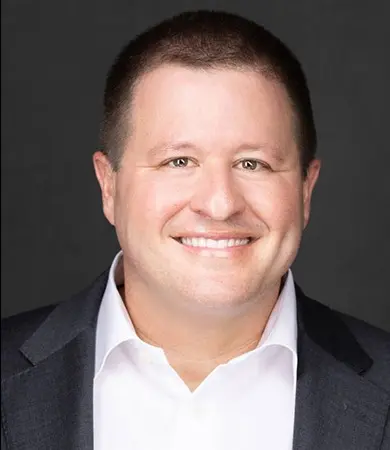
Lenny Segal, LMSW, MBA
Executive Director & Founder
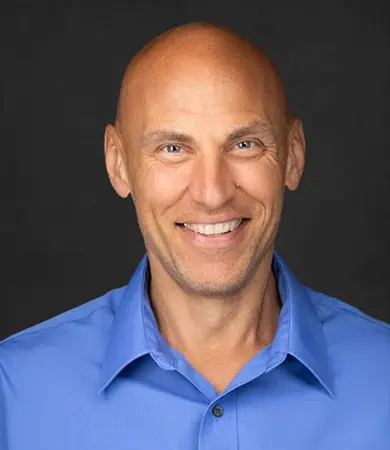
Andrew Schneider, DO
Medical Director
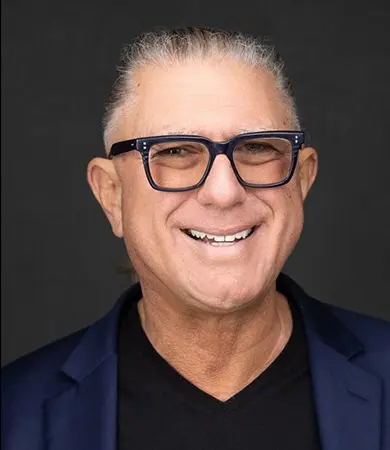
Shahan Suzmeyan
Chief Strategy Officer
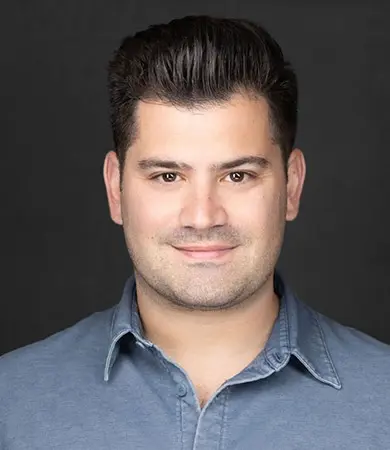
Jordan Spektor, MBA
Chief Development Officer

Will Sanchez, LMFT, SEP
Clinical Director
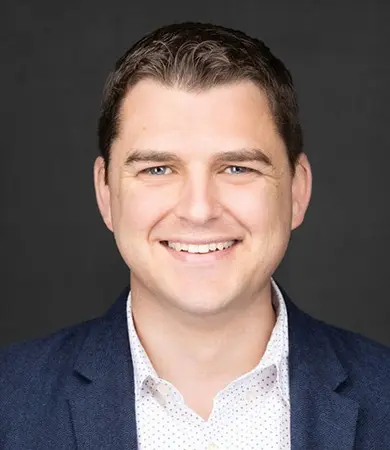
Brett Furst, PsyD., LMFT
Director of Specialty Services

Rita Yacoub, LMFT APCC
Director of Continuing Care

Bryan Johnson, AMFT, CADC-I
Director of Operations
Accreditations

The Commission on Accreditation of Rehabilitation Facilities (CARF) is a non-profit organization that specifically accredits rehab organizations. Founded in 1966, CARF's, mission is to help service providers like rehab facilities maintain high standards of care.
CARF Accreditation: Yes

The National Association of Addiction Treatment Providers (NAATP) is a professional association that represents organizations in the field of addiction services. Founded in 1978, NAATP's mission is to advance addiction services and ensure that high-quality addiction treatment is available and accessible.
NAATP Member: Yes
Rehab.com regularly reviews this listing for accuracy but changes may occur between updates. For the most up-to-date information, please contact Pace Recovery Center.
Contact Information

20051 South West Birch Street
Newport Beach, CA 92660
Get Help Now - 949-484-8743
Sponsored Helpline
Sponsored Helpline


