





























































































About The Passion Care Center, Inc.
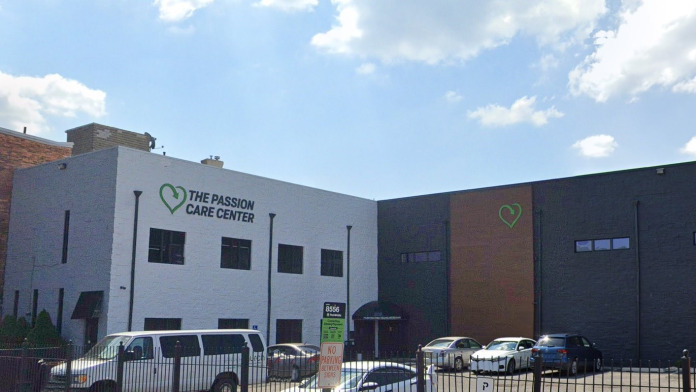
The Passion Care Center provides mental health and substance use disorder treatment for adults and adolescents in Perth Amboy, New Jersey. Clients can receive case management services, general and intensive outpatient care, and laboratory services. The facility also offers medication assisted treatment.
Holistic Treatment Services For Healing
The facility gives clients an opportunity to engage in holistic therapies at different times throughout the year. Some of the approaches that can be incorporated into your treatment include yoga, art therapy, music, and aromatherapy. These treatments can show you new ways that you can reduce your stress and boost your mood without using substances.
Specialized Outpatient Treatment For Adolescent
Through the 360 Community Youth Program that they sponsor, The Passion Care Center offers adolescent bilingual treatment for substance use. The goal of the service is to reduce the rate of substance use among middle and high schoolers.
Adolescents will be assigned a licensed counselor and therapists who work with them throughout their treatment. Some of the treatments that will be used to treat adolescents include recreational activities, motivational interviewing and cognitive behavioral therapy.
Medication Recovery Services to Manage Withdrawal
The facility offers buprenorphine or Vivitrol to assist with managing withdrawal symptoms and cravings. Individuals can schedule an appointment with one of the substance use counselors and meet with the medical team to determine if medication is an appropriate treatment for their needs.
In one review, a client described the Passion Care Center as one of the best counseling agencies. Another reviewer described the staff as an exceptional group of people from the front desk to the individual counselors.
Latest Reviews



Rehab Score
 Our Methodology


Gallery
Other Forms of Payment
Private insurance refers to any kind of healthcare coverage that isn't from the state or federal government. This includes individual and family plans offered by an employer or purchased from the Insurance Marketplace. Every plan will have different requirements and out of pocket costs so be sure to get the full details before you start treatment.
Self-pay involves paying for treatment out of your own pocket. You can use savings or credit, get a personal loan, or receive help from family and friends to fund your treatment. If you don't have insurance or your insurance plan doesn't cover a specific program, self-pay can help ensure you still get the care you need.
Medicare is a federal program that provides health insurance for those 65 and older. It also serves people under 65 with chronic and disabling health challenges. To use Medicare for addiction treatment you need to find a program that accepts Medicare and is in network with your plan. Out of pocket costs and preauthorization requirements vary, so always check with your provider.
Medicaid is a state based program that helps lower-income individuals and families pay for healthcare. Medicaid covers addiction treatment so those enrolled can use their coverage to pay for rehab. When a program accepts Medicaid the client often pays very little or nothing out of their own pocket.
Addiction Treatments
Levels of Care
Outpatient Programs (OP) are for those seeking mental rehab or drug rehab, but who also stay at home every night. The main difference between outpatient treatment (OP) and intensive outpatient treatment (IOP) lies in the amount of hours the patient spends at the facility. Most of the time an outpatient program is designed for someone who has completed an inpatient stay and is looking to continue their growth in recovery. Outpatient is not meant to be the starting point, it is commonly referred to as aftercare.
Intensive Outpatient Programs (IOP) are for those who want or need a very structured treatment program but who also wish to live at home and continue with certain responsibilities (such as work or school). IOP substance abuse treatment programs vary in duration and intensity, and certain outpatient rehab centers will offer individualized treatment programs.
A medical detox is the safest way to wean your body off addictive substances. When you become physically dependent on alcohol or drugs, quitting abruptly can cause a host of challenging and uncomfortable withdrawal symptoms. In medically assisted detox, a team of medical professionals will be on hand to monitor any symptoms, to provide medication if possible, and to help keep you as safe and as comfortable as possible throughout this process.
Participants in 12 step programs engage in a rigorous process of personal growth as a cornerstone of long-term recovery. They are expected to attend anonymous, peer-led 12 step meetings, which are free, open to the public, and available multiple times per day in most communities. Though these programs are rooted in spiritual principles, religious affiliation is not required. Self-selected peer sponsors mentor participants as they work through the 12 steps, learning forgiveness, understanding, acceptance, and accountability.
Treatments
The goal of treatment for alcoholism is abstinence. Those with poor social support, poor motivation, or psychiatric disorders tend to relapse within a few years of treatment. For these people, success is measured by longer periods of abstinence, reduced use of alcohol, better health, and improved social functioning. Recovery and Maintenance are usually based on 12 step programs and AA meetings.
Drug rehab in New Jersey is the process of addressing the complex issues involved with addiction. Challenges are identified and addressed through individual and group counseling. Participants learn how to manage these issues without the use of substances.
Many of those suffering from addiction also suffer from mental or emotional illnesses like schizophrenia, bipolar disorder, depression, or anxiety disorders. Rehab and other substance abuse facilities treating those with a dual diagnosis or co-occurring disorder administer psychiatric treatment to address the person's mental health issue in addition to drug and alcohol rehabilitation.
Opioid rehabs specialize in supporting those recovering from opioid addiction. They treat those suffering from addiction to illegal opioids like heroin, as well as prescription drugs like oxycodone. These centers typically combine both physical as well as mental and emotional support to help stop addiction. Physical support often includes medical detox and subsequent medical support (including medication), and mental support includes in-depth therapy to address the underlying causes of addiction.
Substance rehabs focus on helping individuals recover from substance abuse, including alcohol and drug addiction (both illegal and prescription drugs). They often include the opportunity to engage in both individual as well as group therapy.
Programs
Adult rehab programs include therapies tailored to each client's specific needs, goals, and recovery progress. They are tailored to the specific challenges adult clients may face, including family and work pressures and commitments. From inpatient and residential treatment to various levels of outpatient services, there are many options available. Some facilities also help adults work through co-occurring conditions, like anxiety, that can accompany addiction.
Clinical Services
Cognitive behavioral therapy (CBT) in New Jersey typically follows a set structure of treatment. The therapist helps clients identify their life challenges and their thoughts surrounding those challenges. The client then learns to identify unhealthy thought patterns and reshape those into healthy patterns of thinking and behavior.
Group therapy is any therapeutic work that happens in a group (not one-on-one). There are a number of different group therapy modalities, including support groups, experiential therapy, psycho-education, and more. Group therapy involves treatment as well as processing interaction between group members.
During individual therapy for drug addiction, patients receive a customized and tailored approach to understanding their unique circumstances and providing them with targeted interventions. These include coping skills, relapse prevention plans, and developing resilience, all of which are essential for long term recovery.
Motivational interviewing helps clients find their motivation to change. It can be an effective method to work with clients who are angry or hostile or feel insecure about their ability to make changes in their lives. It is often used during addiction treatment or to manage physical health conditions.
Family therapy sessions address addiction related conflicts and other issues between members of the family unit. By strengthening communication and coping skills, as well as creating a nurturing environment, the family can help support their loved one's recovery.
Recreational therapy is a dynamic approach to addiction treatment in New Jersey. It integrates activities like music therapy, team sports, and gardening so you have a therapeutic outlet for your emotions and stress. This improves your physical and mental health and helps you develop new skills to support a sober lifestyle.
Staff
Eli Santiago
Founder & President
Viviana Gonzalez
Case Manager
Kassandra Rodriguez, MA, LPC, NCC
Mental Health Counselor
Rehab.com regularly reviews this listing for accuracy but changes may occur between updates. For the most up-to-date information, please contact The Passion Care Center, Inc..
Contact Information


187 Fayette St
Perth Amboy, NJ 08861
Sponsored Helpline



