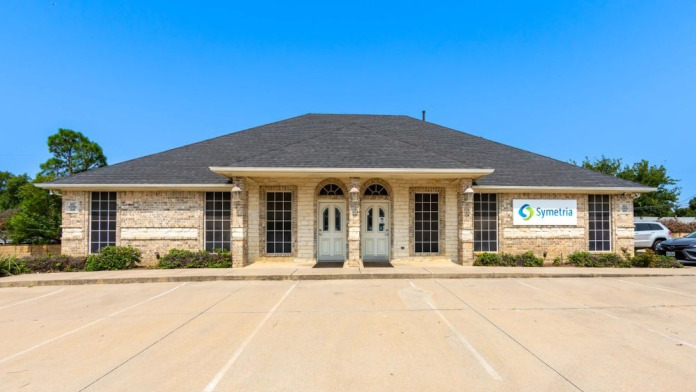
Symetria — Hurst Outpatient Rehab & Suboxone Clinic
1
Top 10 Rehab Centers In Hurst



















































































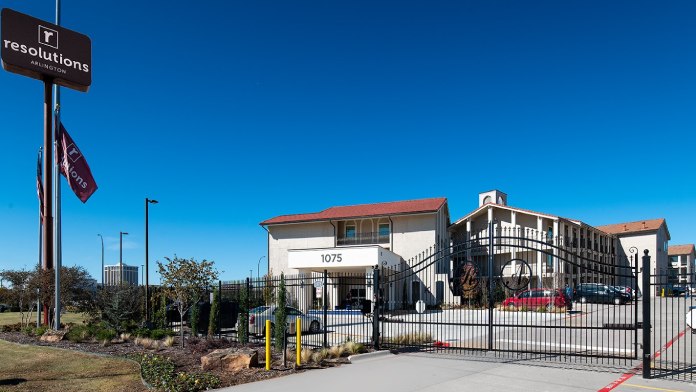
Resolutions Arlington is a sober living program in Arlington, Texas helping adults transitioning out of inpatient, residential or intensive addiction treatment.
Operated in connection with Greenhouse Treatment Center and American Addiction Centers it combines apartment living with daily structure, peer accountability, recovery meetings and continued outpatient care.
The program is designed as a bridge to independence for people who aren’t yet ready to return to a triggering home environment.
Resolutions Arlington focuses on recovery housing that helps you rebuild sustainable routines while returning to work, family and community life.
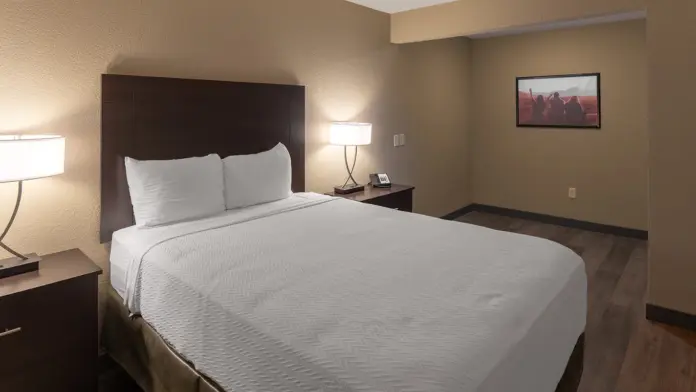
Men and women are housed in separate quarters with private bathrooms. Daily transportation is provided to therapy and support meetings.
You’ll follow a recovery oriented schedule that includes 12 Step and SMART Recovery meetings, house responsibilities, community gatherings and curfews that balance accountability with your growing freedom.
You can continue Greenhouse outpatient services, including partial hospitalization and intensive outpatient care, counseling, therapy and case management.
Treatment approaches include cognitive behavioral therapy, dialectical behavior therapy, trauma based therapies and relapse prevention along with psychiatric care and medication assisted treatment for co occurring conditions.

 Our Methodology


Private insurance refers to any kind of healthcare coverage that isn't from the state or federal government. This includes individual and family plans offered by an employer or purchased from the Insurance Marketplace. Every plan will have different requirements and out of pocket costs so be sure to get the full details before you start treatment.
Self-pay involves paying for treatment out of your own pocket. You can use savings or credit, get a personal loan, or receive help from family and friends to fund your treatment. If you don't have insurance or your insurance plan doesn't cover a specific program, self-pay can help ensure you still get the care you need.
Financial aid can take many forms. Centers may have grants or scholarships available to clients who meet eligibility requirements. Programs that receive SAMHSA grants may have financial aid available for those who need treatment as well. Grants and scholarships can help you pai for treatment without having to repay.
After completing some form of inpatient care, many clients transition or step down to an outpatient rehab, while some choose to transition from detox directly into outpatient care. High-intensity outpatient programming, including partial hospitalization (PHP) and intensive outpatient (IOP) is widely available for clients in early recovery, those leaving detox, and those at an elevated relapse risk. Clients in outpatient care generally engage in robust addiction counseling and recovery education, and some also receive medication assisted treatment (MAT).
Inpatient rehab programs are geared toward clients in early recovery. They also provide intensive support for clients in crisis and those at an increased relapse risk. Clients receive housing and meals while in inpatient care, allowing them to focus solely on their recovery. Most programs prioritize addiction counseling but may draw on various psychotherapeutic modalities, including CBT, DBT, RBT, trauma therapy, and motivational interviewing. Life skills training and holistic therapies are also common in inpatient care.
Intensive outpatient programs offer high-level care for clients as an increased risk of relapse, including those in early recovery, those with a strong history of relapse, and those experiencing a crisis. Intensive outpatient treatment typically requires clients to engage in nine to 20 hours of care weekly, with treatment modalities that combine psychotherapy and recovery education, and holistic therapies, such as acupuncture and animal therapy. Medication assisted treatment (MAT) is also common in alcohol and/or opioid recovery.
Sober Living Houses (SLHs), aka sober homes or halfway houses, are safe, substance-free, supportive living facilities for those recovering from substance abuse. Ideal for those who've just been through inpatient or outpatient treatment, SLHs are supervised environments with rules that support sobriety, such as curfews, shared chores, and therapeutic meetings. Residents are also often trained on life skills and coping skills to make it easier to transition into society. SLHs also provide a strong sense of community that can lead to the kind of deep and lasting connections with other sober individuals that supports a new, healthy lifestyle.
A drug intervention in Texas may be necessary if your loved one is in denial about a substance use disorder. You can partner with intervention services to plan and execute an effective intervention that educates your loved one about addiction and encourages them to get the treatment they need. Many rehab centers offer intervention specialists who can facilitate the intervention and help with a seamless transition to inpatient rehab for treatment.
Commonly known as "day treatment," a partial hospitalization program (PHP) offers intensive addiction treatment while allowing you to return home each day. It can serve as an alternative to inpatient hospitalization or as a step-down option. Depending on your needs, PHP treatment typically averages 90 days with a weekly requirement of 6-8 hours a day. PHP treatment offers a variety of therapeutic interventions such as individual counseling, group therapy, and psychoeducation. Oftentimes PHP treatment can be fully covered by insurance.
Adult rehab programs include therapies tailored to each client's specific needs, goals, and recovery progress. They are tailored to the specific challenges adult clients may face, including family and work pressures and commitments. From inpatient and residential treatment to various levels of outpatient services, there are many options available. Some facilities also help adults work through co-occurring conditions, like anxiety, that can accompany addiction.
Young adulthood can be an exciting, yet difficult, time of transition. Individuals in their late teens to mid-20s face unique stressors related to school, jobs, families, and social circles, which can lead to a rise in substance use. Rehab centers with dedicated young adult programs will include activities and amenities that cater to this age group, with an emphasis on specialized counseling, peer socialization, and ongoing aftercare.
The goal of cognitive behavioral therapy (CBT) in Texas is to change thought patterns, which leads to changes in behavior. Specific techniques during CBT can include self talk, SMART goals, journaling, and positive activities.
Treatment that takes a dialectical behavior therapy approach focuses on four strategies. Distress tolerance will help you accept and tolerate intense emotions. Emotional regulation will teach you to manage those emotions. Mindfulness will keep you in the present moment instead of regret or worry. Interpersonal effectiveness will teach you to manage your relationships.
Therapy sessions that incorporate motivational interviewing focus on OARS: open questions, affirmation, reflections, and summarizing. This facilitates an exchange of information and an empowering of the client to decide for themselves what changes might need to be made in their lives.
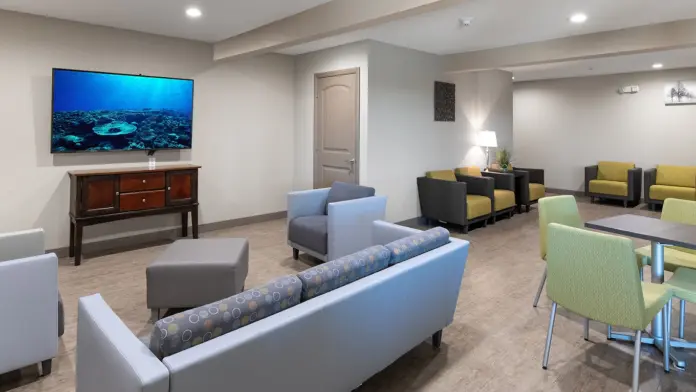
 Private Rooms
  Residential Setting
Facility Executive Director

Medical Director

Clinical Director

VP of Military & Veteran Affairs
Director of Community Affairs

Director of Facility Operations

Program Manager

Business Office Manager

The Commission on Accreditation of Rehabilitation Facilities (CARF) is a non-profit organization that specifically accredits rehab organizations. Founded in 1966, CARF's, mission is to help service providers like rehab facilities maintain high standards of care.
CARF Accreditation: Yes
Rehab.com regularly reviews this listing for accuracy but changes may occur between updates. For the most up-to-date information, please contact Resolutions Arlington.

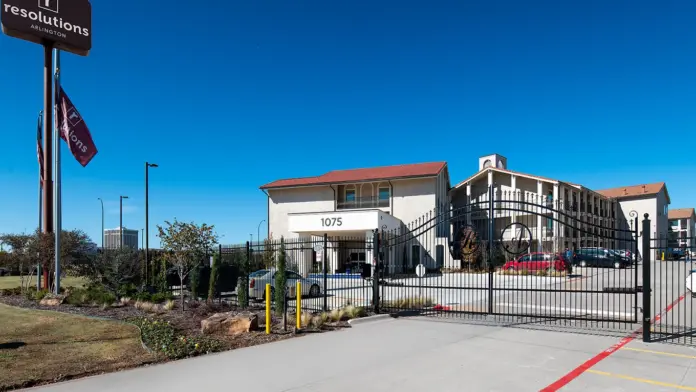
1075 Wet N Wild Way
Arlington, TX 76006
Sponsored Helpline

So a place that is revolved around helping addicts recover and feel safe. Is kicking me out after I had made prior arrangements revolved around my October 2nd discharge date. I wasn't told until 2 days before my new discharge date that i had to leave i was told by my therapist I was good till October I asked to stay the weekend knowing I have a place to go that following Monday another sober living facility and it all came down to one man's decision Charles over at greenhouse. He said and I quote "its his fault i don't have things lined up for my discharge date". Every person ive met here therapist wise case worker they all went to bat for me to get me the extra days for the weekend.as they have seen my growth and willingness to change and I was told Charles has done it for other clients and I just drew the short straw , please do not be fooled all you are is a dollar sign in there eyes. That fact that I have proof from my therapist threw text telling me im good till October and it all came down to people coming in to take my bed and im to blame for not having a place to go . I plan on uploading the messages from me n my therapist ill block out his number n name for privacy reasons They made arrangements for other clients before this is how the head honcho ( Charles) for the greenhouse programming throws clients to the wolves and blames

Overall a good place with good people. Only real problem is that almost all the washers and dryers are broke. Hopefully they will get fixed soon. Otherwise would recommend this to place to anyone trying to get sober.

Excellent Sober Living Community

I’m a disabled veteran Not hospitable to wheelchairs Washing machines hardly ever work Always understaffed
 Back
Back
Sharing your insights and experiences can help others learn more about this rehab center.