






























































































Terrible experience. They used to have two levels, if you got to the second level, you had certain benefits. Going outside was one of those benefits. When I reached that level, I only went out ONCE. The other times I asked, they IGNORED me. At one point, I got super an ...
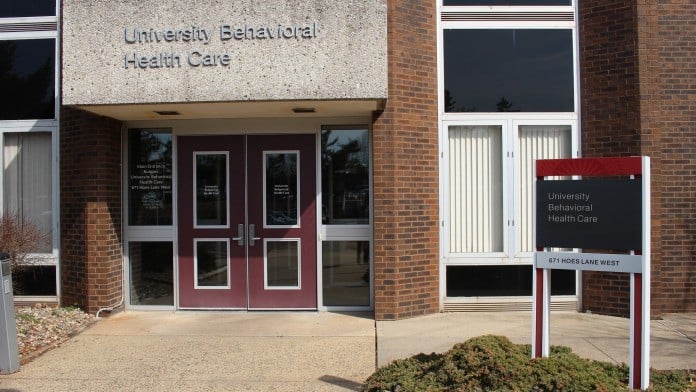
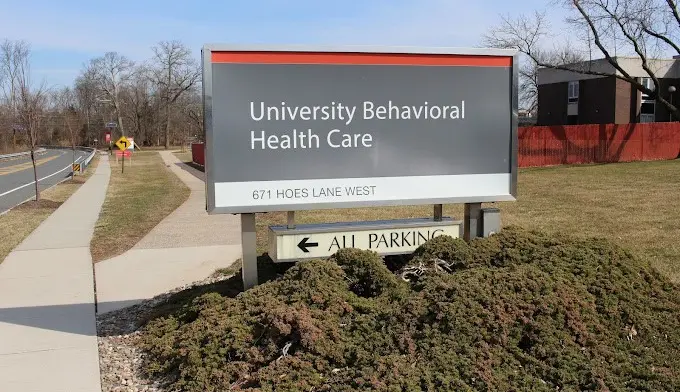
About University Behavioral Health Care at Piscataway – Main Building Rutgers Health
They provide group and individual therapy, psychoeducation and psychiatric evaluation. Participants in the program are encouraged to set and achieve goals on a daily basis. They provide services for addiction and recovery, life skill development, medication management and education. They also offer case management and wellness counseling that encompasses quitting smoking, prevocational services and family support.
Cognitive behavioral therapy, dialectical behavior therapy, and art and music therapy, as well as horticulture therapy and trauma treatment are some of their speciality services. They offer coordination of care with medical providers. They offer transportation as well as referrals and connections to housing and job services.
An alternative to inpatient detoxification is their medically supervised ambulatory withdrawal management program. As part of their outpatient treatment, patients collaborate closely with a psychiatrist. Hypnotics, sedatives and opiate withdrawal are all part of their program. Even though alcohol may be present, those experiencing moderate to severe alcohol withdrawal are referred to receive more advanced care.
Medication assisted therapy and evidence based group therapies are among the services this program offers. For people of all ages, they offer both on and off site psychiatric emergency and crisis intervention services. They have 24 hour walk in services for patients of all ages who require emergency psychiatric care. They provide up to 24 hours of stabilizing treatment in a three bed crisis unit. Crisis counselors are on duty at their 24 hour hotline.
Latest Reviews
From a Grateful Mom
We arrived at Rutgers UBHC from the ER in crisis because they had the first available bed. I am so thankful they were the ones who could take us. They saved my teenage daughter’s life, and I will forever be grateful.
The team’s impact was immediate and lasting. They made her feel safe, deeply cared for, and truly understood, while guiding us through a clear plan for moving forward. Their professionalism, compassion, and genuine support made all the difference. She even told me she missed UBHC when she came home.
As a parent facing this for the first time, I read the reviews while she was there and felt genuine concern. I felt compelled to share our experience because parents should not be discouraged by these negative reviews.
In a world where mental health care can feel overwhelming, UBHC is a place I will always remember with deep gratitude. Thank you so much.
I usually don't write reviews unless it's necessary for others to be aware of. I just want to say that at first I was a bit uneasy about leaving a family member here due to the reviews.
I will say that the admitting process is long. It is important for others to realize once you enter the building you would not be able to leave as part of their policies, which is something I wish I knew to ensure I had my necessities (phone charger, blanket, and snacks) to be comfortable with the long wait. So have someone else get these items.
The staff were excellent, particularly Aubrey and Alex, who ensured the admission process went as smoothly and quickly as possible. Once you get upstairs, the nurses and staff really ensure that the person being admitted will be okay. The first few nights were scary, but as the days went by, my family and I felt sure that my family member was safe and well taken care of. The discharge process went more smoothly than at the beginning, as we received direct answers and resources. I hope this helps anyone going to this facility.
we love you double a battery ❤️ #a-aron

Rehab Score
 Our Methodology
Scoring is assigned by a proprietary system which helps surface key metrics that determine quality. The 10-point scale factors in categories such as operations, customer satisfaction, and trust metrics. Read Full Methodology

5.5 / 10
Gallery
Other Forms of Payment
Medicaid is a state based program that helps lower-income individuals and families pay for healthcare. Medicaid covers addiction treatment so those enrolled can use their coverage to pay for rehab. When a program accepts Medicaid the client often pays very little or nothing out of their own pocket.
Sliding scale payments are based on a client's income and family size. The goal is to make treatment affordable to everyone. By taking these factors into account, addiction recovery care providers help ensure that your treatment does not become a financial burden to you or your family, eliminating one barrier to care.
Medicare is a federal program that provides health insurance for those 65 and older. It also serves people under 65 with chronic and disabling health challenges. To use Medicare for addiction treatment you need to find a program that accepts Medicare and is in network with your plan. Out of pocket costs and preauthorization requirements vary, so always check with your provider.
Self-pay involves paying for treatment out of your own pocket. You can use savings or credit, get a personal loan, or receive help from family and friends to fund your treatment. If you don't have insurance or your insurance plan doesn't cover a specific program, self-pay can help ensure you still get the care you need.
Private insurance refers to any kind of healthcare coverage that isn't from the state or federal government. This includes individual and family plans offered by an employer or purchased from the Insurance Marketplace. Every plan will have different requirements and out of pocket costs so be sure to get the full details before you start treatment.
Addiction Treatments
Levels of Care
Clients often enter inpatient rehab following detox, but they may also enroll during early recovery or at an increased risk of relapse. Inpatient rehabs provide housing, meals, and intensive clinical supervision, allowing clients to focus exclusively on their recovery in a highly structured and supportive environment. Clients typically receive multiple individual, group, and/or family therapy sessions weekly. Many programs also offer extensive addiction education and recovery-focused life skills training. Integrative inpatient rehabs provide holistic therapies as well.
Treatments
The goal of treatment for alcoholism is abstinence. Those with poor social support, poor motivation, or psychiatric disorders tend to relapse within a few years of treatment. For these people, success is measured by longer periods of abstinence, reduced use of alcohol, better health, and improved social functioning. Recovery and Maintenance are usually based on 12 step programs and AA meetings.
Drug rehab in New Jersey is the process of addressing the complex issues involved with addiction. Challenges are identified and addressed through individual and group counseling. Participants learn how to manage these issues without the use of substances.
Many of those suffering from addiction also suffer from mental or emotional illnesses like schizophrenia, bipolar disorder, depression, or anxiety disorders. Rehab and other substance abuse facilities treating those with a dual diagnosis or co-occurring disorder administer psychiatric treatment to address the person's mental health issue in addition to drug and alcohol rehabilitation.
A combined mental health and substance abuse rehab has the staff and resources available to handle individuals with both mental health and substance abuse issues. It can be challenging to determine where a specific symptom stems from (a mental health issue or an issue related to substance abuse), so mental health and substance abuse professionals are helpful in detangling symptoms and keeping treatment on track.
Opioid rehabs specialize in supporting those recovering from opioid addiction. They treat those suffering from addiction to illegal opioids like heroin, as well as prescription drugs like oxycodone. These centers typically combine both physical as well as mental and emotional support to help stop addiction. Physical support often includes medical detox and subsequent medical support (including medication), and mental support includes in-depth therapy to address the underlying causes of addiction.
Programs
Recovery is most successful when clients feel accepted and validated by their peers and treatment providers. Facilities that offer LGBTQ-inclusive programming are committed to creating a safe space where everyone can grow and recover without fear of judgment or discrimination. They will have dedicated policies in place to create a safe and supportive environment that fosters free expression.
Clinical Services
Cognitive Behavioral Therapy (CBT) is a therapy modality that focuses on the relationship between one's thoughts, feelings, and behaviors. It is used to establish and allow for healthy responses to thoughts and feelings (instead of unhealthy responses, like using drugs or alcohol). CBT has been proven effective for recovering addicts of all kinds, and is used to strengthen a patient's own self-awareness and ability to self-regulate. CBT allows individuals to monitor their own emotional state, become more adept at communicating with others, and manage stress without needing to engage in substance abuse.
Creativity is inherently healing, and can help those in recovery express thoughts or feelings they might not otherwise be able to. Creative arts therapy can include music, poetry/writing, painting, sculpting, dance, theater, sandplay, and more. Unlike traditional art, the final product matters far less than the experience of creation and expression itself.
Dialectical Behavior Therapy (DBT) is a modified form of Cognitive Behavioral Therapy (CBT), a treatment designed to help people understand and ultimately affect the relationship between their thoughts, feelings, and behaviors. DBT is often used for individuals who struggle with self-harm behaviors, such as self-mutilation (cutting) and suicidal thoughts, urges, or attempts. It has been proven clinically effective for those who struggle with out-of-control emotions and mental health illnesses like Borderline Personality Disorder.
Research clearly demonstrates that recovery is far more successful and sustainable when loved ones like family members participate in rehab and substance abuse treatment. Genetic factors may be at play when it comes to drug and alcohol addiction, as well as mental health issues. Family dynamics often play a critical role in addiction triggers, and if properly educated, family members can be a strong source of support when it comes to rehabilitation.
Group therapy is any therapeutic work that happens in a group (not one-on-one). There are a number of different group therapy modalities, including support groups, experiential therapy, psycho-education, and more. Group therapy involves treatment as well as processing interaction between group members.
In individual therapy, a patient meets one-on-one with a trained psychologist or counselor. Therapy is a pivotal part of effective substance abuse treatment, as it often covers root causes of addiction, including challenges faced by the patient in their social, family, and work/school life.
Life skills trainings involve all the skills a person must have in order to function successfully in the world. These include time management, career guidance, money management, and effective communication. Truly successful addiction recovery is based on the ability to not only live substance-free, but to thrive. Life skills teaches the practical necessities of functioning in society, which sets clients up for success in life, and therefore sobriety.
Trauma therapy addresses traumatic incidents from a client's past that are likely affecting their present-day experience. Trauma is often one of the primary triggers and potential causes of addiction, and can stem from child sexual abuse, domestic violence, having a parent with a mental illness, losing one or both parents at a young age, teenage or adult sexual assault, or any number of other factors. The purpose of trauma therapy is to allow a patient to process trauma and move through and past it, with the help of trained and compassionate mental health professionals.
Staff
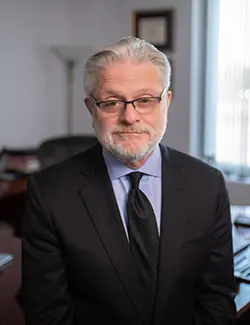
Frank A. Ghinassi, PhD, ABPP
President & CEO
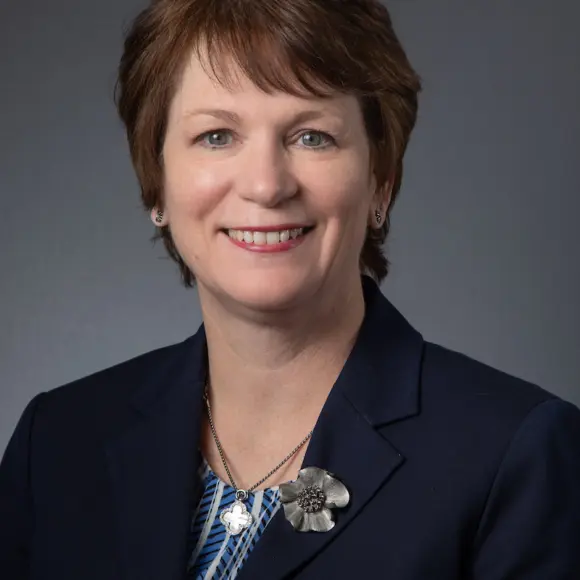
Mary-Catherine Bohan, MSW
VP of Outpatient & Ambulatory Services
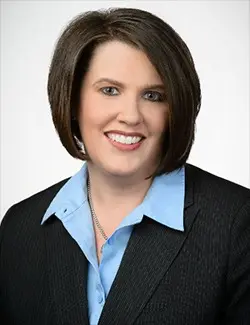
Lisa Cox, PhD, RN, PMHCNS-BC
VP of Operations
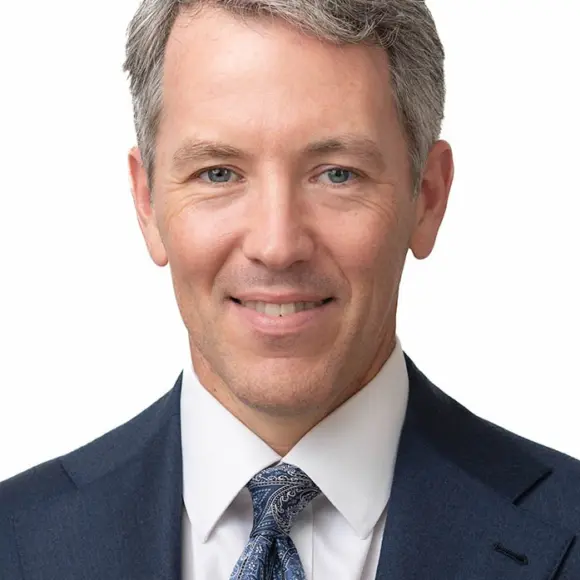
J. Chad Knight, MSHA, FACHE
COO
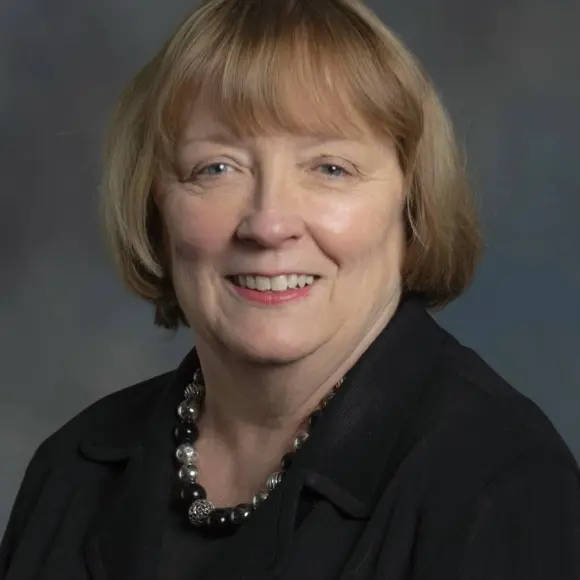
Michele Miller, MSN, RN
VP of Emergency Services, Nursing Services & the Child Division

Carl W. O'Brien
CFO

Carlos Pato, MD, PhD
VP of Research, Training & Academic Affairs & Executive Chair of Psychiatry
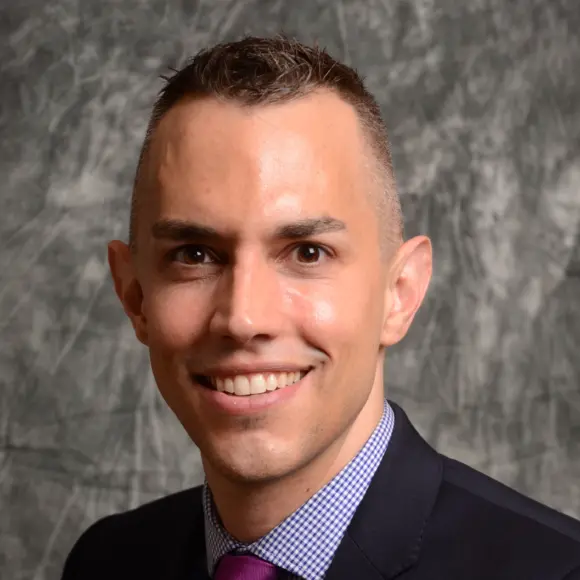
Keith R. Stowell, MD, MSPH, MBA
CMO
Rehab.com regularly reviews this listing for accuracy but changes may occur between updates. For the most up-to-date information, please contact University Behavioral Health Care at Piscataway – Main Building Rutgers Health.
Contact Information

671 Hoes Lane West
Piscataway, NJ 08854
Get Help Now - 732-708-2148
Sponsored Helpline
Sponsored Helpline



