





























































































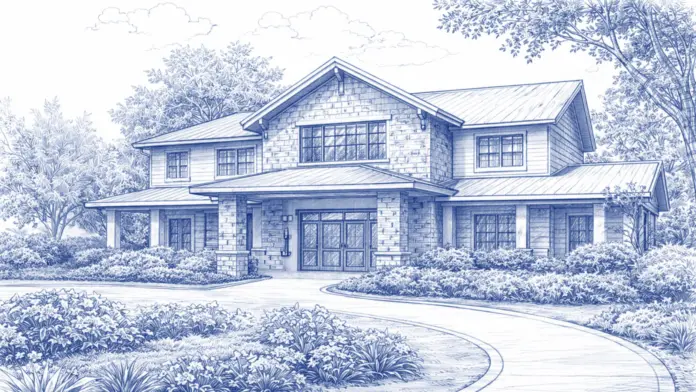
About The Salvation Army Adult Rehabilitation Center
This is a fairly unique program. It’s a residential program, so you’ll live in the facility while you receive addiction treatment. That treatment includes individual therapy and group therapy for the most part. A big component of the program, though, is work therapy. You’ll work up to 40 hours a week in Salvation Army facilities, and in exchange for this, the program is free. That can be an excellent option if you don’t have the funds to afford paid rehab programs or if you’d benefit from work therapy.
There’s a strong spiritual component to this program, too. The Salvation Army is a Christian organization, and Christian spiritual counseling is a part of their addiction treatment. Keep in mind that they don’t have detox or withdrawal management here, so you do have to complete detox before you start this program.
I think it’s helpful that this program has a transitional housing unit, too. This way, when you finish your program there’s a place for you to go as you transition into independent housing when you’re ready.
Facility Overview
 78
78 
Rehab Score
 Our Methodology


Gallery
Other Forms of Payment
 Free
FreeMedicaid is a state based program that helps lower-income individuals and families pay for healthcare. Medicaid covers addiction treatment so those enrolled can use their coverage to pay for rehab. When a program accepts Medicaid the client often pays very little or nothing out of their own pocket.
Addiction Treatments
Levels of Care
Residential treatment programs are those that offer housing and meals in addition to substance abuse treatment. Rehab facilities that offer residential treatment allow patients to focus solely on recovery, in an environment totally separate from their lives. Some rehab centers specialize in short-term residential treatment (a few days to a week or two), while others solely provide treatment on a long-term basis (several weeks to months). Some offer both, and tailor treatment to the patient's individual requirements.
Clients receiving services in a rehab aftercare program have typically completed detox or an inpatient treatment program. Aftercare programs provide customized, wraparound care to support recovery as a life-long process. Case managers, the recovery care team, and the client work together to identify and access services the client needs in order to support sustained sobriety.
Treatments
The goal of treatment for alcoholism is abstinence. Those with poor social support, poor motivation, or psychiatric disorders tend to relapse within a few years of treatment. For these people, success is measured by longer periods of abstinence, reduced use of alcohol, better health, and improved social functioning. Recovery and Maintenance are usually based on 12 step programs and AA meetings.
Recovery is possible for those who complete drug rehab in Delaware. These programs specialize in providing an environment that encourages sobriety and a professional staff that provides the tools to overcome addiction. Participants receive a customized treatment plan tailored to their needs.
Opioid rehabs specialize in supporting those recovering from opioid addiction. They treat those suffering from addiction to illegal opioids like heroin, as well as prescription drugs like oxycodone. These centers typically combine both physical as well as mental and emotional support to help stop addiction. Physical support often includes medical detox and subsequent medical support (including medication), and mental support includes in-depth therapy to address the underlying causes of addiction.
Substance rehabs focus on helping individuals recover from substance abuse, including alcohol and drug addiction (both illegal and prescription drugs). They often include the opportunity to engage in both individual as well as group therapy.
Programs
Adult rehab programs include therapies tailored to each client's specific needs, goals, and recovery progress. They are tailored to the specific challenges adult clients may face, including family and work pressures and commitments. From inpatient and residential treatment to various levels of outpatient services, there are many options available. Some facilities also help adults work through co-occurring conditions, like anxiety, that can accompany addiction.
Young adulthood can be an exciting, yet difficult, time of transition. Individuals in their late teens to mid-20s face unique stressors related to school, jobs, families, and social circles, which can lead to a rise in substance use. Rehab centers with dedicated young adult programs will include activities and amenities that cater to this age group, with an emphasis on specialized counseling, peer socialization, and ongoing aftercare.
Clinical Services
Group therapy is any therapeutic work that happens in a group (not one-on-one). There are a number of different group therapy modalities, including support groups, experiential therapy, psycho-education, and more. Group therapy involves treatment as well as processing interaction between group members.
In individual therapy, a patient meets one-on-one with a trained psychologist or counselor. Therapy is a pivotal part of effective substance abuse treatment, as it often covers root causes of addiction, including challenges faced by the patient in their social, family, and work/school life.
Life skills trainings involve all the skills a person must have in order to function successfully in the world. These include time management, career guidance, money management, and effective communication. Truly successful addiction recovery is based on the ability to not only live substance-free, but to thrive. Life skills teaches the practical necessities of functioning in society, which sets clients up for success in life, and therefore sobriety.
Amenities
-
 Private Setting
Staff
Marcia Cocker
Delaware State Coordinator
Neil Weissman
Advisory Board Chair
Nicole Krajewski
Vice Chair
Donald Spencer
Wilmington Corps
Anthony Casale
BOD
Jeffrey DePrisco
BOD
Michael J. Hare
BOD
James F. Harker, Esq.
BOD
Rehab.com regularly reviews this listing for accuracy but changes may occur between updates. For the most up-to-date information, please contact The Salvation Army Adult Rehabilitation Center.
Contact Information


610 S Walnut St
Wilmington, DE 19801
Sponsored Helpline



