






























































































I personally would not recommend this place for anyone who actually needs to be physically rehabilitated. Most of my time was spent in my room. The therapist watched tv with me more than they treated me. No suitable equipment was used. I actually ended up back in the hospita ...
About South Mountain Healthcare and Rehabilitation Center
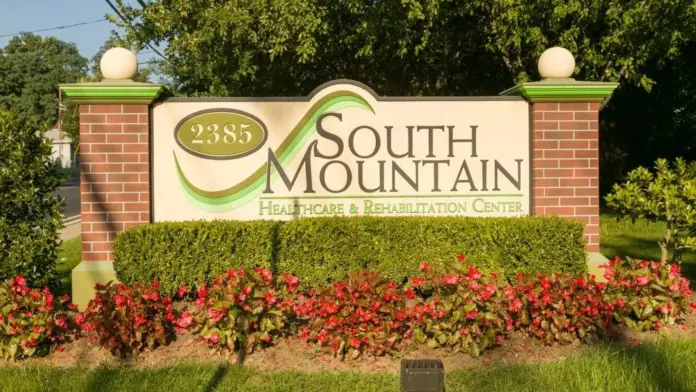
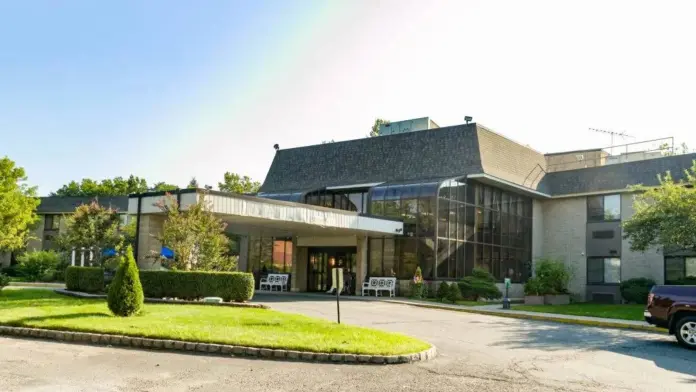
South Mountain Healthcare and Rehabilitation Center offers long-term assistance for adults in and around Union, New Jersey. While they don’t feature structured substance use disorder treatment programs, staffers make available several support services.
Union is a historic township just 40 minutes from New York city. It’s known for its central location near major highways and is a commuter friendly suburb with a diverse population.
Support Services Address Pain Management for People in Recovery
After experiencing a long term illness, injury, or physical debilitation that comes with aging or heart disease, clients may be tempted to use prescription medications and recreational drugs to alleviate pain or mental health symptoms. South Mountain offers several care services to address these needs.
When you are in their short term or long term care, they offer Triple Care, which is a telemedicine service that allows you to be virtually physically examined by a physician on the weekends or after hours. This reduces the likelihood of an emergency room visit. The heart SMART program takes place after discharge from a hospital to address heart conditions and comorbidity complications.
Preventing Mental Health Conditions
While much of the care addresses your physical health, they also offer post cardiac social and psychological services and extensive education with a strong emphasis on diet and lifestyle. These services address the potential mental health issues that can arise after a cardiac event and can trigger relapse or potential drug use.
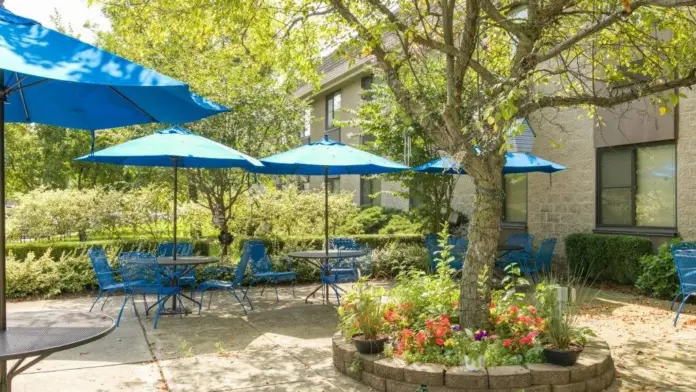
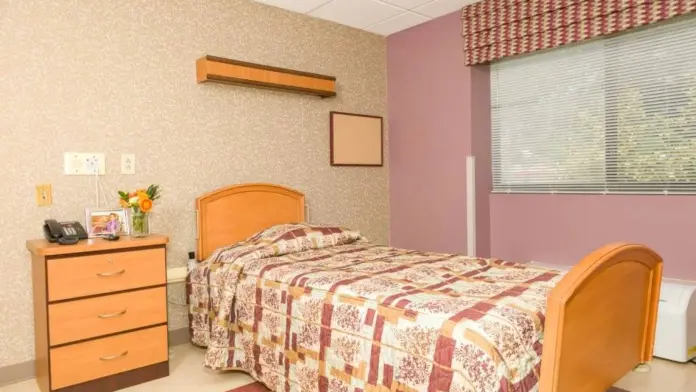
Finally their SMART Rehab program is based on your needs to assure the best clinical outcomes using coordination, goal oriented therapy, state of the art equipment and therapy that’s delivered seven days each week. This rehab unit is separate from long term care, with separate activities, dining and recreation. It offers upscale amenities, guest services coordinator and a broad range of leisure activities.
This short term rehabilitation care may be appropriate after a hip replacement, knee replacement, motor vehicle accident or complex wound care. The team provides structured pain management that reduces the risk of triggering an opioid use disorder or relapse.
Latest Reviews
South Mountain is a wonderful rehab center with great staff on every level very professional as I got an advance alert that I had visitors which I found very nice
Response from the owner1 week ago
Thank you for your kind words and thoughtful review! We’re delighted to hear that you had a positive experience with our team and appreciated the advance visitor alert. Your feedback means a lot to us!
It is a great place for my family to be in love the staff. I love everybody that works for South Mountain.
Response from the owner1 week ago
Thank you for your wonderful review, Lamar! We're so happy to hear your family has had a great experience with our team. Your kind words mean so much to us, and we truly appreciate your support!
Very clean & great place
Response from the owner1 week ago
Thank you for your 5-star rating! We truly appreciate your support. 
Rehab Score
 Our Methodology
Scoring is assigned by a proprietary system which helps surface key metrics that determine quality. The 10-point scale factors in categories such as operations, customer satisfaction, and trust metrics. Read Full Methodology

6.3 / 10
Gallery

Other Forms of Payment
Private insurance refers to any kind of healthcare coverage that isn't from the state or federal government. This includes individual and family plans offered by an employer or purchased from the Insurance Marketplace. Every plan will have different requirements and out of pocket costs so be sure to get the full details before you start treatment.
Sliding scale payments are based on a client's income and family size. The goal is to make treatment affordable to everyone. By taking these factors into account, addiction recovery care providers help ensure that your treatment does not become a financial burden to you or your family, eliminating one barrier to care.
Medicare is a federal program that provides health insurance for those 65 and older. It also serves people under 65 with chronic and disabling health challenges. To use Medicare for addiction treatment you need to find a program that accepts Medicare and is in network with your plan. Out of pocket costs and preauthorization requirements vary, so always check with your provider.
Medicaid is a state based program that helps lower-income individuals and families pay for healthcare. Medicaid covers addiction treatment so those enrolled can use their coverage to pay for rehab. When a program accepts Medicaid the client often pays very little or nothing out of their own pocket.
Addiction Treatments
Levels of Care
Outpatient rehabs enable clients to receive a full continuum of care while continuing to live at home. They're often ideal for clients who are stepping down from inpatient care but some clients may prefer to transition into outpatient treatment immediately after completing detox. Many outpatient facilities also offer ambulatory medical detox for low-risk clients. Outpatient treatment generally includes psychotherapy and life skills training. Clients in opioid and/or alcohol recovery may also receive medication assisted treatment (MAT).
24-hour clinical care in New Jersey provides a setting where you can withdraw from alcohol or drugs under close monitoring of experienced medical staff. These trained professionals can intervene at any time if needed. They can prescribe medications to reduce cravings and physical discomfort. Mental health professionals are also available to address any emotional and psychological challenges you experience as you begin your recovery journey.
Treatments
The goal of treatment for alcoholism is abstinence. Those with poor social support, poor motivation, or psychiatric disorders tend to relapse within a few years of treatment. For these people, success is measured by longer periods of abstinence, reduced use of alcohol, better health, and improved social functioning. Recovery and Maintenance are usually based on 12 step programs and AA meetings.
Drug rehab in New Jersey is the process of addressing the complex issues involved with addiction. Challenges are identified and addressed through individual and group counseling. Participants learn how to manage these issues without the use of substances.
Opioid rehabs specialize in supporting those recovering from opioid addiction. They treat those suffering from addiction to illegal opioids like heroin, as well as prescription drugs like oxycodone. These centers typically combine both physical as well as mental and emotional support to help stop addiction. Physical support often includes medical detox and subsequent medical support (including medication), and mental support includes in-depth therapy to address the underlying causes of addiction.
Substance rehabs focus on helping individuals recover from substance abuse, including alcohol and drug addiction (both illegal and prescription drugs). They often include the opportunity to engage in both individual as well as group therapy.
Programs
Adult rehab programs include therapies tailored to each client's specific needs, goals, and recovery progress. They are tailored to the specific challenges adult clients may face, including family and work pressures and commitments. From inpatient and residential treatment to various levels of outpatient services, there are many options available. Some facilities also help adults work through co-occurring conditions, like anxiety, that can accompany addiction.
Young adulthood can be an exciting, yet difficult, time of transition. Individuals in their late teens to mid-20s face unique stressors related to school, jobs, families, and social circles, which can lead to a rise in substance use. Rehab centers with dedicated young adult programs will include activities and amenities that cater to this age group, with an emphasis on specialized counseling, peer socialization, and ongoing aftercare.
Clinical Services
Cognitive behavioral therapy (CBT) in New Jersey typically follows a set structure of treatment. The therapist helps clients identify their life challenges and their thoughts surrounding those challenges. The client then learns to identify unhealthy thought patterns and reshape those into healthy patterns of thinking and behavior.
In individual therapy, a patient meets one-on-one with a trained psychologist or counselor. Therapy is a pivotal part of effective substance abuse treatment, as it often covers root causes of addiction, including challenges faced by the patient in their social, family, and work/school life.
Trauma therapy provides a structure to approach healing from past traumatic events that you may have witnessed or experienced. Your therapist will work with you to identify and process these memories. This helps promote a sense of safety and stability and helps you heal emotionally.
Family therapy sessions address addiction related conflicts and other issues between members of the family unit. By strengthening communication and coping skills, as well as creating a nurturing environment, the family can help support their loved one's recovery.
Building life skills allows you to demolish negative patterns of behavior and build new, healthy patterns. By building new thought processes, coping strategies, and behaviors, you establish a solid foundation for recovery.
Nutrition therapy is more than a simple meal plan during rehab. It's designed to facilitate a faster recovery by giving your body the nutrients it needs to heal. It aids in strengthening your systems and giving you the energy you need for daily functioning and success in other therapies.
Recreational therapy is a dynamic approach to addiction treatment in New Jersey. It integrates activities like music therapy, team sports, and gardening so you have a therapeutic outlet for your emotions and stress. This improves your physical and mental health and helps you develop new skills to support a sober lifestyle.
Amenities
-
 Gym
Gym -
 Yoga Studio
 -
 Walking Trails
Rehab.com regularly reviews this listing for accuracy but changes may occur between updates. For the most up-to-date information, please contact South Mountain Healthcare and Rehabilitation Center.
Contact Information

2385 Springfield Avenue
Vauxhall, NJ 07088
Get Help Now - 908-312-3127
Sponsored Helpline
Sponsored Helpline



